
Can cats eat flies and why do they do it?
Continuing to explore the habits of our furry pets, we'll discuss whether cats can eat flies (whether it's dangerous and what the health consequences may be), why they do it, and how owners should act if they see their cat eat a fly.
Content
Insect hunting
"Do cats eat gnats, do gnats eat cats?" – many remember this simple saying from childhood. But why do cats have a particular fondness for insects, including a variety of gnats and flies? To understand, just observe cats that are allowed to roam freely.
Cats are skilled predators, for whom hunting is their primary activity in the wild. Even with ample food, many cats continue to hunt, clearly enjoying the process.
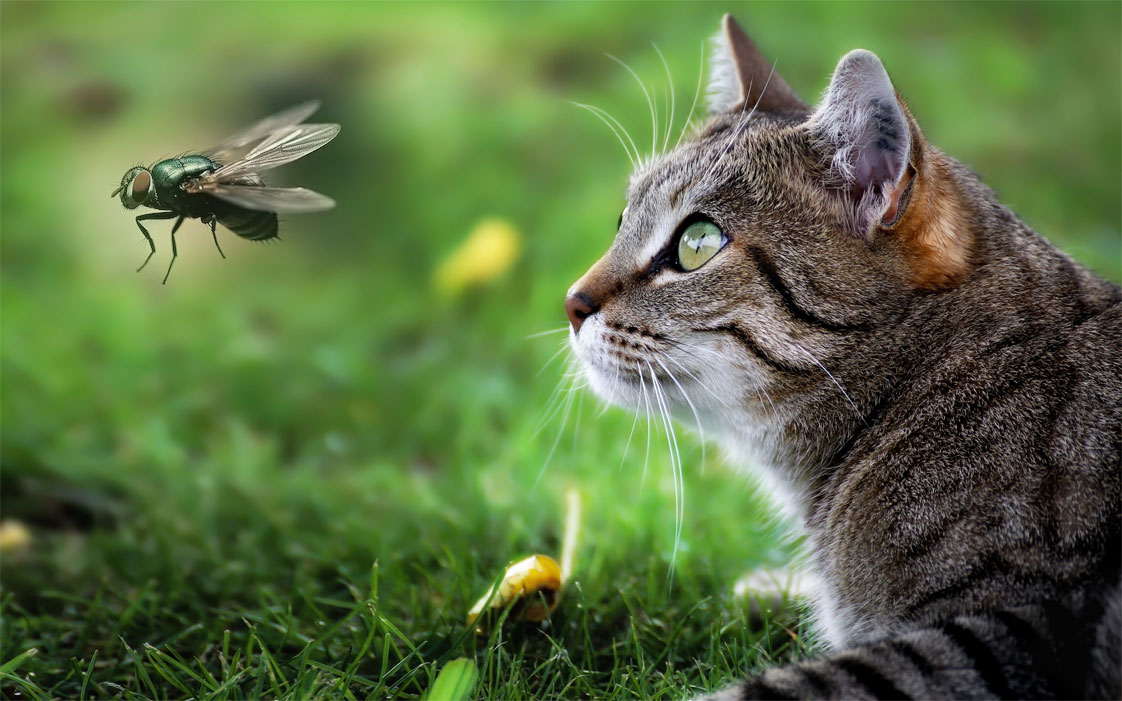
Why do cats catch flies? Scientists point to several reasons for this behavior.
Reason #1 – Hunter skill training.
A small kitten has an instinct that drives it to hunt anything that moves and looks like potential prey. While it's not yet capable of catching a mouse or a bird, it often hones its skills on smaller, more accessible prey—insects. This is why kittens often catch grasshoppers, beetles, spiders, mosquitoes, cockroaches, and flies—and this behavior is completely normal for a small hunter.
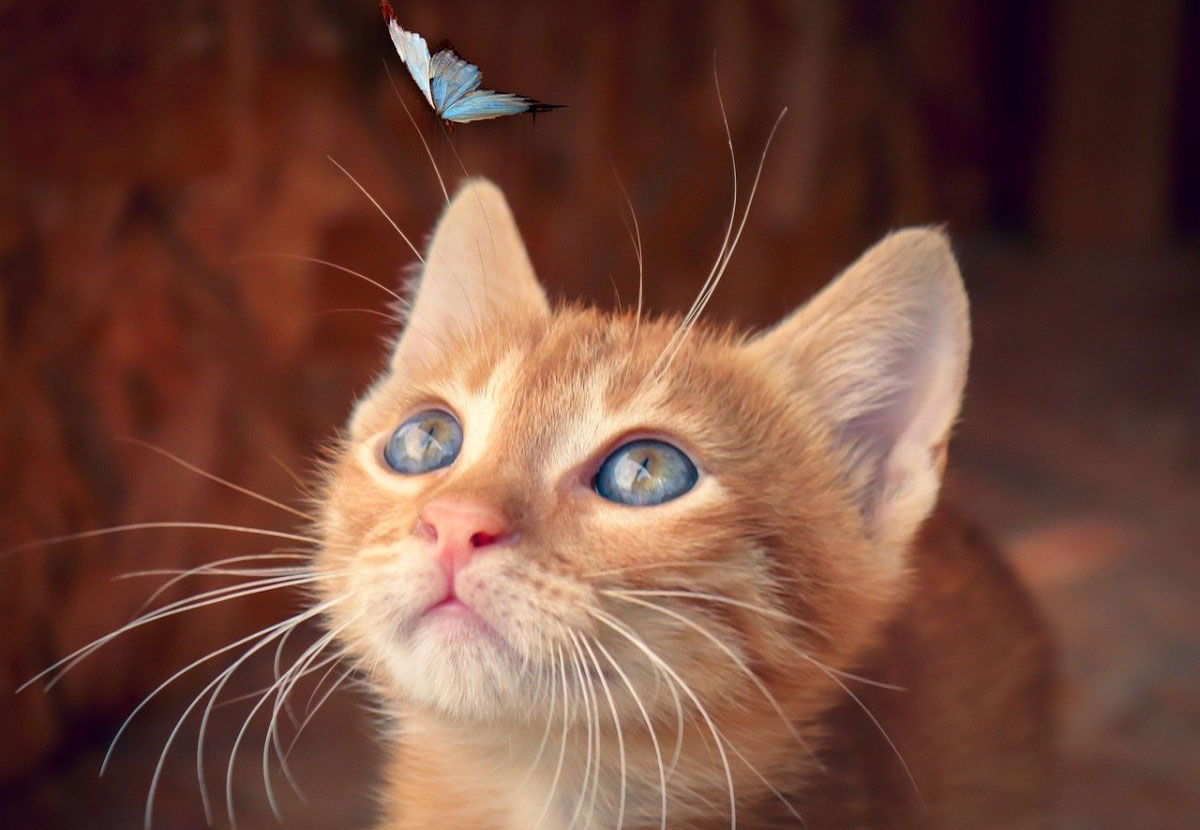
In nature, however, eating prey that they have managed to catch is also a natural process for cats, so you may see a kitten happily eating a caught grasshopper, beetle, or fly.
Reason No. 2 – lack of microelements in the cat’s body.
From a cat's perspective, insects (including flies) are perfectly edible creatures, providing the body with large quantities of protein and chitin. It's worth noting that in many countries today, people also eat grasshoppers, spiders, and the larvae of various insects.
It's possible that a cat instinctively understands that eating insects is healthy. And after tasting this protein-rich food, a cat might also conclude that it's tasty (I think every owner understands that pets' taste preferences differ significantly from those of humans).
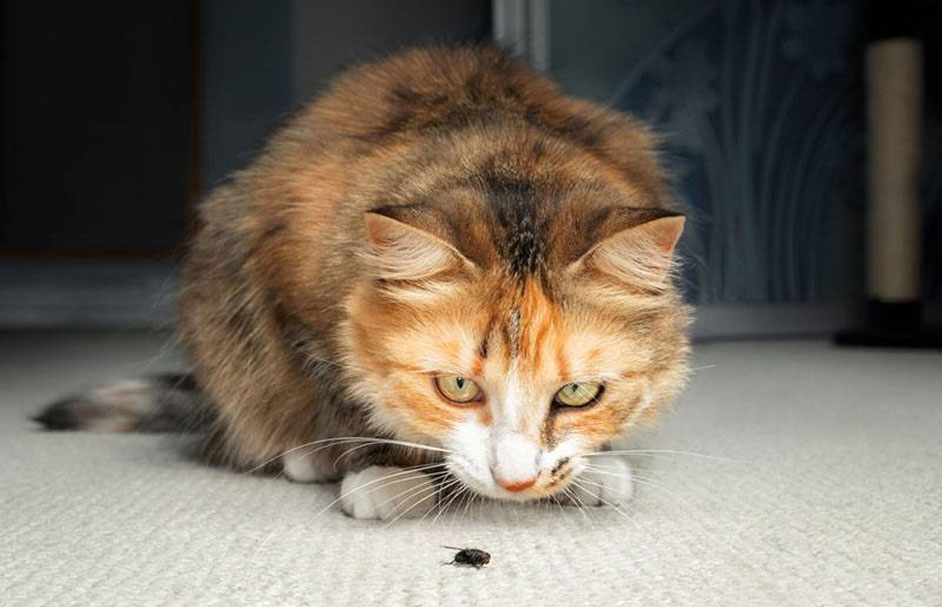
It's worth noting that not all cats are eager to swallow insects, or eat caught birds or mice. Some pets may limit themselves to hunting, quickly losing interest in motionless prey.
Can cats eat flies?
So, we've figured out why cats hunt insects and can eagerly eat grasshoppers, spiders, cockroaches, or flies they catch. The question arises: can domestic cats eat flies at all?
In response to the question posed, the veterinarian notes that in most cases, there's no need to make a tragedy out of a pet eating a fly, since flies themselves are not poisonous to cats, cats, or even kittens.
However, sometimes the consequences of hunting and eating insects can be extremely undesirable:
- Flies can carry parasites and dangerous bacteria;
- Not all cats can distinguish a fly from a wasp, bee or hornet, hunting for which can end extremely painfully;
- By eating a poisoned cockroach, a cat can become seriously poisoned;
- While enthusiastically hunting for a fly in an apartment, a cat can get injured or even fall out of a window.
From this point of view, hunting insects and eating everything that can be caught can be dangerous for the pet.
What to do if your cat ate a fly
If you see your cat or kitten catch and eat an insect, there's no need to panic. In the vast majority of cases, nothing serious will follow. A common fly is too small to affect digestion, but a large, fat grasshopper can even make the animal feel full for a while.
However, it's worth monitoring your kitten or adult pet's well-being throughout the day. For your own peace of mind, you can give your pet a feline sorbent to ease the digestion of unfamiliar food.
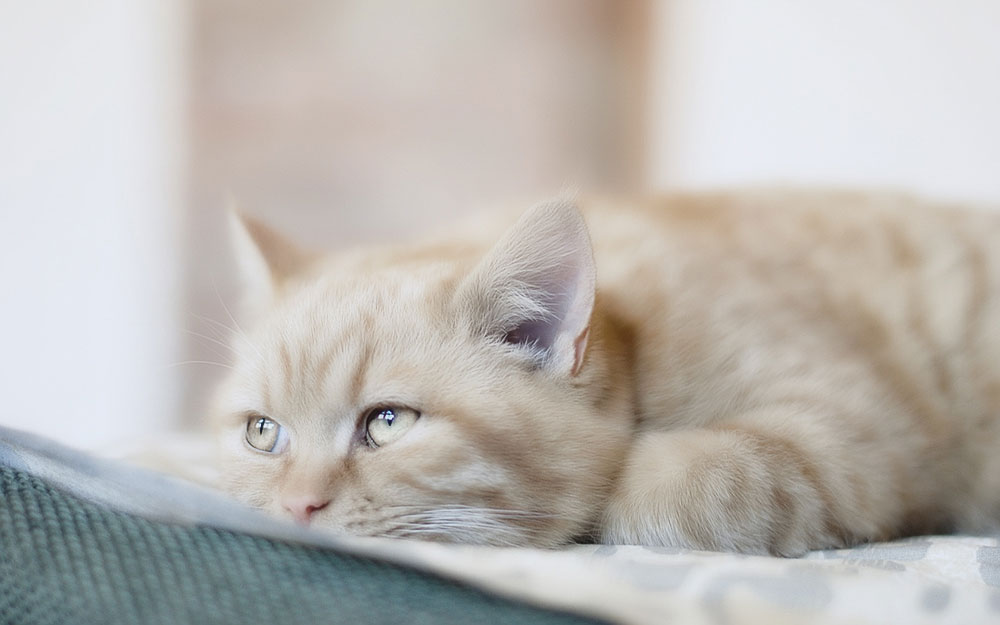
If, after such an unusual snack, your cat refuses to eat for a long time, vomits, has diarrhea, or exhibits other signs of intoxication, you should consult a veterinarian as soon as possible. The cause of the illness may not necessarily be related to a fly. A coincidence is possible, so it's best to get diagnosed as soon as possible and determine the cause of the symptoms.
How to keep your pet safe
Cats that have the opportunity to roam freely will likely enjoy hunting insects outside the home. This should be tolerated by regularly scheduled preventative checkups and deworming.
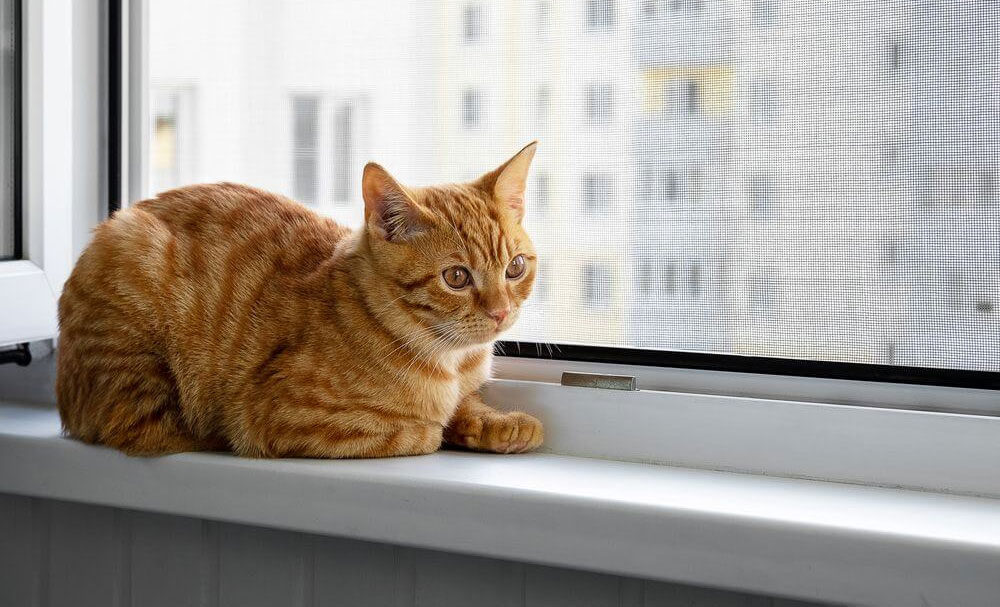
Pets living in apartments can be simply protected from unwanted entertainment. To avoid the worry of your cat accidentally eating a fly or other insect, install mosquito nets on your windows and remove anything that might attract insects. This will prevent flies, mosquitoes, and various bugs from entering your home.
If cockroaches have appeared in your apartment building, use pet-safe products to control them (you should also ask your neighbors to do the same). If a pest control company is providing pest control, notify the staff that there are cats in the building so they can select a pet-safe product.
Read also:
- Why do cats respond to kitty-kitty?
- Why do cats run around the apartment after using the toilet?
- Why do cats look out the window?


Add a comment