
Can a cat eat raw food?
It's a common belief that cats can be fed many foods raw and uncooked without any harm. Is this true? Can cats eat raw meat and other raw foods? Is this type of diet beneficial for cats? Let's explore this issue in more detail and understand all the nuances.
Many cat owners, even experienced ones, aren't entirely sure how to properly feed their whiskered pets. It seems simple enough—feed them regular food, just like you'd eat yourself, and that's it. However, it's not that simple, and cats react to many foods quite differently than we imagine.
As many raw feeding advocates rightly believe, cats in the wild don't cook their food, but eat their prey raw. This is precisely why people argue that cats should be fed raw foods—they claim it's healthier and more natural for them. However, here comes the first counterargument: our pets are no longer the wild cats that foraged for food in the wild, meaning that through selective breeding and long-term coexistence with humans, domestic cats' lifestyles and digestion have significantly changed. Therefore, the question of whether cats can eat raw meat is unclear—it depends on many factors. Let's discuss different types of foods and how they affect domestic cats when eaten raw.
Raw meat
Can cats eat it? raw meatAs much as we might like to idealize our delicate pets, they are true carnivores, meaning their main diet should consist primarily of meat in various forms. And here's where the burning question arises: can cats eat raw meat, or must it be cooked before feeding?
In fact, cats can and even should eat raw meat, as their stomachs and digestive tracts are perfectly adapted to extract energy from high-protein foods. Young kittens should definitely be fed raw meat, as their proper development and growth depend on it, but do so with caution and only if you are confident in the quality of the meat.
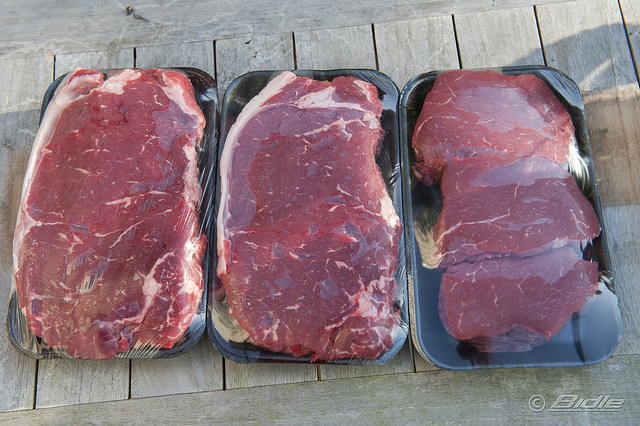
However, there is also some danger: raw meat very often contains eggs of various parasites, which are guaranteed to get into your pet along with the raw meat.
So how can you protect your cat from these uninvited guests? It's simple: it's recommended to freeze meat for several days before feeding it—this is usually enough to kill many known parasites.
It's also worth noting that cats should only be fed beef, as pork is too fatty for them to digest and can cause stomach upset. Furthermore, pork consumption often leads to obesity, which is very harmful to a pet's internal organs. Beef, in addition to all the necessary nutrients, is an excellent source of taurine, which is vital for your cat during the active growth stage and later in life. However, it's important to remember that meat is high in phosphorus and virtually lacks calcium. This deficiency must be replenished without fail, otherwise your cat risks developing brittle bones.
To summarize all of the above, we can confidently answer the question of whether cats can be fed raw meat in the affirmative, but the meat should be frozen before feeding!
Raw chicken and turkey
Can cats eat raw chicken or turkey? As with large animal feed, many breeders are naturally interested in the question: can cats eat raw chicken and turkey? After all, poultry is a very high-calorie, protein-rich food that's also low in fat, which is beneficial for cats' health. And, importantly, chicken is significantly cheaper than beef, meaning your cat's food will be less expensive.
It's safe to say that cats can eat raw chicken, with the same caveat as beef: it must be cooked to -20 degrees Celsius for 7-10 days. This ensures the meat is free of parasites and pathogens that could infect cats.
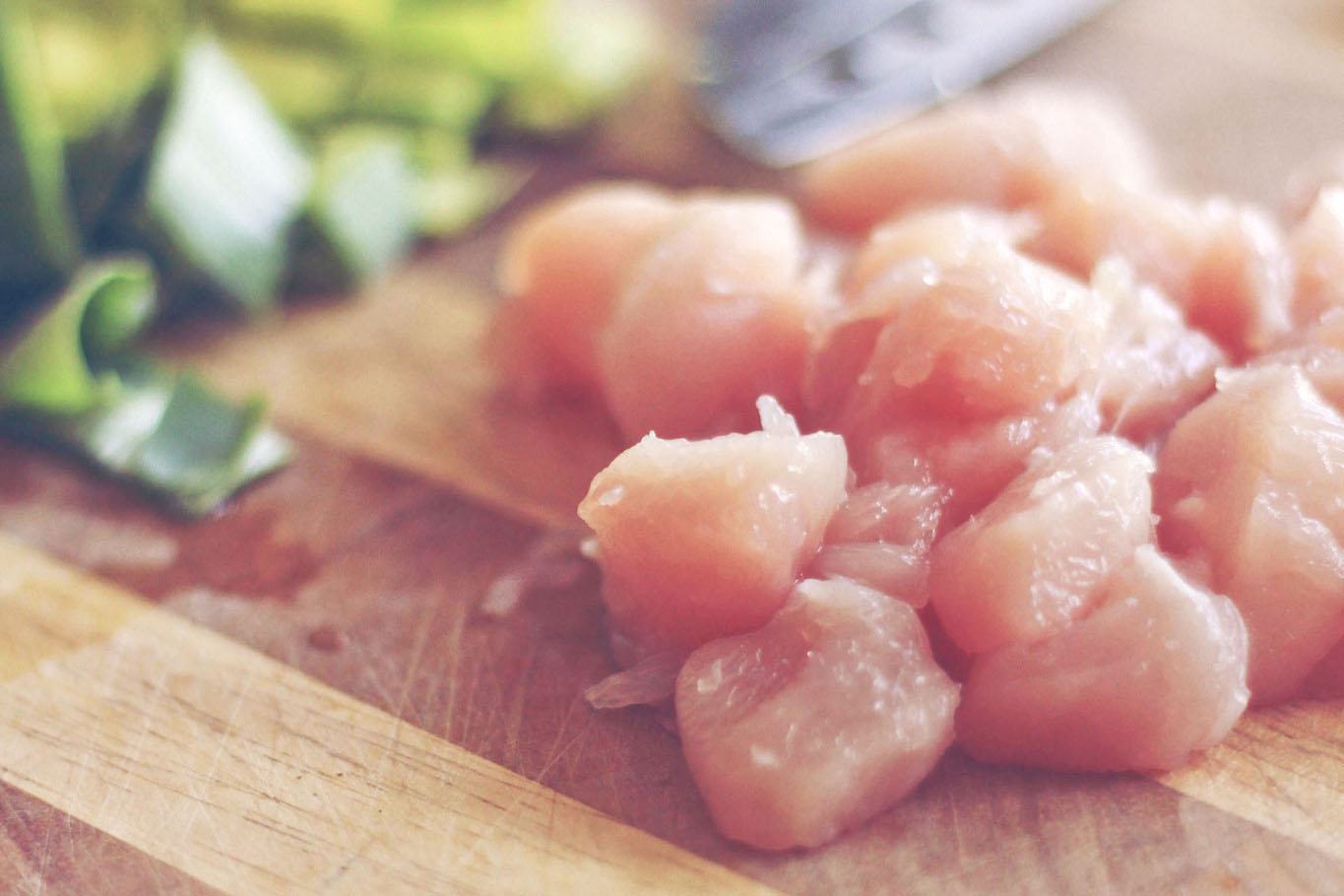
When considering whether raw chicken can be fed to cats, it's important to consider that chicken is rich in protein and essential amino acids, but filleted chicken is very low in calcium. A whole chicken is ideal for a cat, but it can be difficult for a pet to eat. Using a food processor that processes chicken bones will result in the perfect ground chicken, providing a well-balanced supply of all the nutrients, vitamins, and minerals your pet needs to thrive.
So, it's clear whether it's safe to feed raw chicken to a cat—of course it is, and even should be, but only after it's been processed at low temperatures. You should also be careful that your cat's food doesn't contain any poultry bones—their chips are very sharp and can easily damage the animal's digestive tract. This can cause serious health problems, and even death.
Therefore, don't be lazy in checking for dangerous bones or fragments in the minced meat prepared for your pet - this will protect your furry friend from illness, and you from unnecessary worries.
Raw eggs
Breeders are also concerned about whether cats can eat raw eggs. It might seem counterproductive to feed cats eggs, but chicken eggs are very beneficial for a complete, healthy diet for your furry friend. They contain easily digestible animal protein, as well as a whole host of vitamins and minerals essential for cats. Therefore, it's safe to say that eggs are a necessity.
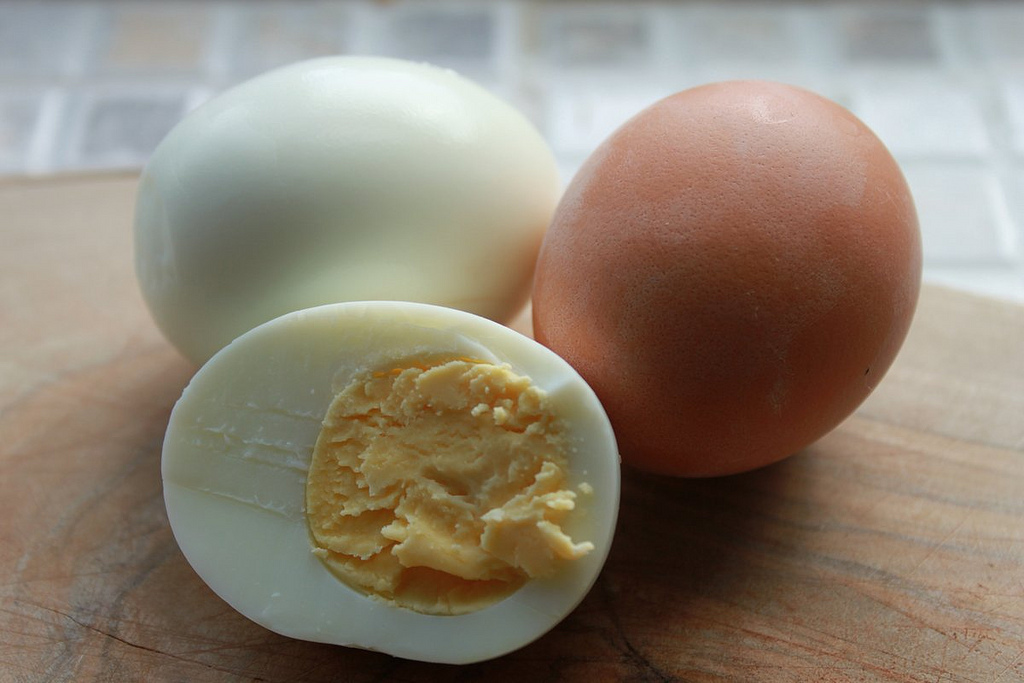
But what form should you give them to your cat, and is it safe to feed raw bird eggs to cats? It's worth considering the dangerous possibility of raw eggs containing the salmonella pathogen. While quail eggs were once thought to be immune to this, salmonella is increasingly being found in quails as well. Therefore, to avoid health problems for your pet, it's recommended to boil the eggs before feeding them.
This way, you'll protect your cat from illness and provide it with a wealth of beneficial elements and nutrients. Now we've clarified the answer to the question of whether raw eggs can be fed to cats.
Raw fish
Can cats eat raw fish? Cats have traditionally been associated with eating fish and milk. This misconception persists, but whether it's true is a big question. While milk is unsuitable for cats because many adult cats cannot digest it, the situation with fish is less clear-cut.
The question of whether cats can eat raw fish worries many pet owners, as fish contains many beneficial and essential nutrients that positively impact a cat's development and vital functions. However, there's always a risk of infecting your pet with parasites or bacteria found in raw fish, and not every type of fish is suitable for cats.
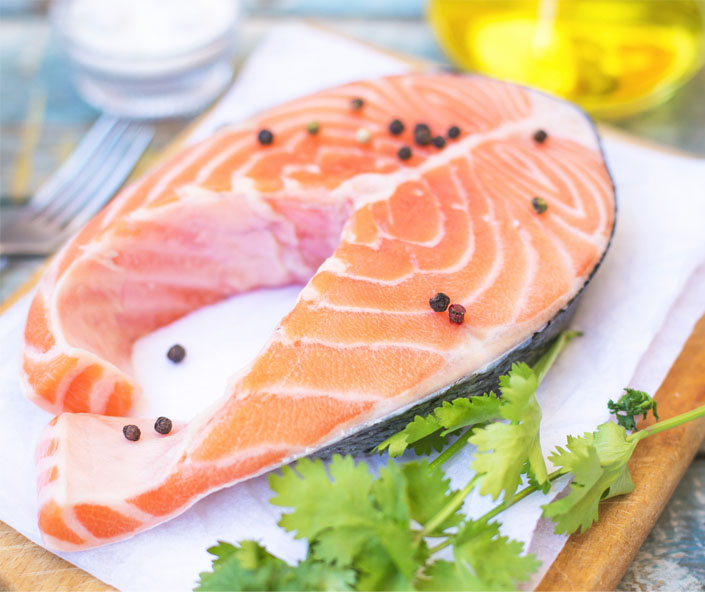
If you decide to feed your cat fish, you should forget about small river fish once and for all – they contain a huge number of small bones, and they are often infected with helminths, which can subsequently cause a serious disease such as opisthirchiasis.
If you're wondering whether your cat can eat raw fish, the best choice is good quality boneless, high-protein ocean or sea fish. While this isn't cheap, there's no need to overfeed your cat on fish—a few pieces of cooked or frozen fish twice a week is sufficient.
Feeding your cat too much fish can lead to vitamin B1 deficiency, which is actively broken down by the thiaminase enzyme found in fish. However, if eaten in moderation, boiled fish can be beneficial for your pet.Before feeding, freeze the fish at -20 to -25 degrees Celsius for a week. This will certainly rid the fish of parasites and pathogenic bacteria.
Raw liver
Can cats eat raw liver? Compared to other organ meats, liver is incredibly appealing: it's significantly cheaper than meat, highly digestible, and rich in vitamins and nutrients. The question of whether cats can eat raw liver isn't entirely clear-cut, as depending on how it's processed, it can have both constipating and laxative effects.
Cooked liver is very constipating, while raw liver, on the contrary, loosens the cat's gastrointestinal tract. Introducing organ meats into your cat's diet should be gradual, in small amounts, despite the fact that they contain quite a lot of vitamins A and B. This has a positive effect on bone development and helps the kitten develop harmoniously. However, the optimal age for introducing organ meats to your pet is one year. At a younger age, it's better to feed them in very small quantities, mixed with porridge.
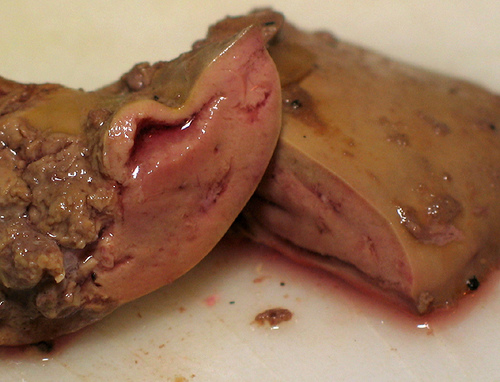
However, there's another theory. It states that the liver is the body's natural filter, and it's used to remove various toxins and waste. This means that a cat can eat all the "nasty stuff" filtered out by the liver.In addition, it is worth knowing that the liver may contain parasites or pathogens of dangerous infectious diseases.So, by feeding your whiskered pet raw liver, you risk infecting them. It's best to thoroughly freeze the organ meat (for several days), then defrost it and pour boiling water over it (if you don't want to cook it). Ideally, boil the liver thoroughly and drain the broth (as this will remove any medications and other debris that have settled in the organ's parenchyma).
That's all the information on feeding your mustachioed cat raw. Ultimately, all foods are healthy, but in the right proportions. By creating a balanced diet for your pet, you'll provide them with the energy and strength to thrive, ensuring a long life and freedom from diet-related illnesses.
Any questions? You can ask our website's staff veterinarian in the comments below, who will answer them as quickly as possible.
Read also:


9 comments
Tatiana
Good afternoon. My cat is seven weeks pregnant. Before this, she ate well, including wet food and Royal Canin dry food for pregnant women. Now she refuses everything. She might have a little cottage cheese with sour cream and raw chicken fillet. Before seven weeks, she never ate anything like that. Overall, she's doing well; she sleeps a lot, but she's also cuddles and runs around. Doctor, what should I do about her diet?
Daria is a veterinarian
Hello! Pregnancy is coming to an end, so her diet will change. Your kitten instinctively eats what she needs to build a healthy skeleton and muscular system: protein from the egg and calcium from dairy products. Just don't feed her raw meat. Freeze it for at least 2-3 days, then defrost it and pour boiling water over small pieces if you absolutely don't want to boil it. Add vitamin and mineral supplements.
Maria
Hello! I'm switching my cat to Primordial Holistic food, but so far I've only found dry food. I'd like to introduce wet food as well. Could you please tell me if it's safe to feed my cat only dry holistic food? Thank you!
Daria is a veterinarian
Hello! Holistic foods are well-balanced, so don't worry. You can feed them only. The main thing is that your cat always has access to clean, fresh water. Your pet should drink plenty. It's a well-known fact that cats like to drink from large containers: pots, mugs, aquariums, etc. So, if your cat only has one "standard" bowl, get another, deeper and larger one, either next to the food or in another room, but remember to change it daily.
Olga
Good afternoon! My cat is 6 months old and litter box trained. But sometimes she pees somewhere near the litter box. I don't know why she does this. I clean the litter box after each time she goes to the bathroom. Can you tell me what causes this behavior?
Daria is a veterinarian
Hello! Perhaps the litter box is too small or uncomfortable? Perhaps something is preventing the cat from using it properly (for example, a trash can, toilet brush, shelf, or something else is located near the litter box)? If your cat consistently does its business in the wrong place, look for a health issue or a problem with the litter box itself (size, location, or litter, for example). If it happens occasionally (without a clear pattern), look for problems with the litter box.
Zoya
Good evening! I switched my 1.5-year-old cat from dry and wet food to natural foods. He happily eats beef, chicken, and offal. But he hasn't defecated for three days. What's the cause, and what should I do? Before this, he defecated regularly every morning.
Daria is a veterinarian
Hello! Perhaps the transition was too abrupt. This is not right. The enzymes needed to digest natural meat products are not yet present. The gastrointestinal tract is currently struggling, as it's undergoing adjustments. Enzymes (at least Creon, Pancreatin) should have been given, and Mezim for the stomach should have been given to make things easier. Increased fluid intake is also needed. Now, a laxative should be given (at least lactulose/Duphalac, Vaseline/castor/sunflower oil). We need help now. Introduce grains and vegetables into the diet as a source of fiber, which will stimulate intestinal peristalsis.
Zoya
Thanks for the advice, I understood everything, I'll take it into account. Now it seems like my stool is getting better. Goodbye!
Add a comment