
Can cats eat cheese?
Continuing the theme of natural nutrition, we suggest taking a closer look at whether cats can eat cheese and the differences between the different varieties of this popular product available in supermarkets today.
Content
Fermented milk components in the diet of cats
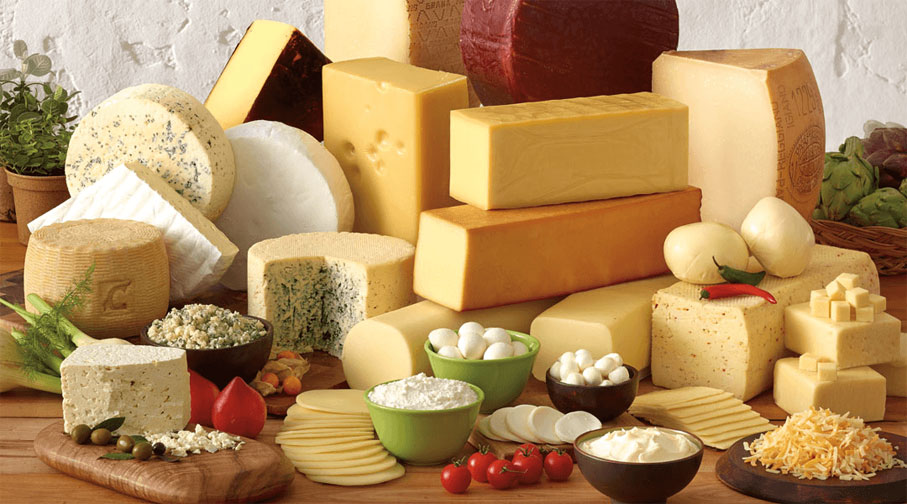
Natural cheese is a fermented milk product made from cow, goat, sheep or other types of milk.
Depending on the production technology, a distinction is made between:
- cottage cheese;
- hard, semi-hard and soft cheeses;
- smoked types (sausage, pigtail, suluguni, etc.);
- smelted;
- with various types of mold;
- with fillers (herbs, nuts, etc.).
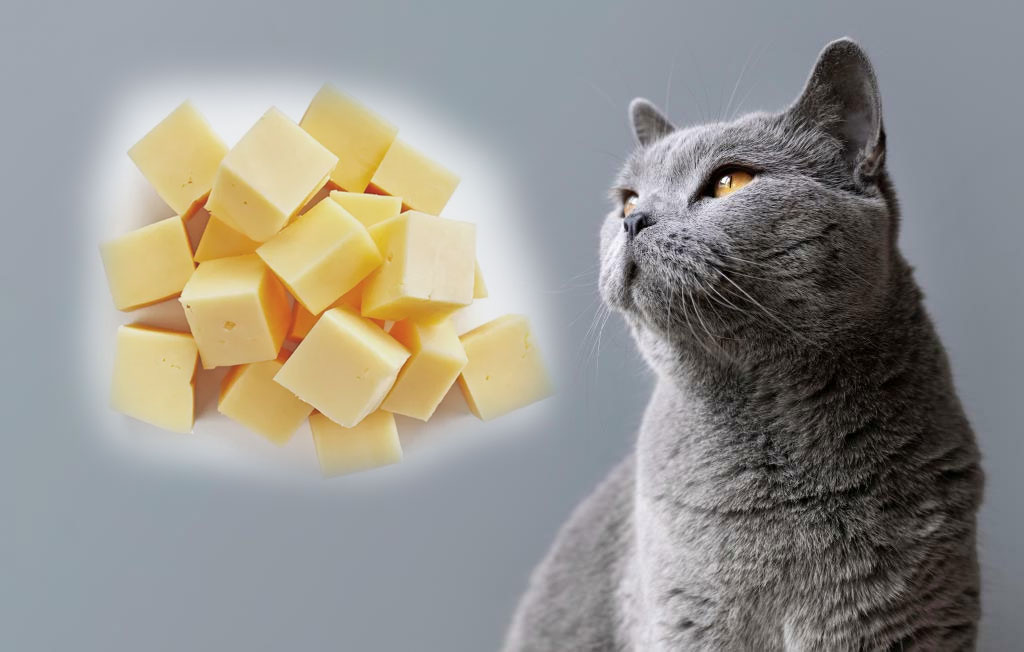
Depending on the recipe, the fat content of cheeses can vary from 10 to 75% or more:
|
Type of cheese |
Fat percentage |
|
Low-fat (diet) |
10 – 20% |
|
Light (soft) |
20 – 30% |
|
Normal |
40 – 50% |
|
With 2-grade fat |
60 – 75% |
|
With 3rd fat content |
more than 75% |
Often, novice owners, when preparing a pet's diet, wonder whether it is possible to give cheese to cats at all.
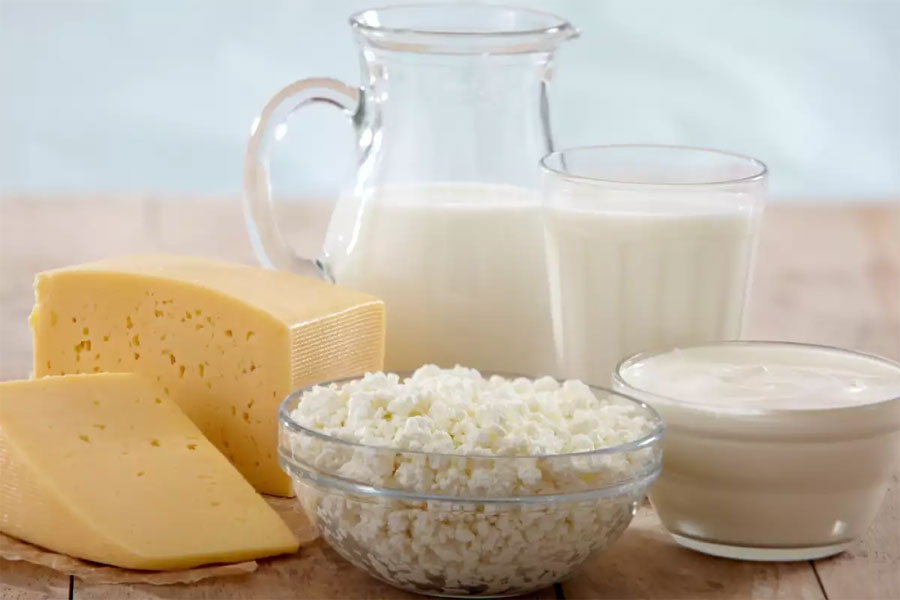
On the one hand, fermented milk products are necessary for maintaining normal digestion and saturating the body with calcium, since hard cheeses are incredibly rich in this component.
For comparison, we provide a table of the quantitative calcium content in 100 grams of products:
|
Product |
Amount of calcium in 100 g |
|
Hard cheeses |
750–1000 mg or more |
|
Soft cheeses |
450 – 700 mg |
|
Store-bought cottage cheese (rich in calcium) |
200 – 250 mg |
|
Yogurt |
124 mg |
|
Homemade cottage cheese |
120 mg |
|
Milk |
120 mg |
|
Sour cream |
80 mg |
On the other hand, veterinarians warn that not all cheeses available in human stores are equally beneficial for cats.
The daily requirement of calcium for a small kitten is 440 mg, and for an adult cat – 45 mg.
This is why kittens are given cottage cheese daily or once every 2 days, and adult animals (after 1 year) only once a week.
What kind of cheese can you give to cats?
So, we've found out whether cats can eat cheese, and we know that this product can bring many benefits to your pet, provided, of course, the owner chooses a high-quality and safe variety.
Cottage cheese
Ideal for animals of all ages, but in moderation. It's also important to choose varieties that aren't too salty or sour, with a fat content of 5-9%.
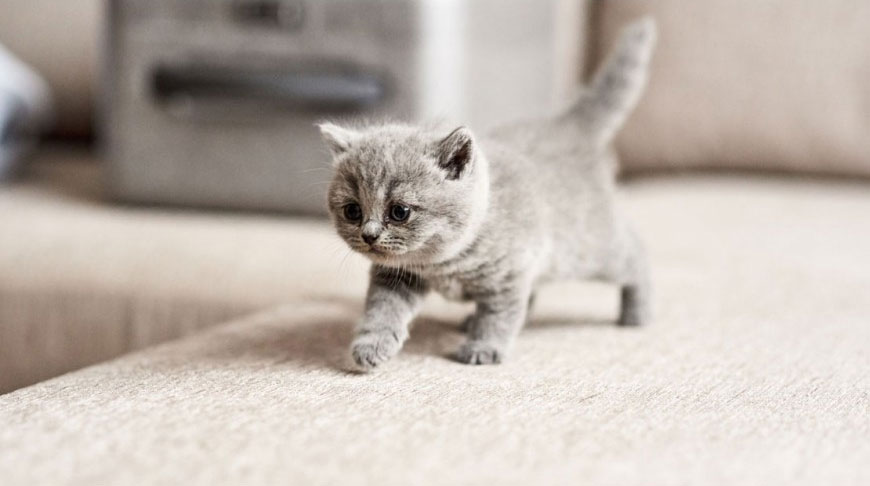
You can gradually introduce cottage cheese into your kitten's diet as early as 4 weeks old, starting with a minimal amount and increasing the serving to 1 teaspoon per day. Cottage cheese can be given as a separate treat, complementing the pet's main menu, or mixed into cereal.
Please pay attention to the following advice from veterinarians:
- Low-fat cottage cheese is not good for babies;
- too much fatty cottage cheese can cause problems with the gastrointestinal tract;
- for small kittens, prepare "liquid cottage cheese" by mixing in a small amount of sour cream;
- It is better to give home-made cottage cheese to babies, while healthy adult animals can be offered high-quality cottage cheese or cream cheese from the store.
It is important to remember that animals with complete lactose intolerance may experience gastrointestinal upset even when consuming fermented milk products, so it is best to introduce cottage cheese gradually, monitoring your pet's condition and stool.
Hard cheeses
Unlike cottage cheese, hard cheeses contain much more calcium and sodium, which allows you to meet your cat's body needs with less product consumed.
Can you offer hard cheese to kittens?
Veterinarians do not recommend introducing this product into the diet of young kittens due to its high allergenicity. There is a correlation: the longer the cheese is aged, the higher the risk of an allergic reaction.
Hard cheeses are typically introduced into the diet in small quantities after six months, not as part of a meal, but as a treat. Introduce your pet to this new taste with one small piece (1 x 1 cm).
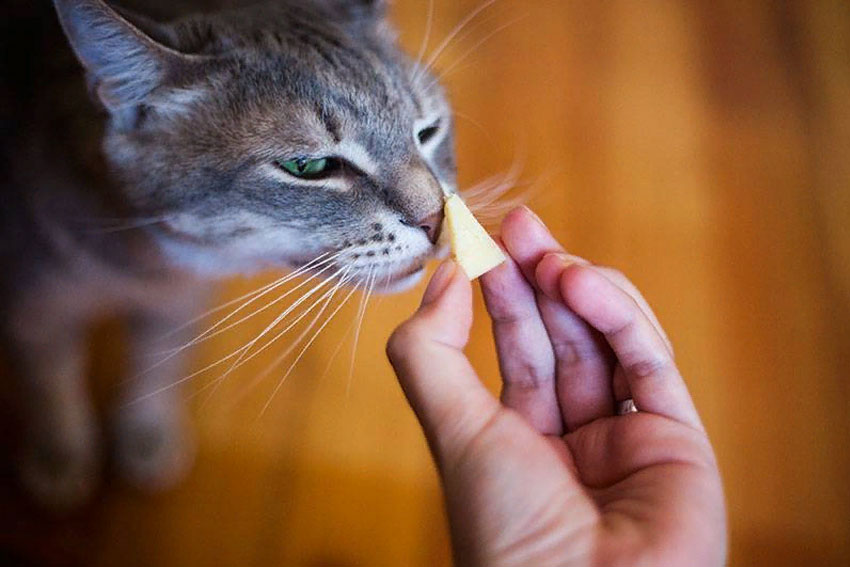
It is also worth considering the recommendations of veterinarians:
- choose natural dietary varieties of hard cheeses with a short aging period;
- cheese should not contain more than 2% salt;
- If even a small piece of cheese causes gastrointestinal upset in an animal, it is worth eliminating this component from the diet;
- Keep in mind that cheese is a very high-calorie product (100 grams of cheese with 50% fat contains about 330 kcal).
What cheeses should animals not eat?
When discussing whether cats can eat cheese, we're definitely talking about a high-quality, natural product. Giving cats any cheese containing vegetable oils is strictly prohibited!
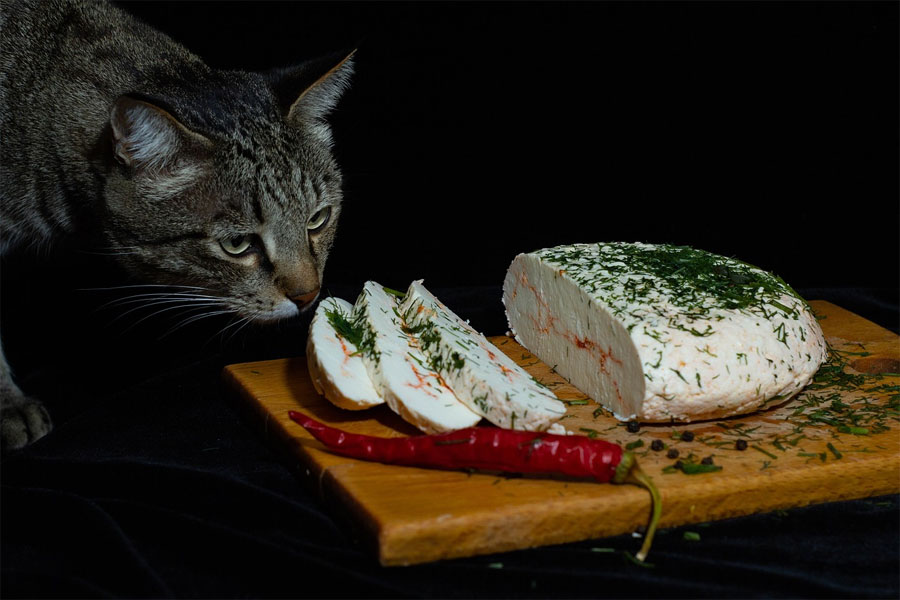
It is definitely not recommended to give cats natural products such as:
- sweet children's "curds" with vanilla and other fillings, and especially glazed ones;
- any very fatty types of hard cheese (more than 60%);
- smoked cheeses (pigtail, suluguni);
- varieties with mold, spices and other additives;
- soft salty cheeses (feta cheese, mozzarella);
- processed cheese;
- any varieties that contain preservatives, flavor enhancers, or colorings.
Veterinarian's advice
If you're still unsure whether cats can eat smoked cheese, fresh milk, or other fermented milk products, consult your veterinarian:
Read also:
- What to feed a Sphynx: the best food
- Fiber for cats: what foods contain it?
- What to feed a nursing cat


Add a comment