
Can a nursing cat be fed wet food?
Lactating cats require a balanced diet not only to provide their offspring with everything they need but also to avoid health problems. Owners have many questions about what to feed their nursing cat, what food to buy, and whether wet food is appropriate. Veterinarians have their own recommendations.
Pros and Cons
Pet owners can be divided into those who feed their pets store-bought food and those who prepare their own at home. The latter doesn't refer to dishes from the common table, as most of them are contraindicated for animals, but to specially prepared foods.
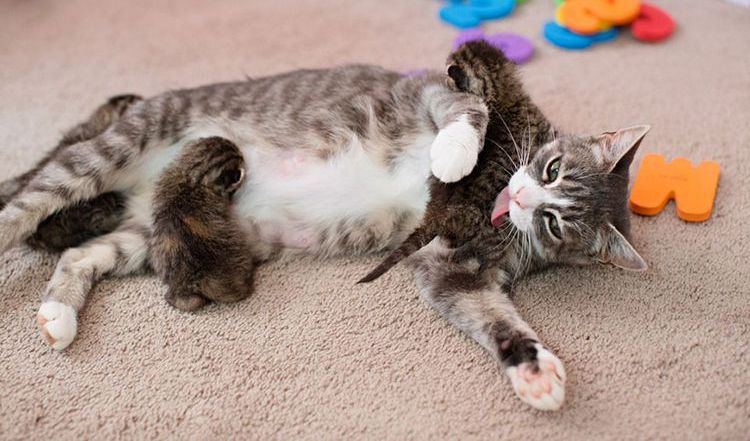
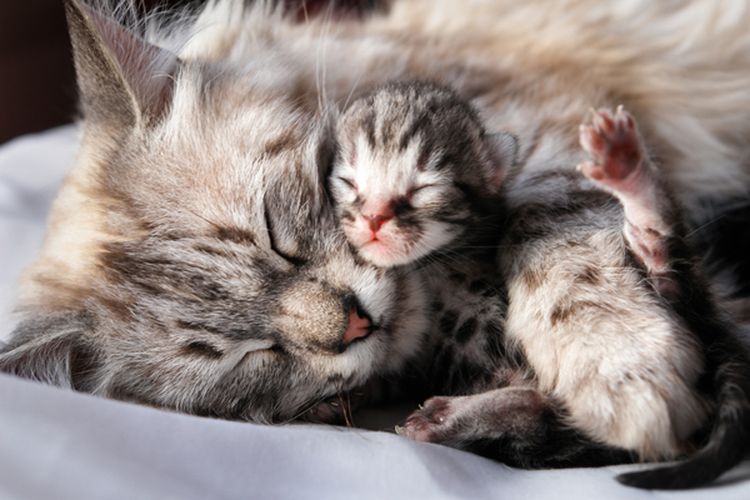
Calculating food portions should be based not only on the cat's size but also on the number of kittens she has. The increased calorie requirement continues until the cat is nursing her kittens, which is approximately two months.
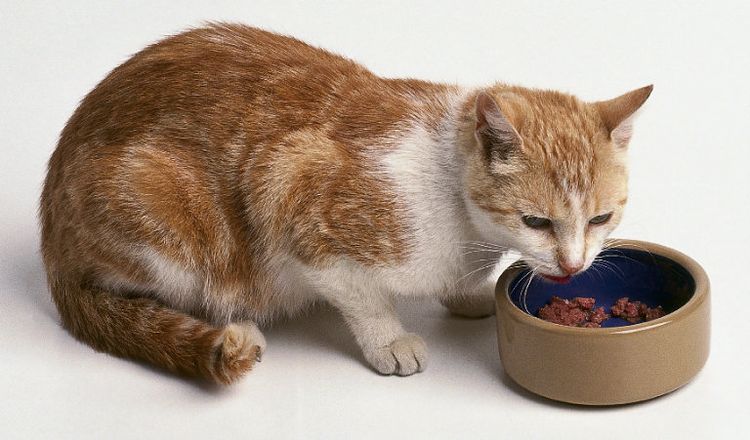
Stores today offer both dry and wet food. Dry food has many advantages – it keeps better, reduces tartar buildup, and is cheaper. However, veterinarians advise against feeding dry food to nursing cats, as it can provoke thirst.
In wet food Wet food has a much higher moisture content, so it stimulates milk production. It's also higher in calories and more nutritious, and is easier to digest. Finally, pets themselves eat it with greater pleasure. All this explains why it's the most preferred choice for lactating cats. Furthermore, wet food contains all the necessary macro- and micronutrients. However, this is only true for super-premium foods.
Avoid cheap food! These products contain a lot of chemicals that are dangerous for both adults and newborns. For the same reason, feeding your pet sausages, frankfurters, and smoked meats is contraindicated.
When choosing food, follow these rules:
- Make purchases only in trusted places.
- Purchase a product that is appropriate for your pet's age, weight, and energy requirements.
- Do not mix products from different companies.
- Do not add minerals and vitamins to prepared foods.
- Do not substitute cat food for dog food.
The correct diet for a nursing mother
During lactation, protein is essential, as it is the main building block of cells and tissues, and some of it is used for milk production. A deficiency in this nutrient leads to exhaustion and the development of rickets. High-protein foods include seafood, quail eggs, fermented milk products, organ meats, beef, chicken, oatmeal, buckwheat, and sprouted wheat. All of these foods should be included in the diet of a nursing pet. Meat broths are especially beneficial, but avoid adding spices.
A lactating cat also requires increased calcium intake. A deficiency can be replenished by introducing dairy and fermented milk products into the diet. However, keep in mind that raw milk need to give with extreme caution, as it has a strong laxative effect, and some veterinarians believe it's harmful to cats. It's not always possible to satisfy the body's calcium needs by revising the diet, so a specialist consultation is necessary, who can recommend special vitamin and mineral supplements for nursing mothers.
Cats drink a lot of fluids around the clock, so make sure water is always readily available. Just don't place it next to the food bowl to avoid food particles getting into the liquid. It's best to use filtered or settled water rather than boiled water, as regular consumption of boiled water can cause dental problems.
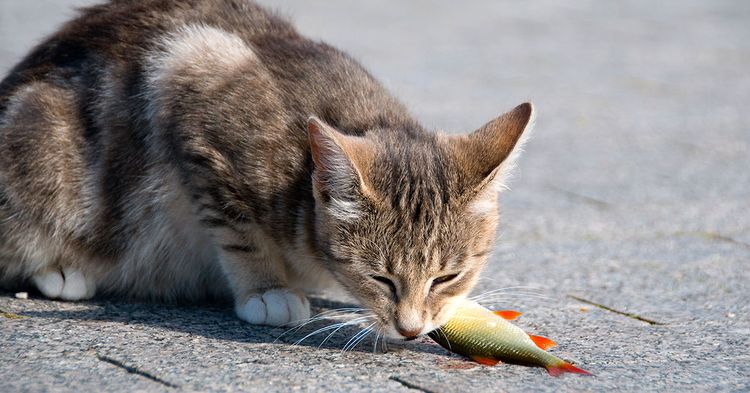
Finally, there is a whole list of foods that should never be given to a nursing cat. These include: chicken and fish bones, raw meat, sugar and sweets (especially chocolate), potatoes, legumes, salt, vitamins for people, river fish.
Menu for increasing lactation
Lack of milk is one of the causes of death in kittens. A caring owner can prevent this:
- Lactation is improved by a walnut infusion. To prepare it, place 10 shelled walnuts in a thermos, pour two glasses of hot milk over them, and let sit for 4 hours. After this time, add just a couple of spoons of sour cream to the mixture and wait until it turns into yogurt, which is then fed to your pet.
- Powdered nettle flowers can also stimulate milk production and be added to your cat's food. Oat grass, fennel, primrose, caraway, sweet clover, dandelion, carrot, and yarrow have a similar effect. Make decoctions and infusions using these herbs and feed them to your cat.
- A decoction of wild raspberry leaves can also be beneficial. It will not only increase lactation but also help fight parasites.
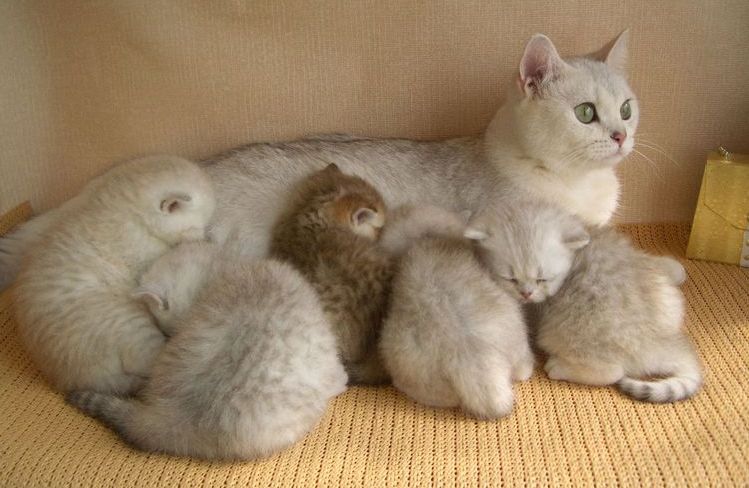
By following these tips, a nursing cat will not only be able to raise healthy offspring, but will also do so with minimal damage to her own health and minimal effort and stress on her owner.
Read also:
- The best cat food according to veterinarians
- Features of feeding cats with therapeutic food
- Canned cat food


Add a comment