
Can I feed my cat only dry food?
The place of prepared foods in a cat's diet often raises many questions for pet owners. Can I feed my cat only dry food? How do I do it correctly? Which brand is best? The answer to the first of these questions is clear: yes! Read below to learn about choosing food and the rules for feeding your pet prepared foods.
Content
Dry food as the only product in a cat's diet
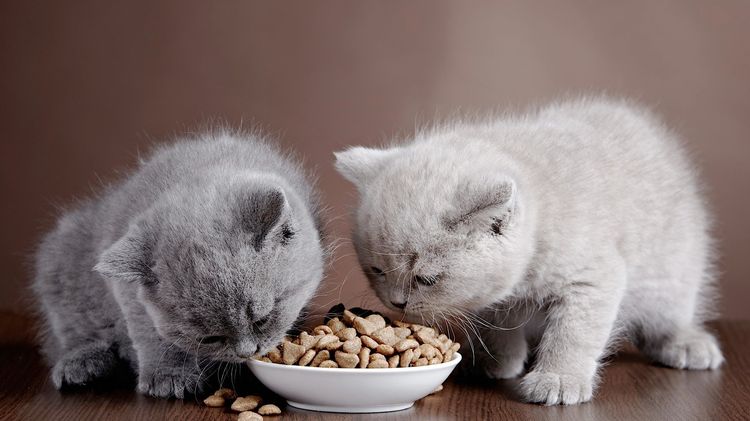
High-quality dry food contains everything a cat needs: proteins, fats, carbohydrates, vitamins—the list goes on and on. This product will provide your cat with proper, balanced nutrition. However, feeding your pet anything else is not only unnecessary, but even recommended, for the following reasons:
- It is difficult for a cat's digestive system to constantly switch from one type of food to another;
- The balance of substances necessary for the body may be disrupted, since the dry product already contains the required amount.
In practice, mixed feeding is used by many cat owners, and opinions on it are mixed. Veterinarians still recommend choosing one or the other: either high-quality dry food or natural nutrition (meat, vegetables, grains, vitamins).
Benefit or harm?
So, there's no need to doubt: feeding your cat only dry kibble is possible and even necessary. However, choosing a brand requires extreme caution. Poor-quality food will negatively impact your cat's health, with consequences that may manifest months or even years later.

Cheap foods contain ingredients that are harmful to cats, such as:
- flavorings;
- dyes;
- flavor and aroma enhancers;
- preservatives.
Products from unscrupulous manufacturers also contain excessive amounts of salt, sugar, spices, and starch, and, instead of real meat, they contain by-products and meat scraps. This mostly applies to economy-class pet foods, but is also found in brands positioning themselves as premium (read more about pet food classifications below).
Professional pet foods, when carefully selected, will ensure your pet's health and longevity. They contain the following beneficial ingredients:
- natural meat of a certain variety (beef, chicken, turkey, rabbit, etc.);
- complex of vitamins and minerals;
- amino acids;
- probiotics.
Moreover, all these components of good food are in the optimal ratio for the cat’s body.
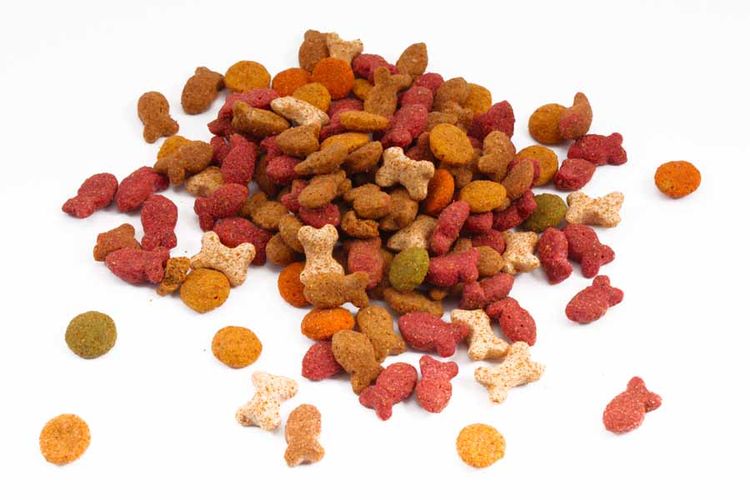
Professional dry food is significantly more expensive than advertised budget brands, but in reality, it saves the attentive owner money. It's hard to disagree when you consider the medication and veterinary costs associated with feeding a pet low-quality, cheap food.
In addition, due to its balance and higher energy value, a good product will last a cat longer.
How to choose food
To avoid making a mistake in your choice, it’s worth following a few simple recommendations:
- Take into account the characteristics of your pet. If you are the owner of an elderly, neutered cat, or, for example, a pregnant cat, you need to select the appropriate food.
- Study the composition. This is clear: before purchasing, read the manufacturer's information and the ingredient list. Be wary of an abundance of artificial additives and a lack of specificity in the ingredient list (for example, "meat and by-products"—it's unclear what exactly the manufacturer means).
- Read the reviews. It's worth noting that not all of these are accurate, but you can get a general idea. You can also discuss this or that food with your veterinarian.
- Observe your pet. After switching to a new food, closely monitor your cat. If there are no allergies, digestive upsets, or unusual behavior, everything is fine and the food is likely suitable.
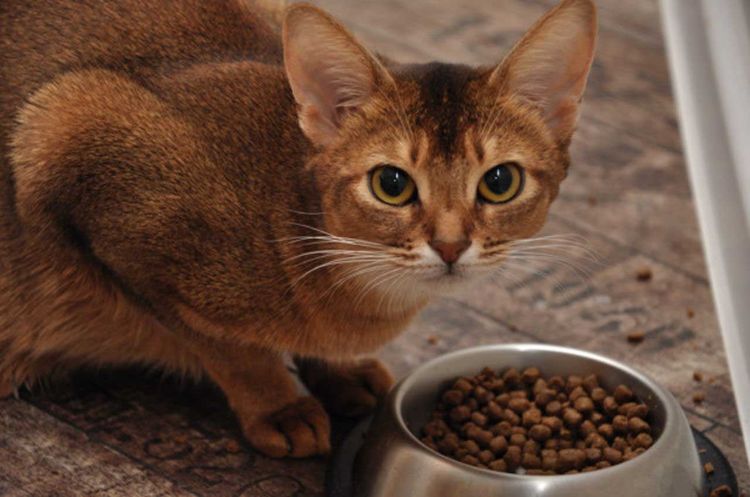
It is also worth familiarizing yourself with a brief classification of feeds according to their quality:
- Economy class. The most budget-friendly option for a cat's diet. Instead of meat, manufacturers use by-products, grains, and plant-based ingredients, which are difficult for cats to digest. It's strictly not recommended for long-term feeding.
- Premium class. These are average-quality foods that contain some meat, vitamins and minerals, but also contain artificial additives. They are relatively inexpensive and available in most stores.
- Super premium class. Perhaps the best option: the relatively high price is justified by the high-quality raw materials and the absence of artificial ingredients. They contain a high percentage of natural meat and all the necessary vitamin supplements.
- Holistic. These are really expensive foods, positioned as the best of the best.
Rules for feeding cats dry food
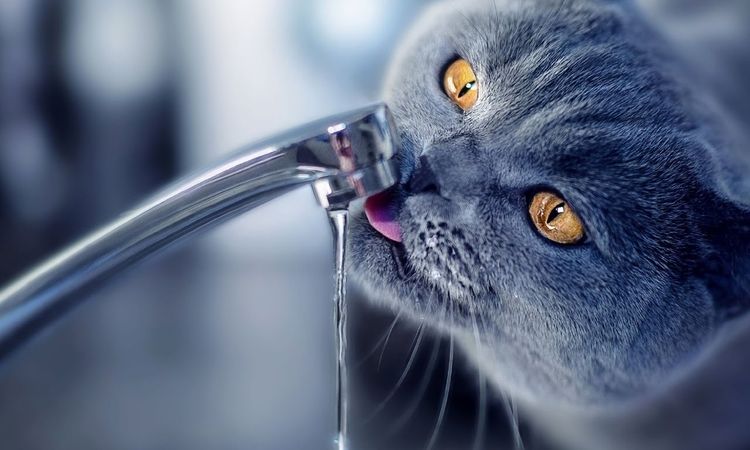
The most important thing to remember when transitioning your pet to an exclusively dry diet is water. Make sure your cat's bowl is always adequate, clean, and fresh.
In addition:
- There is no need to give your cat food from different manufacturers, and especially not to mix them in one bowl - each variety has its own characteristics associated with digestion;
- A similar remark applies to natural food - it also cannot be mixed with prepared food;
- You can change the brand of food, but not often - if there are no problems with the old food, it is better to stick to it;
- It wouldn't hurt to have your cat examined and have a blood test every 6 months – this will show how suitable the food is for your pet.
Read also:


1 comment
Igor
Dry and wet cat and dog food is a mixture of genetically modified soy and a "young chemist's kit." It's best to learn how to feed the predators these animals are at a reputable zoo. Artificial food can cause nothing but cancer in pets.
Add a comment