
Can you give aspirin to a dog?
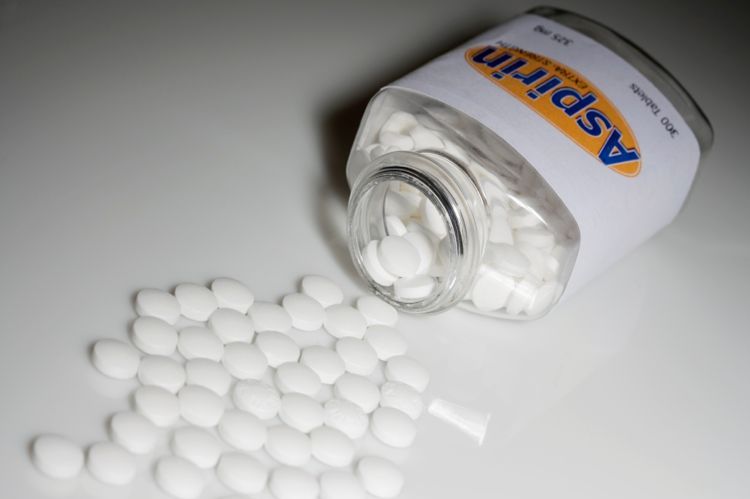
Aspirin (acetylsalicylic acid, Acidum acetylsalicylicum) is a nonsteroidal anti-inflammatory drug, one of the most well-known representatives of the pharmacological group of analgesics and antipyretics. In veterinary medicine, it is used as an anti-inflammatory, antipyretic, and pain reliever. Every dog owner should have this medication in their home medicine cabinet and know when to use it.

Content
Indications, contraindications
Acetylsalicylic acid can be prescribed to a dog:
- when body temperature rises to 41°C and higher due to overheating of the animal;
- in infectious diseases accompanied by a fever;
- for moderate pain caused by injury;
- for inflammatory diseases of the joints (arthrosis, arthritis).
It is not allowed to use aspirin to treat a dog if it has liver or kidney pathologies, or concomitant gastrointestinal diseases (gastritis, colitis, enterocolitis), as well as for certain cardiovascular diseases. Contraindications to taking this drug also include:
- Pregnancy (aspirin may cause bleeding or premature labor in a bitch)
- Lactation period (the drug can enter the puppies’ body with mother’s milk).
- The dog is less than 6 months old (at this age, the body does not yet produce the enzymes necessary to remove aspirin metabolism products).

Please note: There are dog breeds that have a very poor tolerance for analgesic and antipyretic medications, including aspirin. collie, Sheltie, Alabai, bobtail, heeler, and other herding breeds. Aspirin is not usually prescribed to these dogs.
Dosage and administration instructions
Aspirin is available in tablets containing 100 or 500 mg of the active ingredient, with starch and cellulose as excipients. The maximum daily dose for dogs weighing 20 kg or more is 1.5 g. The standard dose is half a 500 mg tablet. For small dogs, the dosage is calculated individually and is typically 5-10 mg/kg of body weight.
Aspirin is given to dogs after meals due to its irritating effect on the gastric mucosa. The generally accepted regimen for aspirin use is twice daily. For preventative purposes (for example, for cardiovascular pathologies), the drug may be prescribed in small doses every other day. Aspirin is not prescribed as a local anesthetic (for example, for toothache), as it can cause mucosal burns.
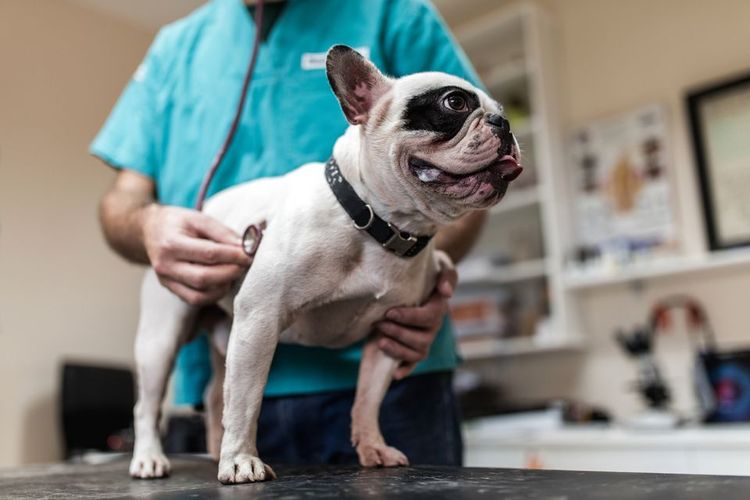
Important! A veterinarian should prescribe aspirin for your dog and calculate its dosage. Doing so yourself is dangerous, as it can cause serious side effects, including life-threatening ones.
Side effects
Side effects of acetylsalicylic acid can occur not only with overdose but also with proper adherence to the instructions for use. This drug is far from harmless; it can disrupt blood clotting, cause kidney failure, allergic reactions, erosions of the gastric and intestinal mucosa, and even internal bleeding.
Therefore, after giving your dog aspirin, monitor their condition. If they vomit, have dark-colored stools, pale gums, or exhibit other behavioral or health changes (anxiety, restlessness, labored or rapid breathing, seizures), discontinue the aspirin and contact your veterinarian immediately for further instructions.
Special instructions! Acetylsalicylic acid can interfere with the effects of other medications. Therefore, it is not prescribed in combination with sulfonamides. painkillers, as well as Tetracycline, Furosemide, Ketoprofen, Methotrexate, Digoxin, Heparin.
Analogues
If aspirin is undesirable for dogs due to side effects or contraindications, depending on the specific condition, your veterinarian may prescribe other medications that have a similar effect to aspirin. Aspirin analogs include:
- nonsteroidal anti-inflammatory drugs Ketonil, Ketoprof, Ketofen, Rimadyl;
- hepatoprotector Remaxol;
- chondroprotector Arthra.
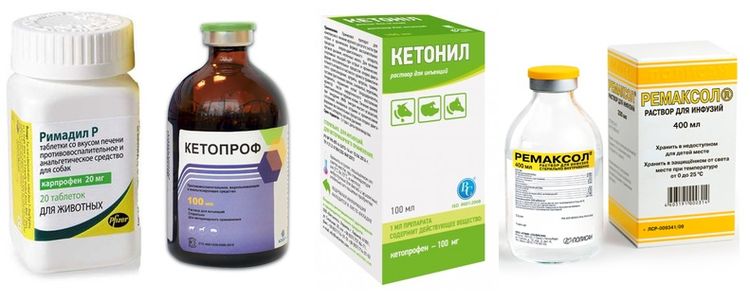
Compared to aspirin, these medications are considered gentler and less likely to cause complications. When taking these medications, the risk of active substance accumulation in the body and the likelihood of developing an allergic reaction is lower, which is especially important if the course of treatment is longer than 5 days. In any case, a veterinarian should assess the situation objectively, select the safest medication, and calculate its dosage.
Read also:


Add a comment