
Can you feed bones to a dog?
If you ask dog owners whether they feed their dogs bones, 8 out of 10 will answer yes. Of course, bones are a popular dog treat. And there's no other affordable dog treat. But is it okay to do so? According to veterinarians, if the number of dog owners who feed their four-legged friends bones decreased, their workload would also decrease. They would perform fewer bowel resections and treat fewer constipation, throat injuries and serious food poisoning were diagnosed...
So, why shouldn't dogs be fed bones, and what are the dangers of such a diet? Let's find out.
Content
Why do dogs like bones?
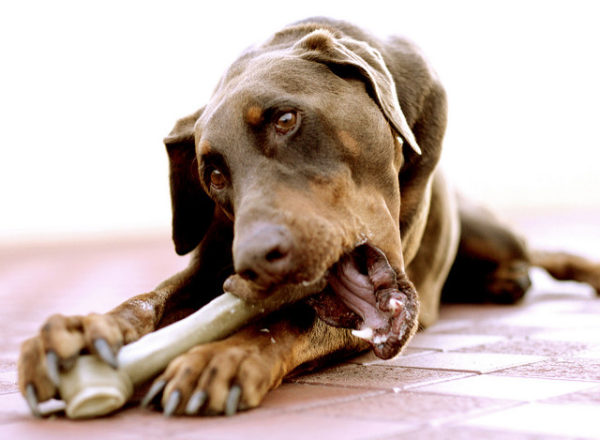
Why do dogs chew bones? It's in their nature. It's a way for them to fulfill their natural instincts and also to remove tartar from their teeth. They'll often spend hours with a bone, even burying it somewhere in the yard, only to dig it up later and continue playing.
In a dog's mind, a bone is a toy, a treat, a way to brighten up leisure time while the owner is busy with more important things, and a preventative measure against the deposition of soft plaque on its teeth.
If we asked dogs if they could eat bones, they'd probably say yes. It's precisely because dogs intuitively prefer bones that most owners fearlessly include them in their diet. And that's a big mistake.
Why can't you give your dog bones?
Is it okay to give bones to dogs? After you read about why you shouldn't, you'll know the answer for yourself.
Lack of nutrients in the bones
Let's remember what bones are made of. They contain minerals in quantities that have minimal nutritional value. Therefore, they certainly won't replace your pet's vitamin supplements or even calcium. A dog's stomach can certainly handle bone fragments and digest them within a few hours, but the animal's body will gain no nutritional value from this bone mass.
Because it originally contained neither vitamins nor any valuable minerals, it's far more effective to replenish calcium with special vitamin complexes designed for dogs.
Find out on our website also about what bones can and cannot be given to dogs.
Harmful effects on tooth enamel
Constantly feeding your dog bones will negatively impact their dental health. Dogs are not rodents, and nature didn't intend for them to wear down their fangs throughout their lives. However, trying to chew on hard bones increases the risk of damaging tooth enamel and wearing down teeth.
It is believed that one of the reasons why wild canids have a short lifespan is their diet, which contains a lot of prey bones.
Nature didn't provide for permanent teeth to be replaced, and diet determines how long they last. Dogs that eat bones from puppyhood often end up with worn-down stumps and broken fangs if they reach 5-7 years of age. Consider whether you really need this. A visit to the canine dentist is an expensive procedure, and there's currently no technology available for dental prosthetics for animals.
Possible gastrointestinal injuries and digestive problems
Bone fragments can injure the mucous membranes of the gastrointestinal tract and throat. Bone fragments themselves can also cause intestinal obstruction and constipation (a common occurrence in dogs that have eaten too many bones).
Why can't you give bird bones?
A separate topic of discussion is the consequences of feeding poultry bones to dogs. Although they are softer, a fragment of a chicken bone can easily puncture a dog's stomach. Such a chicken-and-bone meal can have very serious, even fatal, consequences.
Reasons
Another reason you shouldn't give birds bird bones is because, remember, birds have a higher body temperature. This means that many dangerous and harmful microbes aren't harmful to them, but instead act as passive carriers. These harmful microbes often prefer bone tissue, especially paw bones, rather than soft tissue. These are the bones most often purchased by dog owners to reward their pets for completing a command or as a treat after a walk.
What if you boil it well?
Even boiling chicken feet and serving them with broth won't solve the problem. The microbes will be killed, but the toxins will remain. After consuming chicken feet soup, your dog could develop a toxic infection caused by the toxins in the bones. For a strong and healthy dog, a toxic infection might not be serious—it will likely only cause mild discomfort, vomiting, or an upset stomach. However, if a puppy or a female dog about to give birth eats such a treat, serious consequences cannot be avoided.
A detailed study of the question "Can you feed a dog poultry bones?" leads us to the conclusion that this is not a good idea if we care about our four-legged pet's health and are concerned about it.
What can replace bones in a dog's diet?
However, there are bones that can be given to dogs without any health concerns. These include gelatin bones or bone-shaped products made from smoked pig's ear. They won't harm your pet's health, but your dog will be over the moon with the opportunity to gnaw on a safe bone. While they're busy—the time depends on the size of the bone—you can go about your business.
So, now that you know what kind of bone you can give to your dog, be sure to buy a similar treat to pamper your pet and entertain him (before eating a bone, dogs usually play with it, pretending to be “real predators”).
And in order to get rid of soft plaque on the dog's teeth, which over time can develop into tartarYou can buy bone toys for your dog, made of rubber or silicone. Pet stores offer a wide selection. This way, by protecting your dog from the dangers of bones in their diet, you'll reward them with all the possible pleasures and benefits of eating bones.
Read also:
- How to brush your dog's teeth at home
- What human food can and cannot dogs eat?
- What bones can and cannot be given to dogs?


Add a comment