
Can you take a dog into bed?
Whether a dog should sleep with its owner is a question that has sparked much debate for many years. Dog lovers are clearly divided into two groups: those who allow their pets into their own beds and those who believe dogs should sleep on their own mats. Both groups are adamant in their opinions, offering arguments they consider compelling, but their opponents dismiss them as such. Let's examine these arguments from a neutral perspective.
The benefits of co-sleeping with a dog
Pets have shared their owners' beds for centuries. The ancient Greek geographer and historian Arrian wrote: "For hunting dogs, there is no more comfortable place than their master's bed; they derive pleasure from physical contact with humans and become devoted and affectionate." Today, according to a survey conducted in America, 70% of dogs sleep in their owner's bed.
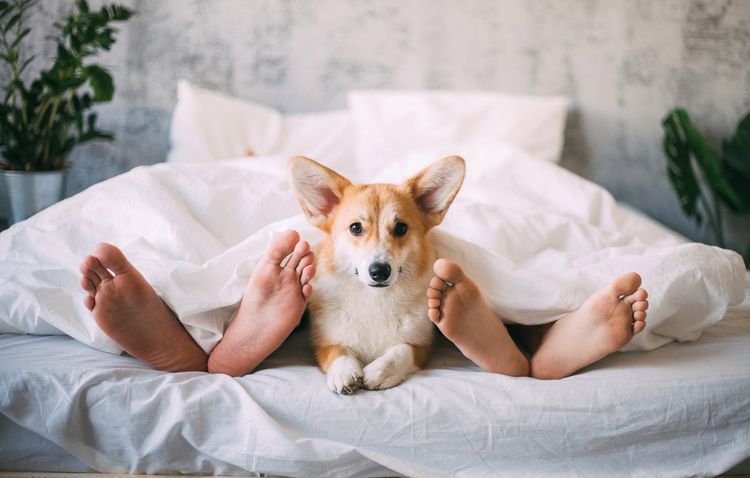
Among the advantages of having a pet in the same bed with family members, many dog owners note:
- The pleasant, relaxing sensation of being close to a loved one's warm body. The sense of calm and tension relief that comes with this is a response our brains produce. Touching pets increases levels of oxytocin, known as the "hormone of trust and affection."
- The ability to monitor your pet. An owner who truly loves their pet is happy to feel its constant presence. If the dog is sick, its condition is much easier to monitor at night when the pet is nearby.
- Most dogs love sleep with the owner, considering this evidence of their own high status.
- The ability to protect a pet from loneliness. This need for constant closeness to its owner is especially evident in puppies.
Cons
Among the opponents of human-canine co-sleeping are eminent scientists. American veterinary professor Bruno Chomel writes that dogs should never be allowed into a bed, as there are a number of diseases common to humans and dogs that are very easy to contract.

Dog owners cite the following reasons why a dog should not sleep with its owner:
- Unhygienic. Dog hair will inevitably remain on pillows, blankets, and sheets. Allergy sufferers and asthmatics are particularly vulnerable to this; sleeping with dogs is strictly prohibited for them.
- There is a risk of accidentally crushing your pet in your sleep, especially if it is a small breed.
- If the dog is a large breed, it takes up so much space in bed that the owner is forced to squeeze to the edge of the bed, adopting unnatural positions. In fact, even small dogs can sprawl out, taking up almost the entire bed.
- Some four-legged "bedmates" unceremoniously push each other in their sleep, snore loudly, as a result, the owner is unable to get enough sleep.
- If the dog is female, heat can be an obstacle to shared sleep. The pet is unlikely to understand why the owner occasionally chases her away from her usual bed, which can create psychological problems for the animal.
Helpful tips
Each owner decides for themselves whether to allow animals into their bed. If you believe your pet can sleep on your bed, ensure the comfort and safety of their shared space.
For dogs with access to the bedroom, the following are required:
- Strict hygiene rules are essential. Your pet should be bathed regularly using special cleaning products. Washing their paws and face is essential after every walk, even if your dog isn't a fan of picking up dirt from the ground or rolling in dust or puddles.
- Regular thorough brushing of the coat with a slicker brush, furminator or trimmer.
- Up-to-date vaccinations, deworming, and acaricide treatments are essential. Dogs without a veterinary and sanitary passport are not permitted to be transported, imported or exported abroad, or registered for shows. Sharing a bed is an equally important reason to have one.
- Maintaining a routine checkup schedule. Regular veterinary visits ensure your dog doesn't transmit any zoonotic diseases.

If you've decided your pet doesn't belong in your bedroom, instill this "taboo" in them from puppyhood. The habit of climbing on their owner's bed develops quickly, and breaking a dog of the habit is very difficult. Dog owners know that once you allow a dog to do this, they'll stubbornly defend their right to share the bed. For your pet's "bedroom" to be comfortable, it should be spacious, soft, and located away from passageways and drafts.
Read also:
- What is the significance of a dog's tail?
- Why does a dog lick its owner?
- How dogs helped people during the war


Add a comment