
Can a dog become infected with rotavirus from a human?
Rotavirus in dogs is a common infection, particularly dangerous for puppies, as well as older and weakened animals. Knowing that a similar disease also occurs in humans, many owners wonder whether dogs can become infected with rotavirus from humans (and vice versa). In this article, we'll explore the routes of rotavirus infection in detail, explain how to diagnose and treat rotavirus in dogs, and what can be done to prevent infection in pets.
Content
Rotavirus in dogs
Rotavirus enteritis (rotavirus enteritis) – an acute inflammatory disease caused by viruses of the Rotoviridae family, which, when they enter the body, affect the intestinal mucosa, which causes characteristic symptoms.
According to disease classification, rotavirus itself is not considered a life-threatening infection. The danger typically comes from dehydration, which develops rapidly with vomiting and diarrhea, as well as secondary infections, which often occur with rotavirus.
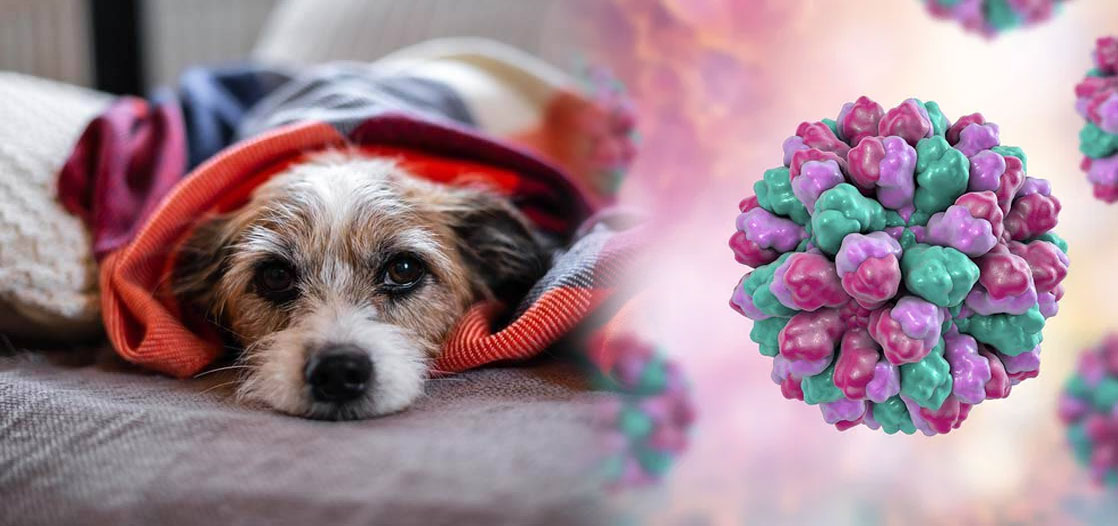
Most often, rotavirus infection develops in an acute form in dogs in the first year of life, as well as in animals with weakened immunity - elderly, suffering from chronic diseases, having suffered a serious illness, being under prolonged stress, kept in inappropriate conditions.
Adult dogs also sometimes get rotavirus, but in animals with strong immune systems, the symptoms are not as pronounced (the disease can be asymptomatic) and rarely progress to a severe course.
Routes of infection (is it transmitted to humans)
To understand whether a dog can become infected with rotavirus from a human, it is necessary to understand the nature of the pathogen and how it is transmitted.
There are different Rotaviridae viruses, some of which are species-specific. The most common are group A rotaviruses, which can infect not only dogs and cats but also many other mammals, including humans. Furthermore, scientists have found that this virus is prone to spontaneous mutations, resulting in the emergence of new forms capable of being transmitted to other animals, humans, and even insects.

That's why, if you've ever wondered whether a dog can become infected with rotavirus from a human, your concerns are not unfounded. Yes, a person infected with rotavirus and releasing the pathogen into the environment poses a direct danger to dogs living in the household.
Also, a dog diagnosed with rotavirus should be isolated from other family members (especially small children), since contact with the animal during the acute phase is potentially dangerous and carries a high risk of transmitting the infection.
Rotavirus is transmitted from humans to dogs, dogs to humans, or animals to animals through the fecal-oral route. The pathogen is excreted in feces and can be transferred to toys and other objects by the animal itself (for example, through grooming) or by a person caring for an infected dog without proper hygiene.
Important! The virus can survive outside the host's body for quite a long time. Scientists have found that Rotaviridae survive even at sub-zero temperatures. Therefore, if an animal dies from rotavirus infection, it is not recommended to immediately bring home a new puppy.
Symptoms of rotavirus
The incubation period for rotavirus-induced enteritis ranges from 1 to 5 days.
The first symptoms are usually gastrointestinal disturbances, as the microorganism attacks the intestinal mucosa. As in humans, dogs experience:
- lack of appetite (or refusal to eat);
- nausea, vomiting;
- diarrhea with mucus impurities;
- abdominal pain;
- weakness, lethargy, fatigue;
- discharge from the nose and eyes;
- an increase in temperature (the first sign that a puppy may be having a hard time coping with an infection is a jump in temperature to 41°).
At home, owners can't always assess whether their dog's condition is dangerous or whether the symptoms are caused by poisoning or viral enteritis. Owners sometimes ignore the initial signs of illness, especially if there's no fever and the gastrointestinal upset isn't severe, and only seek veterinary attention when complications arise and emergency care is needed.

The danger of rotavirus enteritis is that if left untreated, the animal's body may not be able to fight the infection on its own. Dangerous complications include:
- Dehydration occurring against the background of severe diarrhea and persistent vomiting.
- The addition of a bacterial infection, which significantly complicates the dog’s condition and makes treatment more difficult.
- Complications in the heart (rotavirus can lead to the development of myocarditis).
- Pain shock (with significant damage to the intestinal mucosa).
- Latent carriage (a dog can remain a carrier of the virus for a long time, posing a danger to other animals and children).
Diagnostics
To determine whether dogs are suffering from rotavirus or whether gastrointestinal problems are caused by other factors, it is necessary to conduct an examination of the animal.
A PCR test, which requires a veterinarian to scrape material from the rectal mucosa, allows the detection of the Rotoviridae pathogen in an animal's body.
A comprehensive diagnosis for suspected rotavirus infection also includes a blood biochemistry test, stool analysis, and abdominal ultrasound. The purpose of additional screening is:
- assess the general condition of the body;
- determine the condition of internal organs;
- exclude other dangerous infections that cause similar symptoms (parvovirus enteritis, coronavirus infection, parasitic infection, etc.).
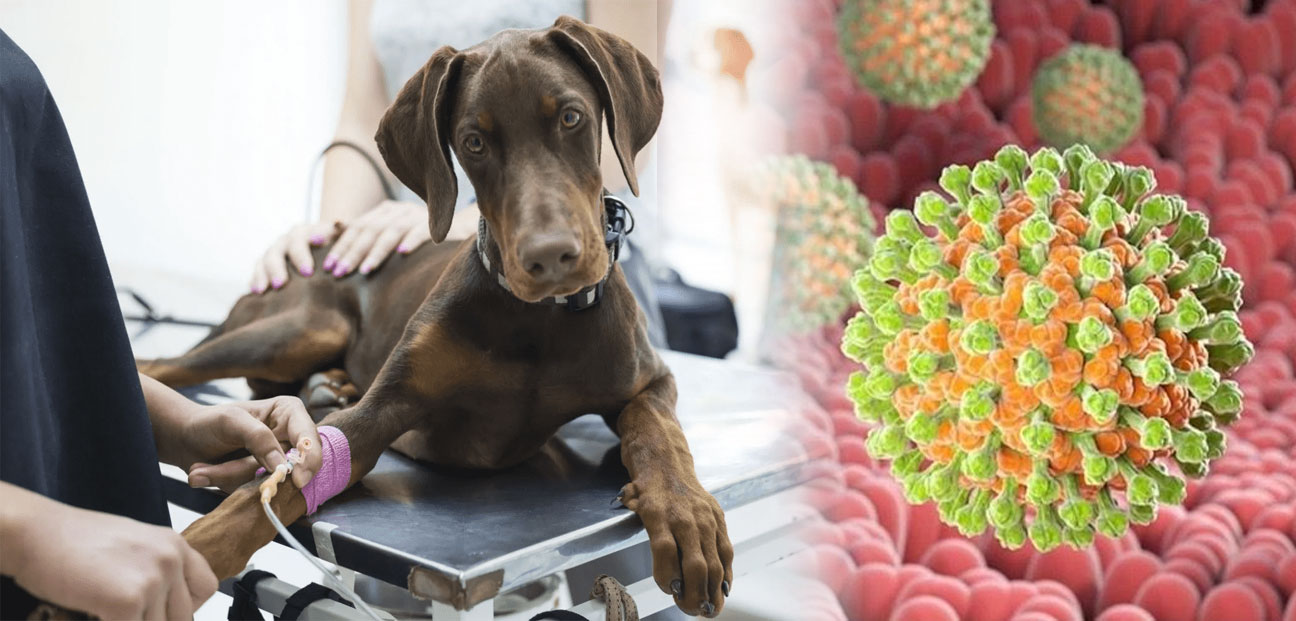
Treatment of rotavirus
As a rule, if a proper examination has been carried out and the correct treatment has been prescribed, rotavirus in dogs disappears within 7-10 days, and acute symptoms disappear within the first few days.
There is no specific treatment for Rotoviridae, so during the period of intense fighting of the animal's body against the virus, medications are prescribed to relieve the main symptoms and alleviate the dog's condition:
- IV drips to restore electrolyte balance;
- antipyretics (including nonsteroidal anti-inflammatory drugs);
- antiemetic drugs;
- sorbents to stop diarrhea;
- painkillers (if necessary);
- antibiotics (only in complicated cases, if a bacterial infection joins the viral infection!)
A therapeutic diet is an important part of treatment. If the dog refuses to eat or drink on its own (which often happens with complicated cases of the disease in puppies), tube feeding must be promptly initiated. Refusing food is especially dangerous in small breed dogs, as there is an increased risk of hypoglycemia, which can further worsen the animal's condition.
Important! Large pets must be isolated from other animals and people. When caring for a dog with rotavirus, to avoid infection and spreading the virus to other family members, it's important to follow basic hygiene rules: disinfect all dog grooming items (including bowls and the dog's fur), wear gloves when handling the dog, and wash your hands thoroughly with soap and water and use hand sanitizer.
Prevention
The primary prevention of infectious diseases in dogs is vaccination! The vaccine provides long-term immunity against rotavirus infection. Even if a vaccinated animal becomes ill due to a severely weakened immune system, the illness will be mild or asymptomatic.
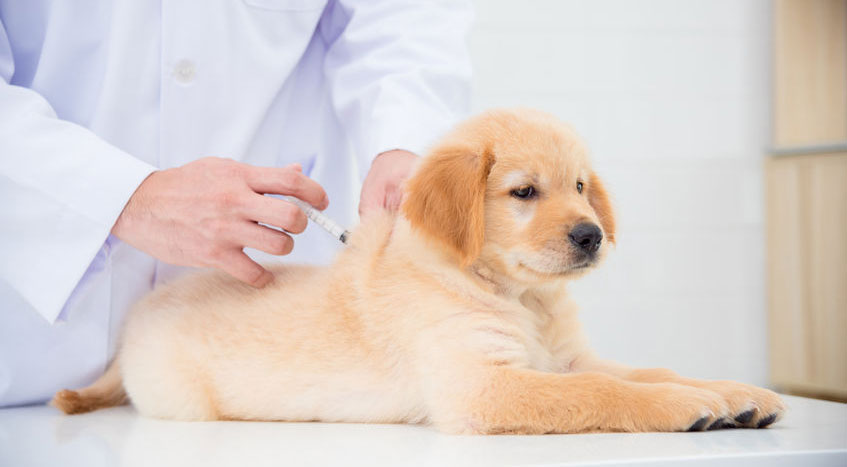
Also, to prevent rotavirus in puppies, it is recommended:
- observe quarantine and avoid contact with strangers (especially children) and animals;
- Isolate the puppy from the child with symptoms of rotavirus infection;
- Do not allow puppies near the places where you store shoes that you wear outside (it is on shoes that you can bring pathogens into the house).
Veterinarian's advice
For more information about rotavirus enteritis, watch this video:
Read also:
- Campylobacteriosis in dogs: symptoms and treatment
- Ehrlichiosis in dogs: symptoms and treatment
- Toxoplasmosis in dogs: symptoms and treatment


Add a comment