
Can a dog catch a cold from a person?
Chances are, everyone who has a pet has at some point wondered whether a dog can catch a cold, flu, or other illness from a human. In this article, we'll examine in detail the mechanisms behind the illnesses that people often group together under the general term "cold," and explain the differences between zoonotic and species-specific infections.
Content
Do dogs get colds?
In medical and veterinary terminology, there is no such disease as a “cold”.
Most often, this collective term includes acute inflammatory diseases of the respiratory organs, accompanied by characteristic symptoms such as:
- rhinitis (runny nose);
- sneezing;
- sore throat;
- lacrimation;
- cough (dry or with sputum);
- increase in body temperature;
- vomiting and diarrhea;
- loss of appetite;
- weakness and general depression.

In fact, both humans and animals can catch a cold as a result of severe hypothermia, which leads to a sharp decline in immunity and the active growth of viral or bacterial flora, which causes various respiratory illnesses. Other factors, such as chronic illnesses, prolonged stress, poor nutrition, and poor living conditions, can also lead to a weakened immune system. Puppies, whose immune systems are not yet sufficiently developed (especially before completing their primary vaccination cycle), are also at risk.
An infection that causes cold symptoms
Now you know that animals, like people, get colds, and that inflammatory diseases of the upper and lower respiratory tract are also caused not by frosty air or cold water, but by protozoa, viruses, or bacteria that penetrate the body's tissues and cause inflammation, triggering one or another of the symptoms familiar to everyone.
But to answer the question of whether a dog can catch a cold from a person (and vice versa, whether a pet can infect its owner), it is necessary to learn a little more about the infections that cause symptoms characteristic of ARVI.
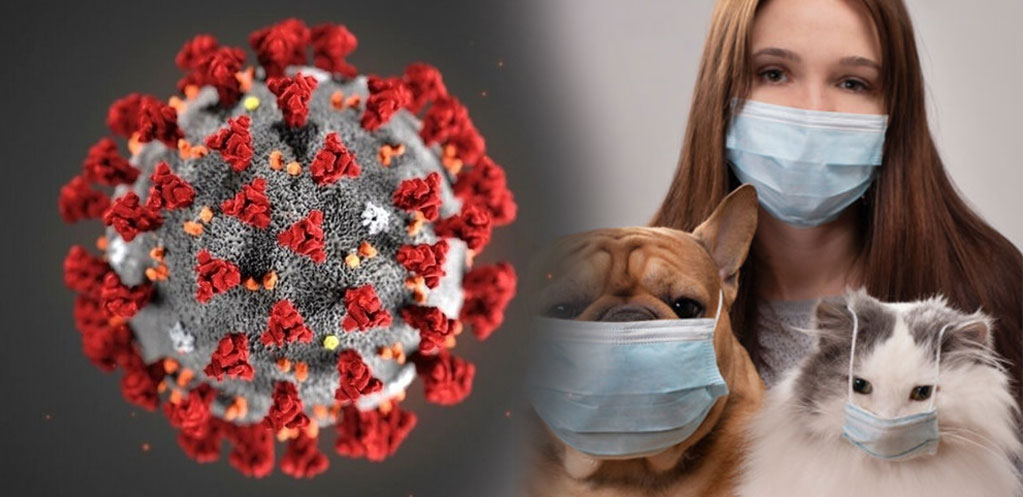
Scientists divide all pathogens circulating in animal and human populations into two large groups:
- Species-typical – infections that circulate within the population of a specific animal species and do not affect other species. These pathogens constitute the majority, so the infection is most often transmitted not only from dogs to humans, but also from dogs to cats, rabbits, parrots, or other pets.
- Zoonotic – infections that can be transmitted from animals to humans and vice versa. However, zoonotic diseases that are transmitted by airborne droplets are extremely rare. Humans are not typical hosts for such infections, and even direct contact with the virus does not always cause disease.
Species-typical infections in dogs
In most cases, the answer to the question of whether a person can directly infect a dog with a cold if they themselves are sick with a cold, flu, chickenpox, hepatitis, herpes, or even HIV or AIDS is obvious. Even if a sick owner, contagious to others, remains in close contact with their pet for an extended period, the dog will not become ill, since the pathogens that cause these infections are species-typical viruses, capable of reproducing exclusively in the human body.
Please note that dogs can develop diseases whose names sound similar to those found in humans, but the pathogens themselves are different. This is why canine flu, herpes, and hepatitis are not contagious to humans. It's simple: the canine pathogen is unable to penetrate human cells.
However, among canine species-specific infections, there are many very dangerous ones, capable of even leading to death if the animal does not receive veterinary care. Species-specific infections in dogs include:
- Canine plague (distemper);
- Parvovirus enteritis;
- Adenoviral hepatitis;
- Coronavirus (not to be confused with Covid in people);
- Bordetella bronchiseptica;
- Canine herpes;
- Pneumovirus;
- Canine parainfluenza;
- Reovirus;
- Mycoplasmas and many others.
However, if we consider the question of whether a dog can become infected with a species-specific infection from a human in a broader sense, the answer is not so definitive. Many diseases are transmitted not only through direct contact with a sick animal. Many viruses that infect dogs can survive outside the host's body for very long periods of time, maintaining a high potential for disease development. This means that a person can bring viral particles into the home on clothing or shoes, which can lead to infection even for a pet that is never taken outside or has no contact with other animals.
This is why it is necessary to exercise special caution if there are unvaccinated puppies or a dog in post-vaccination quarantine in the house.
Zoonotic infections in dogs
So, we've established whether dogs can catch the flu from humans, and we know that caring for or playing with your pet while sick is completely safe. However, this rule doesn't apply to all illnesses, as there are a number of pathogens that are common to both dogs and humans.
Such zoonotic infections include:
- Rabies virus;
- Anthrax;
- Staphylococcus;
- Toxoplasmosis;
- Leptospirosis;
- Fungal infections (in particular, ringworm);
- Parasitic infections – subcutaneous mites, helminths and other parasites.
If your pet is diagnosed with a zoonotic disease, your doctor will provide clear recommendations on how to protect people living in the same home as the sick animal from infection.
General recommendations include:
- isolation of a sick pet during the treatment period (depending on the diagnosis, this may be simply a separate room or a cage of a certain size with restricted movement);
- use of gloves when performing medical procedures;
- regular cleaning with the use of disinfectants (taking into account the specifics of the diagnosis);
- treatment of all dog care items, bowls, toys, clothing, places and other things;
- compliance with personal hygiene rules.
It is also worth considering that not only a dog suffering from a zoonotic disease poses a danger to humans, but also a person (or cat) with scabies, lichen or rabies, pose a real danger to dogs living nearby.
What to do if your dog shows signs of a cold
If you notice your pet has a runny nose, discharge from the eyes, a cough, or other symptoms that people often associate with acute respiratory viral infections, don't waste time wondering whether your dog can catch a cold from a human or self-medicate.
In animals, symptoms of respiratory disease are a compelling reason to take your pet to the veterinarian as soon as possible, as dangerous infectious diseases can develop rapidly, and the condition can deteriorate to a critical level in a matter of hours.
In most cases, the prognosis depends on the stage at which the diagnosis is made and comprehensive treatment is initiated. It is also crucial to correctly identify the causative agent in order to select the most effective medication. Therefore, it is not advisable to treat your dog on your own before a diagnosis is made or to attempt to treat a "cold" with folk remedies.
Veterinarian's advice
Read also:
- Overbite and underbite in dogs
- Umbilical Hernia in Dogs: Causes and Treatment
- Gingivitis in Dogs: Causes and Treatment


Add a comment