
Can a neutered male cat mate with a female cat?
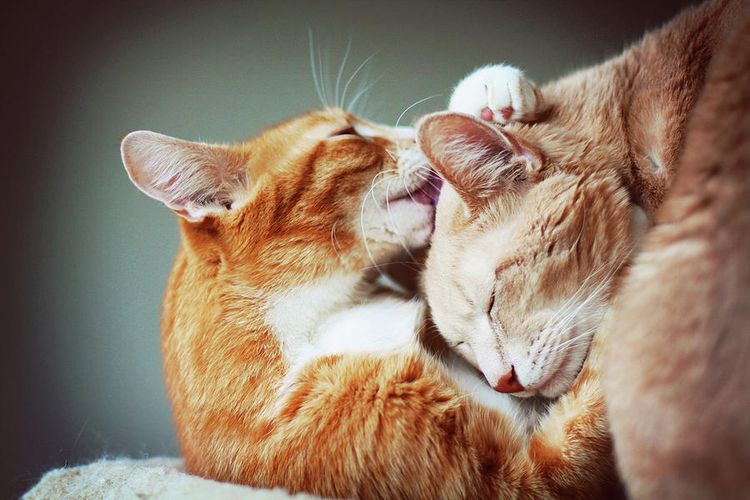
Spaying and neutering domestic cats is performed to suppress their sexual instincts and prevent them from producing offspring. However, in some cases, a neutered male cat may retain sexual desire and even mate with a female cat. In this situation, the pet owner will have to be patient and wait until the animal's sexual activity ends.
Content
Causes of sexual desire after castration
Neutering is one of the most common surgical procedures performed on indoor cats. In today's apartment-dwelling environment, a sexually mature male cat can cause significant discomfort to its owner. During mating season, when cats are out and about, they can become aggressive, damaging furniture, flooring, or wall coverings, and marking their territory. The unsatisfied sexual instincts, which they cannot control, can also be extremely stressful for the cat.
The most humane solution in this situation is to neuter the cat. This procedure involves surgically removing the testicles, which are located in the scrotum. As a result, the level of sex hormones (specifically, testosterone) in the body drops, and the pet loses sexual desire. This can lead to unpleasant consequences.
The most optimal age for castration of a cat is the period from 7 to 9 months, when the body is already fully formed, but sexual activity has not yet occurred.
However, a neutered male cat may still want to or may climb on female cats, and in some cases, he may even become playful and even more aggressive toward female cats. Why does this happen? There may be several possible causes:
- high concentration of androgens (male sex hormones) in the cat's body before surgery, which may delay the expected effect;
- excessive synthesis of androgens by the adrenal glands;
- presence of sexual intercourse before the operation;
- cryptorchidism and associated poor performance of surgical manipulation.
Read also about: When is the best time to neuter a cat? on our website.
After testicular removal in an adult cat, high levels of male sex hormones may persist in his body for a period of time, triggering sexual desire. Androgen levels will gradually decline, which may take somewhat longer than expected.
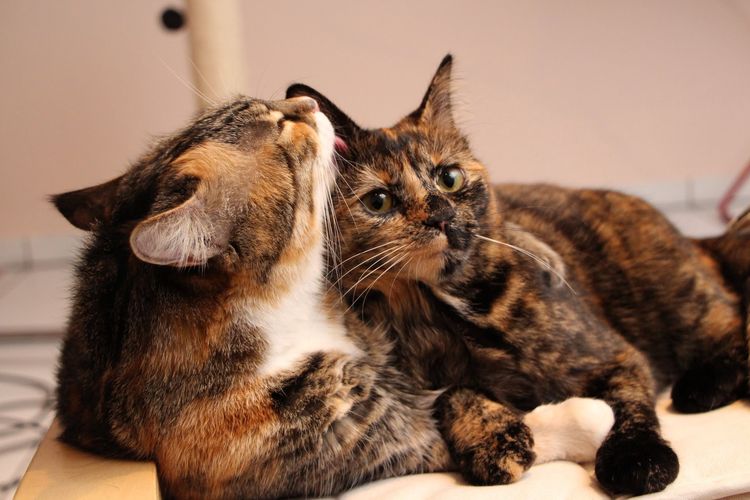
In cases of adrenal hyperactivity, you should consult a veterinarian for further consultation. The veterinarian will assess your pet's health, determine any underlying pathology, and prescribe appropriate treatment.
If a male cat has previously mated with females, these memories may linger and trigger his instincts. This condition is considered physiological and does not require medical intervention.
At the presence of cryptorchidism A poorly performed castration can be the result of a veterinarian's inexperience or carelessness. Cryptorchidism is a congenital condition in which one or both testicles fail to descend into the scrotum and remain in the abdominal cavity or under the skin. An intact testicle continues to function, so no behavioral changes should be expected. Cryptorchidism always requires surgical intervention, even if the owner does not plan to castrate the cat.
Can a neutered cat have sex?
In rare situations, a neutered male cat may engage in lovemaking, that is, engage in sexual contact and satisfy a female cat. Catteries may even specifically keep such a male cat for mating with females During the mating season, unless mating for offspring is currently planned. Intercourse with a neutered male will satisfy the female cat's natural needs without the unwanted consequences of pregnancy.
Features of castration in females
There are two methods used to suppress sexual activity in cats:
- sterilization;
- castration.
During spaying, the fallopian tubes are mechanically blocked (tubal ligation). This means the egg will no longer be able to reach the uterus for subsequent fertilization. However, the ovaries are preserved, meaning sex hormone production continues to function normally. In this case, the cat may retain her sexual desire and may mate without becoming pregnant.
Neutering involves the complete removal of the ovaries. As a result, sex hormone levels in the body drop significantly, and sexual desire ceases. In this situation, a neutered female cat will not seek a male cat. An exception is hyperfunction of the adrenal glands, which produce excessive amounts of estrogen, which can preserve sexual desire. In any case, the female cat will no longer be able to reproduce.
Recommendations for the owner
After castration, it's important to strictly follow your veterinarian's recommendations to ensure your pet's speedy recovery. If any suspicious symptoms appear (lethargy, refusal to eat, unusual discharge from the surgical area, etc.), consult a specialist immediately.
After the removal of the gonads, your pet's behavior should improve. If sexual activity continues, be patient and allow the animal more time to adjust (especially if the surgery was performed in adulthood). If you have several male and female cats in the same household, you can temporarily isolate the overly active one. However, even if sexual intercourse occurs, there will be no subsequent offspring.
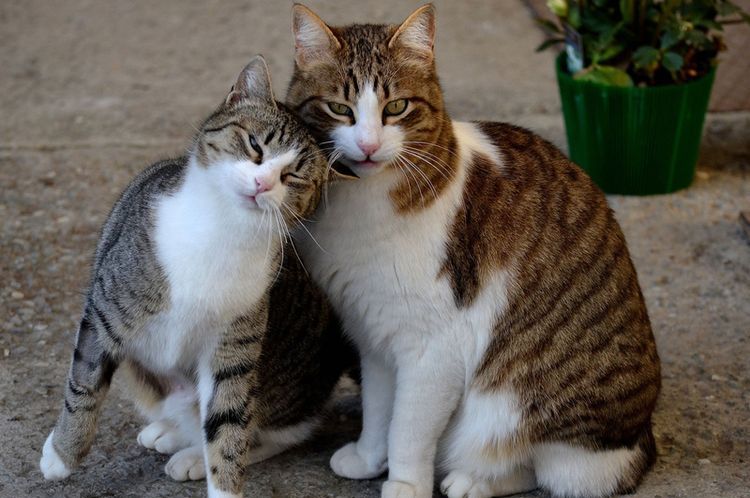
What should you do if your pet remains restless and aggressive for an extended period? You should consult a veterinarian. Another underlying condition may be the cause. Your veterinarian may also recommend sedatives that are effective in this particular case.
Read also:
- Can a cat be spayed during heat?
- How to prepare a cat for neutering
- How long does it take for a cat to recover from anesthesia after castration?


Add a comment