
Moscow dragon
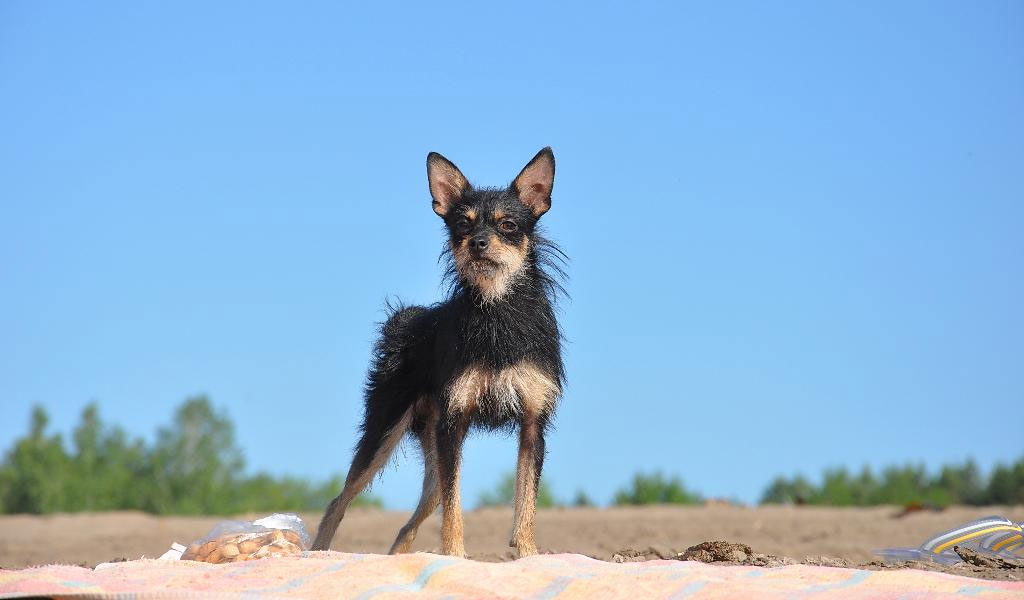
Don't let the menacing name fool you. The Moscow Dragon is a decorative breed of domestic origin, developed from native dogs. These little dragons weigh no more than 4 kg, but despite their size, they possess the character of a large guard dog.
Content
Breed characteristics
The Moscow dragon received such an exotic name due to the special position of its fur, reminiscent of dragon combs.
|
Original title |
Moscow dragon |
|
Country of origin |
USSR (Russia) |
|
The first mention of the breed |
1980s |
|
Weight |
1.5-4.5 kg |
|
Height (at withers) |
25-30 cm |
|
How long do they live? |
12-14 years old |
|
Price of a puppy (with pedigree) |
5,000 – 30,000 rubles |
International experts' opinions on this relatively young breed are mixed. Some see great potential for further selective breeding in these attractive youngsters, while others dismiss them as simply beautiful mongrels or crossbreeds with no place in elite clubs. Nevertheless, there is sustained interest in the breed worldwide, and breeders continue to work on selection and improvement of the breed's qualities.
A table of key characteristics, compiled based on owner reviews, provides more information about the Moscow Dragon breed.
|
Characteristic |
Level |
Points |
|
Size |
|
1 of 5 |
|
Intelligence |
|
4 out of 5 |
|
Training |
|
4 out of 5 |
|
Noisiness |
|
3 out of 5 |
|
Health |
|
3 out of 5 |
|
Picky eating habits |
|
2 out of 5 |
|
Activity |
|
3 out of 5 |
|
Aggressiveness |
|
3 out of 5 |
|
The need for communication |
|
5 out of 5 |
|
Molting |
|
2 out of 5 |
|
Attitude towards children |
|
4 out of 5 |
|
Attitude towards strangers |
|
4 out of 5 |
|
Price |
|
1 of 5 |





History of origin
The story of the Moscow dragons began in 1988. Zoya Kostyna, a zoologist and cynologist, found a cute brown puppy with an unusual coat on the street. She was a female and named Kari. When the little dog grew up, she was mated with a similar-colored mongrel, a male named Mikron. The mating produced four puppies, all resembling their parents. These puppies became the basis for a new breed.
During their work, the cynologists discovered that dogs of this type are quite common in Moscow and the surrounding region. With the help of cynologist Karpysheva, they were able to find two more suitable breeding stock. Cynologist L. Ivanova also assisted in the work and development of the breed.
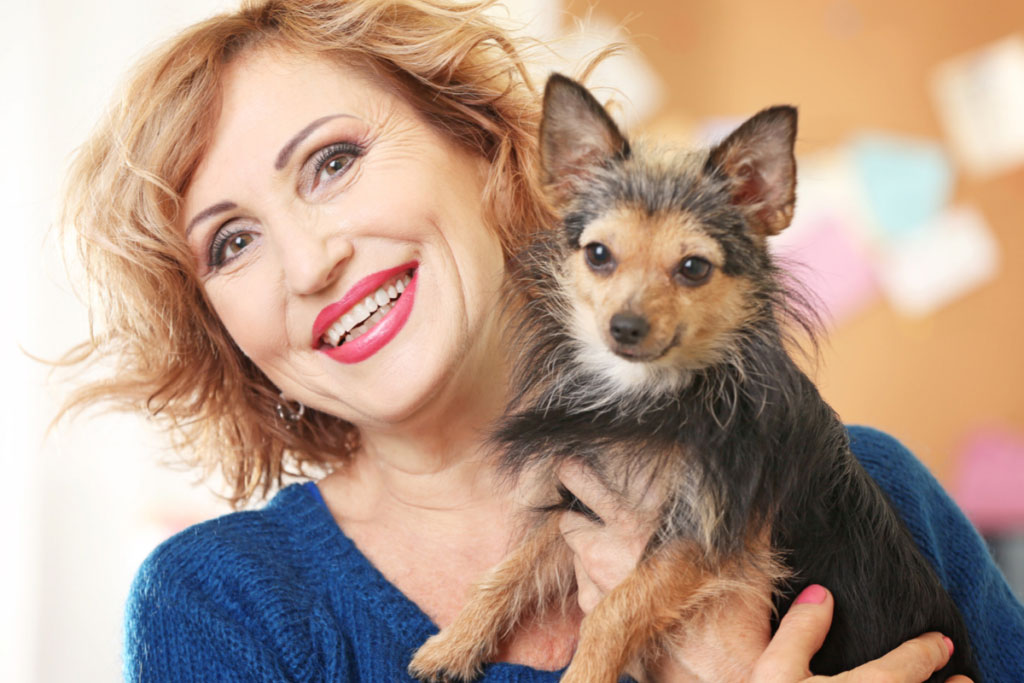
Many modern breeds were created, like the Moscow Dragon, from aboriginal dogs, in other words, similar mongrels that inhabited a certain area.
By 1994, it was already clear that these dogs were characterized by a stable, balanced psyche and robust health. In 1998, a breed standard was developed, allowing them to participate in shows and exhibitions. Initially, Moscow Dragons were elevated to Group 9, the toy breeds, but were later moved to Group 5, the primitive breeds. It's still too early to call the Moscow Dragon a distinct breed; at this stage, it's considered a breed group.
The dragonet population grows not only through interbreeding but also through recruitment from outside the breeding community. Often, dogs of suitable type, even show-quality, are found on the streets in various cities.
Appearance
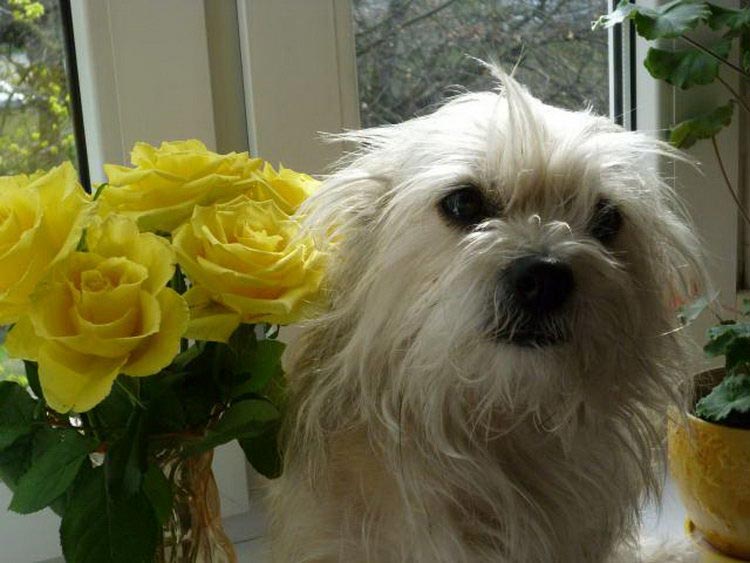
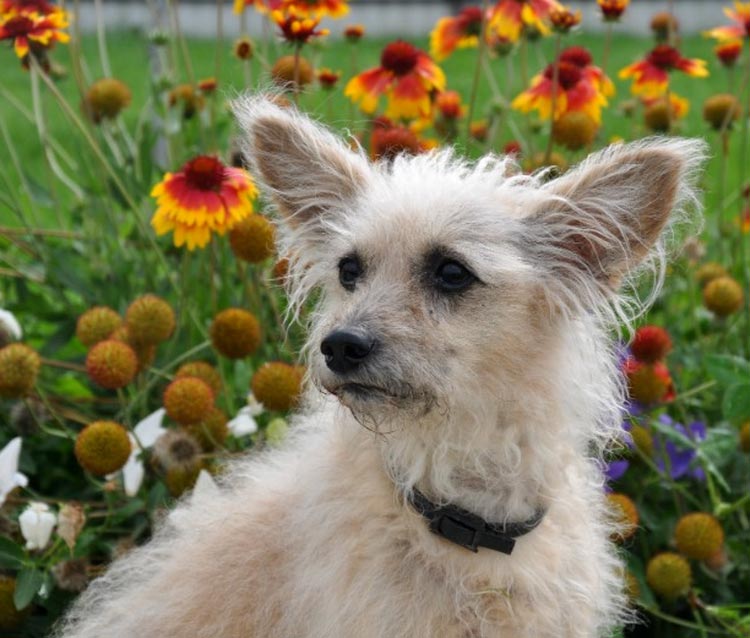
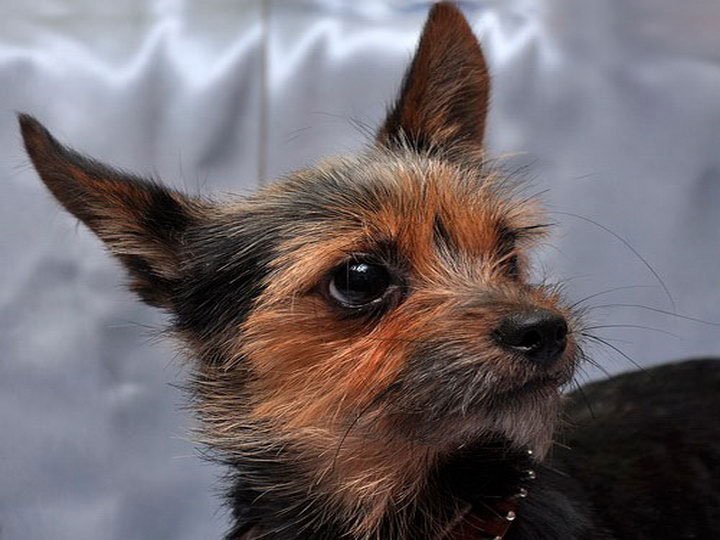
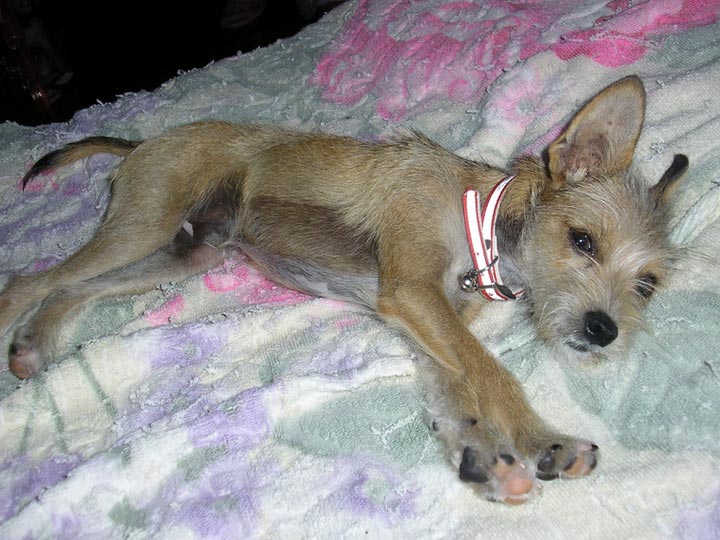
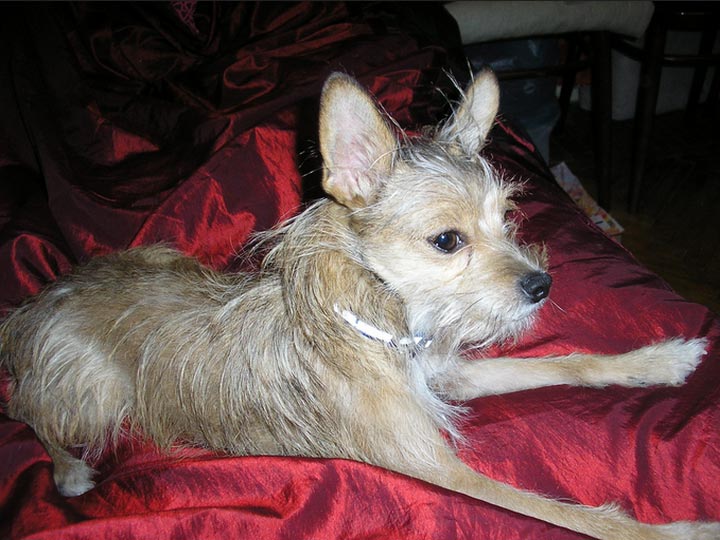
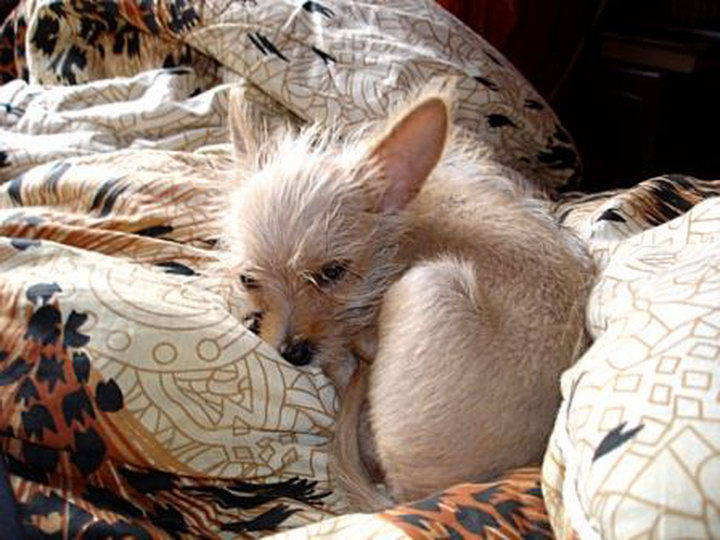
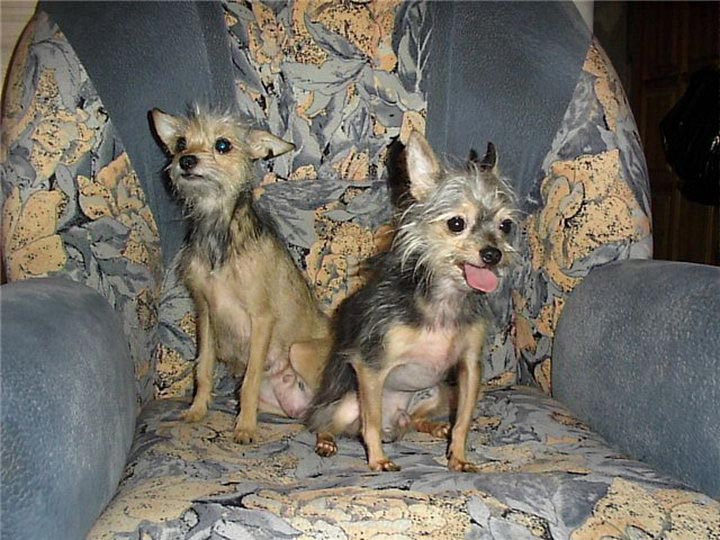
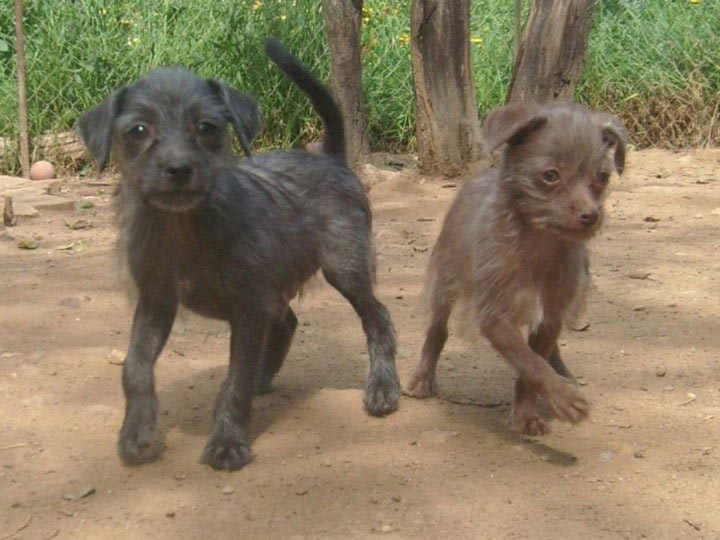
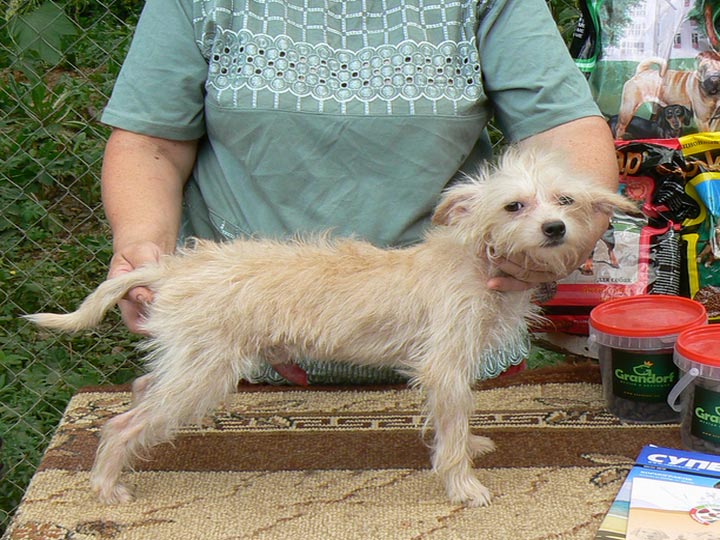
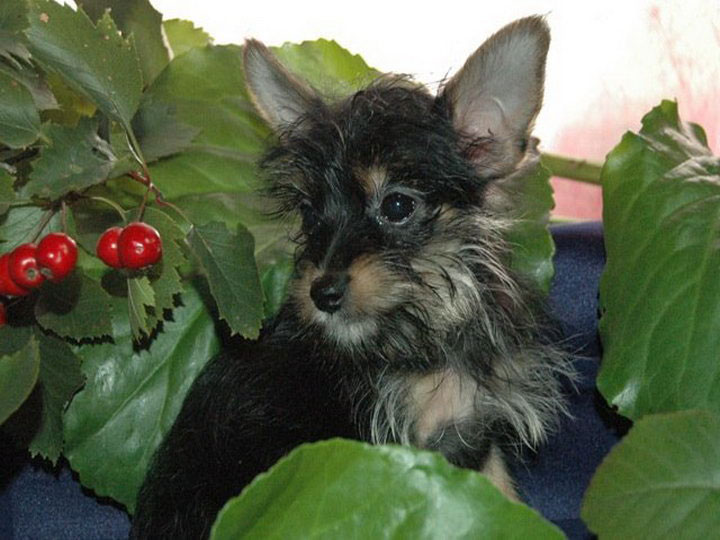
The Moscow Dragon, as you can see in the photo, is a small dog with a square or slightly elongated body shape and a lean, strong build. Weight ranges from 1.5 to 4.5 kg. A weight of 2 to 3.5 kg is desirable. Due to their unusual appearance, small size, and outstanding watchdog qualities, these dogs are popularly nicknamed "Domovyata."
The standard developed by the ISS contains the following description of the breed representatives:
- head - proportional to the size of the body;
- Muzzle - slightly shorter than the skull, well filled, not too pointed;
- lips - dry, without dampness;
- chin – well developed;
- stop – deep, well defined;
- nose leather – black or in the same tone as the coat;
- ears - long, thin, not wide, erect or hanging on cartilage, mobile;
- eyes – oval, small, set wide apart, dark or in the same tone as the coat, but not light;
- bite - straight, scissor or tight bite;
- neck - long, dry, set high;
- body type – compact, top line as horizontal as possible;
- tail - set high, carried cheerfully above the level of the back or thrown over the back in a ring, can also be carried in a semicircle or sickle;
- chest - deep, oval-shaped;
- the belly is well tucked up.
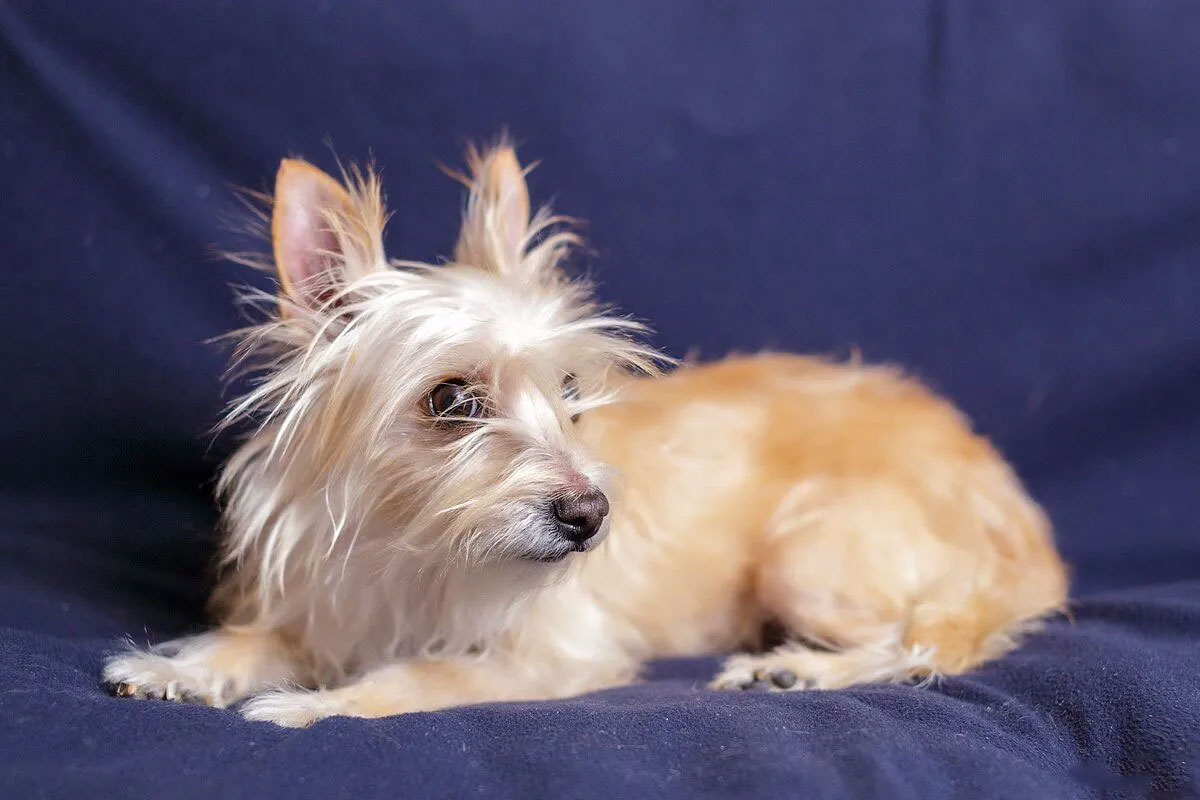
The Moscow Dragon's coat is harsh, straight or kinked. It lies close to the body. It is short on the sides and longer along the spine, tail, and neck. The head is decorated with sparse eyebrows, a mustache, and a beard. The extremities should not be too thick or profuse.
The undercoat can be long or short. Any color is acceptable, but spotted and white dogs are preferred to have well-pigmented eyelids, lips, and nose.
Character
The breed's name derives not so much from its dragon-like appearance as from its strong and rather challenging character. These small "brownies" are devoted to their owners and, if necessary, will defend them with their two kilograms of weight.
The dog is wary and suspicious of strangers. She's always alert, but won't bark for nothing. Dragons get along well with other animals under the same roof, but they can sometimes be aggressive toward their fellows outside, even if the latter significantly outweigh them.
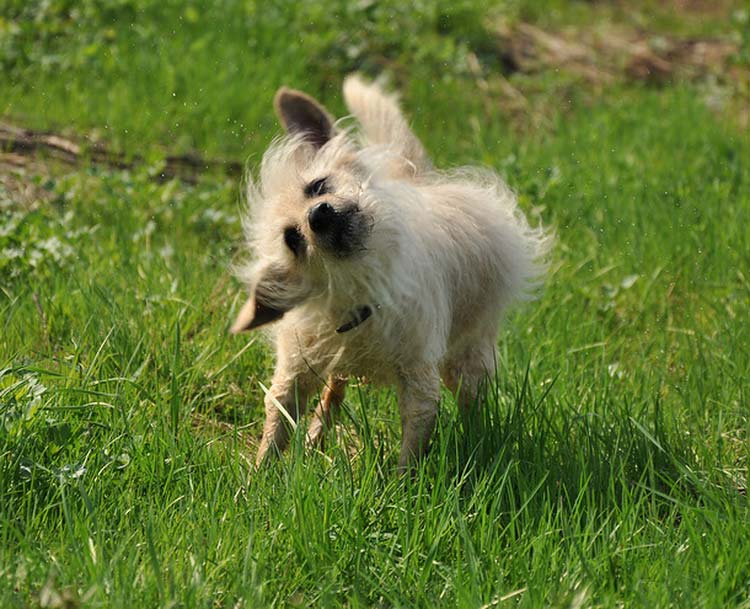
Little dragons are very intelligent and quick-witted. Despite their devotion to their owners, they sometimes try to take over the family, often using cunning to achieve their goals.
Maintenance and care
The Moscow Dragon is an ideal apartment dweller. Its wiry coat sheds virtually nothing. This modest-sized dog doesn't take up much space. It doesn't bark unnecessarily, which will make neighbors very happy. With good training and plenty of toys, it can be left alone for long periods of time without damaging things. It would be delighted to live in a private home, which it will guard with devotion.
It is necessary to train dragons from a very early age, otherwise they may have problems with obedience and behavior in the future.
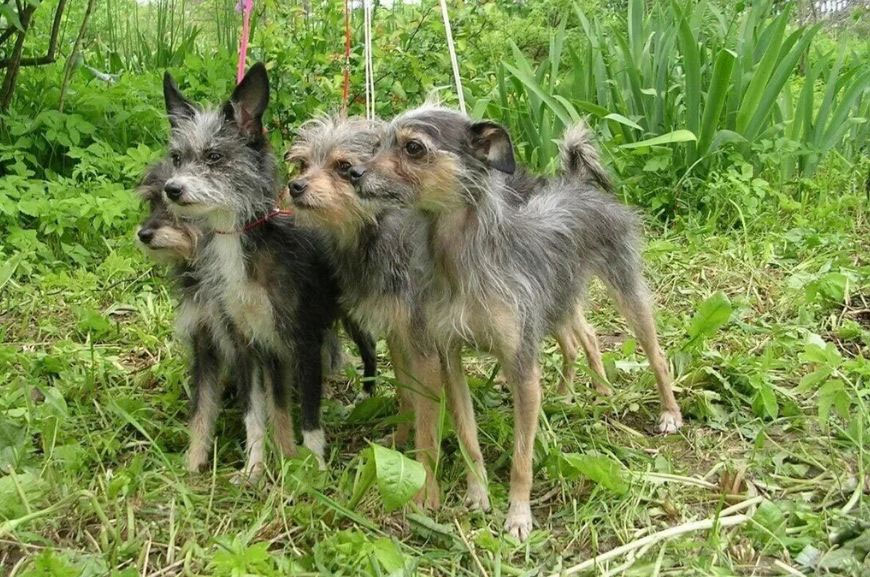
Moscow dragons are very active and require adequate exercise. They need regular walks, interspersed with games and training. They are generally very easy to train. They quickly learn commands, eagerly execute them, and will perform all commands simultaneously for a favorite treat. These dogs can successfully participate in agility for miniature dogs. One of the founding dogs of the breed, Yana, completed the General Training Course at the level of large dogs of various breeds. The only obstacle for the little one was the high hurdle.
Grooming these dogs is quite simple. It's best to brush their wiry coats once a week, and during the shedding season, they should be trimmed to promote coat renewal. Ears should be cleaned as needed. Some dogs' nails don't wear down on their own, and so need to be trimmed approximately every two to three weeks. Dragons should be bathed no more than once a month.
Nutrition
Moscow dragons are completely undemanding and unpretentious when it comes to food. They will happily eat both natural and dry food.
Important! For regular feeding, choose premium, super-premium, or holistic foods designed specifically for small breed dogs.
While MDs aren't prone to overeating or weight gain, it's still not recommended to leave food freely available. It's best to feed them portions at specific times. Adult dogs are fed twice a day, but the smallest members of the breed may require three meals a day, as with other toy dogs.
Important! Dogs should not be fed human-grade food due to its high fat, salt, and spice content.
Due to the small weight of dragonets, even a small piece of prohibited food can have serious consequences for the dog's health.
Health and life expectancy
Moscow dragons are remarkably healthy, the envy of other toy breeds. Their strong spirit and physique, mixed-breed ancestors, have given these dogs excellent immunity and endurance.
The breed is free of any hereditary diseases or life-threatening pathologies. Moscow Dragon owners claim they only consult a veterinarian for vaccinations, rarely seeking other advice. The average lifespan of Moscow Dragons is 12-14 years.
Choosing a Moscow Dragon Puppy and Price
Moscow Dragons are very rare, with many more people wanting to buy dogs than puppies. Furthermore, the current state of the Moscow Dragon breed is dire. For a long time, enthusiasts worked to restore the breed within the RKF system, but constantly changing requirements and bureaucracy led to many kennels simply ceasing to work with Moscow Dragons. Active breeding efforts are currently underway in Moscow, Kemerovo, and Novokuznetsk. Trying to buy a dog through online ads increases the risk of being scammed.
Moscow dragons are generally healthy, do not suffer from allergies, are undemanding in their diet, do not require complex care, and generally lack the disadvantages of most modern decorative breeds.
The price range is very wide, but as a rule, Moscow dragon puppies are not very expensive, the average cost of a baby is 10,000-20,000 rubles.
Photos
Photos of Moscow Dragon puppies and dogs in the gallery:


Video about the Moscow Dragon breed
Read also:
Read also:




1 comment
Katerina
I had a dragon. After his death, we never found a replacement for Timosha. Since we live in Siberia, dogs like that are rare here. I would really like to have one like that.
Add a comment