
Moscow Watchdog
The Moscow Watchdog is a breed that strikes the perfect balance between the discipline of service breeds and the uncompromising nature of guard dogs. From the former, they inherited trainability, poise, and a desire to obey, while from the latter, they inherited a certain degree of aggression and territoriality, making them excellent guard dogs. Recently, members of the breed have also been trained as guide dogs.
Content
History of origin
After the Great Patriotic War, a need arose for a dog that would meet all the needs of the national economy: one that was large, undemanding, hardy, manageable, and capable of performing any task assigned to it, adapting to various climatic conditions, even the harshest. The goal was defined, and the cynologists at the Krasnaya Zvezda kennel near Moscow began developing several breed groups, including the Moscow Great Dane, the Moscow Water Dog, the Black Terrier, and the Moscow Watchdog itself.
According to a simplified version, the Moscow Watchdog was created by crossing a St. Bernard and a Caucasian Shepherd, but in reality, the breed's development was far more complex. Mixed Russian Pied Hounds and East European Shepherds were mated with St. Bernards, while Caucasian Shepherds and their crosses were mated with Newfoundlands. The selection process was extremely rigorous: all dogs were evaluated, trained, and subjected to working trials, with only the best retained. Beginning in 1950, representatives of this breed group began appearing at shows. Subsequently, close collaboration was maintained with various service dog clubs, and puppies were placed only in the hands of qualified dog breeders. In 1985, the breed was officially recognized. Since then, all crossbreeding experiments have been strictly prohibited.
.jpg)
Appearance and standards
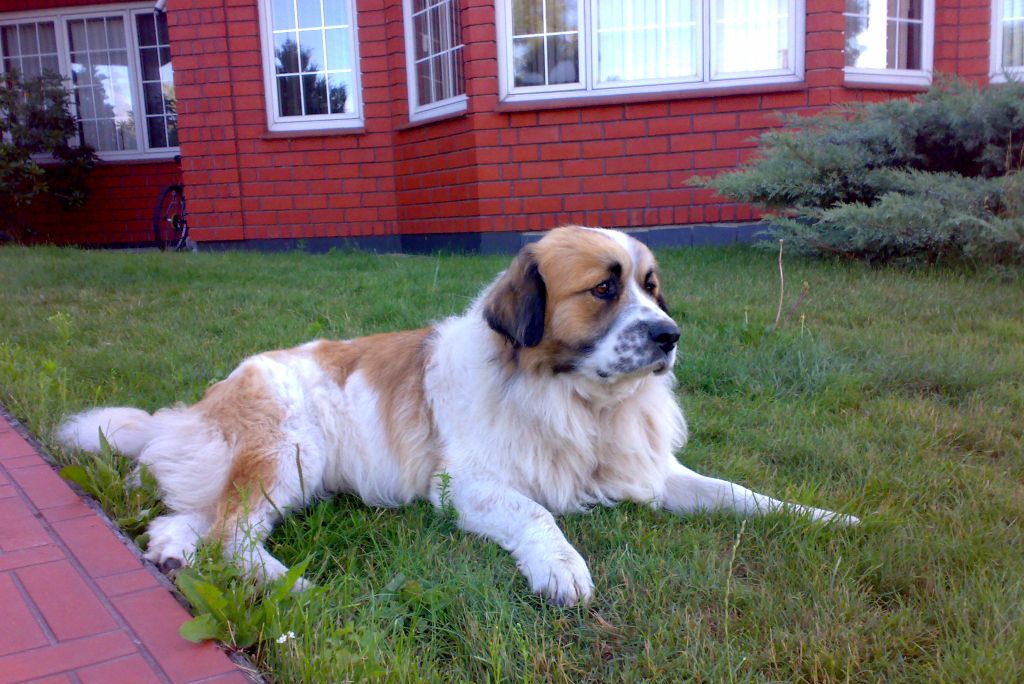
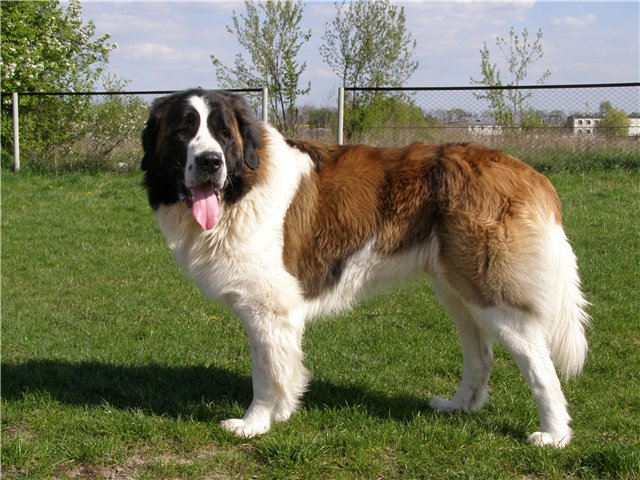
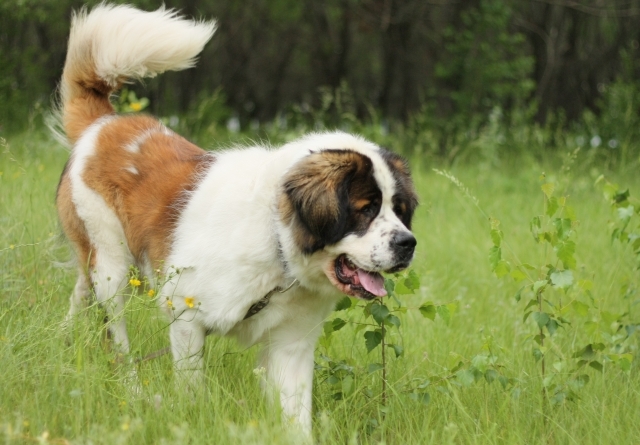
The Moscow Watchdog is a large dog with a strong constitution and a slightly elongated, coarse body. The muscles are voluminous and well developed. Males should not be shorter than 68 cm (25 in), and females should be 66 cm (25 in). Weight: 45-70 kg (98-158 lbs).
- The head is broad and massive. The forehead is convex with a distinct transition to the nose. The lips are thick, dark, and slightly pendulous. The superciliary ridges are well developed. The nose is large and always black. The ears are pendulous and triangular in shape. The eyes are medium in size, set wide apart and rounded. The bite is scissor-like. A slight dewlap is permitted on the neck.
- The belly is moderately tucked up. The chest is deep with well-sprung ribs. The croup is broad and almost horizontal. The forelegs and hind legs are parallel. The hind legs are slightly wider apart than the front legs. The tail is set high and wide. When relaxed, it hangs down, and when excited, it rises slightly above the back.
- The coat is coarse, dense, and long. The undercoat is well developed. The hair on the head and front of the legs is slightly shorter than on the body. The feathering is more developed in males. The coat is reddish-pink with a spotted pattern. White is required on the tip of the tail, chest, up to the elbow on the forelegs, and up to the shin on the hind legs. Dark speckles may appear on the white background.
Training
Training begins as early as possible, focusing on socialization, understanding all restrictions, and obedience. Some difficulties may arise during a specific age period: 6-12 months, when the owner will need maximum patience and understanding. No harsh measures should be used at this age; despite their impressive size, the dog is still a puppy with corresponding behavior and a fragile psyche. The stubbornness and independence of this breed can be mitigated through training and the owner's strong character. If the dog understands its position as a lower-ranking dog, it will become infinitely loyal and obedient.
The Moscow Watchdog is an intelligent and sociable dog, making it easy to train. It's not recommended to develop malice and aggression in them; these are inherent traits that manifest intuitively in certain situations. It's also worth remembering that these dogs can be somewhat slow and require careful thought before giving each command.
Such an active dog requires ample exercise. At a young age, when bones and ligaments are not yet fully developed, exercise is limited to long walks, perhaps light jogging, and playtime. After a year, you can acclimate your pet to hurdles, stairs, and pulling loads. Moscow Watchdogs typically enjoy swimming, so their best summer pastime is a walk by the pond.
Character
A true Moscow Watchdog is a dog with a balanced, strong, and independent character. It gets along with children, is submissive to the elderly, and listens to every family member, although it prefers only its chosen owner. Its strength, power, courage, and intelligence make it an excellent guard dog, who will defend the family's interests to the last.
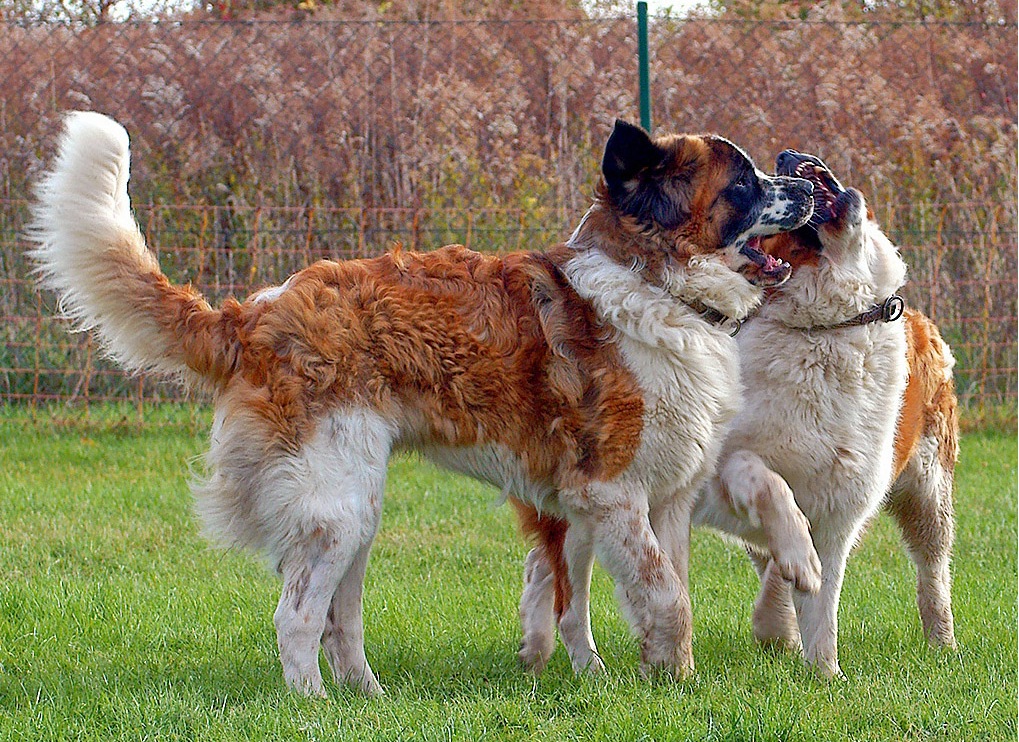
Puppies mature late, and their physical and psychological development is not fully developed until they are two years old. Moscow Watchdogs get along well with dogs of other breeds, are loyal to cats, and are patient with children, though it's best not to leave them with very young children. They are always wary of strangers. Moscow Watchdogs are not prone to excessive barking, and males may even attack silently.
Features of maintenance and care
Keeping a Moscow Watchdog in an apartment is not the best option. These dogs require a private home, preferably with a large territory to guard. They are well-suited to living outdoors year-round.
The long, thick coat is brushed once a week. Bathing is infrequent, typically no more than 2-3 times a year. Eyes, ears, and teeth are regularly examined and cleaned as needed. If the dog gets enough exercise, its nails will wear down on their own; otherwise, they need to be trimmed.
Diet
The optimal diet for such a large dog is natural food. The basis of the diet should be raw, frozen meat and organ meats, supplemented with grains, vegetables, and fruits. Following a strict regimen will promote good digestion and help avoid potential health problems. It's important that the dog eats the entire portion at once, followed by a short rest period. Treats are allowed as a reward for obedience. Feeding prepared foods high in animal protein is also possible. The diet should be balanced and appropriate for the animal's physical activity level.
Health and life expectancy
Representatives of this breed are in excellent health. Problems most often arise from improper feeding or care. These can include food allergies or obesity with their attendant consequences. Life expectancy is 8-10 years.
Puppies and prices
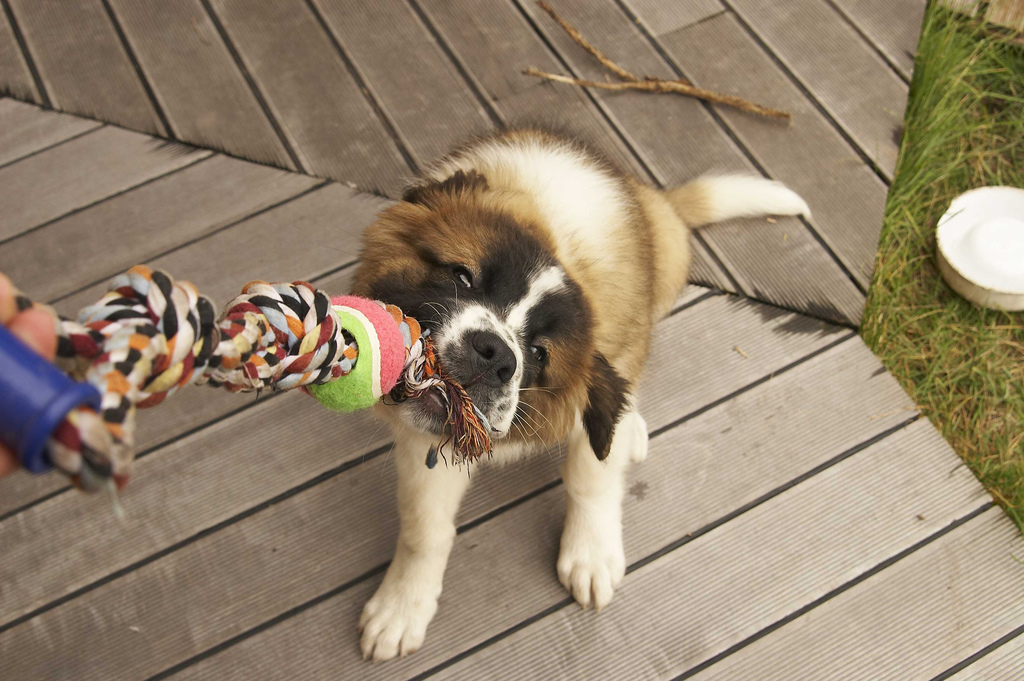
Choosing a Moscow Watchdog puppy from among several furry bundles can be difficult. First, it's important to ask the breeder about the litter's parents and their accomplishments. Even better, see the dogs in person to get a sense of what this little acquisition will become. Puppies are always examined and objectively assessed. Their bite is checked. The lips, nose, eyelids, and eyes should be dark. Only slight light patches are allowed, which should darken with age. Eyes should be clear and dry.
The puppy's build is harmonious, and the coat is soft, shiny, and clean, with no bald spots. The ribs are checked for the presence of so-called "rosary" (small bumps that indicate the development of rickets). As for color, a dark mask on the face and a white tail tip are required. Overall, the puppy should be energetic, playful, and inquisitive. The cost of a Moscow Watchdog puppy ranges from $300 to $1,000.
Differences between the Moscow Watchdog and the St. Bernard
Representatives of the breed we are interested in differ from the St. Bernard in some external qualities and character traits.
Distinctive external data:
- a leaner, more robust appearance;
- different head structure and a more focused gaze;
- eyelids are tightly fitting, lips are not drooping;
- the transition from the forehead to the facial part is not so clearly visible.
Character and behavioral traits:
- clearly manifested guard qualities against the background of healthy anger;
- active mobility and high reaction speed;
- smoothness and freedom of movement;
- showing caution and suspicion towards strangers and animals.
The current breed standard prescribes a preferred color for Moscow Watchdogs, characterized by a dark mask and sable coloring, which implies black edging on tan spots—traits extremely rare in St. Bernards. The St. Bernard standard emphasizes the difference between the lower limit of height at the withers for the St. Bernard and the identical values for the Moscow Watchdog.
.jpg)
Moscow Watchdog: Mating Features
Moscow Watchdogs reach sexual maturity during their first heat. This occurs between 6 and 8 months and varies greatly from animal to animal. It's best not to mate during their first heat unless sexual maturity is delayed until 15-18 months. Even then, it's recommended to play it safe and wait. Moscow Watchdogs grow quite slowly and reach full maturity at 2-3 years of age, though females usually do so earlier. The best time for mating is the third heat. Males can be mated starting at age two. It's important to ensure your pet is a mature, sexually mature adult, not a puppy, at the time of mating!
Knowing how to breed a Moscow Watchdog is essential not only for organizing and monitoring the process, but also for complying with the documentation if you own a breeding female. It's important to notify the club director in advance of the planned event. On the first day of the breeding season, contact the club, where you'll be issued a mating permit. Try to contact the owner of the selected dog immediately to avoid any unpleasant surprises—the dog could be taken away, sick, or mated with another dog.
To determine when it's time to mate a Moscow Watchdog, pay close attention to the onset of estrus. Dogs often lick their genitals so thoroughly that any discharge isn't immediately noticeable. It's recommended to check the discharge daily by applying a clean cotton ball to the bitch's vulva. A light pink tint indicates the dog's readiness to ovulate. Mating is typically possible 10-13 days after the onset of estrus.
Popular nicknames for the Moscow Watchdog
Owners of this breed typically choose their dog names in accordance with Russian canine traditions. These traditions also guide the names of kennels specializing in breeding purebred animals.
Typically, a purebred puppy acquired with a pedigree already has a documented name that sounds similar to the prefix. It's unique, if possible, though not ideal for calling the dog at home. However, many dog breeders have recently become enamored with Russian nicknames, so a "majestic" name like "Divny iz Doma Baryshevykh" (Divny from the House of Baryshevs) no longer seems overly pretentious.
Choosing a name for a Moscow Watchdog is a creative endeavor, allowing you to delve into Slavic mythology and reminisce about your family's history while discussing your pet's future name in the comfort of your own home with other family members.
Photos
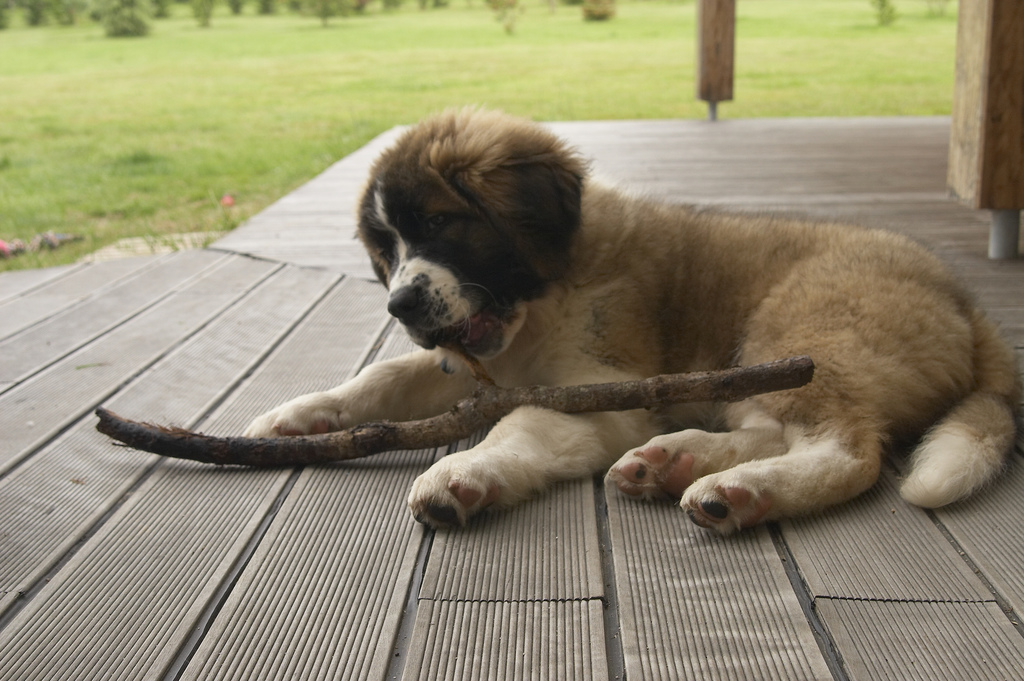
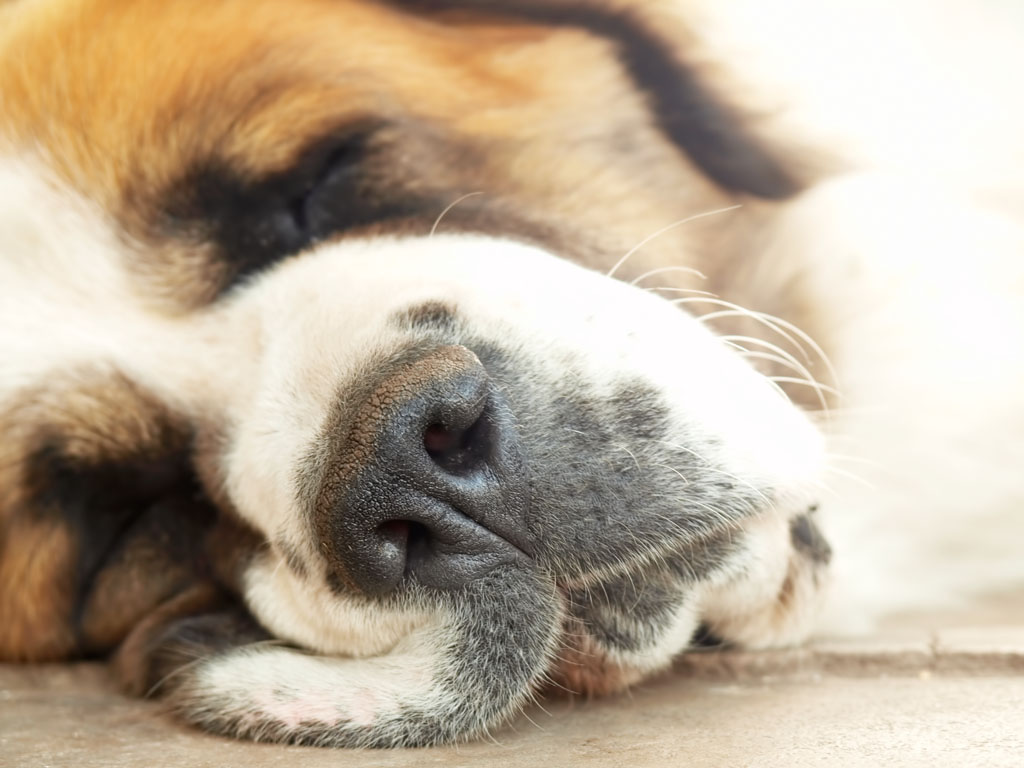
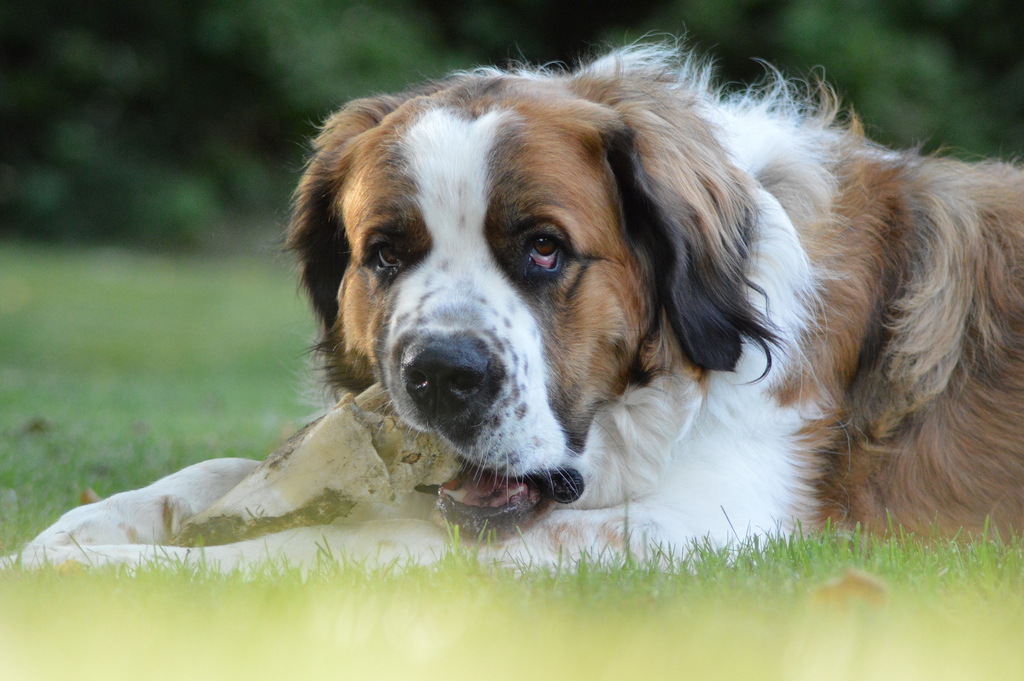
Photos of the Moscow Guard Dog Breed:
Video of a Moscow guard dog:
Read also:


Add a comment