
Pug is a breed of dog
It's safe to say that pugs are one of the most popular small dog breeds. These cheerful and cute creatures have a rich history. That's why we'll dedicate this article to describing the pug breed.
Content
History of origin
Pugs are believed to have originated in China. Some dog breeders believe their homeland is India. Interestingly, this dog breed was bred not for hunting, but for pleasure. Pekingese are believed to be the ancestors of pugs, and the first representatives of this breed appeared over 3,000 years ago. Pugs were brought to Europe in 1553. In France, pugs were a favorite of high society ladies. Owning such a pet was considered a sign of good taste and good manners.
Pugs have been popular in Russia since the 18th century, but wars and revolutions in the early 20th century reduced their numbers to critical levels. Representatives of this breed only appeared in the USSR in the 1980s, but today they are very popular in post-Soviet countries.
Breed standards
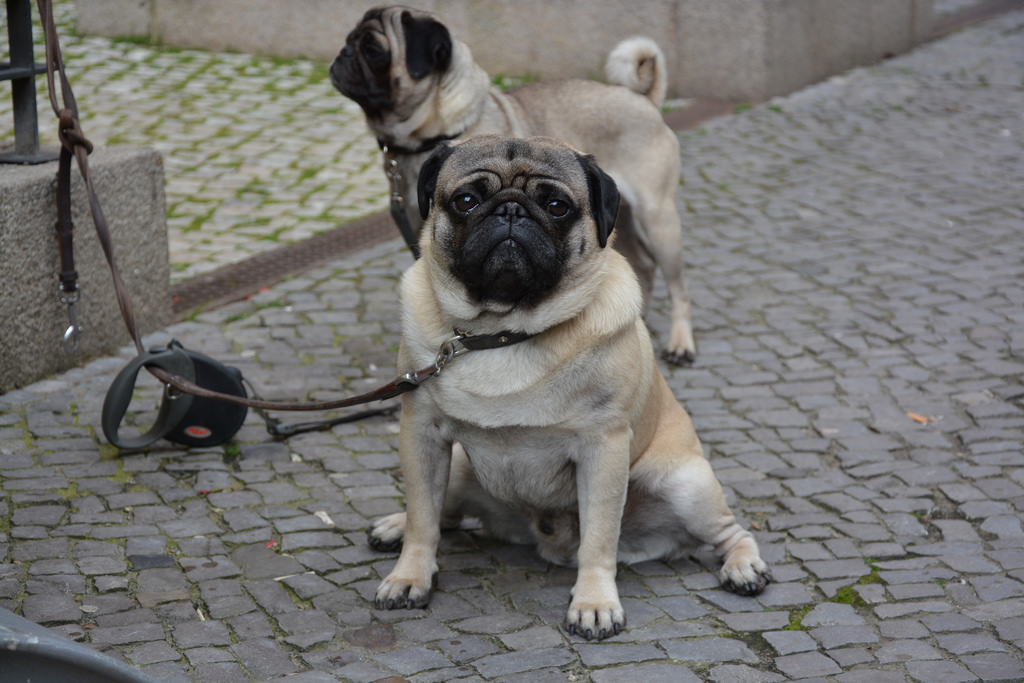
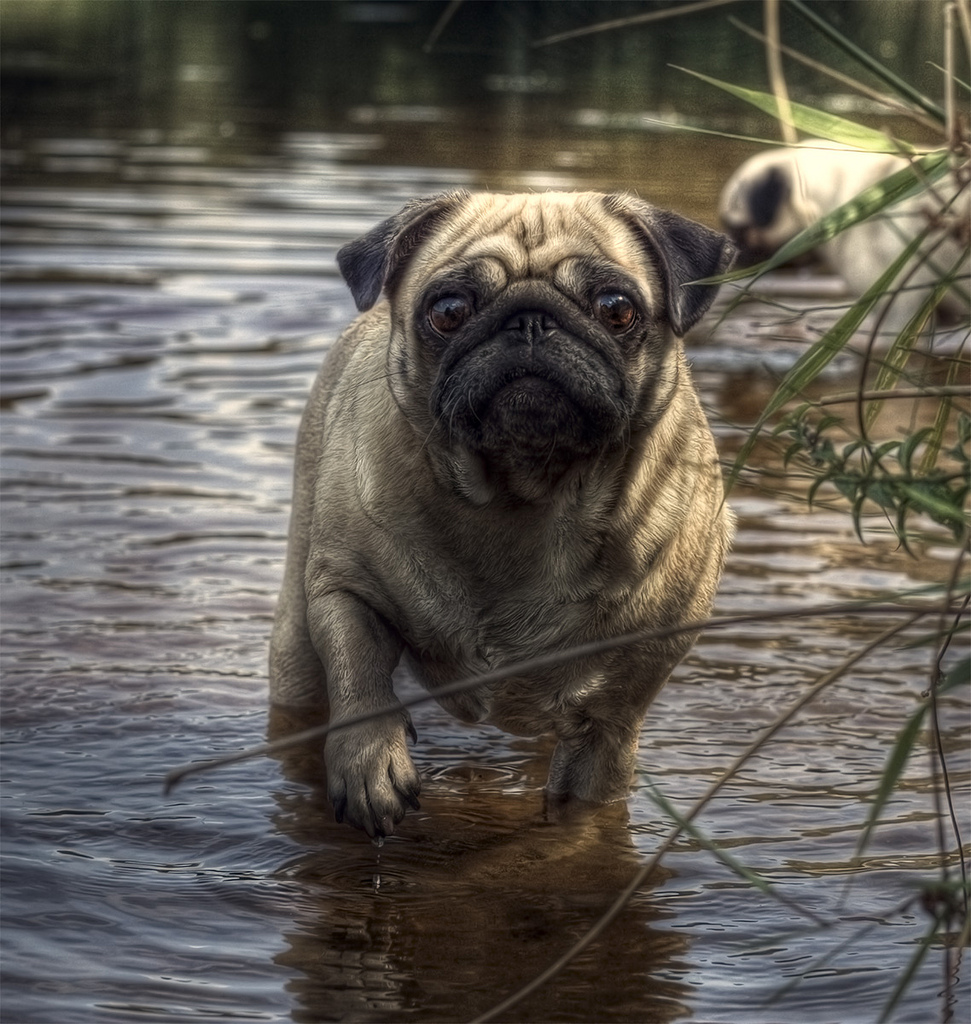
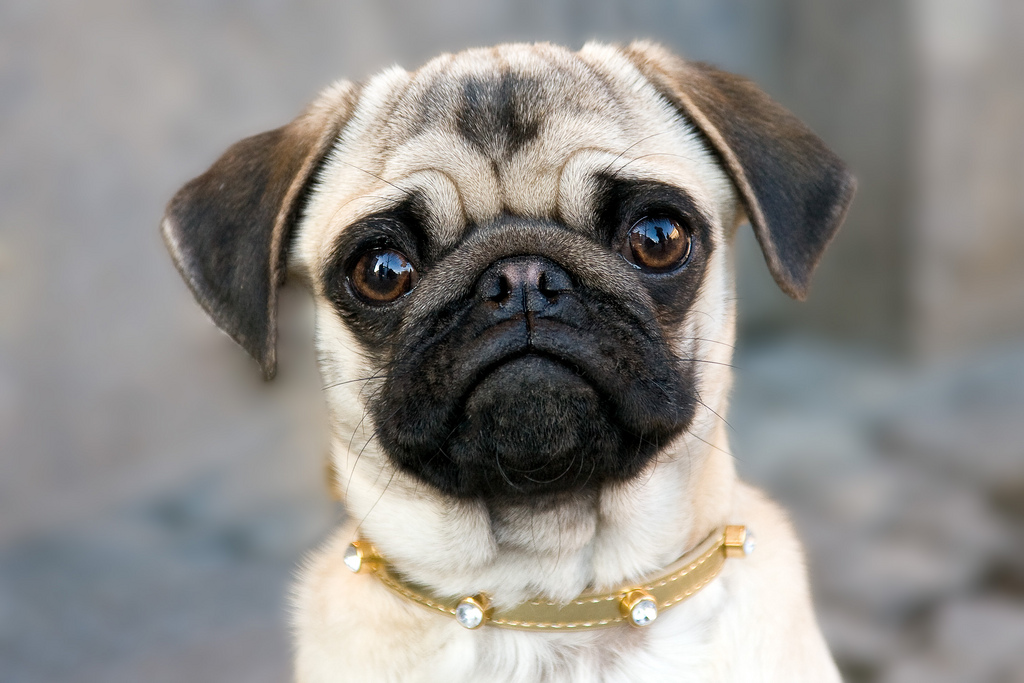
Pugs are small, stocky dogs, standing on average about 25 cm at the withers. Their bodies are solidly built and well-muscled. Their heads are short and round, with a wrinkled muzzle and a blunt shape. Their colors range from silvery gray to a regular fawn.
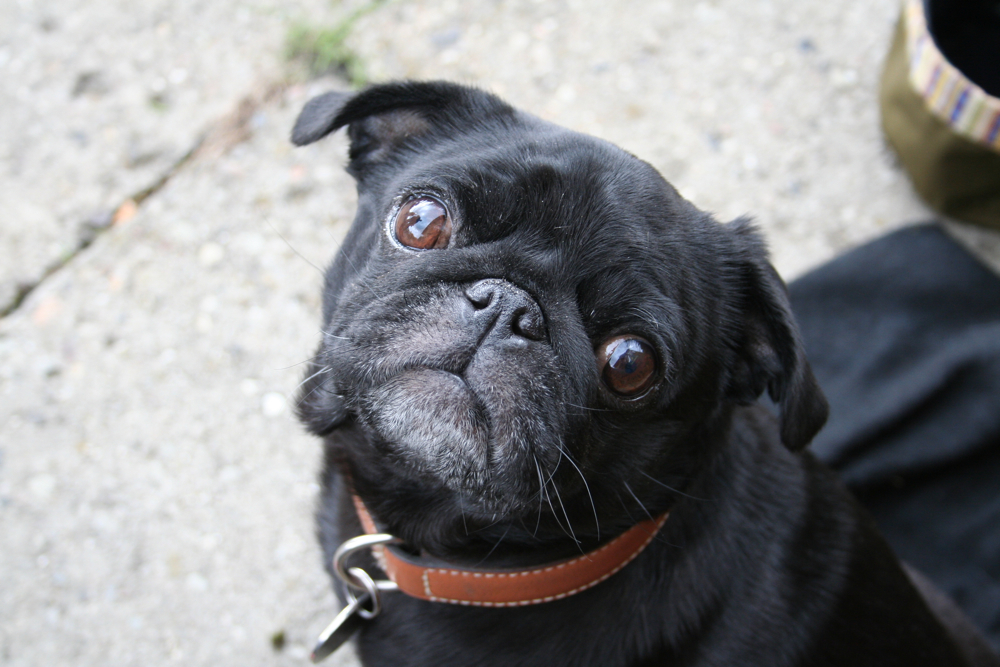
The muzzle has a distinct, black mask. Rarely, pugs with a pure black coat do exist. The average pug's tail is curled into a donut and carried tightly against the back. Their eyes are dark and large, moist and quite prominent. The coat of this breed is very thick and short.
The weight of such a pet ranges from 7 to 11 kg.
Character
First, it's worth noting that pugs are extremely trainable. Pugs are very intelligent dogs, making training them quite easy. They are relatively calm dogs and shouldn't be expected to be overly active. In their free time, pugs happily spend time on the couch or in a secluded spot, always keeping an eye on their owners' movements.
Pugs are dogs with a calm temperament and a particularly friendly nature, making them excellent pets. They are suitable for those who lead a quiet lifestyle, as well as for seniors who want a loyal, even-tempered friend and companion.
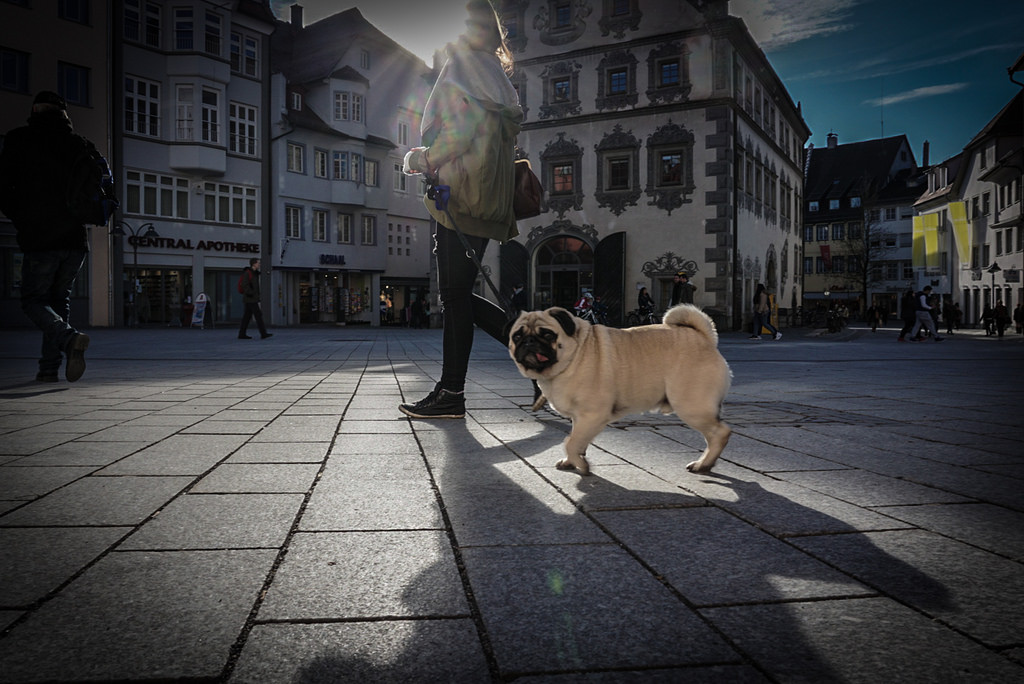
Sometimes pugs experience unexpected bursts of hyper-energy, turning into a veritable hurricane. Truth be told, this whirlwind of activity only lasts a couple of minutes, and afterward, the pug prefers to retire for a well-deserved rest. However, pugs are by no means lazy; they will always follow their owner and are ready to play at almost any time.
Pugs love attention and affection, and can even become jealous if their owner is paying attention to another animal. Most dogs of this breed are great with children and are always eager to play with them. Their overly curious nature can get them into trouble. This pet doesn't tolerate loneliness well and greatly misses its owner. So, after work, you'll be greeted by a deliriously happy pug, eager for kisses and a hug.
Care
Grooming these adorable creatures is quite simple. Brushing their coat once a week with a fine-toothed stainless steel brush is sufficient. During shedding season, pugs need to be brushed more frequently, as they shed heavily. However, this breed loves being brushed.
A pug should be bathed no more than once a month or when very dirty. Particular attention should be paid to the care of the facial folds. These folds are a common breeding ground for bacteria, as they can accumulate mucus, water, and food debris. Therefore, they need to be cleaned regularly. An alcohol-free baby lotion can be used for this purpose. Like other dogs, pugs should have their teeth and ears brushed regularly, and their nails trimmed.
This breed doesn't require much exercise. Active play and daily walks in the park or outdoors are sufficient for their well-being. It's also important to remember that pugs don't tolerate heat well. In the summer, they need to be protected from overheating as much as possible, and in the spring and fall, from dampness. These pets love to sleep in their owner's bed. Therefore, if you don't want your pug sleeping in your bed, train them to use their own spot from a very young age.
Pug Grooming: Yes or No
Many owners are interested in the question of whether it is possible to cut pugs, and what they will look like afterwards.
It might seem difficult to give a dog a haircut, and why would you even need one? It turns out that pugs can indeed be trimmed. Of course, you can't give them a cool, super-fashionable hairstyle, and there's not enough "hair." All pugs are trimmed the same way—with clippers. This is done for one simple reason: to make grooming easier for the owner. Many justify their actions by claiming they're trying to make the dog's life easier, but it's unlikely to be essential.
In fact, a short clipper haircut doesn't protect a dog from the heat at all. If you've decided to strip your dog of his natural coat for these reasons, don't waste your time and don't torment him needlessly. Besides the fact that a clipper won't protect your dog from overheating in the sun, a shortened coat of less than 3-5 mm will completely lose the skin's natural protection, increasing the risk of sunburn.
It will be justified and even necessary to trim your dog if it has infectious skin lesions, such as fungus, or if external parasites are found.
Nutrition
These dogs can be fed not only natural food but also dry food. It's worth noting that pugs are very prone to obesity. Therefore, they need to be fed moderately and on a strict schedule. Dog breeders recommend feeding these pets 2-3 times a day. Raw meat, specifically lean varieties, can be the mainstay of their diet.
- beef;
- lamb;
- birds.
Meat can be given several times a day, 100-200 g each. The following are excellent sources of protein:
- fish;
- fermented milk products;
- cottage cheese (100-200 g per day).
To the question frequently asked by new owners—can pugs drink milk?—the answer is a resounding "yes." Furthermore, this breed requires milk in its diet, as it helps relieve heartburn.
Rice and semolina are good choices for plant-based food. It's recommended to add vitamins and minerals to natural food. You can also enrich your dog's diet with chopped greens and vegetables, such as carrots and zucchini.
It is not recommended to feed a pug "human" food. It is strictly forbidden to give this pet fatty foods, smoked and baked goods, or oatmeal.
Pug puppies: price
The price of a puppy today ranges from $120 (from a private seller) to $800-$1,300 for a show-quality puppy. Of course, it's best to purchase a puppy from an official breeder who can provide all the necessary documentation.
Types of Pugs
In addition to the standard representatives of this canine family, an unusual variety of the breed is occasionally encountered: the black pug.
Work on breeding this rare breed began only in 1886. Previously, specialists had overlooked the value of black dogs and eliminated unwanted puppies as "non-standard" breeds.
The founders of the black pug line were Napp II, Jack Spratt and his daughter Bessie Spratt, who are listed in the registry book - dogs brought to England from China by the traveller Lady Bress.
It was no secret that this breed had already been present in England for about two centuries. But Lady Bress created a stir around these unusual animals by successfully exhibiting them at the Madison Dog Show, where in 1886, the black pugs won first place in their classes.
Peculiarities of Pug Mating
Breeding puppies should be handled by professionals. Ordinary pet owners are unfamiliar with the nuances of crossbreeding, and therefore the desired appearance of the offspring may not meet expectations. If you nevertheless intend to take matters into your own hands, consider these practical tips that will guide you on how to proceed and what to pay attention to:
- The bitch needs to be prepared for mating a month in advance: prevent parasite infestation with anthelmintics and normalize her weight (she should not be obese or underweight);
- a female pug is ready for fertilization approximately 10-13 days after the start of estrus, which becomes noticeable by the scanty discharge that loses its color;
- the dog must be at least 12 months old at the time of mating;
- After meeting, the animals must get used to the environment and to each other (during games, the animals’ bodies will be prepared for mating);
- After 2-3 days, it is recommended to repeat the mating to ensure a 100% chance of fertilization;
- A female pug carries a pregnancy for 63 days.
Clothes for a pug
Whether to provide clothing for a pug is a personal decision, depending on their pet's habits and the climate of their home. Some pugs don't need additional insulation, as they're perfectly comfortable running naked in the snow at -25°C (-13°F), while others will prefer a warm jacket and boots in such weather and will be grateful.
Many pet owners enjoy dressing their pets simply for the sake of appearance. Well, if your dog doesn't mind, pet stores and specialized online retailers offer a wide selection of clothing and accessories to choose from. If ready-made items aren't suitable or don't fit your pet properly, you can always take advantage of our custom-made clothing service, which has become very popular recently.
Advantages and disadvantages of the breed
Let's be clear that the characteristics listed and their classification as positive or negative are purely theoretical. After all, each breeder has their own priorities and requirements for their dogs, which can be diametrically opposed.
Pros of Pugs
Many dog lovers are drawn to pugs for their compact size. They can easily be housed in a small apartment, room, or corner, and they'll feel comfortable.
Aggressive puppies of this breed were always culled. And so it happened that the distinctive traits of the selected representatives of the breed have earned the love of many owners:
- balance and compliance;
- good nature;
- gratitude and loyalty to the owner;
- playful disposition.
At the same time, pugs are friendly not only towards their owner and household members, they are affectionate with almost everyone.
Disadvantages of Pugs
These animals seem like ideal pets, if you ignore some personality traits. A prospective owner should be aware of the negative traits of pugs:
Excessive trust. The dog is affectionate towards everyone, so any stranger can hurt it if they so choose, or even beckon it and lead it away.
Cunning. Determined to get what they want at any cost, pugs will use all their charm, feigning illness or distress if necessary. Therefore, proper and consistent training in this regard is essential.
Stubbornness. Animals can exhibit almost insurmountable stubbornness; getting them to do something they don't want to do is very difficult. Therefore, it's important to train your puppy to be obedient from an early age.
Photos
Photos of pugs:
Read also:


Add a comment