
Milk step in a cat
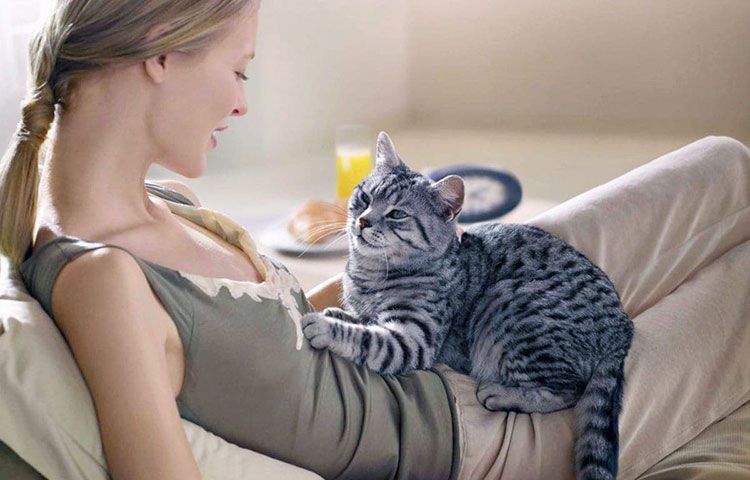
Cats have lived alongside humans for centuries, and from small predators domesticated to control rodents, they have long since evolved into beloved companions. These pets have a curious habit: they love to knead their owner's body, a stuffed animal, or another animal they are friendly with. The rhythmic massaging movements clearly bring pleasure to the cat: it purrs loudly, closes its eyes, and enters a state of dynamic trance, ceasing to react to its surroundings. This unusual feline ritual is known as the "milk step," and feline specialists and animal psychologists have differing opinions on its origins and meaning.
Reasons for the "milk step" in cats
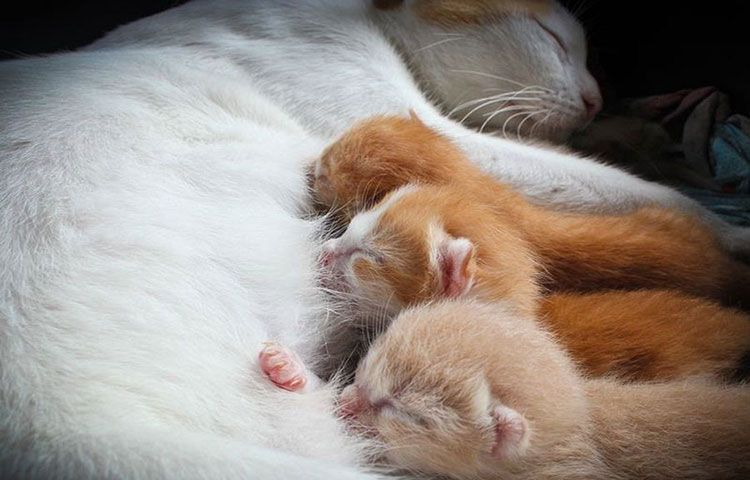
One of the most compelling theories behind "cat massage" is a reflex acquired in infancy, related to feeding. A newborn kitten, locating its mother by scent, experiences the only pleasure it can: extracting milk from her nipples. At the same time, it actively kneads the mother's belly with its paws, stimulating milk production.
This connection between "paw massage and pleasure" is subsequently ingrained in the animal's consciousness, and in moments of relaxation and tranquility, the animal reflexively performs these "magical" movements. The credibility of this theory is supported by the following fact: for cats raised on artificial feeding, the "milk step" is often uncommon.
Many zoologists believe that the "milk walk" in cats stems from natural instincts associated with hunting and resting places. As a predator, it's important for cats to approach their prey stealthily and silently. Therefore, when preparing to pounce, cats test the stability of their ambush site by tamping its surface. In the wild, cats may use tamping movements with their paws when preparing a sleeping area: carefully trampled grass makes a much better sleeping surface than thorns and small twigs sticking out in all directions.
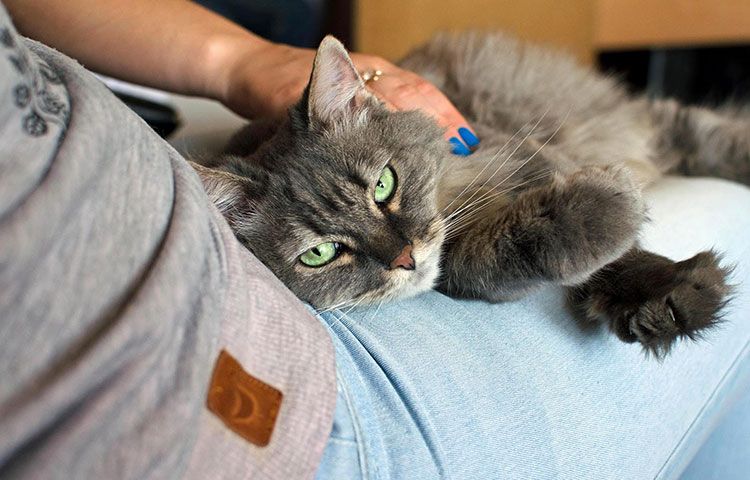
There's also a theory that the "milk walk" is a means of marking territory in a cat's life. Cats have glands on their cheeks, chin, under their tail, and on their paw pads that secrete a scented secretion. During a "massage," a cat leaves these scented marks on a bed, a toy, or their owner's body, thus declaring their ownership. This is an expression of extreme friendliness toward humans; only those to whom the cat feels the utmost trust and strongest affection are granted the honor of being tenderly "kneaded."
In some cases, a cat may begin trampling the carpet or sofa aggressively rather than gently. This may be due to irritation or resentment: the cat wasn't fed on time or was rudely chased away from a cozy spot. After your pet has vented its frustration, it usually calms down and may soon approach its owner to "make peace" by rubbing against their legs.
Cat "massage" as animal-assisted therapy
Even mainstream science confirms that cats can have a therapeutic effect on humans. A team of scientists from the University of Minnesota conducted a series of clinical studies, the results of which show that "cat people" suffer significantly less from depression and have a 25% lower incidence of cardiovascular disease.
It's been proven that after a massage session with this animal, accompanied by a loud purr, people's mental state improves and pain is reduced. Moreover, the furry "healer" somehow pinpoints the sore spot and massages it precisely there with its paws.
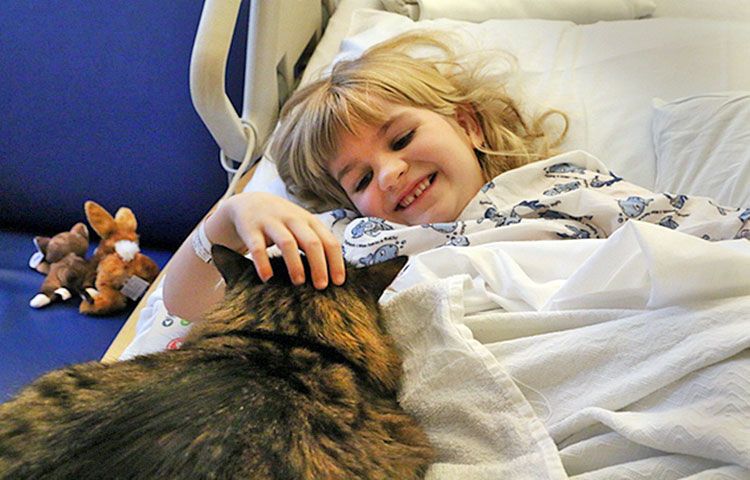
In some European countries, physiotherapy centers offer "cat therapy" departments. For example, in Britain, there's a paid feline therapy service. The animal (a healthy, calm, and friendly cat) is brought to the patient's home, and they "communicate" for several hours. Even simply petting the cat relieves tension, and if the four-legged "therapist" purrs and kneads them with its paws, it acts like a psychotherapeutic session.
So appreciate it when your cat practices the "milk walk" on your body. And when she unfurls her claws, don't rush to scold her or shoo her away. Simply make these displays of feline affection painless: slowly and carefully move her paws from your hand or shoulder to a blanket or sofa. There, she can continue her kneading without leaving scratches on your skin.
Read also:


Add a comment