
Milk teeth in cats
The emergence of baby teeth in cats and their subsequent replacement with permanent teeth is an important stage in their growth and maturation. Owners need to understand the specifics of this process and potential symptoms to make this period as comfortable as possible for their pet and prevent potential health problems in a timely manner.
Content
Formation of the dental arch
Kittens are born completely toothless, but by 2-3 weeks of age they already have their first baby teeth. Their eruption will continue for the next 3-6 weeks. The process occurs in a specific order depending on the cat's age:
- 2-4 weeks – incisors;
- 3-4 weeks – fangs;
- 6-8 weeks – premolars.
Around two months of age, a "teeth set" appears in the mouth, consisting of 12 incisors (6 upper and 6 lower), 4 canines (2 upper and 2 lower), and 10 premolars (6 lower and 4 upper). For some breeds, delayed incisor eruption is considered normal.
A distinctive feature of cat teeth is that they don't regenerate if damaged and don't grow further after they erupt. This is why smaller baby teeth, appropriate for the kitten's jaw, appear first. These teeth eventually fall out and are replaced by permanent teeth. The permanent teeth will initially look a bit unusual: large, adult-sized teeth don't match the size of a kitten's teeth. But as the cat grows, this "mismatch" disappears.
Changing teeth
A kitten's baby teeth last only a few months before they fall out. The process begins when the pet reaches 3-5 months of age (assuming a balanced diet) and follows the same sequence as primary eruption: the teeth begin with the incisors, followed by the canines, and finally the premolars. After this, four additional molars emerge. A full set of adult teeth consists of 30 teeth, which will no longer fall out or be replaced. In most animals, this set is fully formed by 6-8 months of age. Slight delays in this process may be due to breed or individual characteristics of the cat.
In some cases, permanent teeth begin to grow even before the baby teeth fall out, as they emerge from different sockets. If this doesn't cause discomfort to the pet, the owner can only wait: baby teeth often fall out painlessly, and then everything proceeds as usual. No adult pet has "double teeth." However, when this growth causes visible discomfort to the cat, interferes with the growth of permanent teeth, or injures the gums and oral mucosa, the animal should be taken to the veterinarian for removal.
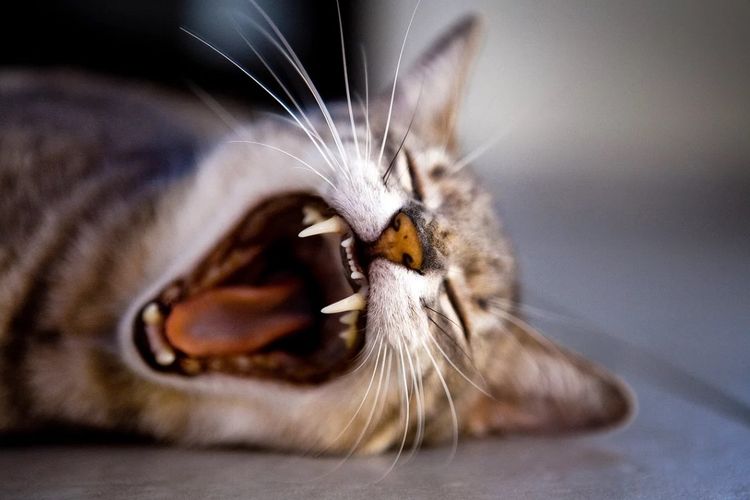
Symptoms of teeth changing and possible complications
The process of change usually begins and progresses unnoticed by the cat's owner, who may become aware of it when they discover a lost baby tooth in a corner of the apartment. However, in some cases, it is accompanied by additional symptoms:
- A slight increase in body temperature (0.5-1°C). As a result, the kitten becomes more sensitive to the cold and prefers to spend more time in warm places (for example, sitting in the owner's arms or huddled under a blanket).
- Redness of the gums, increased salivation.
- Bad breath. It's often mistakenly attributed to nutritional deficiencies, but in fact, it doesn't require any intervention and disappears on its own after changing the milk supply.
- By trying to chew on everything in sight. This is the pet's way of trying to quickly get rid of loose teeth.
It's a good idea to ensure your pet doesn't accidentally swallow one of its lost baby teeth. In most cases, it will pass naturally. However, there's also a risk of it becoming lodged in the intestines. This can result in a fever and aggressive behavior. If these symptoms occur, consult a veterinarian as soon as possible.
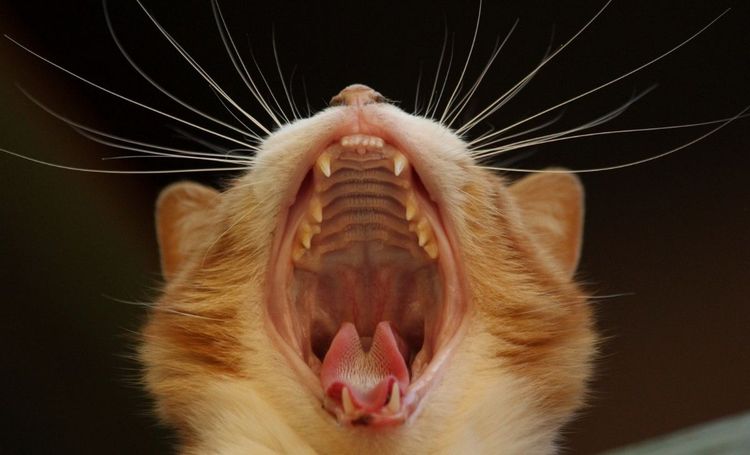
During the period when your cat's baby teeth are falling out, it is recommended to examine your pet's oral cavity every couple of days to detect any possible complications in a timely manner:
- suppuration of the socket of a lost tooth;
- Severe gum inflammation, which can cause your pet to refuse food. If your pet has been starving for more than 1-2 days, you can switch them from dry food to wet food;
- the appearance of wounds from retained baby teeth, next to which permanent teeth are already growing.
Each of these cases should prompt a visit to the veterinarian. Additionally, your pet can be seen by a specialist for preventative care and monitoring of teething.
How to care for an animal when teeth are changing
The period of permanent teething is a normal stage of a pet's development, not a pathology. In most cases, it resolves on its own and requires no treatment. If the gums are not inflamed, there is no significant pain, and the animal remains in good general condition, it is sufficient to provide a comfortable environment and monitor the kitten's well-being. It is helpful to offer special teethers or toys with textured surfaces—they help relieve itching in the gums and distract them from unwanted objects. At the slightest sign of complications—refusal to eat, severe pain, or bad breath—it is worth consulting a veterinarian.
During the active teething period, it's important to review your home environment. Remove any items your kitten might damage or accidentally swallow. Pay particular attention to cords and electronics: chewing on cables can pose a serious risk to your kitten's life.
The area where your pet lives should be as safe as possible. All potentially dangerous small items, household chemicals, and fragile objects should be kept out of reach.
If a kitten starts biting or scratching, it's important to correct the behavior without physical punishment. Harshness will only increase stress and may reinforce unwanted behavior. Instead, gently end contact and redirect attention to toys. Regular playtime helps channel energy into safe outlets and establish healthy behavioral habits. Kittens quickly learn boundaries if the rules remain consistent and clear.
Read also:
- Tartar in cats: treatment
- How many teeth does an adult cat have?
- When do kittens change their teeth?


Add a comment