
Wet eczema in dogs: symptoms and treatment
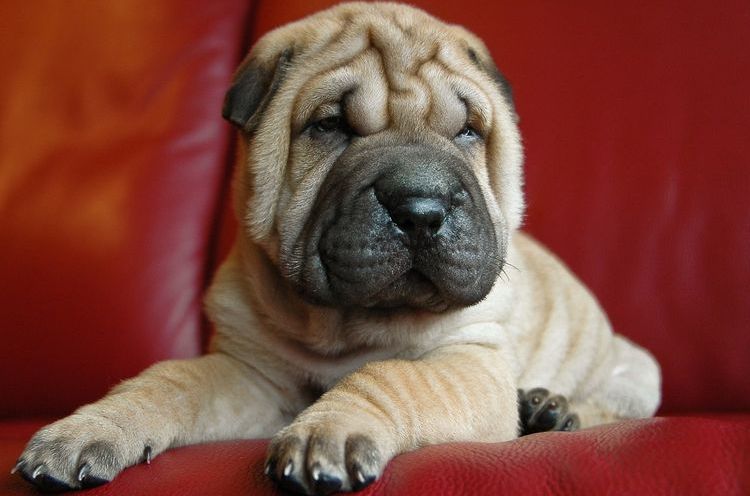
Eczema is an inflammatory condition affecting the superficial and deep layers of the skin. Depending on the pathological process, eczema can be either wet or dry, with the former characterized by the appearance of open, blood-stained sores on the skin. One form of eczema can progress to the other, or both may occur simultaneously. Among domestic animals, dogs are most often affected by wet eczema. Those at risk include dogs over 6 years of age and breeds with a thick undercoat or deep skin folds. Coat length does not affect the incidence of the condition.
The disease is non-contagious and cannot be transmitted to other animals or humans. Eczema is most often detected in its late stages, when the skin on non-haired areas of the dog's body is affected. Since the chronic form of the disease is difficult, time-consuming, and prone to relapse, every diligent dog owner should know the symptoms of eczema and how to treat it.
Reasons for development
The development of weeping eczema in dogs can be provoked by:
- Damage, even minor, to the skin (for example, a collar that is too hard and rubs the skin).
- Poor hygiene. Alkalis and acids released in sweat irritate the skin, causing the formation of oozing sores.
- Allergic, fungal, parasitic and infectious skin diseases accompanied by rashes or inflammatory processes.
- Internal factors: stress, neuroses, food poisoning, helminths, and internal organ diseases. Gastrointestinal and liver diseases most often cause skin deterioration.
Symptoms
In the initial stages of the disease, one or more small lesions appear on the dog's skin. Hidden by fur, they often go unnoticed. Subsequently, the skin in the affected areas turns red, and a rash of small, fluid-filled blisters (papules) appears. When these rupture, they form open sores.
The dog doesn't feel pain, but the ichor that comes out of the wounds causes intense itching. The hair in the affected areas may partially or completely fall out. The animal becomes restless, sleeps poorly, and is less active. The dog loses its appetite and experiences increased thirst; in severe cases, it may experience increased blood pressure. body temperature.
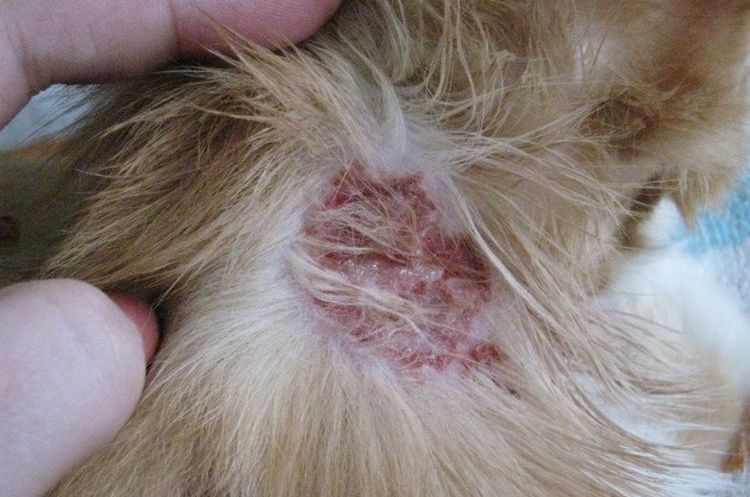
Important to know! Left untreated, eczema progresses very quickly: localized lesions merge, forming large, inflamed, hairless patches of skin. If pathogenic microflora gets into the wounds, a skin infection can become a complication of wet eczema.
Diagnostics
Many of the external signs of eczema are characteristic of other types of dermatoses, so an accurate diagnosis can only be made through differential testing. These include:
- Examination of the dog's fur for the presence of eggs or adult skin and subcutaneous parasites, which can be the causative agents of demodicosis, scabies, trichodectosis, trichophytosis and other diseases accompanied by the formation of papules or pustules on the skin.
- Stool analysis for helminth eggs.
- Urine analysis. Irritants in urine can often cause eczematous rashes in the abdominal and genital areas.
- Blood tests include a complete blood count, biochemistry, and allergy testing. If food poisoning is suspected, a sensitivity test to specific foods may be performed.
- Microscopic examination of tissue scrapings for the presence of exoparasites.
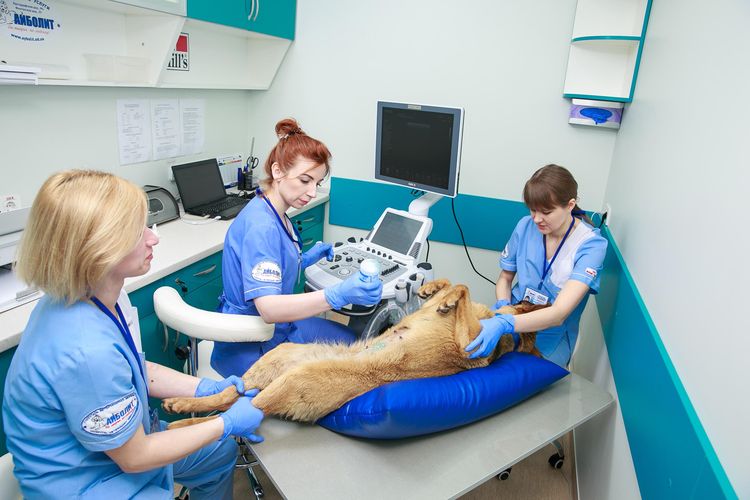
To determine the cause of the disease, the doctor may also prescribe an X-ray or ultrasound examination of the dog's internal organs.
Treatment
The treatment plan for wet eczema in dogs is developed individually, depending on the cause of the pathology, clinical signs of the disease, and its severity. Symptomatic treatment typically includes anti-inflammatory, antipruritic, and antiseptic topical agents such as Dermozolone, Lorinden, and Dermatol. Suprastin, Ftorokort, Ranosan, Ranodez, AnandinIf necessary, painkillers are used.
Antibiotics or antihistamines, including hormonal agents, are prescribed if eczema is caused by an infectious disease or an allergic pathology.
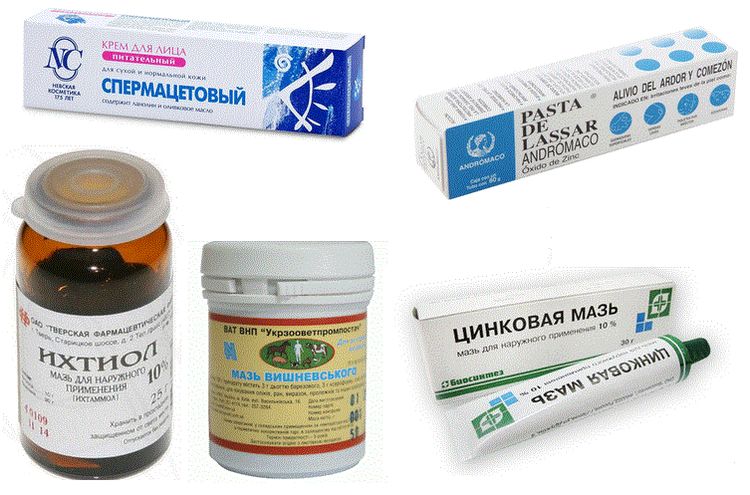
After the inflammation subsides, when the ichor from the wounds has ceased to flow, and the affected area has ceased to spread to healthy areas of the skin, Vishnevsky, Wilkinson, Ichthyol, Xeromorphic, Zinc, and Naftalan ointments are used to dissolve scar tissue and soften the skin. Lassar's paste or spermaceti cream are used to treat sensitive areas of skin (groin and genitals).
Important! Before treating the affected skin areas, trim the hair around the wounds and carefully remove any dead tissue with a swab soaked in an antiseptic solution.
In severe cases, with a chronic form of wet eczema, the veterinarian may prescribe the dog an intravenous drip of a 10% solution of calcium chloride, and an intramuscular injection of vitamins C and A.
Prevention
To minimize the likelihood of your dog developing eczema, veterinarians recommend:
- Maintain strict hygiene. Regularly washing your dog with shampoo isn't just for appearance. After bathing, your pet should be thoroughly dried.
- Prevent the animal from accessing household chemicals.
- If you find scratches, wounds or other damage on your dog’s skin, treat these areas with an antiseptic.
- Treat diseases of the intestines, liver and other organs promptly.
- Take measures to strengthen the immune system and prevent the development of neuroses and stress.
To improve skin condition, it's important to provide your dog with proper nutrition. Their diet should include foods containing protein (the building blocks of epidermal cells), fats (which improve the condition of the skin and coat), as well as vitamins, macro- and microelements (these nutrients are essential for the proper functioning of the entire body).
Read also:
- Pododermatitis on the paws of dogs: symptoms and treatment
- Pink lichen in dogs: causes and treatment
- Cheyletiella in dogs: symptoms and treatment


Add a comment