
Weeping lichen in dogs: symptoms and treatment
The appearance of weeping lichen (weeping dermatitis) in a pet may go unnoticed for a while until the lesions begin to spread across large areas. It most often occurs in dog breeds with long hair, while short-haired breeds are less susceptible. Owners should be aware of the symptoms of this condition to promptly identify the problem and consult a veterinarian for treatment.
Weeping lichen is often mistaken for an infectious disease, and people try to protect their pets from the disease. However, in reality, this disease is not transmitted to humans, nor to other dogs, so there is no need to worry about contact.

Reasons
The causes of this disease are most often internal. This type of lichen can be triggered by:
- allergic reactions to individual food components;
- disorders of the endocrine system;
- decreased immunity after acute pathologies;
- improper treatment of allergies;
- emotional overload and stress;
- failure to comply with hygienic principles for keeping a pet.
Sometimes, lichen edema becomes chronic, with periods of remission and exacerbation. There is a hereditary predisposition to this condition, so it's important to determine whether the puppy's parents have suffered from similar disorders.
Symptoms and signs
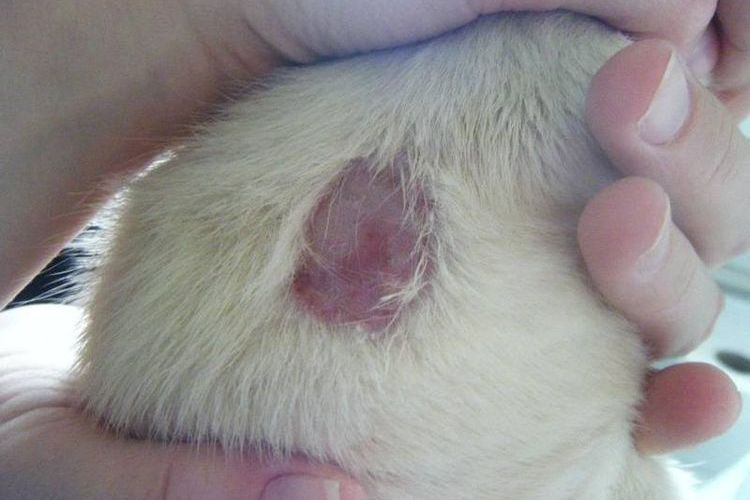
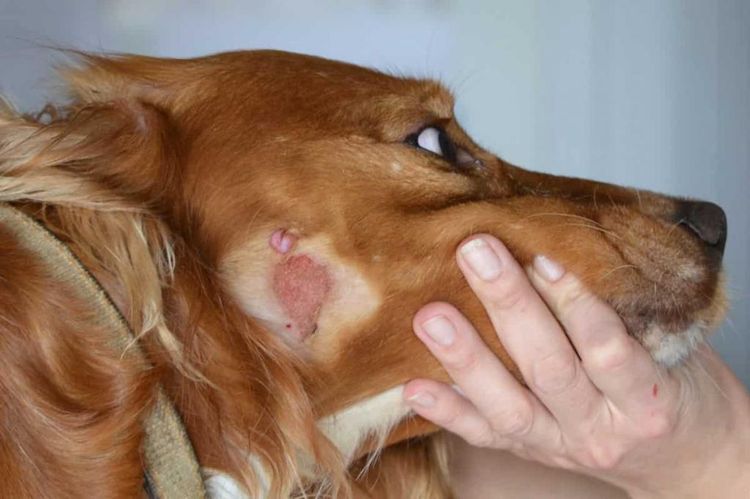
The first thing a dog owner might notice are inflamed patches of skin the size of dimes. These growths most often appear on the stomach, back, cheeks, and near the ears. However, symptoms can sometimes develop near the tail, neck, and paws. These areas feel reddened, or hot, to the touch, and the dog shows signs of restlessness when touched.
Further symptoms develop as follows:
- Blisters filled with yellowish or pink fluid appear at the sites of inflammation. After a few days, they burst, releasing the sticky contents, staining the fur.
- After a couple of days, the exposed areas begin to partially or completely bald. Ultimately, what remains is a bald spot or very sparse hair covering, through which the inflamed serous skin is visible.
- In the final stage, purulent mucus is produced, which eventually dries. The scales and dried debris fall off in scabs, leaving behind thin, shiny skin that is bright red or has a bluish tint.
Then the wet spots spread across a new territory, repeating the development cycle.
From the very beginning of ringworm symptoms, dogs become restless, actively scratching the itchy areas so intensely that they can damage them and draw blood. Pets often attempt to lick the wounds, preventing them from healing. Because of this, signs of secondary infection of the skin lesions often accompany the initial symptoms.
Weeping ringworm progresses slowly. Sometimes it seems to be improving, only to return again. If left untreated, the disease spreads throughout the body, leading to severe illness, with the pet becoming mangy or almost bald. Pets may become restless, aggressive, depressed, and sometimes refuse food and water.

Diagnostics
It's impossible for a layperson to determine whether their dog has weeping dermatitis and not another skin condition. Even a professional veterinary dermatologist won't be able to determine this with a simple visual examination. Hair loss, thinning hair, and the appearance of red spots on the skin accompany many medical conditions.
To fully identify symptoms and prescribe treatment, a diagnosis will be required, consisting of the following examinations:
- Examination under a Wood's lamp from a distance of 15-20 cm. The color of the affected area's glow allows the veterinarian to determine the cause of the inflammation.
- Microscopic examination. Helps identify the presence of parasites or microbes in the fur that could cause pathology.
- Scraping and bacteriological analysis. This will allow the microbes causing the symptoms to be grown on a nutrient medium and determine their sensitivity to different groups of antibiotics, which will help in prescribing treatment.
Having ruled out other types of dermatoses and confirmed the primary diagnosis, the veterinarian begins to prescribe a course of treatment.
Treatment
Treatment for weeping lichen is a comprehensive process, involving not only the use of prescribed medications but also the adherence to specific dog care guidelines.
You need to be prepared for long-term treatment: on average, 3 to 10 weeks. It's impossible to predict in advance how quickly ringworm will clear up. Only a veterinarian can determine how your pet's body is responding to treatment and determine when to discontinue the course.
The main points of therapy are the following:
- Diet and nutrition adjustments. All fatty foods, meat, and potatoes are removed from the menu. A transition to hypoallergenic types of food.
- To reduce inflammation, medications such as Mercurius Corrosivus or Sulfur-3 are used orally.
- Apply dressings soaked in ointments and creams to the affected areas to reduce itching and hyperemia.
- To gently remove scabs during hygiene procedures, the entire body is treated with creolin or carbolic soap for animals. Dried scabs are treated especially carefully.
- To improve the immune status, vitamin complexes and immunomodulatory drugs are prescribed (“Immunofan" or "Gamavit»).

During treatment for ringworm, it may be necessary to wear a muzzle or a special collar for animals to prevent them from licking medications and damaging wounds.
Hygiene requirements during the treatment of weeping lichen are very strict and include the following measures:
- carrying out wet cleaning throughout the entire apartment or house daily using disinfectants;
- daily replacement/washing of the animal's bedding or sleeping area;
- Daily washing of the dog's feeder and toys using disinfectants.
Following all these guidelines will help alleviate your dog's condition quickly, and once treatment is complete, you'll be able to forget about this unpleasant illness. To prevent future cases of ringworm, you'll need to have your dog checked by a veterinarian regularly and inspect the skin for any signs of inflammation.
Read also:


Add a comment