
Can cats get offended?
When learning about pet psychology, inexperienced owners often wonder whether cats can be offended. Let's take a closer look at how a cat or kitten feels when they're offended, what actions animals might perceive as offensive, how to tell if a pet is offended, and whether a cat can retaliate (act out of spite, in retaliation for a previous offense).
Content
Your pet's feelings
To understand whether cats can be offended, let's delve into the psychology of these furry pets. Like humans, felines vary widely in character, temperament, and level of attachment to their owners. Their sensitivity to their owners' actions also varies.
Cats' behavior is governed by instincts, so the human understanding of resentment, disappointment, or revenge is alien to them.
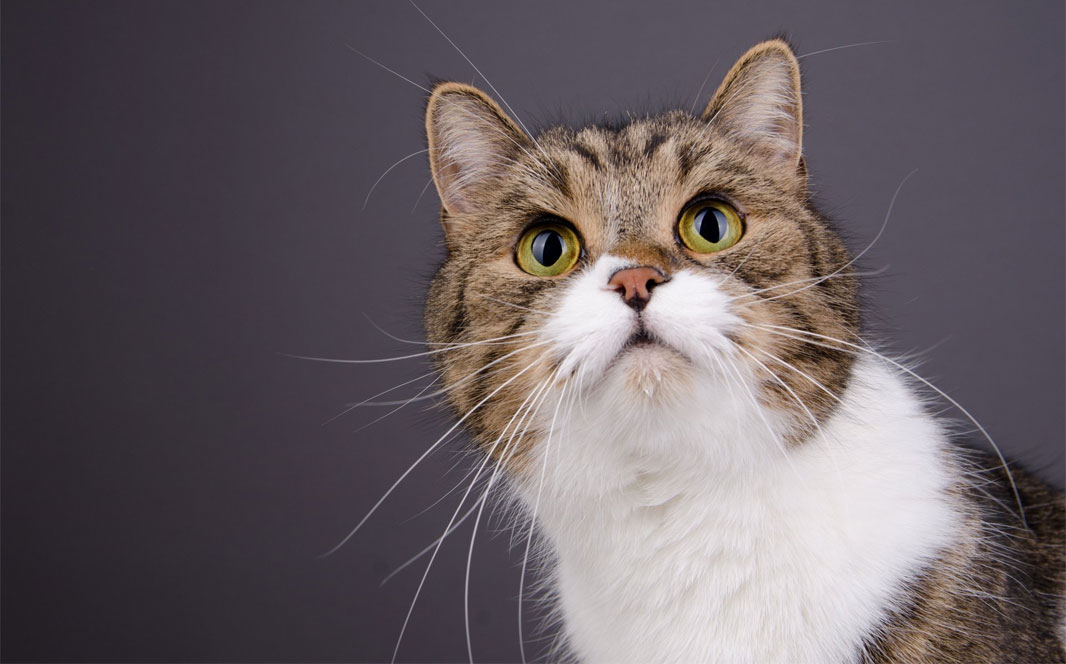
Freedom-loving natures, not focused on people, can easily tolerate solitude and get by without the constant presence of people, easily letting their owners go on long trips and seem not to notice their absence.
But there are also cats for whom their owner is the center of their universe. These are the ones referred to as "touchy cats," because human-centered pets:
- constantly demand attention to themselves;
- can jealously fight for the owner's attention;
- They have a hard time with separation and can become offended if people leave them for a long time without them or leave them in the care of a stranger.
So, when asked whether cats can be offended, scientists give a definitive yes. Yes, a pet can become offended (change its attitude toward a person), but the animal's behavior during this period is highly individual and depends on its psychological makeup.
What can a cat be offended by?
Lack of attention
Can a cat become upset with its owner if they stop paying attention to it or buy another pet? Yes, in such cases, cats may experience fear and a reluctance to share their owner's attention and territory with a stranger, which is often mistaken for "resentment." Stress can result in:
- depressive depressed state;
- various dirty tricks in the house;
- aggressive attacks.
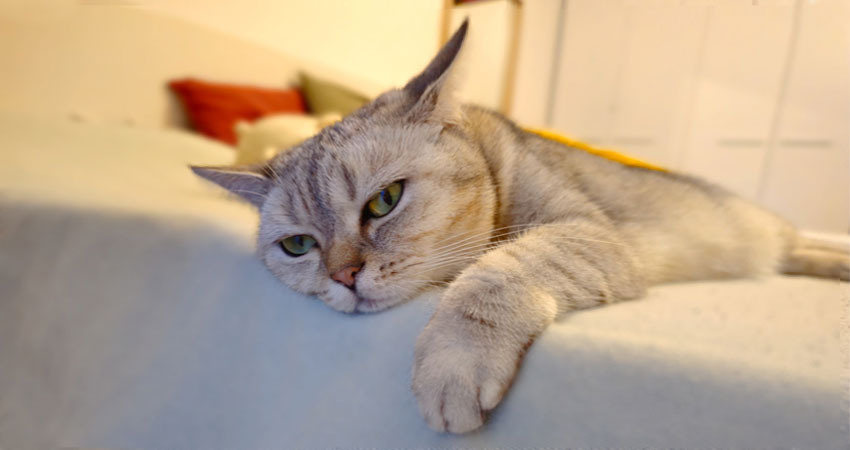
Long absence of owners
In the absence of a loved one, touchy cats accustomed to constant attention may:
- withdraw into oneself and become depressed, refusing to eat;
- do not make contact for a long time after the owner returns;
- leave home in search of a better life.
Rough treatment
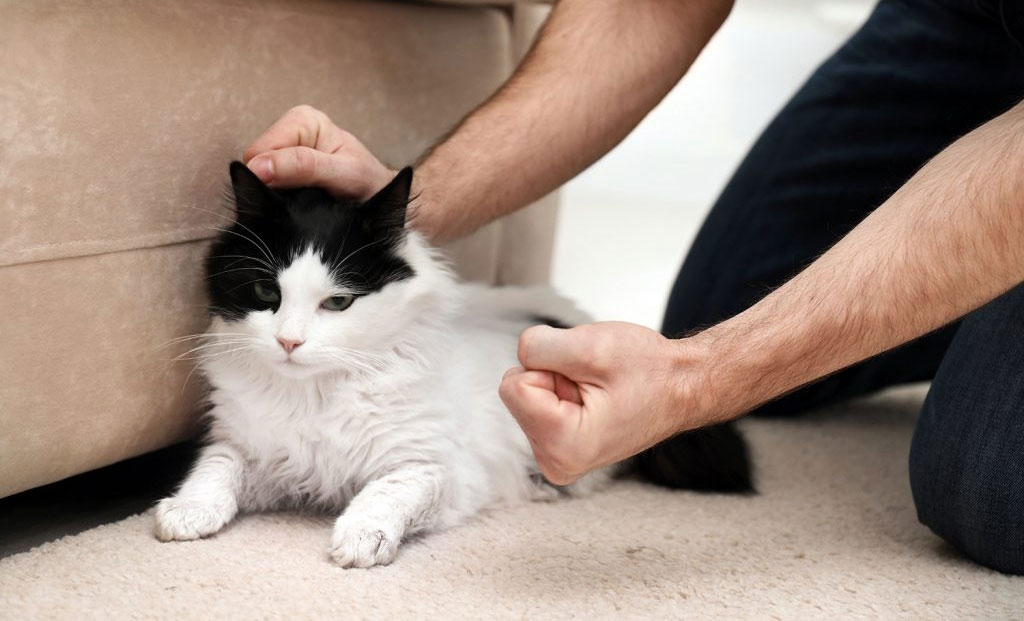
All breeders warn new owners that the use of force to train a pet is unacceptable.
For a kitten, a person is a friend, a playmate, and a source of affection. If an owner uses force, they become a source of pain and fear. After a severe scolding, a cat may not only become offended but also completely lose trust in a specific person or people in general.
Unpleasant (painful) actions
Not understanding why the owner performs certain actions with them that are unpleasant or painful for the animal, the cat may be “offended” for:
- bathing;
- hair or nail trimming;
- carrying out medical procedures (injections, wound treatment);
- a visit to the doctor, etc.
In fact, the change in the animal's behavior in this case is aimed at avoiding the unwanted experience.
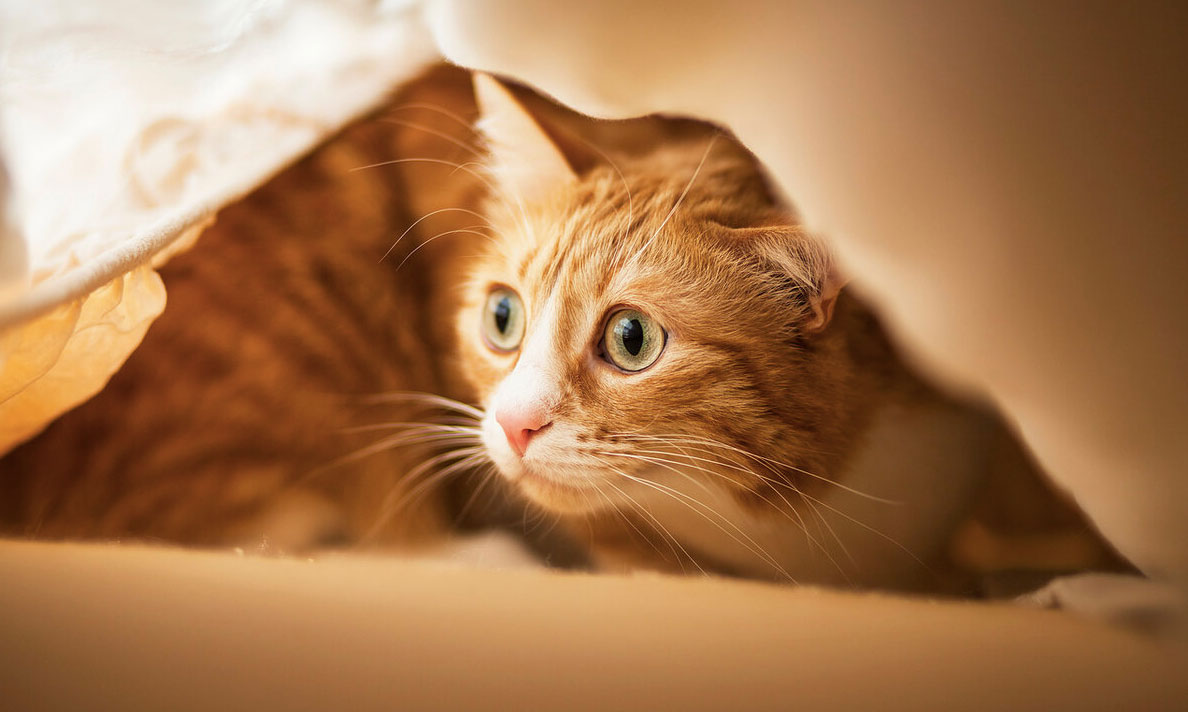
Many owners worry about whether their cats might resent them for spaying or neutering.
Veterinarians emphasize to owners that animals don't associate the spay or neuter procedure performed at the clinic with their owners. Firstly, during the procedure, pets are under anesthesia, meaning they don't see anyone and don't feel pain. Secondly, before falling asleep and after waking up, they usually see the doctor, not the owner. This is why cats who are "offended" by their owners after surgery are no more upset than they are after any other visit to the clinic.
Do cats take revenge?
When we discuss whether cats become upset with their owners, we are essentially examining the animal's reaction to a negative experience in its life associated with a specific person.
Yes, animals can experience fear or anxiety, they can lose trust in their owner and fear a repeat of an unpleasant event, but at the same time, animals cannot make insidious plans for revenge and spend hours thinking about how to "annoy" a person.
Most often, owners mistake bites, puddles in inappropriate places (carpet, bed, shoes), or property damage for some kind of revenge. However, in the vast majority of cases, these events can be logically explained, and changes in the pet's behavior are not a desire for revenge, but rather a consequence of stress.
Read also:
- How to show your cat you love her
- Can cats eat flies and why do they do it?
- A cat's age in human years


Add a comment