
Urolithiasis in dogs: symptoms and treatment
Urolithiasis, or urolithiasis, is a condition in which salt-based stones form in the urinary tract. According to statistics, urolithiasis is diagnosed in 15% of dogs. It primarily affects adult dogs, most often over 6 years of age; urolithiasis is almost never seen in puppies.
If an animal with urolithiasis doesn't receive proper treatment or is started late, complications can include cystitis, urethritis, or kidney disease. If a stone obstructs the urinary tract, the dog will die within hours without immediate treatment. Therefore, pet owners should be aware of the causes of urolithiasis, its main symptoms, and preventative measures.
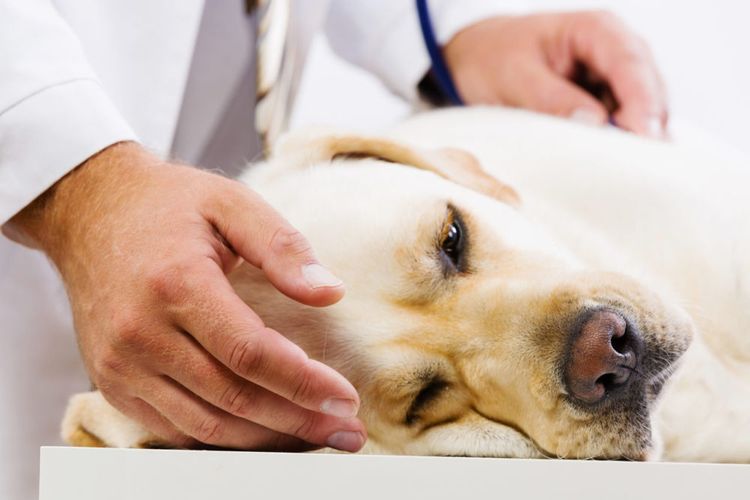
Reasons for development
Urolithiasis in animals can have many causes, and therefore the stones may have different compositions and appearances. The precipitated salt crystals can range from soft mucoid plugs to hard, smooth or irregular mineral conglomerates coated with a proteinaceous shell. Sometimes, several types of stones are found in a dog's bladder or kidneys, but most often, these conglomerates are composed of a single type of crystal.
The formation of triple phosphate stones (struvites) is usually associated with inflammation in the urinary system or exposure to substances secreted by pathogenic microorganisms. These factors alter the pH of urine to an alkaline level, creating conditions for the crystallization of ammonium and magnesium phosphate salts dissolved in urine—triple phosphates. Struvites typically have a smooth surface, so they do not irritate the urinary tract mucosa. Clinical symptoms appear when they move, causing the stone to obstruct the ureter.
Crystallization of calcium and ammonium salts of oxalic acid—oxalates—is caused by a lack of fluid in a dog's diet, a diet high in protein, a sedentary lifestyle, or obesity. Oxalate stones can form in the bladder or kidneys; they have an uneven surface and can damage the urinary tract, causing inflammation.
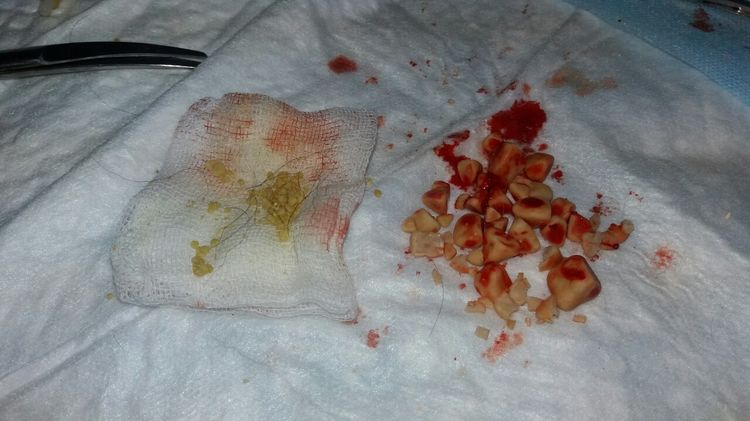
Urate stones are sodium and potassium salts of uric acid. They can form in the kidneys, bladder, and ureters. It is believed that certain breeds are predisposed to the formation of this type of stone. Those at risk include:
- bulldogs,
- Dalmatians,
- Yorkshire Terriers,
- spaniels,
- Pekingese,
- poodles,
- Shih Tzu,
- Schnauzers.
Symptoms
Urolithiasis in dogs isn't always easy to recognize. In many cases, this condition manifests itself only in the late stages or is discovered accidentally during a routine examination. However, there are some symptoms that can help you suspect your pet has urolithiasis.
These signs include:
- The dog asks to go to the toilet much earlier than usual, often licks its genitals;
- Sometimes an animal that has always been distinguished by exemplary behavior cannot restrain itself and can empty its bladder in the apartment without waiting for a walk;
- Urination occurs in small portions, and it is clear that the animal is experiencing discomfort and pain - it squats and whines;
- In some cases, a dog exhausted by pain may experience apathy, lethargy, and loss of appetite;
- Urine becomes cloudy, and due to the presence of blood fragments, it takes on a pinkish or dark red color. The presence of blood in the urine or anuria (inability to urinate) is a reason for an urgent visit to the doctor.
Diagnostics
The primary methods for differential diagnosis of urolithiasis in dogs include urinalysis, ultrasound, and/or radiographic examination. Additionally, a biochemical blood test may be necessary.
Important! When submitting a urine sample, it is important that the urine be collected immediately before the test. Uroliths, which were previously dissolved in the dog's body, crystallize in urine that has been sitting for more than an hour. Therefore, a diagnosis of urolithiasis may be incorrect. A properly performed urine sample also allows one to determine the type of stones, which directly influences the treatment strategy for urolithiasis.
To determine the exact location and size of the urolith, as well as to assess the overall condition of the bladder, ureters, and urethra, the dog typically undergoes an ultrasound or X-ray. To ensure accurate ultrasound results, it is recommended to perform the procedure on an empty stomach (the pet should fast for at least 6 hours before the procedure). Special preparation for X-rays is usually not required.
Treatment
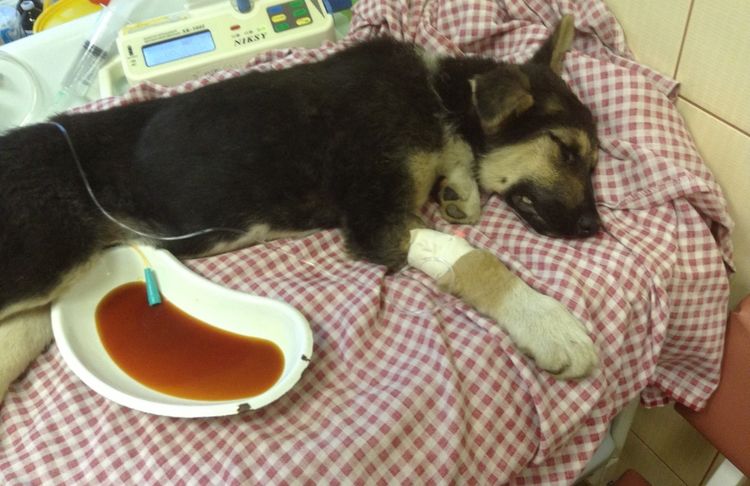
Urolithiasis in dogs can be treated conservatively in most cases; surgical intervention is only required when the stone obstructs the urinary tract, posing a direct threat to the animal's life. Treatment for urolithiasis, regardless of the type of stone, begins with the removal of stagnant urine using a catheter inserted through the urethra.
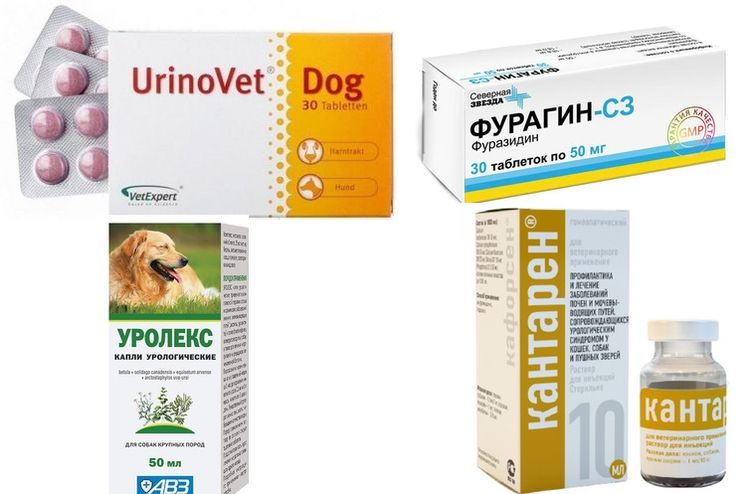
The veterinarian then prescribes medications to relieve spasms, hemostatic effects, pain relief, and anti-inflammatory effects. Most commonly, combination medications made from herbal ingredients are used: Vet Expert UrinoVet Dog, Cantaren, UrolexIf the development of urolithiasis is caused by an infectious disease, a course of antibacterial therapy or the antimicrobial "human" agent Furagin may be prescribed.
One of the main goals in treating urolithiasis is to dissolve bladder stones and prevent the crystallization of new conglomerates. This is accomplished by using medications that alter the pH and chemical composition of urine, as well as mild diuretics.
The animal is also prescribed a long-term diet, the essence of which is to maintain an optimal salt balance in the animal's body. Veterinarians recommend special therapeutic foods for dogs with urolithiasis, balanced for the specific type of urolithiasis. The best brand lines of such dietary foods include Royal Canin, Farmina, Urinary, Hill's.
Important! Urolithiasis is prone to recurrence; it's not actually cured, but rather managed. This is important to remember after seeing the initial effects of treatment. Often, a dog owner, noticing improvement, will emphasize the pet's diet and discontinue medication. Discontinuing treatment and diet will cause all symptoms to return within weeks.
Prevention
Preventing urolithiasis in dogs primarily involves proper care. The likelihood of developing urolithiasis will be minimized by following a few recommendations:
- Feed your dog either exclusively dry kibble or exclusively natural food. Mixing dry and natural food is not recommended.
- The diet should include foods containing vitamins, macro- and microelements necessary for the animal’s body.
- Give your pet either filtered or boiled water. Tap water is not recommended, as it contains high levels of salts that can precipitate under certain conditions. Keep your dog's water bowl constantly stocked with water.
- A good preventative measure is an active lifestyle. Veterinarians recommend walking your dog at least twice a day, spending at least two hours in total.
- Provide your pet with a warm place to rest; under no circumstances should you allow him to sleep on a cold floor.
It's also important to regularly see a veterinarian for preventative checkups and have blood and urine tests done at least once a year, especially if your dog is at risk. Early detection of urolithiasis is much more quickly and successfully treated than advanced disease.
How to protect your dog from urolithiasis: video
Read also:


Add a comment