
Urolithiasis in cats
Urolithiasis, or urolithiasis, is a non-infectious disease of the urinary system in which oxalate or struvite salt deposits form in the kidneys or bladder as sand or stones. Relatively smooth and hard struvites typically form in alkaline environments, while porous, often angular, oxalates form in acidic environments. In cats, a combined type of urolithiasis most often develops. Urolithiasis in older cats can also be caused by urate or cystine salts.
Content
Signs of urolithiasis in cats
At the onset of the disease, when the stones are still small, they cause no discomfort. Signs of urolithiasis in cats appear when the stones grow in size, irritating and damaging the lining of the urinary tract.
Kidney stones in cats can lead to blockage of the renal ducts and urethra, posing a threat to the animal's life.
Typical symptoms indicating the possible development of urolithiasis in cats include:
- frequent false urge to urinate (urolithiasis provokes a feeling of constant fullness of the bladder);
- urine leakage in droplets due to partial blockage of the urinary tract;
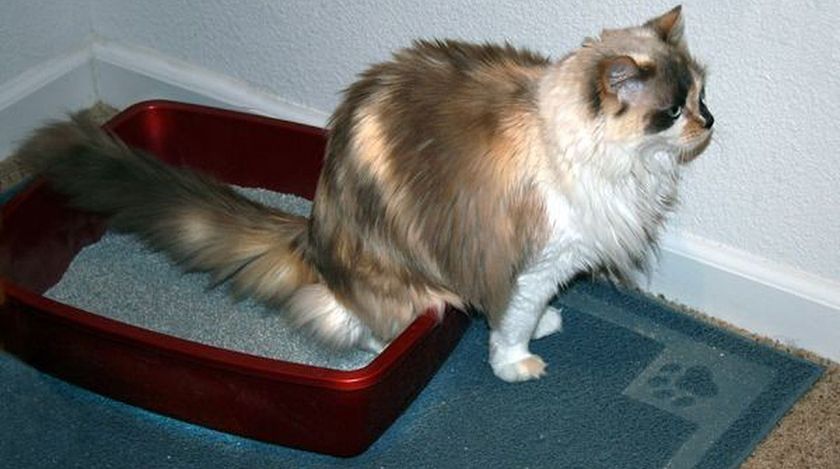
- restless behavior near the litter box - it is clear that the animal is tense and experiences pain when urinating;
- presence of blood or sand in the urine;
- a sharp unpleasant smell of urine;
- frequent licking of the external opening of the urethra;
- lethargy, irritability, lack of appetite;
- severe pain when attempting to palpate the lower abdomen.
In the acute phase of the disease, if the urethra is obstructed, the cat may experience vomiting caused by toxicity of metabolic products (uremia syndrome). The formation of a "urethral plug" and blockage of urine flow can lead to bladder rupture, which, without immediate treatment, leads to peritoneal inflammation. peritonitis.
Knowing the symptoms of urolithiasis in cats, if you notice any signs, you should take your pet to the veterinarian as soon as possible. If your cat has completely stopped urinating, medical attention should be provided within the first two days; otherwise, the risk of death is very high.
Causes of urolithiasis
Deposition of phosphorus-containing salts or oxalic acid salts in the bladder or kidneys (struvites or oxalates) is most often caused by a metabolic disorder, which can be triggered by:
- feed containing excess mineral components, calcium compounds, phosphorus or vitamin C;
- poor quality of water or drinking insufficient quantities;
- deficiency of vitamins A and B6, which ensure the normal functioning of the urinary system;
- hormonal imbalance;
- congenital or acquired anatomical defects of the urethra;
- chronic gastrointestinal diseases or urinary tract diseases;
- slow metabolism (this problem concerns sterilized and elderly animals, who often have reduced levels of physical activity and are overweight).
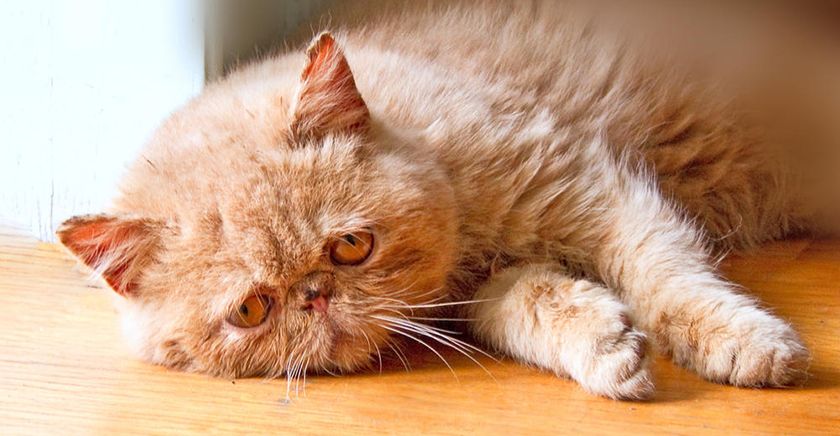
According to statistics, urolithiasis occurs in 12% of domestic cats, with cats over 3 years of age at the highest risk. There is also a genetic predisposition to urolithiasis. Breeds predisposed to this condition include Scottish Folds, British Shorthairs, Persians, and Himalayans. Males, especially spayed ones, are five times more likely to develop urolithiasis than females, due to the structural features of their urethra.
Diagnosis of urolithiasis in cats
The symptoms of urolithiasis are similar to some other diseases of the genitourinary system, in particular, with manifestations chronic cystitis (inflammation of the bladder mucosa). Therefore, diagnosing urolithiasis, in addition to medical history, includes laboratory and imaging tests, the results of which are needed to identify the type of urolytic conglomerates and their location.
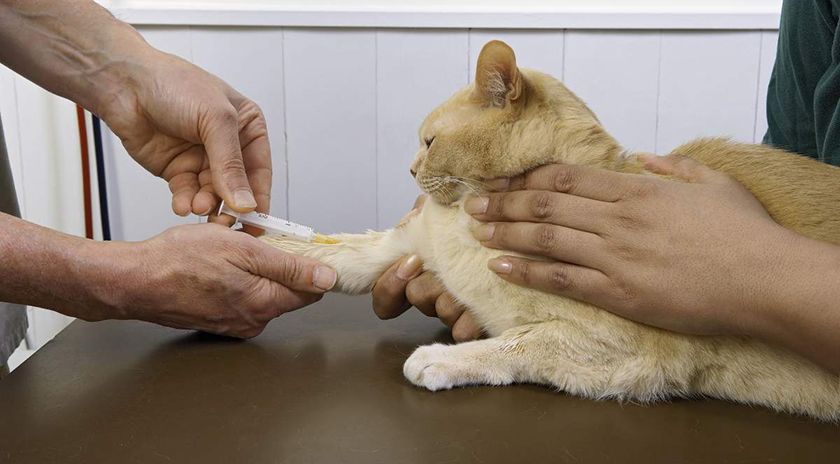
The standard set of diagnostic procedures includes:
- Palpation of the abdominal cavity to determine how full the bladder is and to identify whether there is pain.
- Blood tests (clinical and biochemical).
- Urine analysis (including bacteriological).
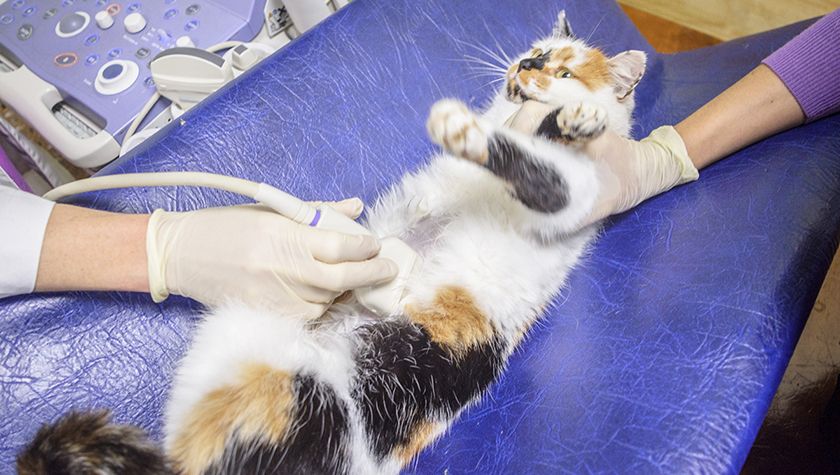
- Ultrasound and X-ray of the abdominal organs are necessary to assess the condition of the urinary system, as well as to determine the size of salt formations.
- If necessary, the cat may be additionally prescribed contrast radiography, which allows the structure of the bladder walls to be examined.
Treatment of urolithiasis
Urolithiasis in cats can be treated conservatively or surgically. The choice depends on the diagnostic results, as well as the animal's sex and age.
Conservative treatment
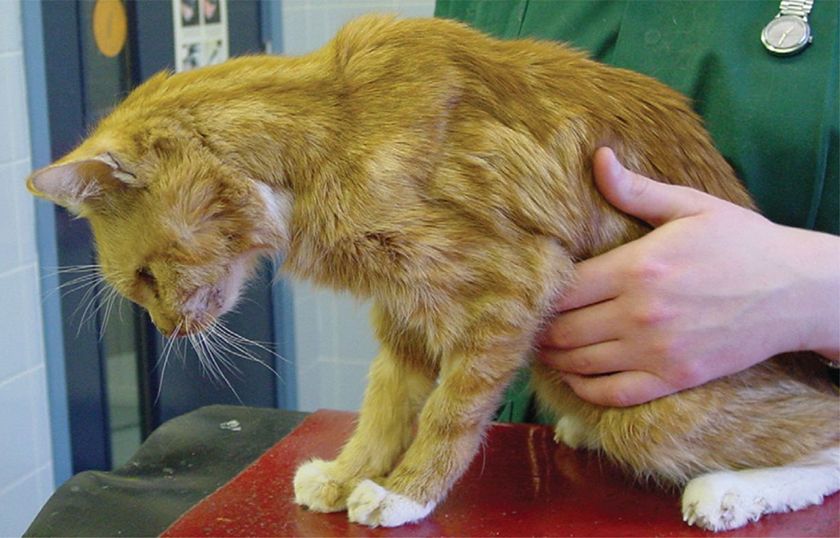
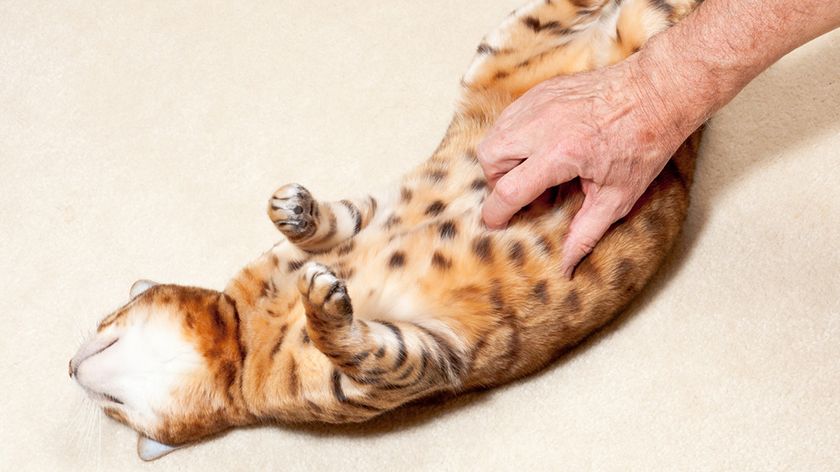
The primary goal of treatment is to restore urethral patency. To ensure normal urine flow, the cat is catheterized and the bladder is irrigated. If necessary, muscle relaxants are administered to relieve urethral spasms, allowing the cat to urinate spontaneously. Cornam (the active ingredient is tyrazosin) is commonly used for this purpose. Lower abdominal massage is also effective for sand plugs.
The further treatment plan for ICD includes the use of a number of medications:
- Anti-inflammatory drugs (Palin, Fitokot, Furagin, Pronefra).
- Antispasmodics, painkillers (Analgin, Baralgin, Papaverine, Ortofen, No-shpa, Vetalgin, Drotaverine, Travmatin).
- Diuretics (the most commonly used is the synthetic drug Furosemide or a herbal remedy Kotervin, which, in addition to its diuretic effect, dissolves soft oxalate stones in the bladder well).
- Sedatives (Bromcamphor, Sodium bromide or veterinary products Vetoquinol Zylkene, AnimAll FitoLine, Relaxlife Sanal, Relax Anti Stress).
- Means for supporting the functioning of the heart and digestive tract.
- Vitamin complexes (containing nicotinic acid, ascorbic acid, biotin, pyridoxine hydrochloride) that have a positive effect on the functioning of the urinary system.
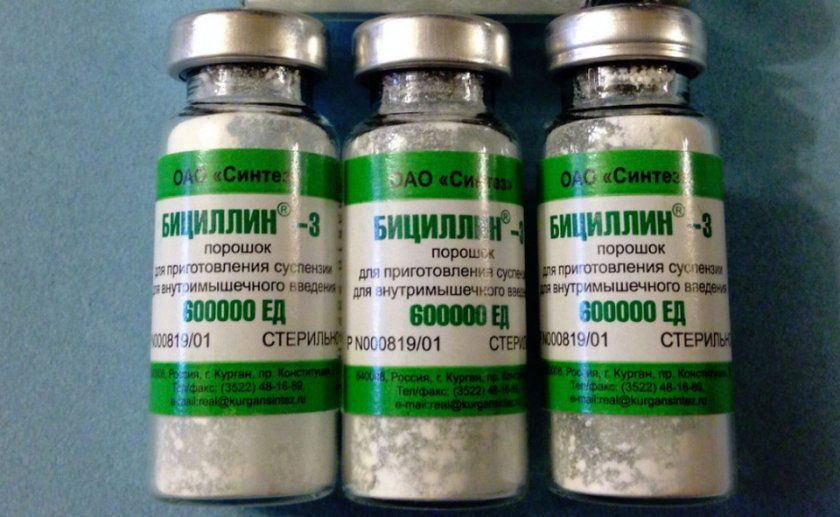
- Antibiotics for urolithiasis in cats are prescribed if an infection is present. These include Baytril, Enroxil, Ceparin, Biseptin, Moxicillin, and Bicillin.
A cat diagnosed with urolithiasis is prescribed a special diet: in some cases, it aims to acidify the urine, while in others, it aims to alkalize it. Plenty of fluids are also important for urolithiasis: it maintains electrolyte balance and accelerates the removal of salts from the kidneys and bladder.
Surgical treatment
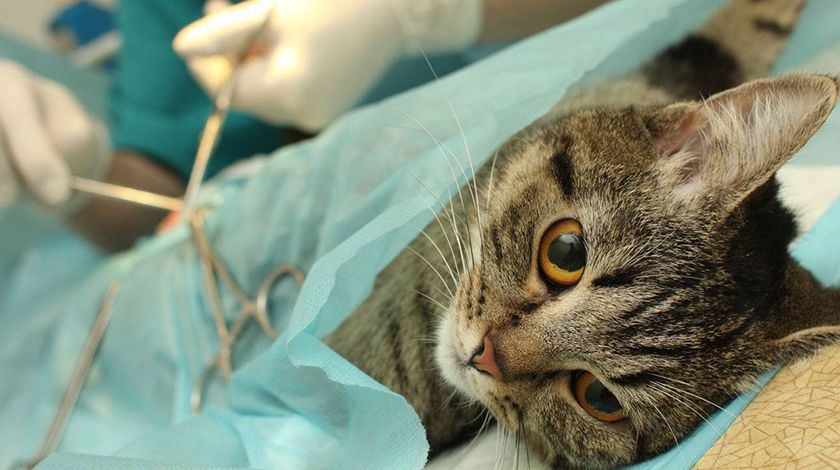
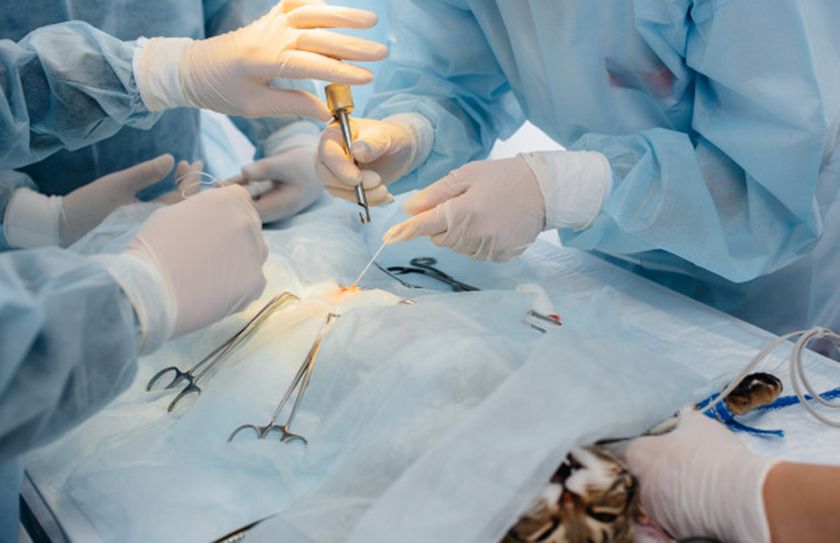
The surgery does not address the underlying cause of the condition; its goal is to remove large stones and restore urine flow. Surgical treatment for urolithiasis is performed in a hospital setting under general anesthesia.
Indications for surgery are:
- complete obstruction (blockage, occlusion) of the urethra by salt conglomerates;
- intoxication of the body: increased levels of metabolic products in the blood;
- the presence of an inflammatory process in the urinary organs;
- recurrence of urethral blockage.
Contraindications to surgery:
- presence of concomitant infection;
- liver dysfunction;
- serious cardiovascular diseases.
Surgical treatment can be carried out using several methods, their choice depends on the location, size and number of salt formations.
Lithotripsy
This is a minimally invasive method for removing stones from various parts of the urinary tract using shock waves. A special device, a lithotripter, generates pulses and directs them to the location of the stones. The cat's kidney stones are crushed into sand or small particles, which are then gradually eliminated from the body naturally through urine. To speed up the evacuation of small salt stones, the cat is prescribed a course of forced diuresis.
Cytotomy
The method involves removing large stones from the bladder through an incision in the bladder wall. A catheter is then placed in the bladder for two weeks to drain urine.
Urethrostomy
This is a surgical procedure that removes the narrowest section of the urethra and creates a wide artificial canal in its place. In some cases, a stoma is created. This procedure is indicated for repeated recurrences of urolithiasis. In neutered male cats, urethrostomy, in addition to replacing part of the urethra, often requires removal of the scrotum, testicles, and penis.
Diet for urolithiasis
A cat's diet for urolithiasis is based on minimizing foods containing significant amounts of calcium, phosphorus, magnesium, and oxalic acid. If the cat is on a natural diet, fish, dairy, and eggs should be excluded from its menu. Offal and fatty meats should be kept to a minimum in its diet. Lean meats should be the mainstay, while vegetables, rice, and rolled oats are also beneficial. It is recommended to feed cats with urolithiasis 5-6 times a day, in small portions.
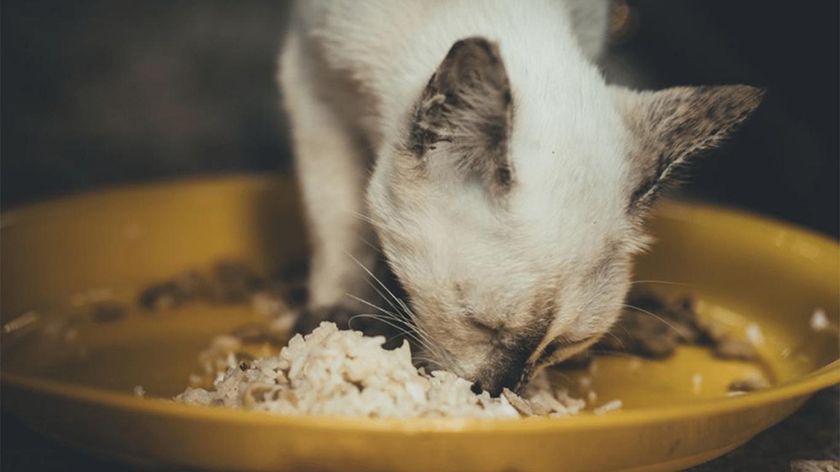
There are therapeutic options for prepared foods for cats with urinary tract problems: dry (kibble) and wet (meat pates, canned meat in jelly, or with added vegetables). They contain all the nutrients, vitamins, and minerals a cat needs, but the formula is specially formulated by nutritionists to stimulate the dissolution of stones and prevent the formation of new salt deposits. Furthermore, these foods usually have a mild diuretic effect.
The veterinarian prescribes the type of therapeutic food individually, depending on the type of uroliths detected during the cat's examination, the severity of the disease, and any associated pathologies. If struvite-type stones or sand are detected in the cat's bladder, a urine acidifying food is needed to neutralize the alkaline salts. If the stones are oxalate (acidic), the food should be alkaline to reduce the urine's acidity.
Using wet food as a cat's sole source of nutrition is not recommended: it does not contain sufficient amounts of essential nutrients. Therefore, it is best to combine wet prepared foods with dry foods (not mix them for a single feeding, but alternate them).
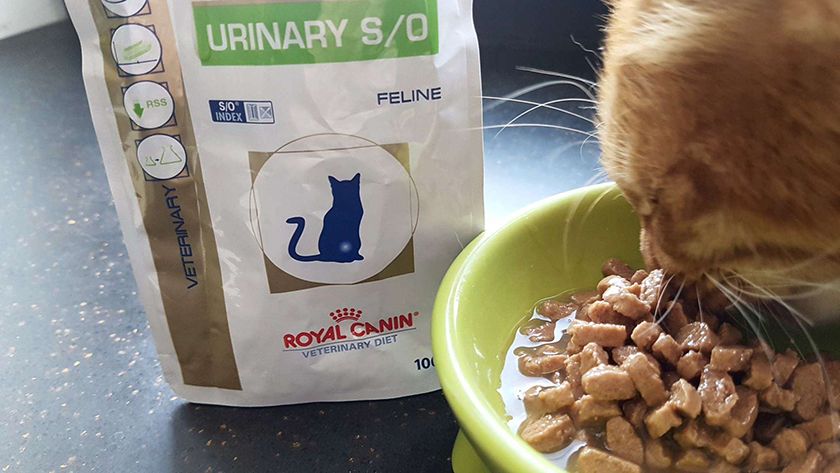
Felinologists and veterinarians consider the following foods to be the best for cats with urolithiasis:
- Royal Canin Renal Feline (country of origin: Austria);
- Hill's Prescription Diet Feline s/d (Netherlands);
- Purina Pro Plan Veterinary Diets NF (Hungary, Italy);
- Club 4 paws Premium Urinary (Ukraine, Poland);
- Brit VD Struvite Cat (Czech Republic);
- Monge Cat Urinary (Italy).
Prevention of urolithiasis in cats
To prevent kidney and bladder disease in cats, use only high-quality foods containing minimal amounts of salts, which can trigger the formation of uroliths. If using commercial foods, they should be holistic, premium, or super-premium.
Elderly or obese cats, as well as breeds genetically predisposed to urolithiasis, require special attention. These cats are recommended to have regular veterinary checkups, including a genitourinary ultrasound every six months, and blood and urine tests.
If your cat has already been diagnosed with urolithiasis, you should try to prevent recurrence by making lifestyle changes. In addition to following a lifelong diet and plenty of fluids prescribed by your veterinarian, you should protect your cat from stress, overheating, and hypothermia, avoid obesity, and ensure moderate but regular physical activity.
Read also:
- Blood in a cat's urine: causes and treatment
- Why did my cat start peeing everywhere?
- Protein in Urine in Cats: Causes and Treatment


Add a comment