
Mittelspitz (medium-sized Spitz, German Spitz)
The Mittelspitz (medium Spitz, German Spitz) is a breed of small toy dogs from the German Spitz family. Like other Spitz-type dogs, Mittelspitz have a rich coat and a docile nature. They are energetic, intelligent, and very devoted to their owners.
Content
History of origin
Spitz dogs were most widespread in Germany, and their breeding is believed to have begun in the 14th century. Large Spitz dogs were primarily owned by the poor and used as guard dogs and gundogs, while smaller Spitz dogs were very popular among nobles and can be seen in the paintings of many European artists.
In the 18th century, the name "Spitzhund" was coined, and active breeding efforts began. At the end of the 19th century, a breed club was founded in Germany and standards were developed for several Spitz breeds, which were then grouped together under the name "German Spitz." Today, the term "German Spitz" encompasses five dog breeds: the Wolfspitz (Keeshond), the Large Spitz (Grossspitz), the Medium Spitz (Mittelspitz), the Small Spitz (Kleinspitz), and the Miniature Spitz (Pomeranian).
Appearance and standards
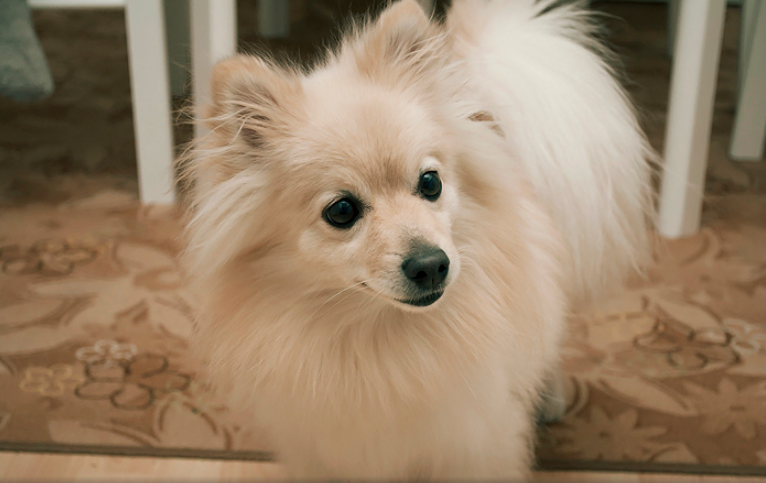
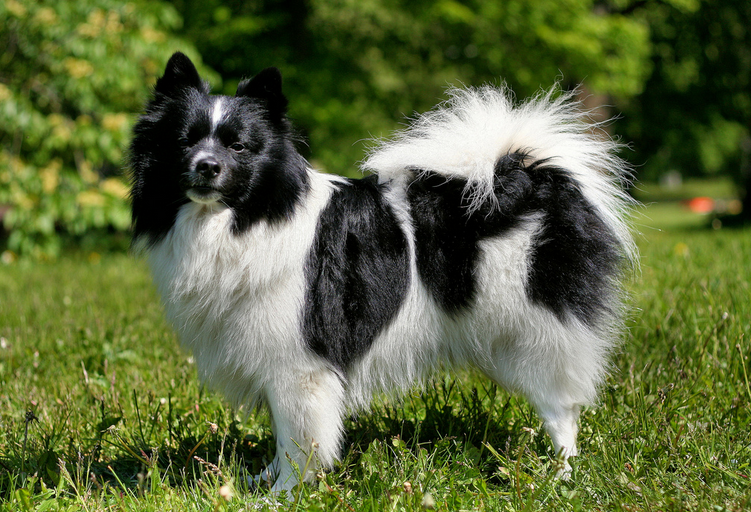
The Mittelspitz is a fox-like dog with a rich coat and an alert gaze. The length-to-height ratio is 1:1. Height at the withers is 29-36 cm, weight 10.5-11.5 kg.
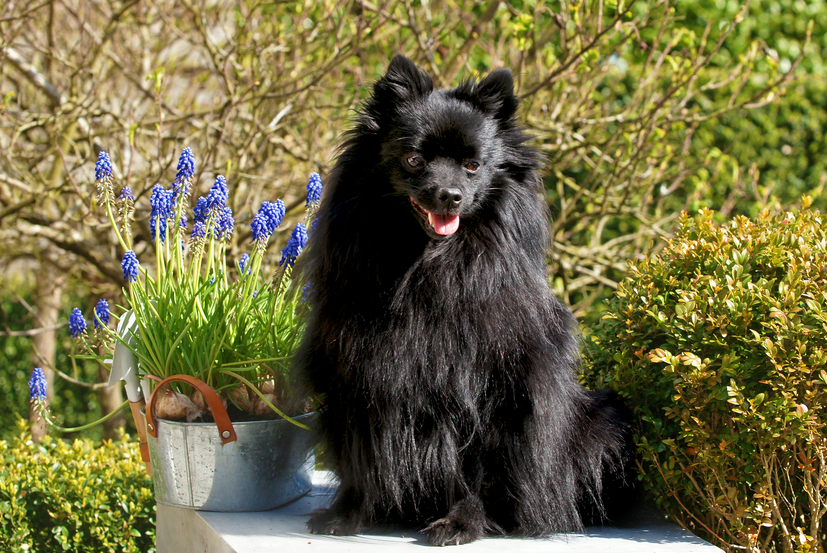
The head is proportionate to the body, tapering toward the tip of the nose. The stop is clearly visible. The nose is black or dark brown, depending on the coat color. The dentition is standard, with a scissor bite. The eyes are medium-sized, almond-shaped, set straight, and brown in color. The ears are small, triangular, with pointed tips, erect, set high and close together. The neck is of normal length, slightly widening at the base. The back is straight. The tail is set high, curled over the back in a ring. The fore and hind legs are correctly angulated, of medium length, and set parallel. The movement is free, easy, and slightly springy.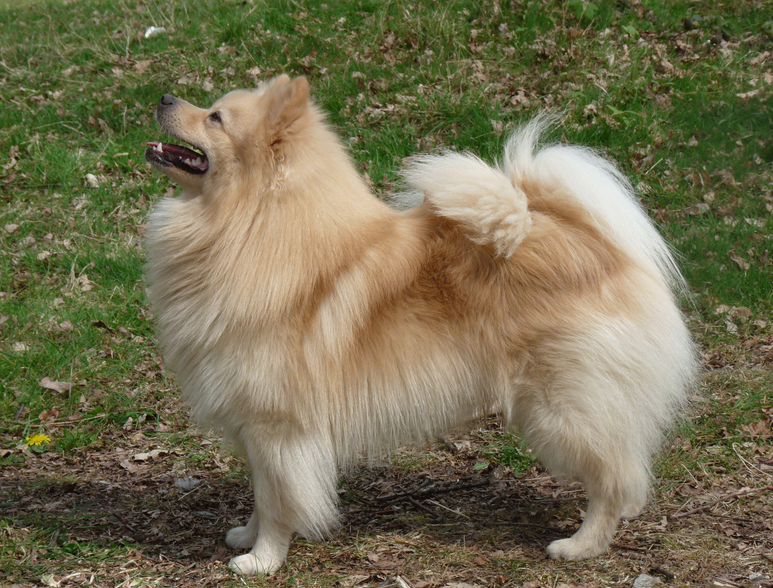
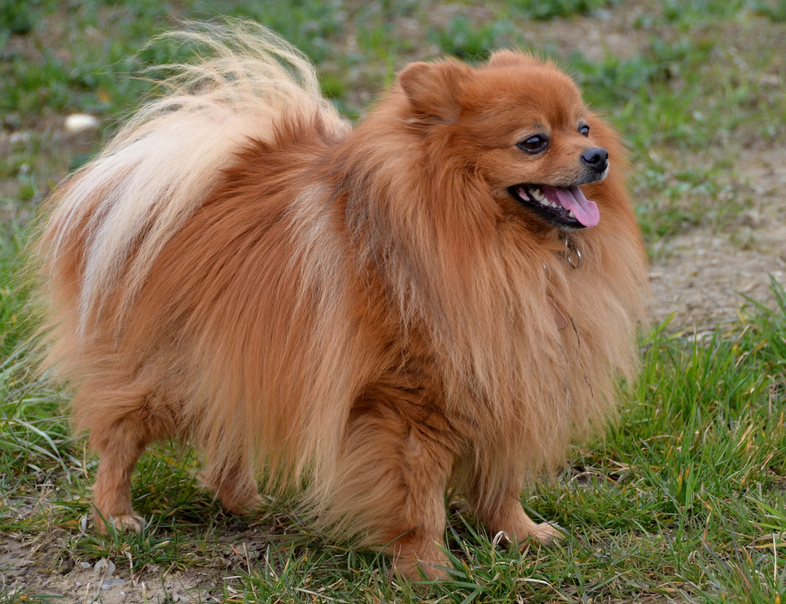
The coat consists of a long, straight topcoat and a dense, soft undercoat. The feathering forms a profuse ruff and feathering on the legs and tail. Color: brown, black, orange, or white without spots, gray with shading, as well as cream, black and tan, sable, or spotted. Spotted dogs should have a white base color with black, brown, orange, or gray spots scattered throughout the body.
Training and education
Spitz are very playful dogs; they can quickly learn and follow commands if they are engaged in training from an early age. They dislike monotony and routine the most. For a Spitz, training is a game, which means it should be engaging. Furthermore, Spitz have a difficult personality; they should not be yelled at or hit. They should be treated with respect but also with firmness.
The Spitz needs socialization; it needs to be accustomed to other dogs and people. It is taught a standard set of commands that it must know and obey. Additionally, it can be taught various tricks. Most members of the breed are prone to barking, regardless of provocation; it's best to break this habit from puppyhood. It's important to teach your pet proper behavior and recognize when barking is truly necessary.
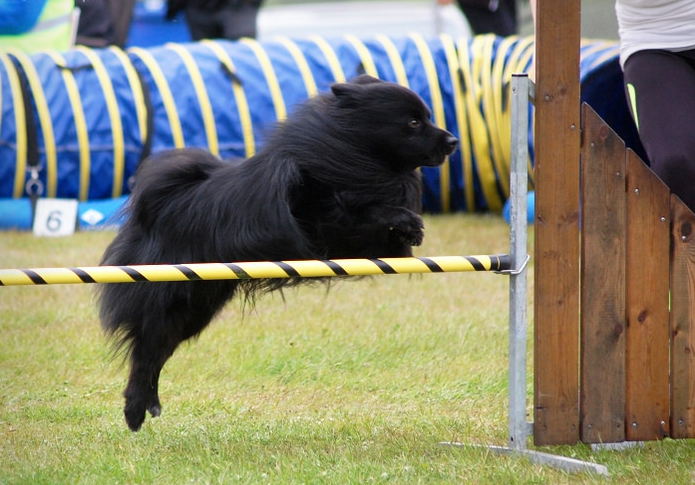
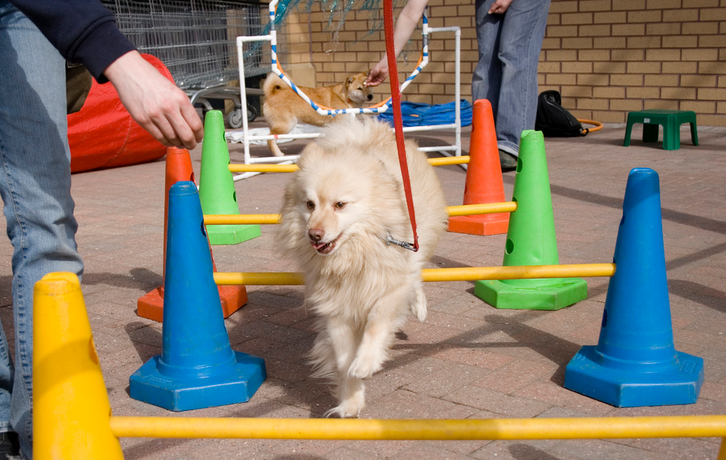
Spitz are very active and energetic, requiring regular walks filled with games and light exercise. It's strongly recommended that these dogs not be restricted in walks, as they can become irritable, unruly, and vocal without fully expending their energy through play. Agility competitions are a great pastime for Spitz.
Character and psychological portrait
Intelligent, independent, and with a lively and energetic temperament, Mittelspitz dogs form strong bonds with their owners and families. They are sensitive to any changes in their surroundings. They require constant human interaction, attention, and understanding. Mittelspitz dogs are excellent guard dogs, wary of strangers, and vigilant, always alerting their owners to the approach of strangers. Despite their size, they are confident in any situation and sometimes pester larger dogs.
Mittels generally get along well with other pets in the house, including small rodents or birds, but if they don't get enough attention, they can become extremely jealous and snap at their housemates. They get along very well with children of all ages, are always ready to play and are patient with mischief.
Maintenance and care
The Spitz doesn't require a lot of space and can be kept even in a small apartment, provided it gets enough exercise. It should have a separate, comfortable place to sleep and rest.
A characteristic feature of the Spitz coat is that most dead hairs don't fall to the floor, but are held in place by the undercoat. Therefore, they need to be brushed at least once a week, and sometimes daily during shedding season. Bathe the dog as needed, but no more than once a month is recommended. Use gentle shampoos and conditioners to prevent brittleness and dryness. After bathing, thoroughly dry the undercoat with a hairdryer. Regularly clean the dog's ears, eyes, and teeth, and trim their nails.
Diet and health
Mittelspitz are rarely picky eaters, happily consuming both dry food and natural food. The owner decides which type of feeding to choose. In any case, the diet should be healthy and balanced, with supplements and coat vitamins added if needed. It's important to stick to a feeding schedule, provide the dog with free access to clean drinking water, and avoid overfeeding, as Mittelspitz are prone to obesity. If you prefer to feed your dog prepared food, it's definitely worth using high-quality holistic foods or at least super premium ones.
Medium Spitz are strong, hardy dogs. With proper care and feeding, they rarely get sick and only need to visit the veterinarian for routine checkups or preventative treatments. After 10 years, they begin to develop health issues that are common in older dogs. Average life expectancy is 14-15 years.
Choosing a Mittelspitz puppy and the price
Choosing a puppy is a responsible and difficult task, and in the case of the Mittelspitz, the task is significantly complicated by the fact that the breed is rare. Most registered German Spitz breeders breed Pomeranians, and only occasionally will you find a Mittelspitz, let alone at bird markets. It's best to get a dog from a breeder. An experienced breeder will always provide comprehensive advice on the chosen breed, including information about the parents and pedigree.
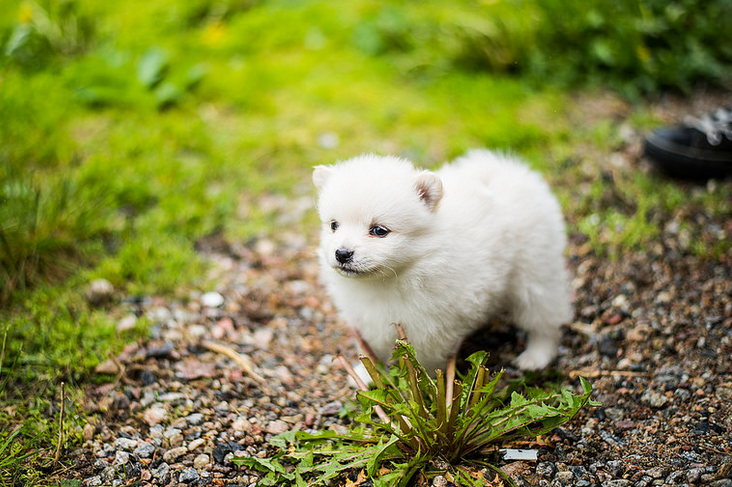
Puppies can be shown at 1.5-2 months of age, and it's recommended to bring them home at 2.5-3 months. By this time, they should have had their vaccinations and have their breed and veterinary papers. They should be healthy, inquisitive, and active, with a good appetite, a clean, shiny coat, and clear eyes.
The price of a Mittelspitz puppy starts from $350.
Photos
Photos of Mittelspitz (medium spitz, German spitz):
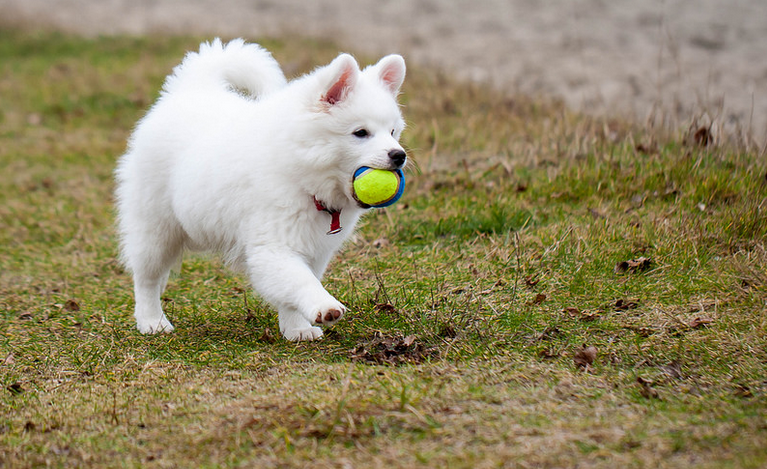
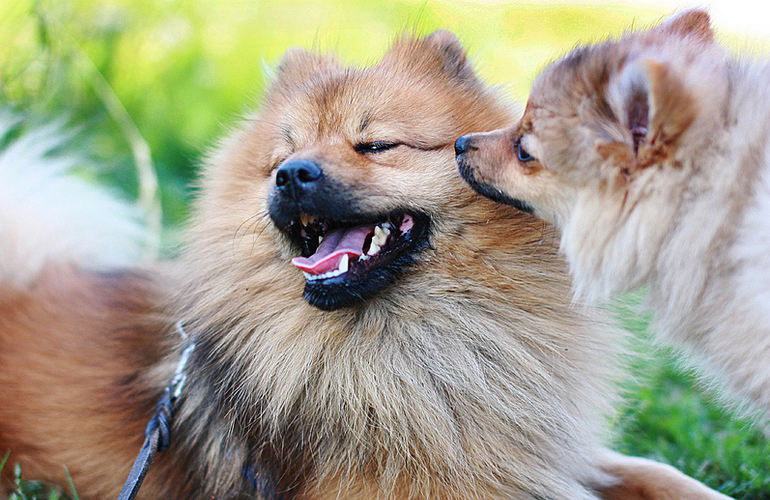
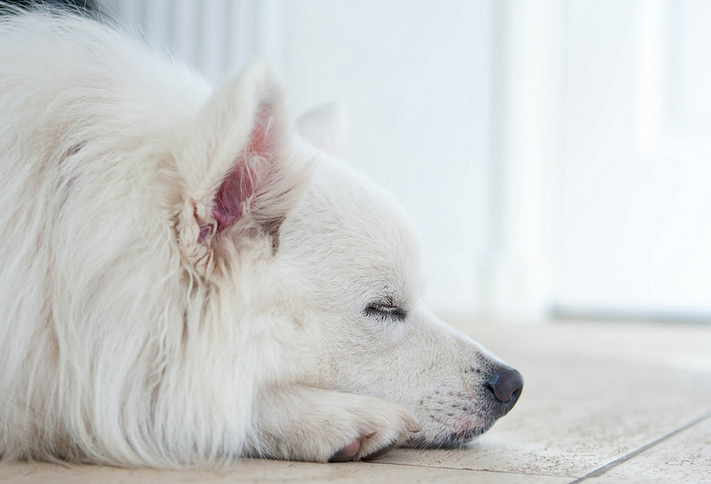
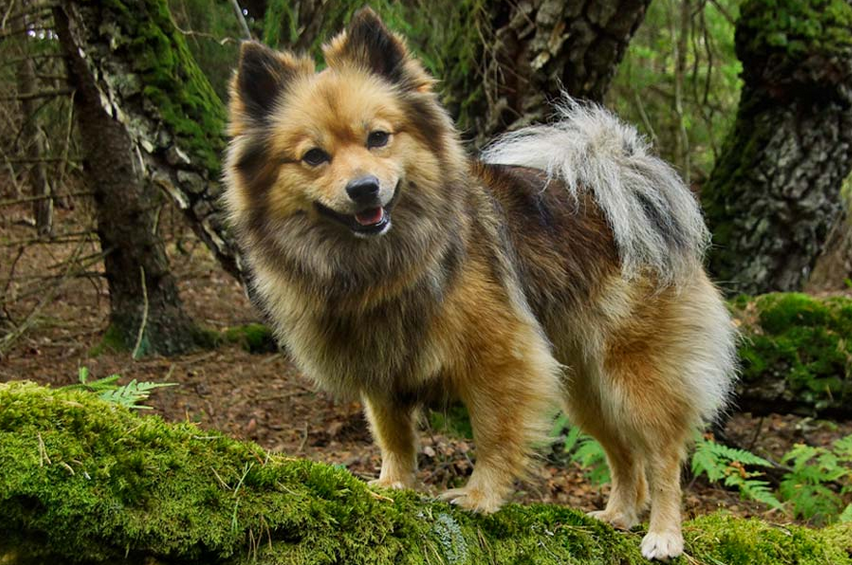
Read also:


1 comment
Natalia
Where can I buy a Spitz? Can you recommend any breeders?
Add a comment