
Mittelschnauzer (standard or medium sized schnauzer)
The Mittel Schnauzer (standard or medium sized Schnauzer) is, without exaggeration, a universal dog breed.
Content
Purpose
In the distant past, their main task was guarding stables, exterminating rats and moles, and escorting coachmen. They were often used as cattle drivers. During wartime, these intelligent dogs worked for the army, delivering mail and medicine to the front. They were also trained to serve as customs bloodhounds. But the breed is renowned for more than just its working abilities.
Miniature Schnauzers are loyal and devoted companions, reliable, active, and cheerful. The Miniature Schnauzer is an excellent dog for those who want a reliable guard dog and a good friend all in one. The breed's country of origin is Germany.
History of origin
Within the Schnauzer family, the Mittel stands between the Miniature Schnauzer and the larger Giant Schnauzer, hence the breed's other name, the Standard or Medium Schnauzer. They only acquired their modern name in the early 20th century, derived from two German words: "mittel" (medium) and "schnauz" (whiskers). Before that, the dogs were known as German Wirehaired Pinscher.
The surviving accounts of the Standard Schnauzer's origins tell of two completely different breeding routes, described by two cynologists: the German Reinbach and the Austrian Fitzenger. One wrote that wire-haired pinschers descended from pugs and poodles, while the other claimed their ancestors were the German Spitz and the lapdog. In 1876, in his book "Dogs and Their Breeds," Fitzenger described three schnauzers of varying sizes. However, it was the medium-sized ones that attracted the least attention from the aristocracy and were called "stable dogs."
After the 1879 exhibition, where the wire-haired pinscher was first presented, systematic and targeted work with the breed began, and already in 1895 the first meeting of the breed club took place and the standard was approved.
Appearance and standards
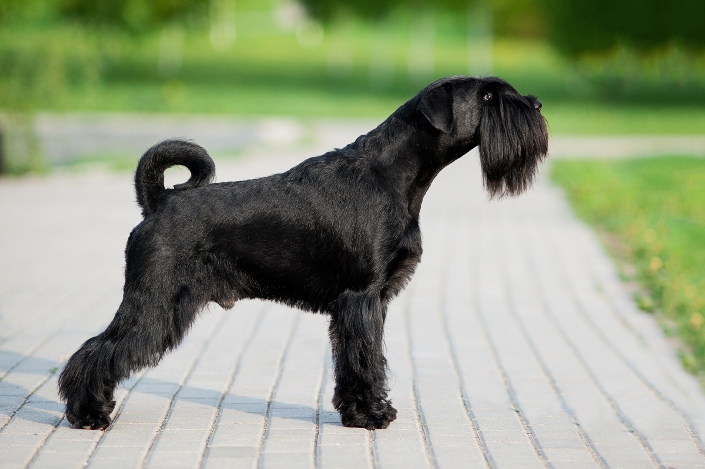
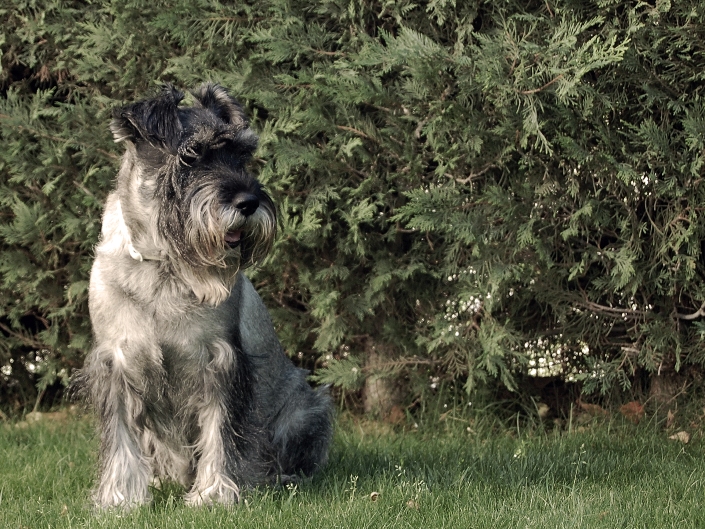
The Miniature Schnauzer is a strong, stocky dog with a square build. It stands 45-50 cm tall and weighs 14-20 kg.
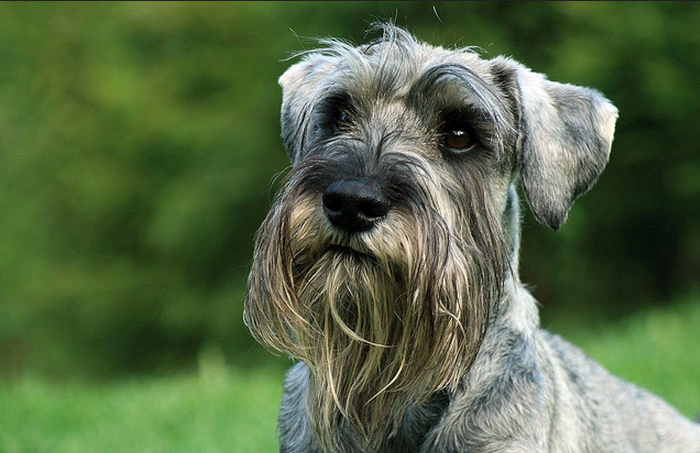
The head is proportionate to the body structure. The muzzle is blunt and wedge-shaped. The forehead is flat, with a well-defined transition to the straight bridge of the nose, accentuated by the eyebrows and black nose leather. The bite is scissor-shaped. The lips are tight and dry. The oval eyes are set straight and dark in color. The ears are triangular, set high, and hang on cartilage. The neck is muscular, without folds or wrinkles, and the transition to the withers is smooth.
The topline slopes slightly from the withers to the tail. The croup is rounded. The chest is moderately broad. The legs are stocky, straight, and parallel, not too close together. The paws are rounded and short, with small, dark nails. The gait is free, somewhat sweeping, and agile.
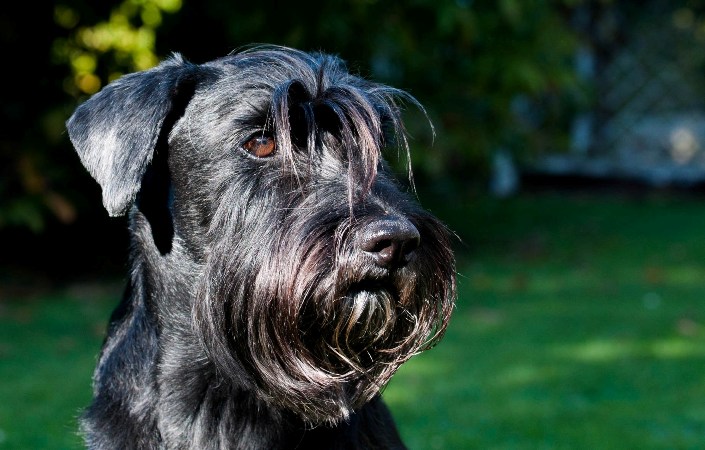
The coat consists of a thick, wiry undercoat and a straight, coarse outer coat. The topcoat forms the moustache, eyebrows, and beard. The coat can be pure black or peppered.
Training
Miniature Schnauzers are very intelligent dogs, easy to train, and eager to obey commands. By four months of age, they can remember over 20 commands. This requires a competent owner. Miniature Schnauzers can often be stubborn and willful, and they can also be disobedient or even unruly if they don't view their owner as a leader. The key to training a Miniature Schnauzer is a combination of a firm hand, play, and praise. After a specialized training course, these dogs can become not only a good companion but also a reliable protector for the family.
Very active and energetic, Miniature Schnauzers require ample exercise. These dogs love to run, jump, and frolic. They'll always join you on a run and usually enjoy participating in various dog sports, such as agility and freestyle. A well-behaved pet will never stray far from its owner, as it's important for them to serve alongside their owners, thus demonstrating their respect and devotion.
Character and psychological portrait
The temperament of the Mittel Schnauzer is balanced and strong, yet playful and inquisitive. One moment, the Mittel Schnauzer can be cheerful, good-natured, and energetic, but when needed, a second later, they are focused and level-headed. These dogs are incredibly devoted to their owners. They generally don't show excessive aggression toward strangers, but they are wary. The Mittel Schnauzer is a strong leader; their stubbornness, cunning, and independence often make training challenging.
They are average with other animals, but often clash with dogs due to their desire to dominate. They can be jealous or aggressive toward smaller pets, and their innate hunting instinct can make it difficult for untrained dogs to interact with cats. They are very good with children, especially older ones.
Maintenance and care
The Miniature Schnauzer adapts well to any living environment. They are suitable for kennel life, tolerate both cold and hot climates well, and prefer to spend as much time outdoors as possible. They thrive in apartments, and their coats have no distinctive odor. Shedding is minimal with regular grooming, but problems can arise if they don't get enough exercise.
Care
The Miniature Schnauzer is quite demanding in terms of grooming. It requires daily attention. Brush its coat every other day. It's important to prevent the undercoat from matting, as this will keep the topcoat looking neat. It's recommended to wash the dog's paws after every walk, as dirt and debris can become lodged between the pads. After each feeding, clean the beard and mustache with a damp cloth or rinse with water. Bathe as needed, but no more than once a month, using a special shampoo for wire-haired breeds. Trim the dog two to three times a year.
The pet's ears are regularly inspected, and the fur inside the ears is cleaned or plucked if necessary. Schnauzers brush their teeth themselves, while also enjoying chew toys and treats.
Trimming a Mittel Schnauzer
A key aspect of grooming for Miniature Schnauzers is trimming, which involves plucking the hair in specific areas. Trimming begins at four months of age, and is then done two to three times a year. The frequency depends on the rate of coat maturation, which typically takes four to six months. Before a show, trimming is performed six to eight weeks before the event.
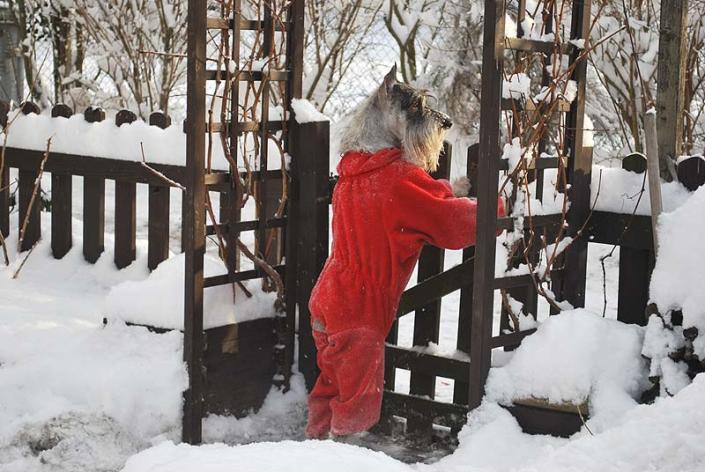
The hair is plucked from the neck, back, sides, shoulder blades, and thighs. The remaining body parts—the dewlap, head, undertail, lower legs, and belly—are carefully trimmed. Hair is also plucked from the ear canal. After trimming, the dog's body is covered with very short hair, so in cold weather, clothing is chosen to prevent hypothermia.
Health and Diet
In general, the breed is healthy, but there are a number of diseases to which it is particularly predisposed:
Predisposition to diseases
- Hypothyroidism (thyroid dysfunction);
- Tumors of various types (malignant and benign)
- Atopy (allergies with manifestations on the skin);
- Flatulence;
- Hip dysplasia;
- Epilepsy;
- Diabetes;
- Eye diseases (glaucoma, cataracts).
Life expectancy is 14-16 years.
Diet
Most Standard Schnauzers are not picky eaters at all. They will happily eat dry food or natural food. The key is a healthy and balanced diet. When choosing commercial food, it's best to choose internationally renowned brands, but the food should not only be high-quality but also appealing to the dog's taste. Natural food enthusiasts should pay special attention to the diet, which is best developed with the help of a dog trainer or veterinarian.
Miniature Schnauzers are prone to bloat, so it's recommended to feed them at least twice a day. Food should not be given immediately after or before vigorous exercise, and should be strictly portioned and at the optimal temperature. Regardless of the diet, drinking water should always be freely available.
Choosing a puppy and the price of a Mittel Schnauzer
Every puppy is an individual, even within a single litter they can be heterogeneous, and experienced breeders, as a rule, immediately select the most promising and sell them at a higher price, but this does not necessarily mean that they will grow up to be champions.
You can choose a companion dog from non-titled parents; such puppies are much less expensive. However, if you're looking for a show dog or a breeding prospect, keep in mind that a dog's appearance and temperament can only be determined with any certainty by six months of age.
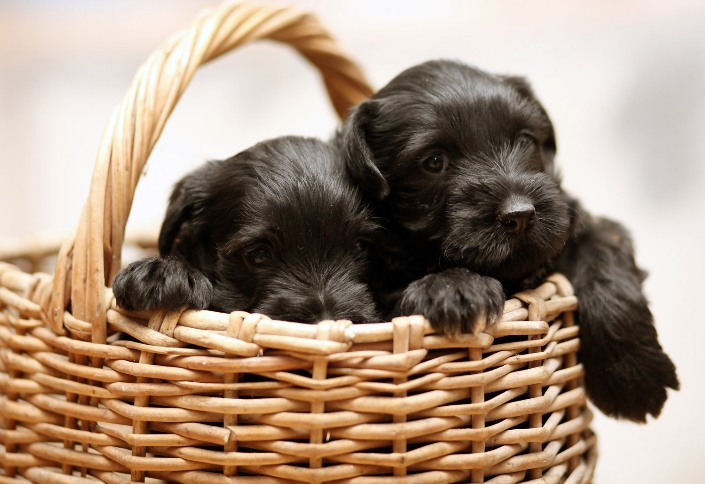
A Standard Schnauzer puppy can be adopted at 2-2.5 months of age. By this age, it should be dewormed, have had its first vaccinations, and have its puppy papers ready. A healthy dog should have a good appetite, clear eyes, and a shiny coat. If black, it should be a solid color, without spots or inclusions of hair of a different color. Peppered Schnauzers should have no brown or red spots or inclusions, and the undercoat should be light gray. A two-month-old puppy weighs approximately 4 kg (9.8 lbs) and stands 27-28 cm (11-11 in) tall. Its eyes are oval and dark with pigmented eyelids. Its back is straight and short. Tails and ears are rarely docked these days.
The price of a Standard Schnauzer puppy depends on the class and breeder. Puppies without a pedigree can be purchased starting at $150. Dogs with papers from reputable breeders can cost up to $600, while puppies from parents who have won prestigious shows can cost even more, but are typically around $1,000.
Photos
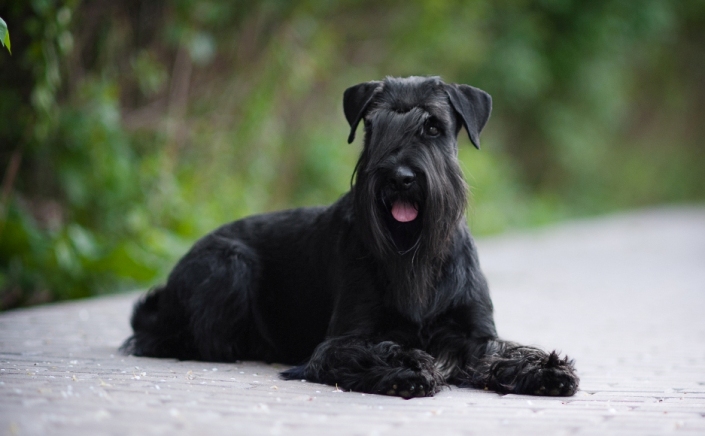
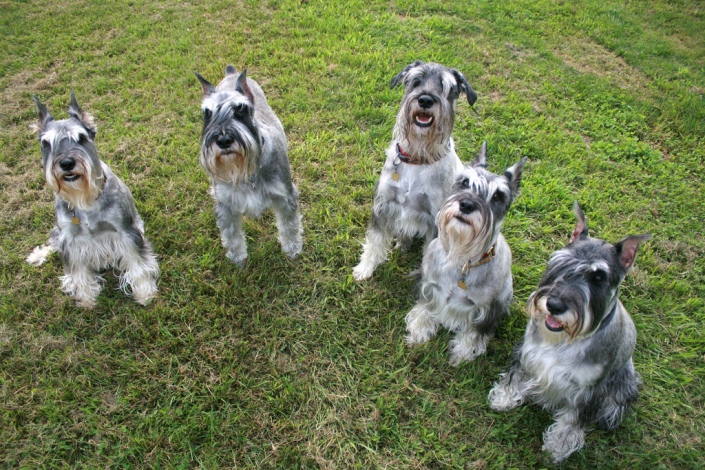
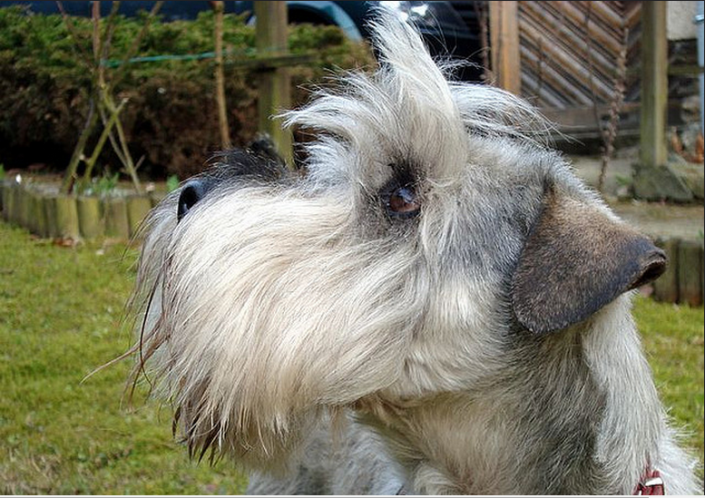
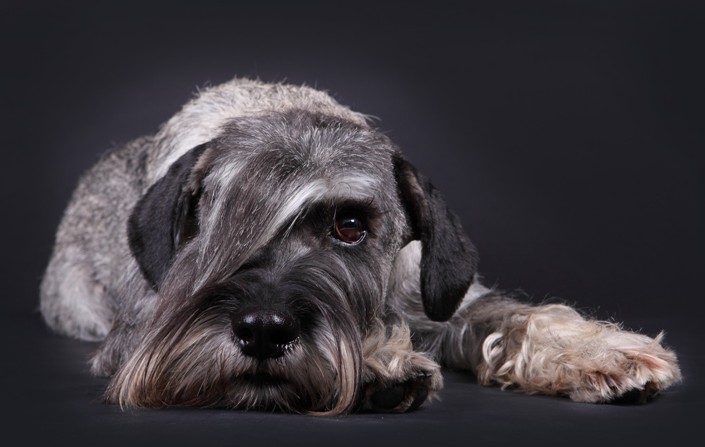
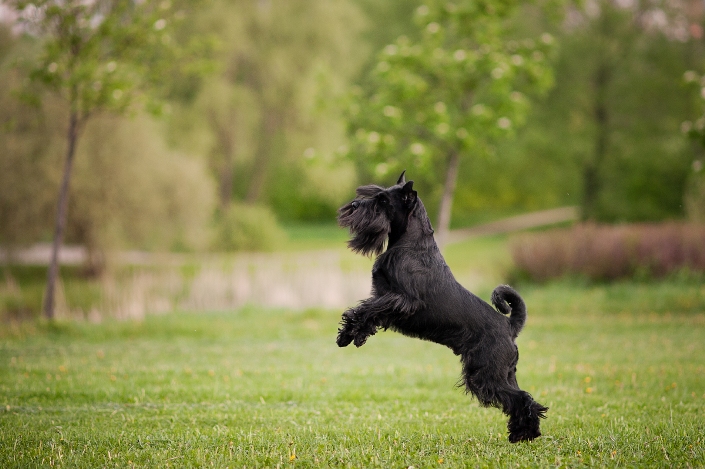
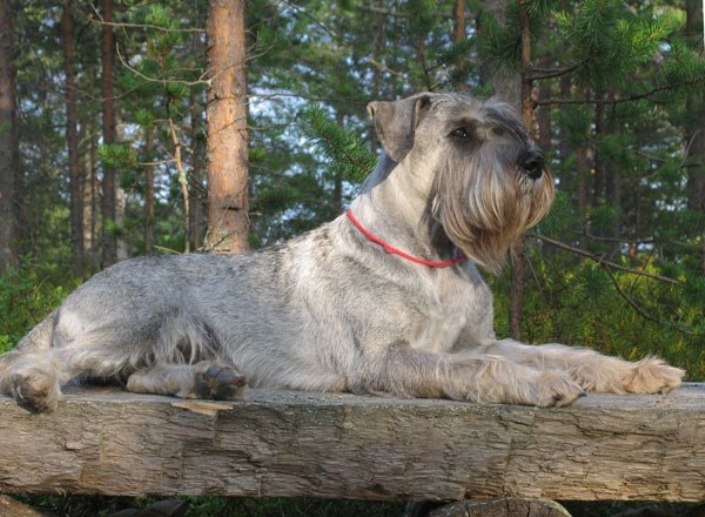
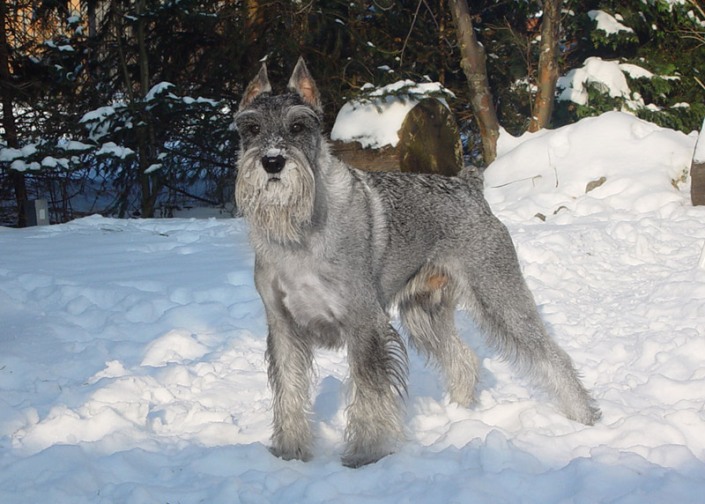
Photos of Mittel Schnauzers:
Read also:


Add a comment