
Minskin cat breed
Minskin Minskins are an experimental cat breed resulting from crossing Munchkins and Sphynxes. The resulting offspring are small, playful cats with short legs and a hairless body. These cats are unique, unlike any other existing breed. They have a calm and friendly nature. Minskins are very sociable and, more than other cats, require human care and attention.
Content
History of origin
The development of the original cats began in America. Work on the new breed began in Boston, Massachusetts, in 1998. Breeder Paul McSorley wanted to produce short-legged cats with fur that would have pigments arranged like those of Siamese cats, meaning shaded areas. The first such cat was born in 2000, and by 2005, Paul had about 50 cats that met his requirements. Also involved in the breeding work were Burmese cats And Devon RexMinskins turned out to be very similar to another experimental breed – Bambino.
Minskins are registered with the TICA Breed Development Program.
Video review of the Minskin cat breed:
Appearance
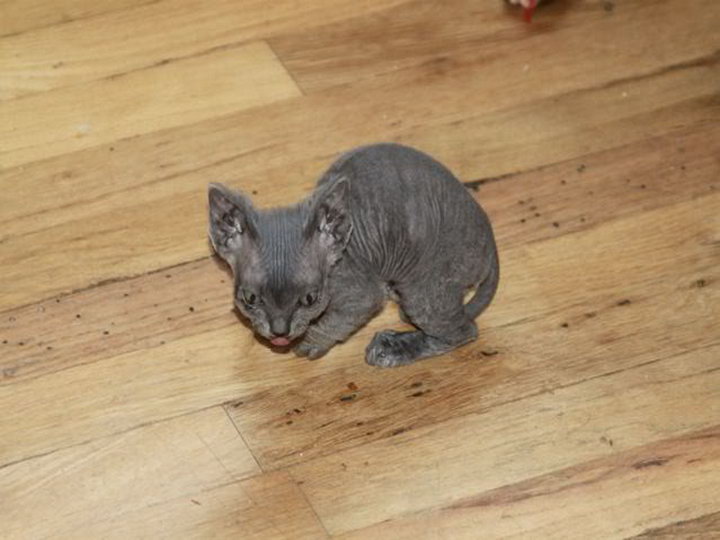
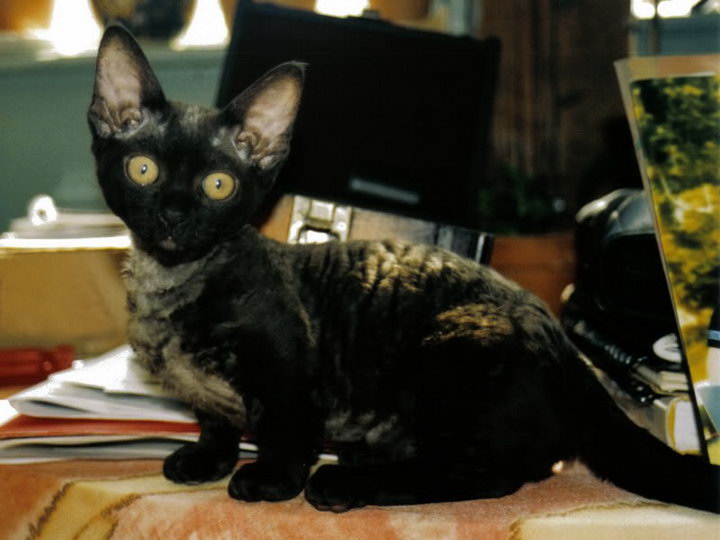
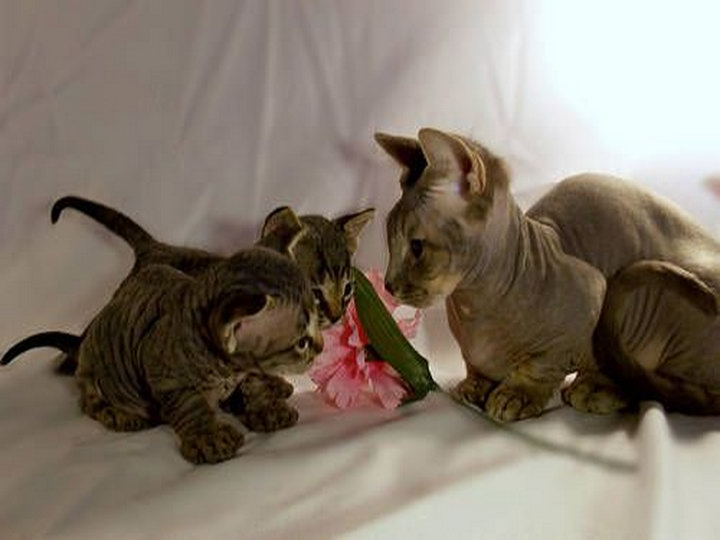
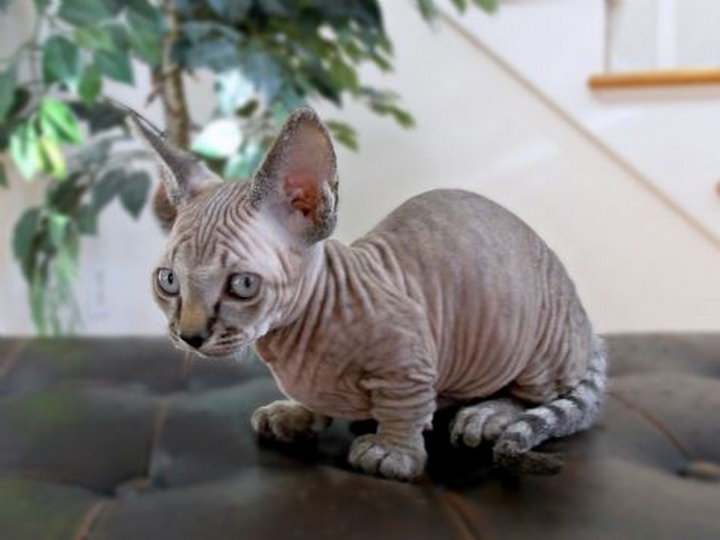
It's easy to tell from the photo what traits the Minskin is known for. First and foremost, their small size and short legs, inherited from the Munchkin. Secondly, they are practically hairless, like Sphynx cats. Even adult cats look like kittens.
The Minskin's head is relatively large, with large, expressive eyes and fairly large ears. The body is strong, compact, and well-muscled. The chest is broad and strong. The legs are short, and the paws are relatively large, with thickened toes.
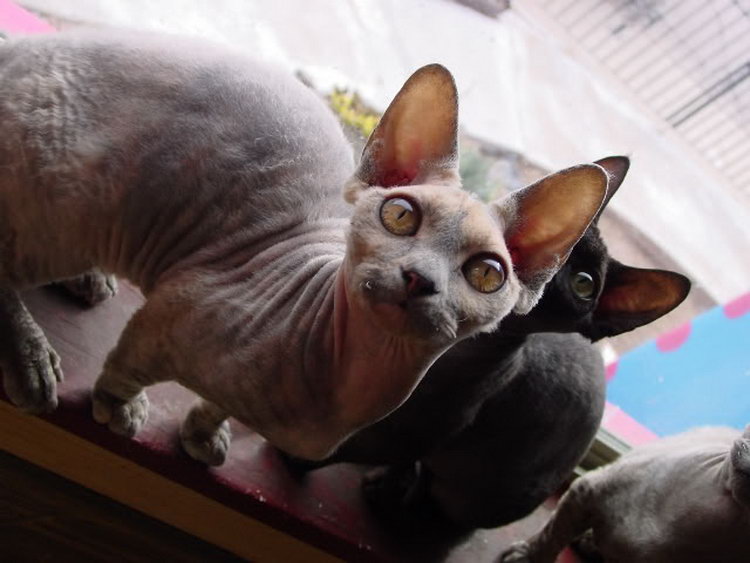
Depending on the type of coat, Minskins are divided into three types:
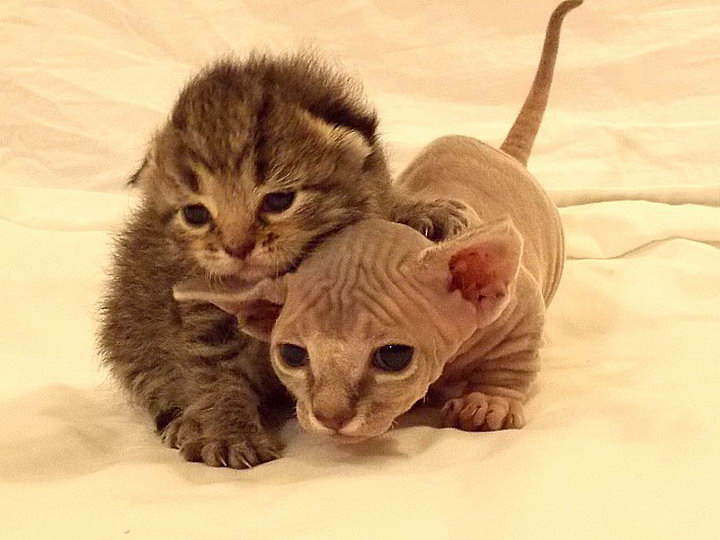
- naked - devoid of hair or the hair is very sparse and there is little of it;
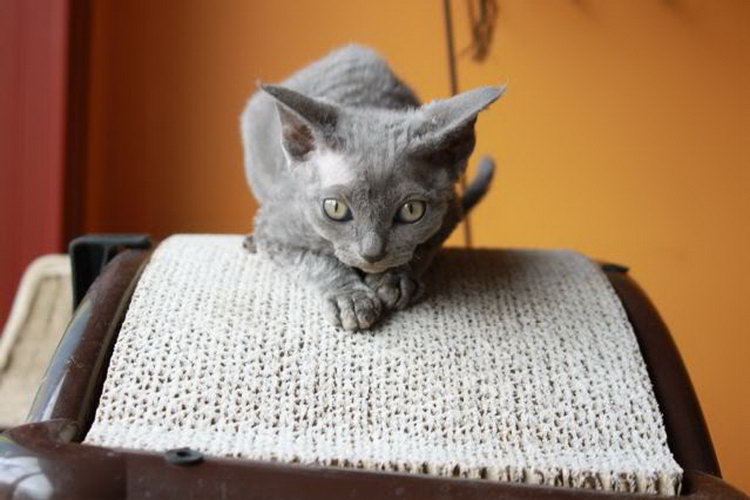
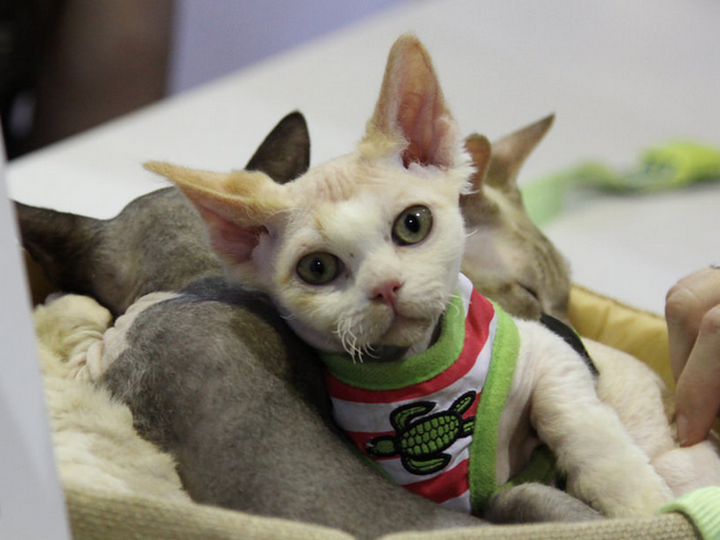
- woolen - completely covered with short hair;
- Semi-woolen – the head, ears, and paws are covered in thick, short fur that feels like satin. On the body, it's like cashmere; it's very soft, just as short, but very sparse. The belly must be bare.
Character and behavior
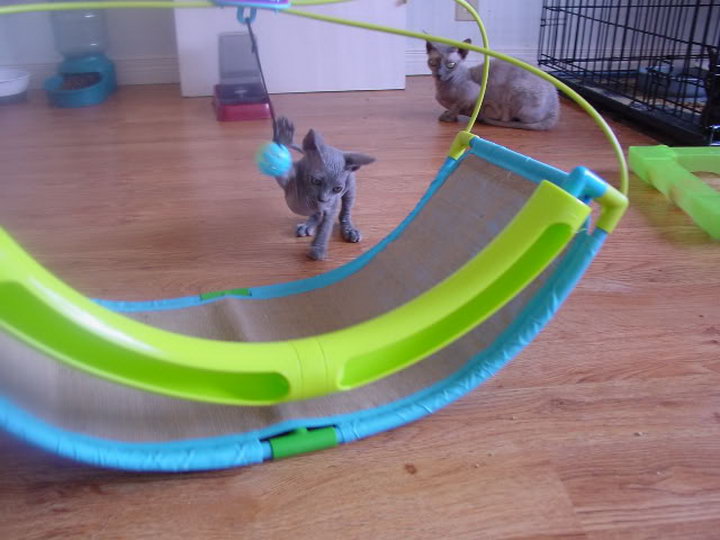
Minskins are friendly, playful cats, very active and inquisitive. They eagerly explore new territories and conquer new heights, especially when they're under one year old. As they mature, they become more placid, but from time to time, with the naivete of a kitten, they'll chase a favorite toy around the house, catch sunbeams, or insects. These cats are very sociable, forming strong bonds with their owners and eager to participate in all household chores.
Because this is an experimental breed, many character traits cannot be considered set in stone. Each cat has its own distinct habits and temperament—some are more affectionate, while others are more feline-like.
Content
Minskins are strictly indoor cats. They should only be allowed outside during warmer months and on a leash. If the kitten is accustomed to the outdoors and will return to its owner or the house if frightened, rather than running away at will, you can try letting it out under supervision. These pets are very warm-loving and prefer to sleep in secluded, cozy corners. Therefore, if the cat doesn't have its own home, it will crawl under blankets, on shelves, and on drawers in closets.
In their homeland, cats rarely eat raw foods. Most Americans believe that the best food for these animals is high-quality dry food.
Care
This is a cat breed that requires regular grooming. Generally, they should be groomed in the same way as Sphynx cats. Their skin requires special attention. Once a week, cats should be bathed with baby shampoo or a special shampoo for hairless cats. Their eyes and ears should be cleaned daily, and some fussy cats may need their bottoms wiped after using the toilet. Their claws should be trimmed every 2-3 weeks, sometimes more often. This procedure is recommended even if the cat is trained to use a scratching post, to prevent breakage and cracking of the nails.
Health
Since the Minskin is an experimental breed, it is too early to talk about any hereditary diseases. At this stage of development, the hybrid of the Sphynx and munchkin quite strong and healthy.
Hereditary diseases common to the original breeds occasionally arise. However, breeders are currently focusing all their efforts on preventing these in the future. The most common problems owners encounter are dermatological diseases, but they are also more often caused by improper care or nutrition. Like all other cats, Minskins require routine vaccinations, as well as deworming and treatment for external parasites.
Choosing a kitten and price
It's important to understand that in Europe, and particularly in Russia, as well as other CIS countries, purchasing a Minskin kitten is virtually impossible. Catteries don't carry this new experimental breed because it's not in high demand.
If you really want this short-legged, hairless creature, you'll have to turn to breeders in the United States. There are no more than a dozen registered catteries in the United States that breed these cats. To avoid competition and negatively impact the breed's development, animals are usually sold spayed or neutered.
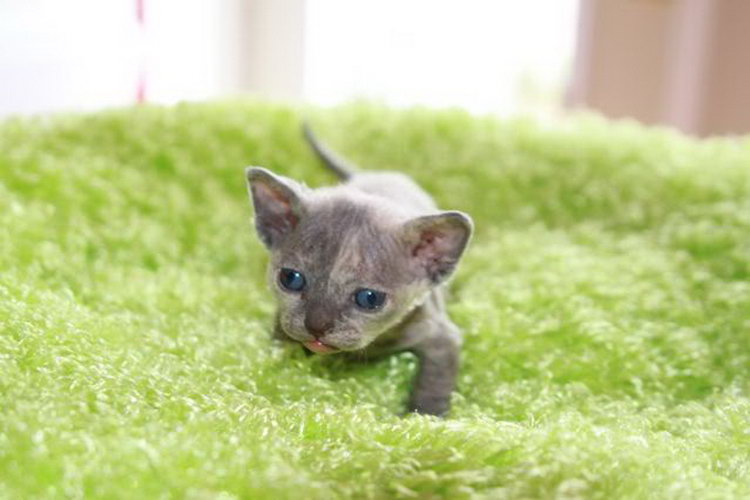
A Minskin kitten in America costs an average of $700, with fully fluffy kittens being significantly cheaper than hairless ones.
Photos
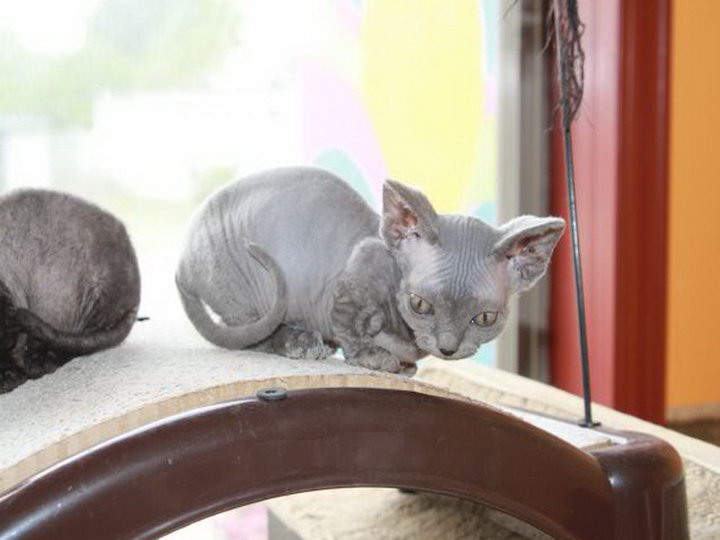
Photos of Minskin cats and kittens:
Read also:


Add a comment