
Mycoplasmosis in dogs: symptoms and treatment
Mycoplasma is a unique bacterial organism capable of infecting humans, animals, and even insects. Due to its extremely small size, it belongs to a separate class of bacteria. Furthermore, unlike other bacteria, mycoplasmas lack a rigid cell wall, making treating mycoplasmosis in dogs and eliminating its symptoms quite challenging.

Content
The danger of mycoplasma to humans
Mycoplasmas are found in over 80% of dogs. However, less than a third of dogs develop any illness (and only after additional exposure to adverse factors). Therefore, the presence of mycoplasmas on the mucous membranes of the upper respiratory and genital tracts is considered normal. However, responsible owners should understand that this increases the risk of developing sexually transmitted and respiratory diseases. A completely healthy dog can contract mycoplasma simply by sniffing or licking an already infected dog. Therefore, the only way to protect your pet is to completely avoid contact with other animals.
The most concerning claim is that canine mycoplasmosis is transmissible to humans. In fact, humans can harbor 16 types of mycoplasma, all of which pose only a potential threat. The International Classification of Diseases does not define mycoplasmosis, but only refers to diseases triggered by certain types of wall-less bacteria. However, none of the 16 types can be transmitted from animals!
Protozoa can indeed enter the human body, but they cannot reproduce or develop (for this reason, they are only conditionally called pathogenic). This means that mycoplasmas are only dangerous when transmitted between animals of the same type. For example, Mycoplasma felis is dangerous only to cats, but cannot develop in humans (although there is a risk of infection through direct contact with the mucous membranes of an infected animal).

What type of mycoplasma is dangerous for dogs?
The most dangerous is Mycoplasma cynos canis. Although it has been proven that microorganisms of these types can persist in the body for a long time without causing any harm, responsible owners must pay sufficient attention to strengthening their pet's immune system, in particular, maintaining vaccinations according to schedule. Since mycoplasmas are opportunistic pathogens (organisms that can cause disease only under certain negative factors), stress, any infectious disease, immunodeficiency, and even poor nutrition can lead to the development of mycoplasmosis. Close contact with other animals (especially if they live in enclosures).
Interesting to know! Research has shown that if a dog has a strong immune system, eats well, and takes vitamin supplements, infection will not cause any serious consequences.
You should contact your veterinarian to have your pet tested for pathogenic bacteria if:
- a pregnant bitch was diagnosed with fetal resorption;
- the pet had close contact with mongrels;
- The animal regularly suffers from respiratory diseases.

Of course, a veterinarian will conduct the necessary tests once obvious symptoms appear, but it is better to take care of prevention in advance.
What is the danger of Mycoplasma canis?
Mycoplasma canis is dangerous because it can cause severe anemia. Animals with spleen disease or who have received contaminated blood transfusions are at risk. Mycoplasma canis is also common in dogs raised in kennels. Therefore, when purchasing puppies of expensive breeds, it is recommended to ask the breeder for PCR test results. If the presence of dangerous bacteria is confirmed, it will be necessary to constantly protect the pet from any adverse factors. Otherwise, the animal will suffer from chronic infectious diseases for the rest of its life.
Ignoring the presence of pathogens can lead to the development of hemolytic anemia, the treatment of which will require not only antibiotic therapy, but also constant blood transfusions and glucocorticoids.
Symptoms and treatment of mycoplasmosis in dogs
If you fail to protect your pet from adverse factors, its condition can worsen at any time. Because pathogenic bacteria can affect both the respiratory and reproductive systems, the symptoms of mycoplasmosis in dogs are quite atypical. The following signs should raise concern:
- cough;
- sneezing;
- uncharacteristic snoring for the breed;
- whining during urination;
- blood in urine;
- infertility;
- conjunctivitis;
- unexplained weight loss;
- the appearance of abscesses on the skin;
- joint pain (manifested by general weakness and lameness).

It's important to remember that there are many other causes for the symptoms mentioned above, so testing for mycoplasma should only be part of a general diagnostic examination. For example, respiratory infections can be caused by viruses, and urinary tract problems can be caused by a sharp drop in outside temperature.
Advice! A person may suspect mycoplasmosis if the animal has suffered a serious illness shortly before the onset of the above symptoms and has been taking medications that suppress the immune system.
Before treating mycoplasmosis in a dog, The veterinarian will definitely ask the owner about any behavioral changes and also conduct an external examination.
Diagnosis of the disease and treatment methods
Treatment for mycoplasmosis in dogs is prescribed only after the veterinarian receives test results. To make a definitive diagnosis, the doctor will need to rule out other bacterial or viral infections.
Most likely it will be carried out:
- general and biochemical blood test;
- urine analysis;
- X-ray examination of the abdominal area;
- serological tests that determine the body's response to mycoplasmas.
Depending on the severity of symptoms, a veterinarian may recommend supportive care and antibiotic therapy. Mycoplasma does not respond to traditional broad-spectrum antibiotics (such as penicillin) because these drugs work by destroying the cell wall. However, tetracycline antibiotics are quite effective, so doxycycline is the first-choice drug. Treatment should be continued for at least two weeks (if the upper respiratory tract is infected) or longer if the animal is suffering from urinary tract problems.
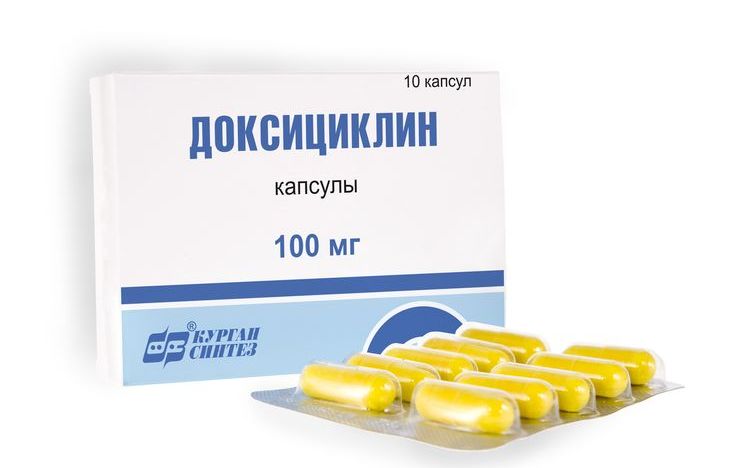
Please note: The exact treatment duration and optimal antibiotic dosage will be calculated and adjusted by your veterinarian based on your dog's condition.
It's important to continue treatment even after a clear improvement in health to kill all pathogens. However, any other medications (especially those affecting the immune system) should be discontinued.
Prevention
Even if the owner is 100% certain that their pet has mycoplasmosis, self-administering antibiotic therapy is prohibited. For example, using broad-spectrum antibiotics will destroy the "positive" microorganisms that are essential for normal microflora. Furthermore, administering insufficient quantities of "approved" medications will allow bacteria to continue to actively multiply even after antibiotic therapy.
An increased dose of tetracyclines will lead to severe side effects. Uncontrolled use of these medications for prophylactic purposes is also strongly discouraged. There is a risk of triggering the development of antibiotic-resistant microorganism populations. Ultimately, treatment of any other disease will be significantly complicated.
Important to remember! There is no vaccine proven effective for the prevention of mycoplasmosis in dogs.
If your dog's mycoplasma infection was treated by a veterinarian, the prognosis is positive. The body easily fights off pathogens, provided the antibiotic dosage is properly administered. However, it's important to remember that in most cases, pets remain carriers even after successful completion of treatment. This means they can transmit the bacteria to other dogs, and relapses are possible if their overall health deteriorates.

Flare-ups can be successfully managed by maintaining proper hygiene and regularly strengthening the immune system. Regularly clean the dog house and wash the bedding. If the animal is "bred," prevent further sexual contact. A healthy diet, special vitamins, and supplements prescribed by a veterinarian will help prevent relapses. There's no need to fear mycoplasmosis: timely treatment and regular health monitoring will allow your pet to live a full, long life.
You can also ask our website's staff veterinarian a question, who will answer them as quickly as possible in the comments box below.
Read also:




22 comments
Alena
Hello. Last April, our dog got sick for the first time in 11 years. He's a stray, a common dog (a Caucasian Shepherd/Mongrel mix). At first, he started coughing, then bald spots and sores started appearing on his back near his tail. I took hair from these areas and a scab for testing, and they diagnosed him with a micros.can+++.
We cured the cough and other sores, but since then, almost a year has passed, they've been popping up periodically. They give us a preventative irrigation, and when new ones appear, they prescribe amoxicillin injections, and so on. It never ends. One will heal, and it'll take two months at most, or even less, and then it'll start again. We go to the vet and get the same amoxicillin again. Maybe they're giving us the wrong treatment, since it doesn't last that long. I'm clipping the sore spots. In the summer, we took it almost completely, and everything healed well. But then, a little while later, it all starts again. Maybe you can suggest something? Thank you in advance!
Daria is a veterinarian
Hello! Is Polivak a preventative vaccine? Even with the therapeutic dose, normal clinics don't use this vaccine, much less a preventative one. And if you inject this drug into an animal with a weakened immune system, the vaccine itself can trigger the disease. This then leads to a carrier state (for at least a year). Local treatment of the affected area is sufficient. Wash with the same antifungal shampoo, apply antifungal ointment topically, and Zoomikol spray is also good (even for dermatitis). Antibiotics are most likely prescribed because of developing or the risk of developing pyoderma (a purulent skin inflammation caused by scratching). Watch the diet and avoid intradermal mites and fleas.
Alena
We were told that now we will have to do this palivak every year!
So what should I use for prevention? Or is nothing needed? What in his diet could be causing it? I cook leftover chicken for him, adding a little bit of vegetables (potatoes, carrots, cabbage, zucchini). Buckwheat or rice porridge.
Daria is a veterinarian
Hello! Why every year? After vaccination, the sporulation remains for up to a year. And immunity is long-lasting. If the animal's immunity is weak, the disease will appear both without and after vaccination. The diet is unbalanced. What are chicken scraps? Bones? Vegetables are fine; you can boil them, or you can finely grate them raw and add them to porridge. In general, vaccines against fungal infections have not been used on small pets for a long time (these are all old-fashioned methods).
Alina
Hello, Daria! My six-month-old female miniature schnauzer puppy's eye started to leak heavily and had a purulent discharge. We went to the vet, who tested her for mycoplasma and immediately prescribed eye drops, including the antibiotic Ciprovet. We used the drops for a week, and the next day, the discharge was gone. The redness in her eye went away. However, the mycoplasma test came back positive. My question: Is it necessary to treat this mycoplasma now, or will everything be fine without it? Yes, literally three days after her eye started to leak, the dog went into heat for the first time in her life. And yes, we don't plan on breeding her in the future.
Daria is a veterinarian
Hello! You can't get rid of this mycoplasma. The carrier state will remain. And only eye drops when the pathogen is in the blood are like using plantain on a torn artery. It's useless. Either put the animal on a long course of antibiotics (tetracyclines, fluoroquinolones, and other antimicrobials) and worry about the effects on the liver and kidneys, or just accept it. A weakened immune system (including during heat cycles) can lead to exacerbations.
Elena
Good afternoon.
My 1 year and 10 month old Spitz (5.8 kg) was diagnosed with mycoplasma. A PCR test was performed (from the nose and eyes). Unidoc Solutab and Metronidazole (about 1/4 tablet twice a day) were prescribed for days 14-21. The dog has gastritis and an enlarged spleen. On the 2nd day, vomiting began. The tablets were discontinued and an injection (the active ingredient is Metronidazole) plus 1 ml of Heptral is given morning and evening. After 7 days of injections, Unidoc was prescribed for another 14 days. Are there any treatments that don't come in tablet form?
Daria is a veterinarian
Hello! Yes, there are injectable medications with the active ingredient doxycycline, but they contain a large amount of the active ingredient. It's just a bunch of extra holes, and you practically have to use an insulin syringe to administer it. Ask your vet for a prescription and calculate the dosage for your pet. Did mycoplasma interfere with your Pomeranian's life in any way? Were antibiotic sensitivity tests performed before these medications were chosen? There are other antibiotics that are effective against these obligate parasites (mycoplasma, chlamydia), including fluoroquinolones, macrolides, tetracyclines (not just doxycycline), and others. In any case, such a long course of ANY antibiotics will put a strain on the liver and the entire gastrointestinal tract.
Dina
Hello!
Can mycoplasmosis from a dog (a miniature Pomeranian) be transmitted to humans? Is a full recovery possible with treatment?
Daria is a veterinarian
Hello! Mycoplasma pathogens vary. Only laboratory testing can tell for sure whether a dog has a strain that can cause disease in humans. If it's a purely canine mycoplasma, it's not dangerous. However, it's important to understand that mycoplasma, like ureaplasma and chlamydia, are obligate parasites (something between a virus and a bacterium), so curing an animal is not easy. Treatment lasts approximately 3-4 weeks. Carrier status also persists for a long time (once the immune system weakens, the disease can recur).
Dina
Thank you for such a detailed and clear answer!
Daria is a veterinarian
Hello! You're welcome =) Feel free to contact me. Get well soon!
Tatiana
Good afternoon! We've been seeing the veterinarian for a year with eye inflammation. We were treated with Ciprovet drops, but then bacteria was found in one eye and were treated with Floxal, Tobrex, and Corneregel drops. A month later, the bulldog's eyes became inflamed again. At the clinic, they took a mucous membrane sample and found mycoplasmosis. The qualitative results were positive for mycoplasmosis. The following treatment was prescribed: 1. Azoxivet intramuscularly, No. 7, every other day; 2. Trichopolum 250, 1/3 of a tablet twice daily. Is it necessary to perform any other tests before treatment?
Daria is a veterinarian
Hello! Ideally, of course, we'd also titrate the isolated pathogenic microflora to antibiotics. This means laboratory testing will identify the active ingredient to which the mycoplasma pathogen is sensitive. This will ensure the most effective treatment.
Elena
French Bulldog, female, 7 years old. Nasal, pharyngeal, and conjunctival swabs were taken using the PCR method. Staphylococcus aureus was detected with sensitivity to the following antibiotics: enrofloxacin - 34 mmol/L, levofloxacin - 33 mmol/L, florfenicol - 32 mmol/L, ceftiofur - 20 mmol/L, azithromycin - 15 mmol/L, as well as mycoplasma canis and cynos. The first treatment was prescribed: tylosin injections for 8 days, enroxil oral for 10 days, roncoleukin, hepatolux, and derinat - all in a combination. The treatment was ineffective! The second treatment was prescribed: oftakvix, maxidin, and anandin eye drops for 14 days. This treatment also was ineffective! What is the next treatment? Why can't we cure mycoplasmosis? What could be the reason?
Daria is a veterinarian
Hello! Did you manage to deal with staph? Aureus is a real nasty bug, so resistant to antibiotics and quickly becomes accustomed to them (especially beta-lactams), although diclofenacillin, which belongs to this group, at a dose of 50 mg/kg of the animal's body weight four times a day is quite effective in killing staph. But according to your titration, enrofloxacin and levofloxacin have already been used (and they have better efficacy, judging by lab data). Didn't they suggest using staph toxoid? It's an expensive infection. The treatment should be continued for 14-20 days, with the first dose being 0.1 ml, increasing the dosage daily (do this for 7-10 days), and then reducing the dosage back to 0.1 ml over the same number of days.
Now about mycoplasmosis. It's also a fairly resistant microorganism, and treatment can take a month or more. Mycoplasmas are sensitive to macrolides (the same tylosin that was prescribed). However, it's best to intensify therapy with tetracycline-based medications, which are effective against intracellular "residents" (such as chlamydia and mycoplasma). Chloramphenicol and tetracycline work well together against this type of infection. Don't forget to disinfect your home daily.
I used a regimen of fluoroquinolones (I used Marbofloxacin) + tetracycline + myxoferon (similar to interferon) + vitamins. A loading dose on the first day, then a therapeutic dose for three weeks. We also dewormed the parasites to ensure the immune system focused on fighting the obligate parasites.
Elena
We've already tried staph toxoid, but it didn't help. We've been on this treatment for two years now. We're exhausted—I don't know what to do anymore. On December 3rd, we'll have eye, nose, and throat swabs tested for staph, as the discharge from our eyes persists.
Daria is a veterinarian
And you'll find it, I guarantee it. Your pet has a highly resistant strain; we've tried so many antibiotics, and none of them work. Besides, the toxoid should have worked (it doesn't kill staph; it neutralizes the toxins produced by the microorganism, which triggers the development of clinical signs). It's very strange that she has such high sensitivity to certain types of antibiotics (macrolides, latest-generation fluoroquinolones), but it's been completely ineffective. Tell me, did you by any chance breed your dog before you got sick? Do you know where your pet might have become infected?
Elena
Hello, Daria! We got the swab results back – no staph! Hooray! At least we got rid of something. The discharge from her eyes is probably mycoplasma. You mentioned using chloramphenicol and tetracycline together, but the instructions say they shouldn't be used together! Our dog isn't a mixed breed. We've probably had these mycoplasmas since she was a puppy. She always had tears in her eyes when she ran around, so we thought she was allergic to something.
What other tests should I take? What treatment, what dosage, and for how many days?
Daria is a veterinarian
Hello! It's most likely written that it's "not recommended" for use. This is because medications with nephrotoxic and hepatotoxic effects are not used with tetracyclines. This is a precaution (especially if you have kidney or liver problems). Chloramphenicol simply covers what tetracycline can't. You can alternate between the medications (tetracycline for 2 weeks, then chloramphenicol for 2 weeks, with a 3-day break between medications) if you're concerned or have any organ pathologies. You can use doxycycline instead of tetracycline (it only darkens tooth enamel), but it also works well against chlamydia and mycoplasma. However, treatment for these infections will take at least a month. Hepatoprotectors and immunostimulants will also be needed.
Olga
A question for the vet. We bought a puppy at 2 months. At 2.5 months, he had his second vaccination. Two weeks later, he was given deworming tablets. Soon after, his eyes started watering. We did a swab and found mycoplasmosis. The breeder says it's a temporary decrease in puppy immunity. I'm afraid to let the disease progress. And I don't want to poison him with antibiotics. What should I do? Should I continue testing and treatment, or just put eye drops in his eyes? The puppy is happy, eats well, and has no other symptoms.
Dasha is a veterinarian
Hello! Why did you deworm AFTER the vaccination if deworming is recommended first, then vaccination? Tests are needed, and the animal needs treatment. Mycoplasma is an obligate parasite, like chlamydia (something between a bacterium and a virus), so treating this infection is not easy. You'll need tetracycline antibiotics, immunostimulants, and symptomatic therapy (targeted to treat the eyes).
Add a comment