
Mycoplasmosis in cats: symptoms and treatment
Mycoplasmosis in cats is a fairly serious and highly contagious disease that affects the respiratory, musculoskeletal, and genitourinary systems. It's helpful for pet owners to understand the symptoms of this disease and the steps to take for its prompt treatment.
Content
The causative agent of the disease and routes of infection
Mycoplasmas are single-celled, Gram-negative prokaryotes lacking a cell wall or internal organelles. Their optimal growth temperature is 37-38°C; they are relatively resistant to low temperatures. However, at temperatures above 60°C, as well as under the influence of ultrasound and direct sunlight, the bacteria die within 10 minutes. Mycoplasmas exhibit resistance to many antibiotics but are very sensitive to disinfectants.
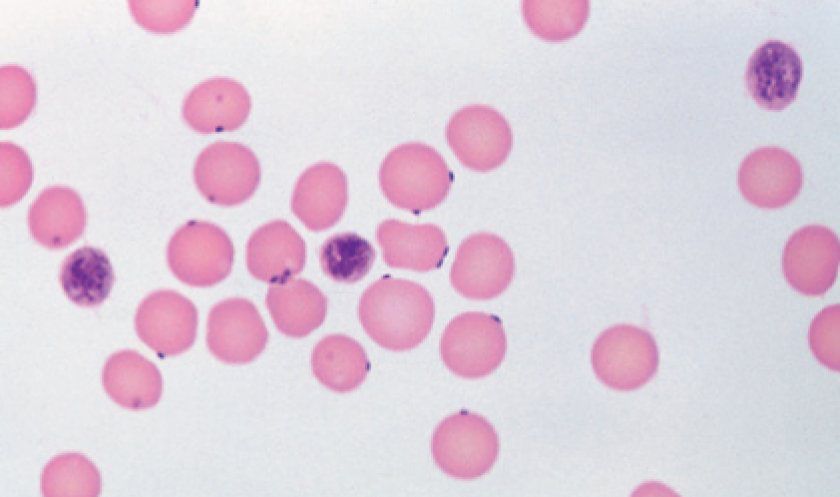
There are many species of these prokaryotes, and cats are affected by two of them: Mycoplasma felis and Mycoplasma gatae. Mycoplasmas are opportunistic pathogens: a cat may be a carrier of the infection but not necessarily become ill herself. Mycoplasmosis is transmitted by contact, sexual contact, airborne droplets (aerogenous), transplacental (intrauterine), and from mother to mother during the passage of kittens through the birth canal. Those at risk include cats under 2 years of age, older cats, and those with chronic illnesses and weakened immune systems.
Symptoms of mycoplasmosis
The first signs of mycoplasmosis in cats appear 3-5 days after infection. During their life cycle, Mycoplasma bacteria produce large quantities of toxins that damage cells in various organs, so the symptoms of mycoplasmosis are typical of other infectious diseases.
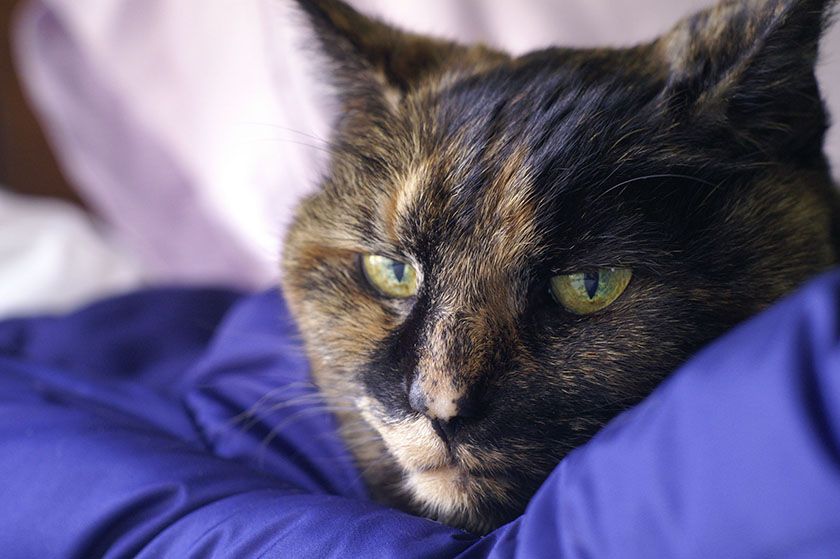
Clinical manifestations include:
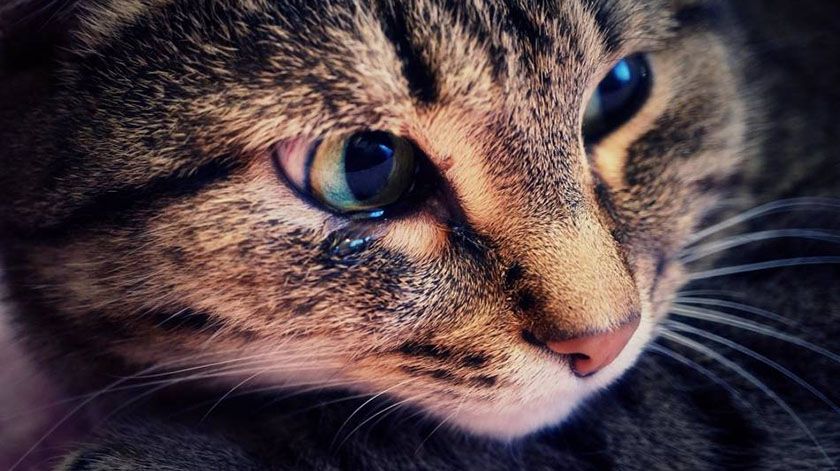
- serous conjunctivitis (inflammation and redness of the mucous membranes of the eyes);
- sneezing, coughing;
- loss of appetite;
- weight loss;
- increase in temperature;
- frequent urination;
- weakness, apathy.
In mild cases of the disease and the absence of concomitant pathologies, recovery occurs within 1-1.5 weeks.
In case of a generalized infection or weak body resistance, more dangerous symptoms appear:
- cutaneous or subcutaneous abscesses (purulent tissue inflammation);
- swelling of the eyelids, purulent discharge from the eyes;
- urinary disturbances (increased frequency or delay);
- inflammation and enlargement of the lymph nodes;
- the animal's genitourinary system is affected (cystitis develops, nephritis or prostatitis);
- polyarthritis (inflammation of the joints) develops, which is characterized by lameness and swelling of the limbs—the cat feels pain when picked up or when its paws are touched;
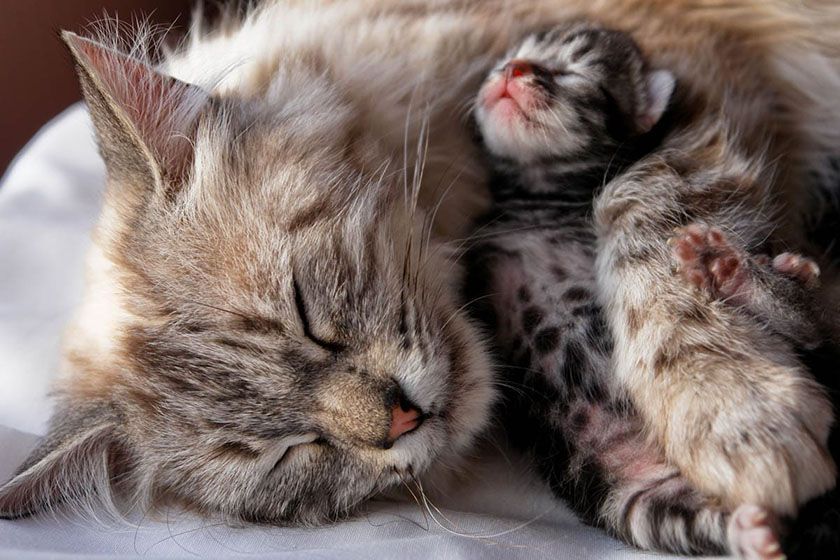
- Pregnant cats with severe forms of the disease often experience miscarriages or stillborn kittens.
If you notice at least several of the listed symptoms of mycoplasmosis in your cat, you should show it to a veterinarian.
Diagnosis of mycoplasmosis
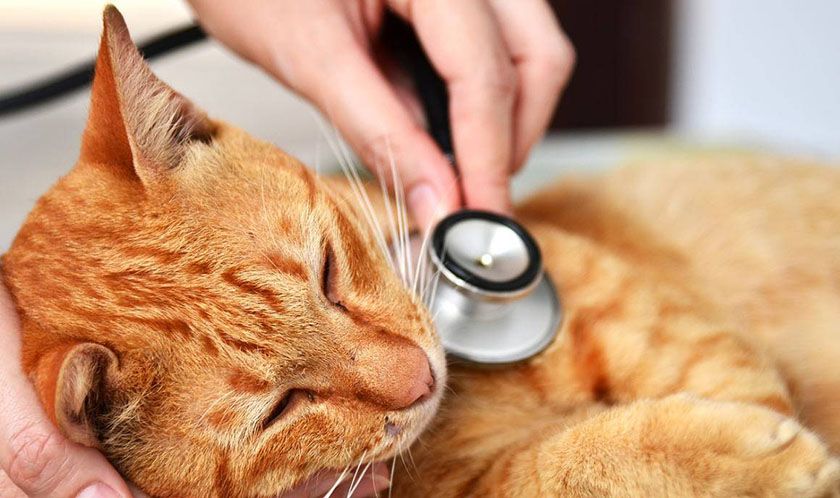
To make a diagnosis, a veterinarian examines the cat and asks the owner detailed questions about the symptoms detected in the pet, the time of their onset, the presence of chronic diseases, the animal's lifestyle, and age.
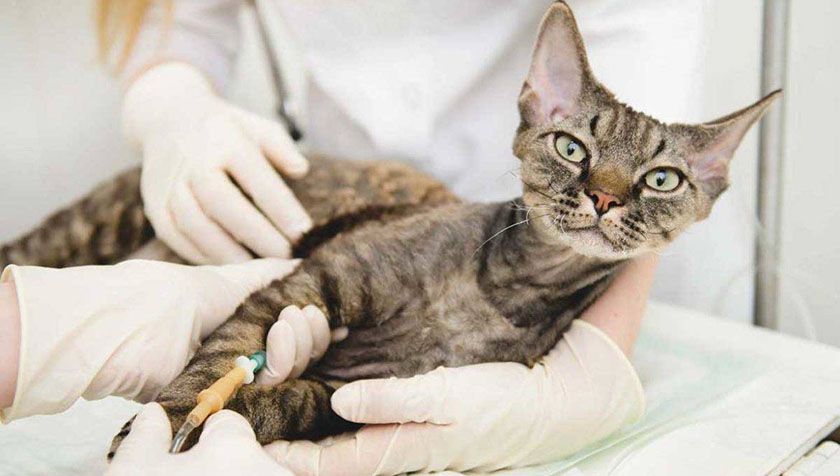
The cat will then undergo a series of laboratory and imaging tests to differentiate mycoplasmosis from other diseases with similar symptoms. These tests may include:
- Clinical and biochemical blood tests (in case of inflammation, it will show an increase in the number of leukocytes and an increased ESR, a decrease in the level of hemoglobin and erythrocytes).
- Swab tests (they can be taken from the mucous membranes of the eyes, nose, mouth, or genitals, or blood samples can be used for a general analysis). The analysis is performed using PCR (which detects small concentrations of pathogen DNA fragments in biological material) or ELISA (which is based on the antigen-antibody reaction and can detect viruses and bacteria in the sample).
- Urine analysis to determine the sensitivity of the pathogen to antibiotics.
Treatment of mycoplasmosis
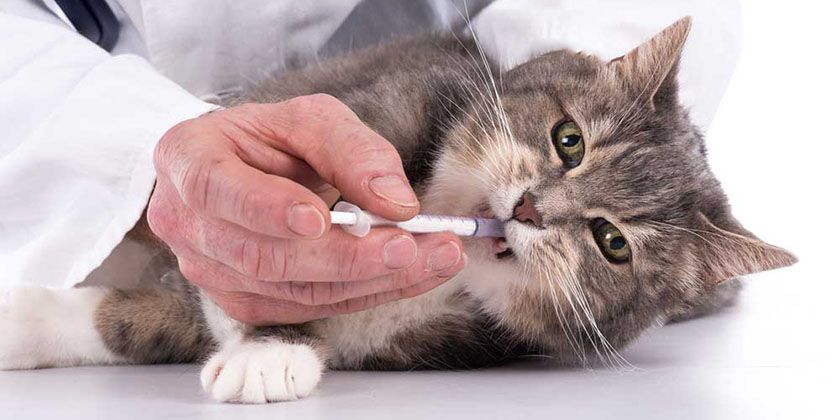
Mycoplasmosis in cats, unless complicated by other serious conditions, does not require hospitalization and is treated on an outpatient basis. Treatment usually lasts at least three weeks. Treatment is comprehensive: primary treatment, aimed at eradicating the pathogen, and symptomatic treatment, aimed at relieving the external negative effects of the disease and restoring the immune system.
When selecting treatments for mycoplasma in cats, a veterinarian relies on the clinical manifestations of the disease and the results of tests to determine the degree of resistance of the detected Mycoplasma strain to antibiotics.
Mycoplasmas exhibit a relatively high resistance to many drugs. For example, sulfonamides and some types of antimicrobials (antibiotics) do not inhibit them.
Of the antimicrobial agents, prokaryotes are most sensitive to antibiotics of the tetracycline group:
- Doxycycline;
- Eravacycline;
- Minocycline;
- Omadacycline;
- Tetracycline.
They inhibit the synthesis processes and cause the death of mycoplasmas:
- furan compounds (Pyrrole, Furan, Thiophene);
- fluoroquinolones (Ciprofloxacin, Norfloxacin, Levofloxacin, Gemifloxacin, Moxifloxacin);
- macrolides (Clarithromycin, Roxithromycin, Dirithromycin);
- aminoglycosides (Amikacin, Neomycin, Gentamicin, Streptomycin, Kanamycin).
Symptomatic treatment of mycoplasmosis in cats includes:
- For conjunctivitis - eye drops Gentaline, Divopride, Gentapharm, Oxytetracycline ointment.
- In case of damage to the genitourinary system - antibiotics that inhibit the development of pathogenic microflora (Levomycetin, Amoxiclav), herbal preparations (Stop-Cystitis, KotErvin).
- For polyarthritis, nonsteroidal anti-inflammatory drugs, antihistamines, and pain relievers are used. Immunomodulators (Amiksin, Nazoferon, Anaferon) and B vitamins (thiamine, pyridoxine, cobalamin) are also included in the treatment of mycoplasmosis.
Prevention
There are currently no vaccines against mycoplasmosis, but a strong immune system can reduce the risk of infection even if your cat is infected. A balanced diet and proper care influence this immune system. The bacteria that cause mycoplasmosis do not tolerate dryness or chemical disinfection. Therefore, it is recommended to keep cats in dry areas, feed them from clean bowls, and keep their litter box clean.
Try to keep your cat away from other animals, and check the health records of any mating partners. And don't forget to visit your veterinarian regularly, keep your pet up-to-date on vaccinations, and administer antiparasitic treatments.
Feline mycoplasma is not transmissible to humans. Felines are infected by the gatae and felis strains, while another strain, Mycoplasma hominis, poses a threat to humans. However, it is recommended to avoid close contact with an infected pet and, after cleaning its bedding or litter box, wash your hands with soap or use hand sanitizer.
Read also:
- Cat Diseases: Symptoms Table
- My cat is limping on a front or back leg: what should I do?
- What to do if a cat doesn't eat anything?


Add a comment