
Metronidazole for cats
Metronidazole is an effective antimicrobial drug successfully used in cats to treat diarrhea and other illnesses caused by bacteria and protozoa. The drug is active against many pathogenic bacteria, making it suitable for a wide range of applications.
Content
General description
The synthetic antibiotic was originally developed by French scientists, but is now produced by both domestic and international pharmaceutical companies. The drug was originally developed for humans, but after a series of experiments and studies, it has begun to be successfully used in veterinary medicine, particularly for treating cats.
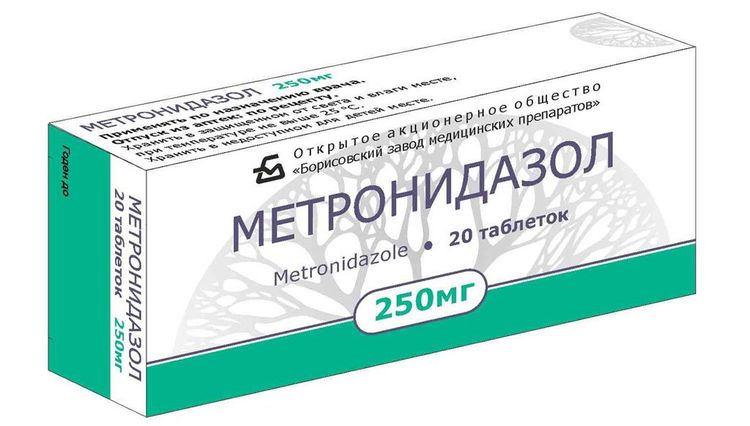
In human pharmacies, the drug is sold in different dosage forms:
- pills;
- injection solution;
- rectal suppositories;
- ointment;
- gel.
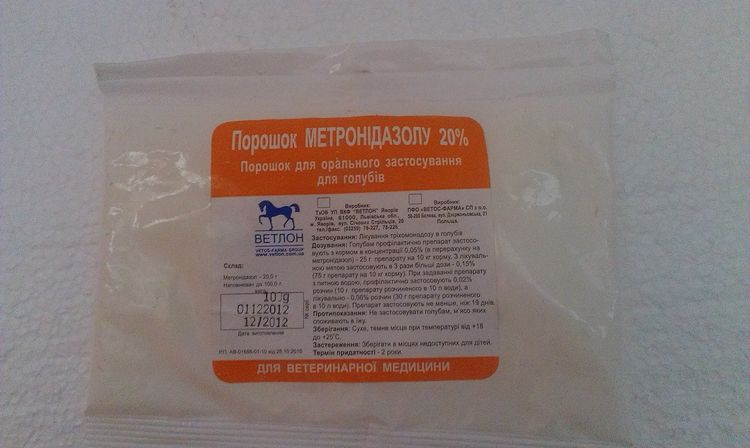
Metronidazole is formulated for animals as a white or yellowish powder. This dosage form can also be used for cats, but it is typically only available in large packages (1 kg and over), making it impractical for pets. The powder is typically used on farms for pigs, cows, and other large animals.
For cats, tablets are typically used. They can be elongated or round. The white tablets are packaged in blisters of 10 tablets, then placed in a cardboard box. The ointment or gel is rarely used, as they are only suitable for external use for skin conditions.
Please note! Metronidazole solution is used in animals only in severe cases. It should only be administered intravenously, and only by a qualified professional.
Price
Metronidazole can be purchased at your local human pharmacy. The price per pack ranges from 20 to 150 rubles, depending on the manufacturer and the number of tablets. Veterinary pharmacies typically sell the antibiotic in powder form. For cats, it's best to buy only small packets. Otherwise, tablets are recommended.
Operating principle
Metronidazole is a highly effective antibacterial agent. It exhibits pronounced antimicrobial and antiprotozoal activity, meaning it is effective against protozoa. The drug's unique properties include altering bacterial DNA. These changes prevent further bacterial reproduction. Furthermore, the drug affects the respiratory system of bacteria, leading to their rapid death.
Metronidazole is lethal to trichomonas, amoebae, histomonas, and other types of bacteria that thrive in the absence of oxygen. However, the drug is ineffective against fungi and bacteria, which require constant access to oxygen.
When taken as tablets or powder, the medication is rapidly absorbed in the digestive system. It is metabolized in the liver and eliminated from the body within 1-2 days. Most of it is excreted in the urine, and some is eliminated through the intestines.
When used
According to the instructions, Metronidazole is prescribed for cats for various pathologies:
- with balantiosis;
- at gingivitis;
- at aphthous stomatitis;
- in case of dysentery;
- with trichomoniasis;
- at giardiasis;
- with necrobacteriosis;
- with necrotic mastitis;
- for infections after childbirth;
- for other diseases caused by bacteria that differ in sensitivity to the drug.
Metronidazole can also be given to cats for diarrhea caused by food poisoning. In any case, the drug should only be used after an examination and a definitive diagnosis.
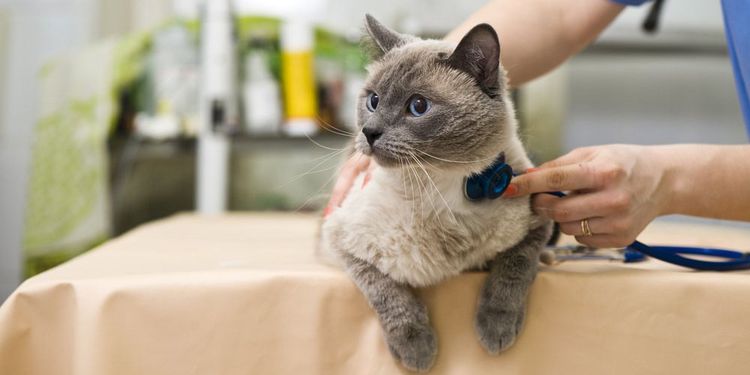
Important! Since this medication suppresses the animal's immune system and is toxic to the liver, it should never be used for self-medication. Use only as directed by a physician.
How to apply
Regardless of the dosage form, the standard antibiotic dosage is 10 mg/kg. This dosage may be adjusted by your doctor depending on the severity of the disease, symptoms, overall health, and the presence of chronic diseases. On average, an adult cat requires a quarter to a fifth of a tablet. The drug should be administered twice daily, preferably with a 12-hour interval between doses. The course of treatment is usually 5-7 days, but sometimes your doctor may extend the treatment in severe cases. Read more on our website. How to give a pill to a cat.
Please note! Tablets containing 500 mg of active ingredient are not used for treating cats, as it is not possible to accurately calculate the dosage.
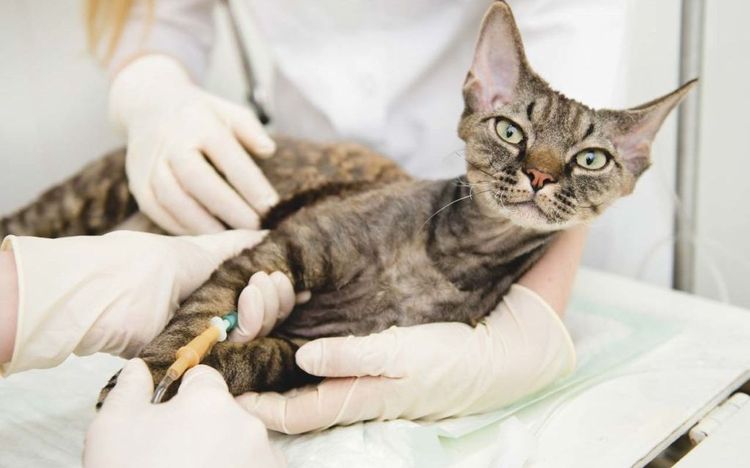
Intravenous injections are used only for severe conditions. Treatment typically lasts three days, followed by oral administration. For skin conditions, Metronidazole ointment is applied thinly to the affected areas. Your veterinarian should provide detailed instructions for use.
Tablets are most often used for treatment. They can be mixed into food, but cats usually refuse such treats voluntarily. Forcibly applying the medication to the tongue is not recommended, as the bitter taste can cause increased salivation and even foaming. The best way to administer Metronidazole to a cat is as follows:
- Crush the required amount of tablet into powder.
- Dilute the powder with a small amount of water.
- Feed the animal the resulting solution. Use a syringe without a needle.
- Then offer your pet clean water.
The powder is used in a similar manner, diluting it with clean water before use. The medication's effectiveness is not affected by food intake. It's important to follow the treatment regimen prescribed by your veterinarian, as missing doses may negatively impact the medication's therapeutic effect.
Contraindications and side effects
The instructions for use list contraindications for Metronidazole, which also apply to cats. Avoid using the medication in the following cases:
- In case of liver failure. Since the drug is metabolized in the liver, the liver is under increased stress, which can lead to complications. Furthermore, the body will be unable to eliminate the medication.
- In case of intolerance to the components. In this case, allergic reactions occur. They can be mild or lead to anaphylactic shock.
- During pregnancy. The drug has not been formally studied in this group of animals, but it is believed that it may affect the development of offspring.
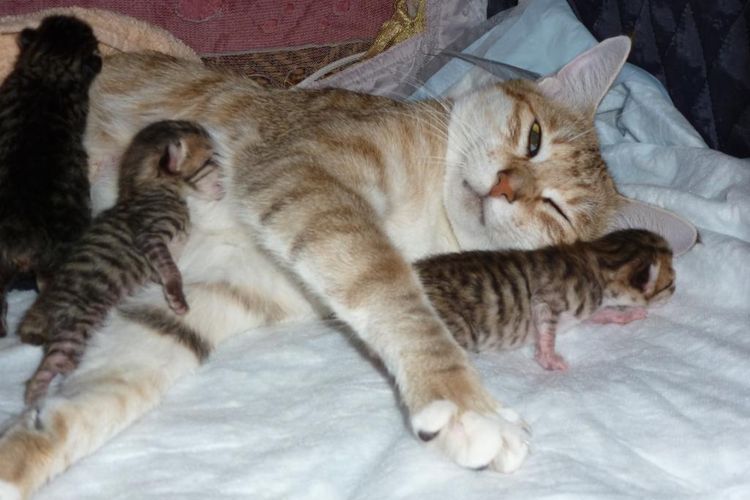
- During lactation. The drug's components are easily absorbed by the kittens through the mother's milk. The drug can suppress the kittens' immune system, potentially leading to life-threatening infections.
Metronidazole rarely causes side effects in animals. In addition to allergic reactions, other health problems are sometimes observed:
- digestive system disorders;
- depression;
- lack of appetite;
- irritability, etc.
Side effects may be exacerbated by overdosing. If allergic reactions occur, the animal should be given an antiallergic medication. Symptomatic therapy may also be used.
Important! Metronidazole has the ability to suppress the immune system, so during treatment, it is important to reduce the risk of infection. It is advisable to isolate your pet from other animals and limit its time outdoors.

Owner reviews
Alina, owner of a 16-year-old cat:
"Due to severe inflammation and abscesses on his gums, my cat refused to eat or drink. At first, we tried to solve the problem ourselves and bought Metrogyl Dent, but applying it proved to be a daunting task. Then we went to the vet, who prescribed Metronidazole. We took the pills for five days, and the cat returned to his normal routine, with the inflammation completely gone. It's an inexpensive yet effective treatment."
Nastya, volunteer:
"I once brought in a growing kitten for temporary care. A few days later, he began having digestive issues, with frequent diarrhea, especially in the mornings. I assumed it was due to a change in food, but I went to the clinic. The doctor diagnosed a mild case of dysentery and prescribed a combination of medications, including Metronidazole. Within two days, the diarrhea had completely resolved, and his digestive system was functioning again. There were no side effects."
Veterinarian Reviews
Dana, a veterinarian with 15 years of experience:
"This is a highly effective antibiotic, but it should definitely not be used without a doctor's prescription. In this case, it could do more harm than good to the animal. Decreased immunity, dysbiosis, and candidiasis are just some of the potential health problems that arise from improper use of the drug."
Dmitry, a veterinarian with 12 years of experience:
"Metronidazole is a versatile medication for both animals and humans. It's used as first aid for chronic diarrhea. However, it's not recommended to give it to cats or other pets without a doctor's prescription, as with other antibacterial medications. One of its main advantages is its affordability. It's inexpensive, making it one of the most cost-effective antibiotics."
Read also:


5 comments
Lily
However, Metronidazole is poorly soluble in water, so recommendations for taking it in solution form are highly questionable.
Oksana
To give your cat a bitter pill, buy empty gelatin capsules from a pharmacy. They're easy to place the medication in, spread some sour cream on the capsule, and the treat is much easier to swallow, without the subsequent drooling from the bitterness.
Tatiana
I need a vet's help, my cat is diarrhea and I don't know what to do.
Daria is a veterinarian
Hello! Without determining the underlying cause of your pet's digestive upset, it's impossible to make a definitive diagnosis and, therefore, prescribe effective treatment. If fluid loss through loose stool is significant, intravenous fluid therapy is necessary to restore fluid and electrolyte balance. Severe dehydration is detrimental to cells and tissues, inevitably leading to death (even if not caused by infection). Furthermore, without medical history (age, vaccinations, diet, other symptoms, indoor/outdoor use, contact with other animals, deworming, etc.), determining the cause is even more difficult.
Inna Eckert
I've been monitoring my cat's stool for two months. I've run a series of tests, had a liver and kidney ultrasound, and even had a colonoscopy. Everything is fine. We dewormed her, switched her to Royal Canin Calori Moderate, and started giving her vitamin K. It's all been a waste of time. The blood in her stool doesn't go away, and she's become thin. At the next vet visit, she recommended giving metronidazole for five days. The blood has disappeared, and she's gained 300 grams. I'm incredibly happy for my little one.
Add a comment