
Is a mixed breed a unique dog or a mongrel?
A mixed-breed dog is a unique dog—it's not a breed, but it's not a mongrel either. They're also commonly referred to as half-breeds or "transfers." People have mixed feelings about these dogs. Some love their unique appearance, while others are downright wary of buying a "hamster." Nevertheless, mixed-breeds have some undeniable advantages over their purebred counterparts, and some hybrids command a hefty price tag.

Content
Mixed breed and mongrel: what's the difference?
People often wonder: what is the difference between mongrels and mixed breeds and why they are called differently.
Both mongrels and crossbreeds are dogs without a specific breed. However, mixed-breed dogs are generally considered to be dogs whose appearance shows traits of their purebred parents, or just one. In other words, they are a cross between one, two, or three recognizable breeds. If it is difficult to identify the parents by appearance, the dog is called a mongrel.
Furthermore, "mixed breed" is the official name for any hybrid. Even if it's clear which two breeds were crossed or the puppy is a dead ringer for one of the purebred parents, the passport will simply say "mixed breed" without any further details.
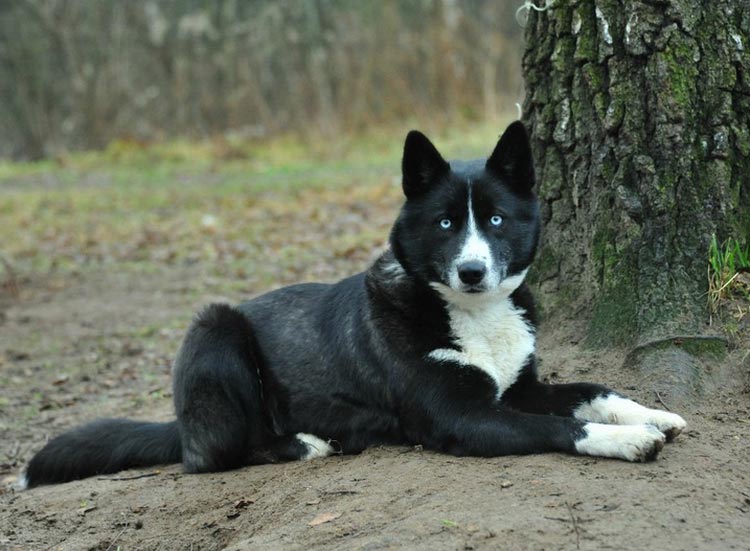
Mixed breed dogs: what are they like?
One thing can be said for sure about mestizos - they are all different. Personality is very difficult to predict. A puppy inherits some traits from its mother, others from its father—that's clear, but how exactly these traits will manifest themselves in the future is unknown. Mixed breeds of dwarf dogs are often timid and nervous, or, conversely, cocky and aggressive, while mixed breeds of guard and watchdog dogs can be very difficult to train, difficult to manage, or overly stubborn. When buying a mixed breed, it's important to know the parentage of both dogs, and observe the puppy for a while.
Most mixed-breed dogs turn out to be very intelligent and quick-witted, easily trained dogs. For example, in the US and Canada, mixed-breed dogs often become stars of agility and dog freestyle.
It's certainly not a given that mixed-breed dogs have excellent health and strong immune systems, but it's generally true. Thanks to their genetic makeup, they don't carry the hereditary diseases typical of their parents' breeds. This doesn't mean, of course, that the dog won't get sick. A mixed-breed dog, like any other living creature, requires proper care, proper feeding, and disease prevention.
How to choose a good mixed breed puppy
While color and coat are more or less clear, size is more complicated. It's impossible to accurately predict what size a dog will grow up to be if the parents are unknown or are vastly different in size, like an elephant and a small dog. Most formulas that work for puppies of specific breeds don't work here. Only experienced dog breeders can determine the approximate adult size of a puppy by assessing the puppy's weight, height, and paw circumference. If the parents are known, and are of similar size, there's no need to guess—as the saying goes, an apple doesn't fall far from the tree.
Fortunately for those considering a mixed-breed dog, the science of animal psychology has advanced. Today, numerous tests have been developed for puppies that help identify their aptitudes, talents, and dominant personality traits. Simply select 5-10 tests for the desired characteristics to determine whether a puppy is right for your family. Of course, there are no guarantees or 100% results; much will also depend on the dog's subsequent training.
Choosing a good mixed-breed isn't as difficult as it might seem at first glance. The main thing is to not act solely on emotion.
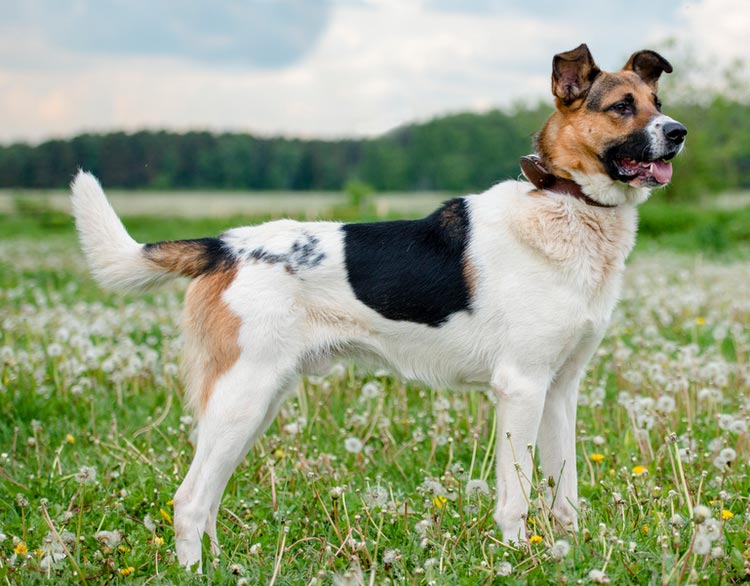
Fashionable crossbreeds, or who are designer breeds?
Random matings have always existed, but purposeful crossbreeding is called "designer" in the modern world of cynology. Just recently, the dog world has been swept up by so-called designer breeds, which aren't really breeds at all—they're all crossbreeds.
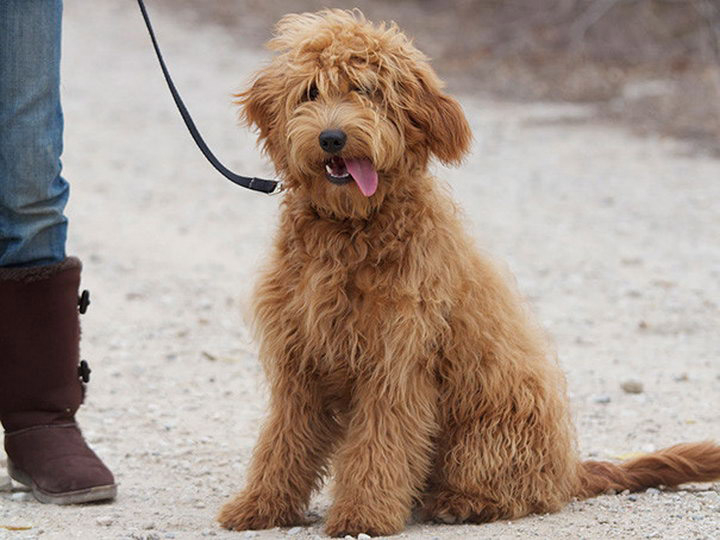
Not every mixed breed has the right to be called a designer dog, but only a puppy from purebred dogs of a certain breed with a good pedigree and high marks at exhibitions.The concept of designer dogs first emerged in the 1980s. Cynologists then decided to cross a Labrador with a Poodle to create a guide dog for people with both poor eyesight and allergies. The success was incredible. Designer dogs instantly gained a fan base, and their prices reached $2,000. However, opponents of crossbreeding emerged just as many as fans.
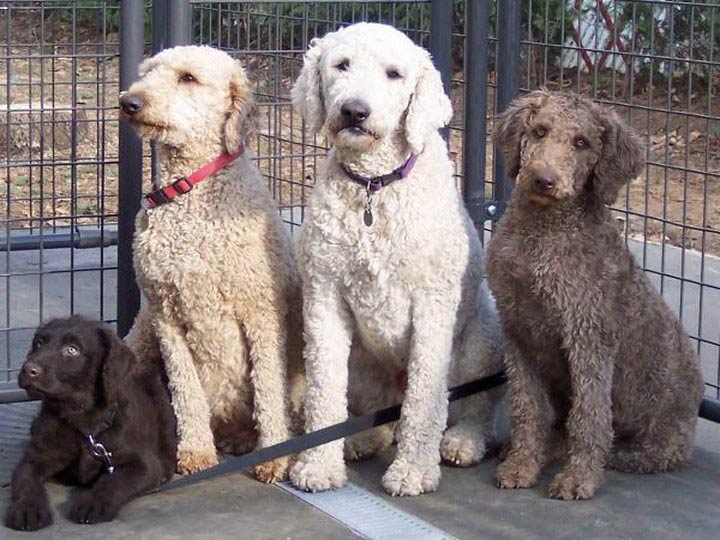
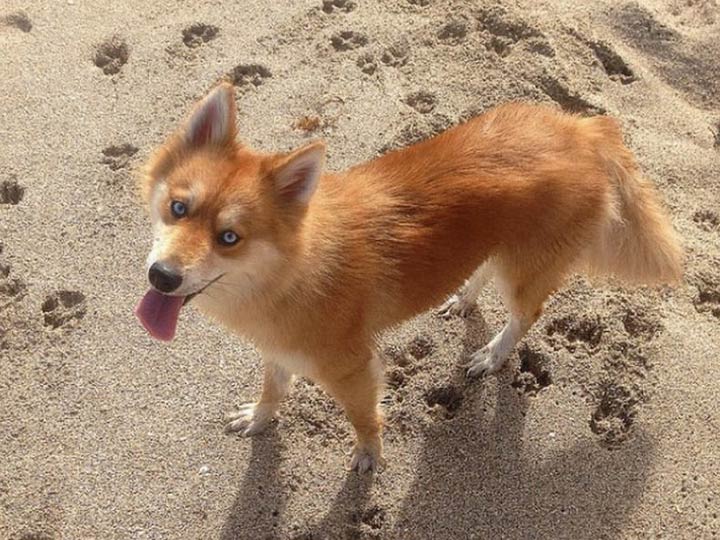
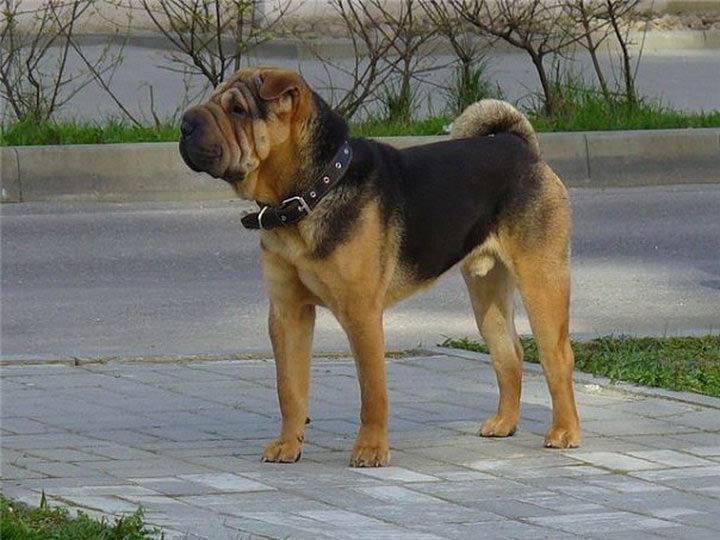
In the world of breeding, designer dogs are called hybrids, or more simply, crossbreeds. You can usually tell which breeds were involved in the creation of a "designer breed" not only by their appearance, which shows traits of their parents, but also by their name. For example, a cross between a Beagle and a Spaniel is called a Spagl, while a cross between a Pug and a Jack Russell Terrier is called a Jobs. There are also more complex crossbreeds that originate from multiple breeds, such as a cross between a Husky, a Chow Chow, and a German Shepherd, called a German Chaskie. Photos of designer crossbreeds with their names are available in the gallery below.
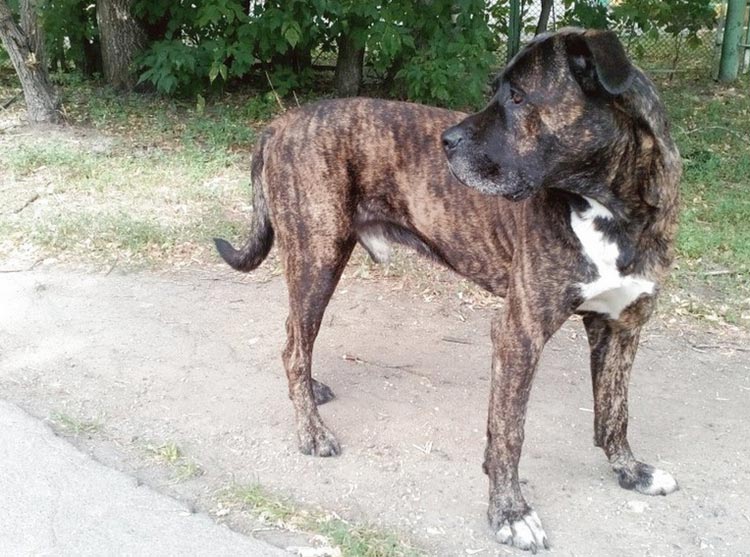
Prices for mixed breed puppies
Mixed-breed dogs are always much cheaper than purebred dogs, and are often given away for free to good homes. This isn't limited to designer breeds, many of which are very expensive. If a random crossbreeding produces puppies that closely resemble their purebred parent, they are often passed off as purebreds without papers, which increases the cost of the mixed-breed dog tenfold. This is important to consider for those dreaming of a purebred dog and wanting to be sure that the puppy will grow up with specific appearance and personality traits.
Photos
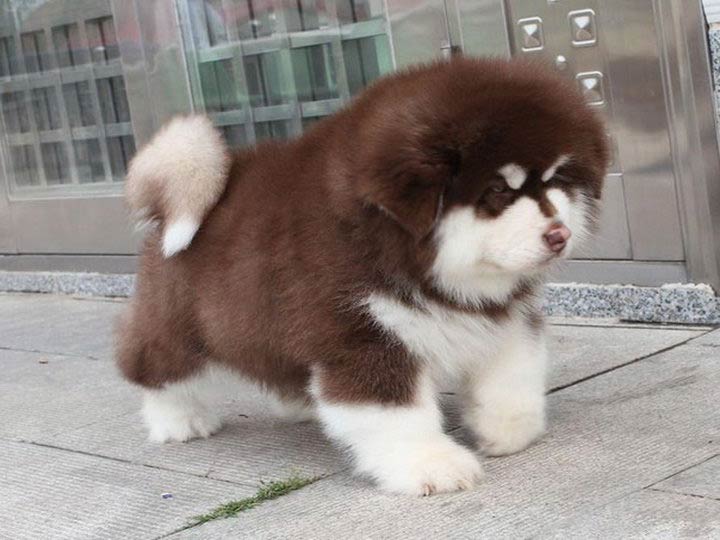
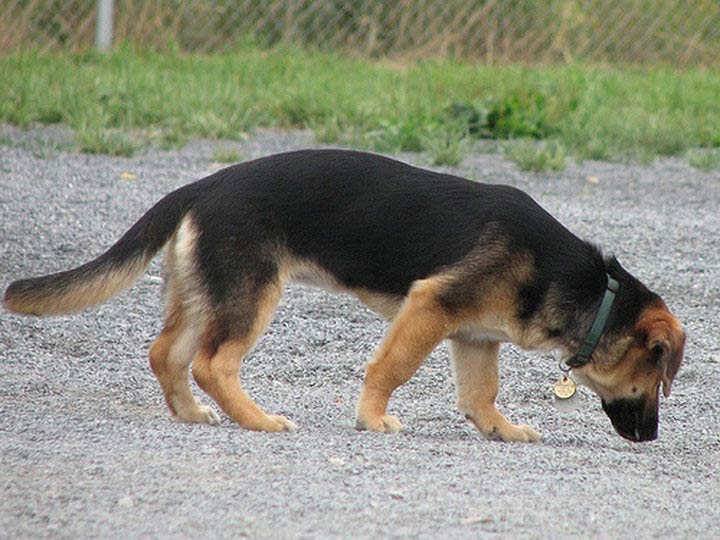
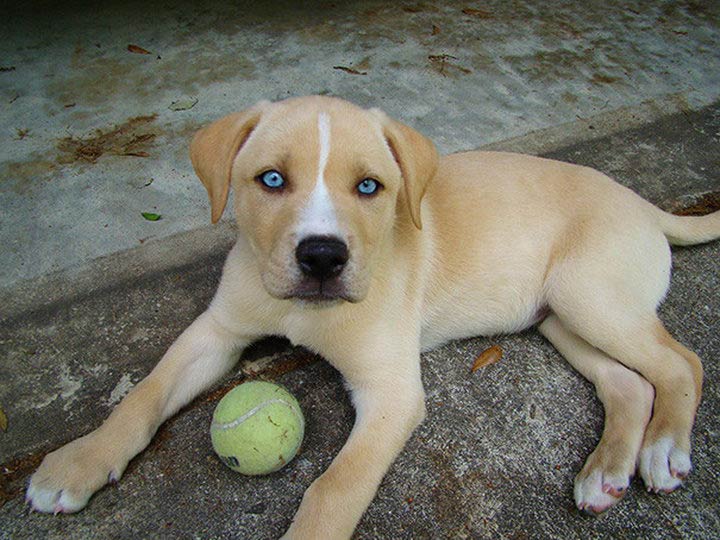
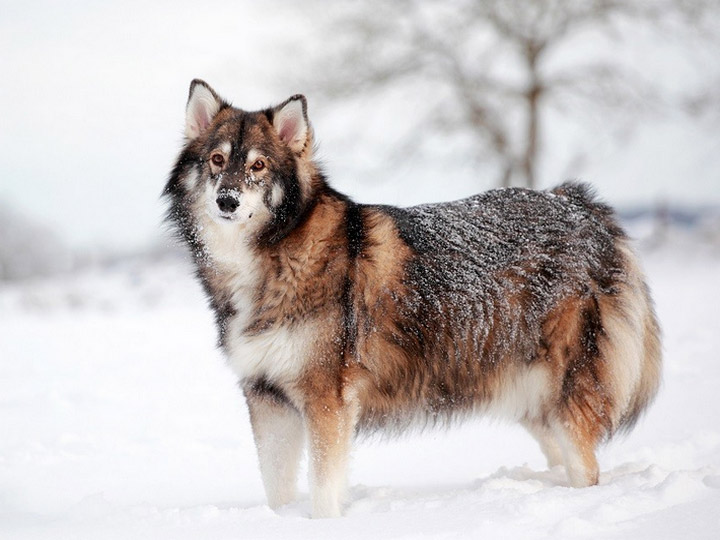
Check out this gallery of beautiful photos of mixed-breed dogs from the most popular breeds (with names):


Read also:


Add a comment