
Ringworm ointment for cats
Ringworm is a fairly common dermatological condition in cats, especially those who frequently spend time outdoors and may come into contact with infectious animals. Ringworm can be treated with ointments, shampoos, creams, drops, and tablets. For effective treatment, it's important to begin treatment promptly, as ringworm, although highly treatable, causes significant discomfort to the animal and can be transmitted to humans. A veterinarian can help you choose the right treatment, but if consulting a specialist isn't possible, several types of ointments can be used at home, the most popular of which are described below.
Content
Indications for the use of ointments
Skin lesions in animals can be fungal or viral in nature. The most common type of ringworm in cats is caused by the pathogenic fungi Trichophyton and Microsporum. Other, less common types of ringworm include:
- pink (has a viral nature);
- red flat (etiology unclear);
- multicolored (pityriasis versicolor) (fungal nature);
- weeping (eczema).
Various ointments can be used to treat any of these conditions, except for pityriasis rosea. No specific treatment has been developed for this condition. Cats need good nutrition and immune support. Symptoms of this condition include numerous pink spots spread over the body, which eventually turn yellowish. Wrinkles in the skin begin to appear at the affected areas.
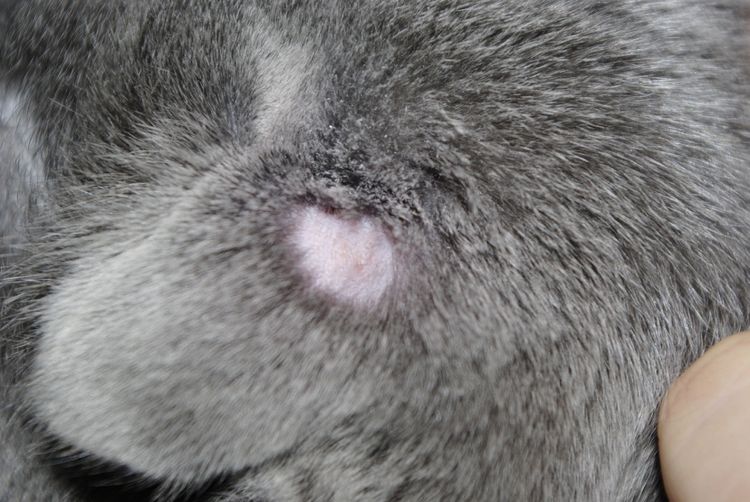
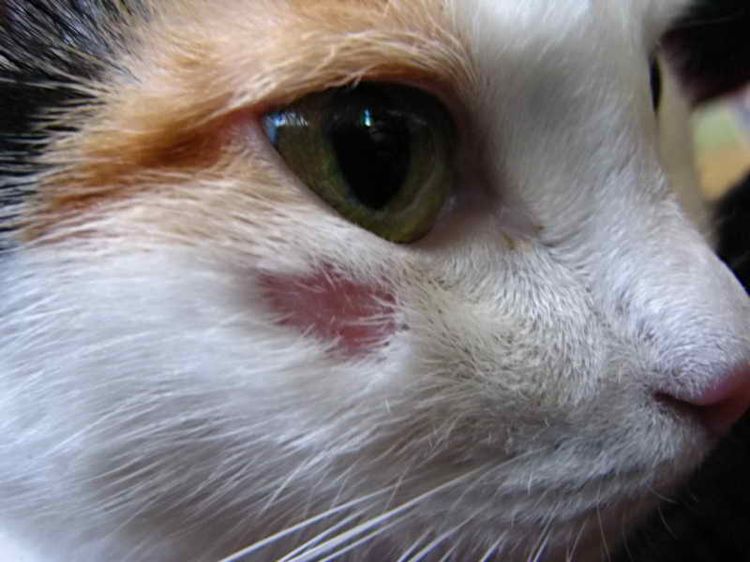
The ointment is an effective treatment for the most common type of lichen – ringworm. This fungal infection most often affects the face, behind the ears, paws, and tail. In some areas, the skin begins to scale and peel, and hair loss occurs in the affected area (as if hair had been shaved off). If a pet owner notices such skin changes, treatment should be started immediately, as the condition causes severe discomfort to the animal. The fungus can quickly spread to surfaces and be transmitted to humans, so it's advisable to keep the cat away from children (who haven't yet developed immunity to the fungal infection).
If topical treatments fail to cure the condition, specialist help will be needed. A veterinarian may prescribe oral medications. These are most often used in severe or advanced cases. Below, we'll discuss treatment options for ringworm in cats in more detail.
Important! Treatment of ringworm with any pills is prohibited for pregnant or nursing cats and kittens.
Varieties
There are several main types of ointments that are used to eliminate dermatological diseases:
- antifungal;
- zinc;
- sulfuric;
- salicylic;
- tar.
Antifungal medications are the mainstay of treatment for ringworm. The most popular medications include clotrimazole and miconazole. They have a broad spectrum of activity against various pathogenic fungi. The active ingredient destroys the fungal membrane and inhibits cellular activity.
Zinc ointment for ringworm in cats is an excellent treatment in the early stages of the disease. It contains zinc oxide and petroleum jelly. It has an anti-inflammatory effect, prevents the spread of infection, has a drying effect, and accelerates skin regeneration. However, it only affects the top layer of the epidermis, so deeper lesions will require additional medication.
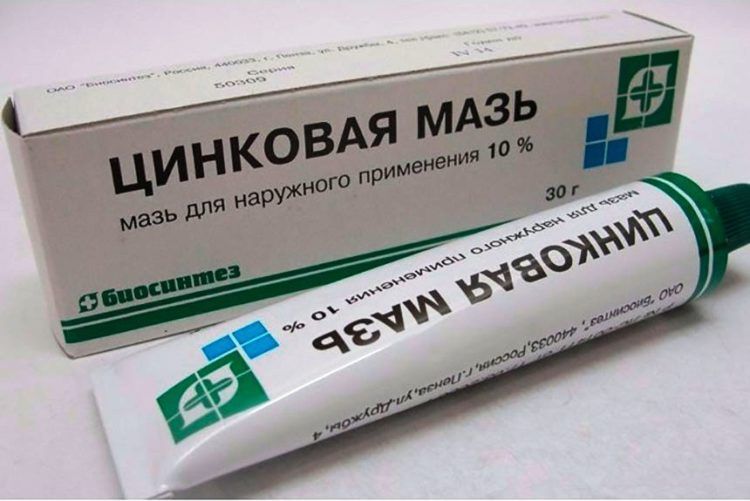
A topical zinc treatment can be used for ringworm, tinea versicolor, and eczema. Apply the medication to cleansed affected areas 5-6 times daily until the pet is completely cured.
Sulfur ointment for ringworm in cats is effective against viral and fungal infections. It consists of a mixture of precipitated sulfur, petroleum jelly, and an emulsifier. The medication is available in various volumes and concentrations of the active ingredient. The higher the percentage of sulfur in the ointment, the deeper the medication will penetrate the skin. Therefore, it is advisable to use it for ringworm that has penetrated the deep layers of the epidermis. The ointment has an antimicrobial effect, relieves itching, and accelerates wound healing.
Another popular treatment for ringworm is salicylic acid ointment. It also comes in various strengths and concentrations of the active ingredient (2, 5, and 10%). It has proven highly effective in treating weeping ringworm. It has strong antimicrobial and antiseptic properties and promotes skin restoration.
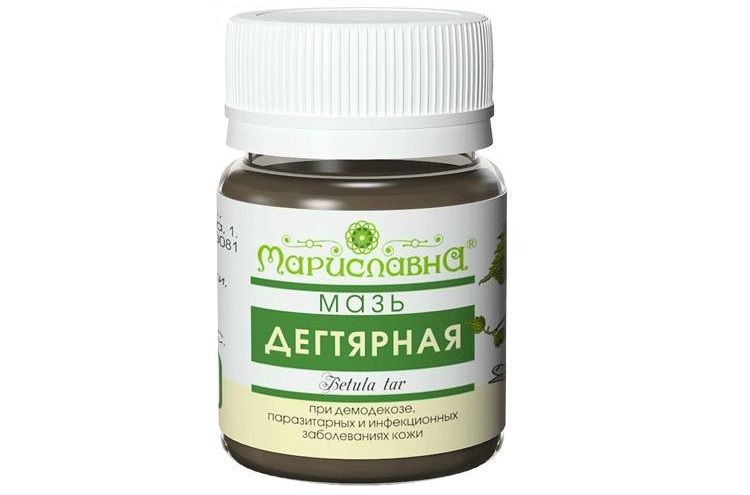
Tar ointment contains wood processing products. Natural ingredients have antiseptic, anti-inflammatory, and antiparasitic properties. It helps reduce itching and soothe redness. It is effective for a variety of dermatological conditions and can be combined with sulfur and salicylic acid preparations.
Features of application
Fungal and viral infections that affect animal skin can also be transmitted to humans. They can also settle on various surfaces, such as carpets, blankets, and other items. Therefore, if your cat develops this condition, follow these recommendations to help stop the spread of the infection and effectively treat your pet:
- The cat must be isolated in a room that can be easily treated with disinfectants.
- Avoid contact with children and the elderly, whose bodies may have difficulty coping with such an infection.
- The animal is treated with rubber gloves.
- Before and after the procedures, all instruments are treated with an antiseptic.
- The affected areas of the skin should be additionally trimmed of hair so that the ointment can be applied easily.
- It is necessary to remove the scales from the affected area, which come off easily.
- It is better to burn cut wool and scales to prevent the spread of infectious agents.
- The cat should be given a collar or muzzle to prevent it from licking the ointment.
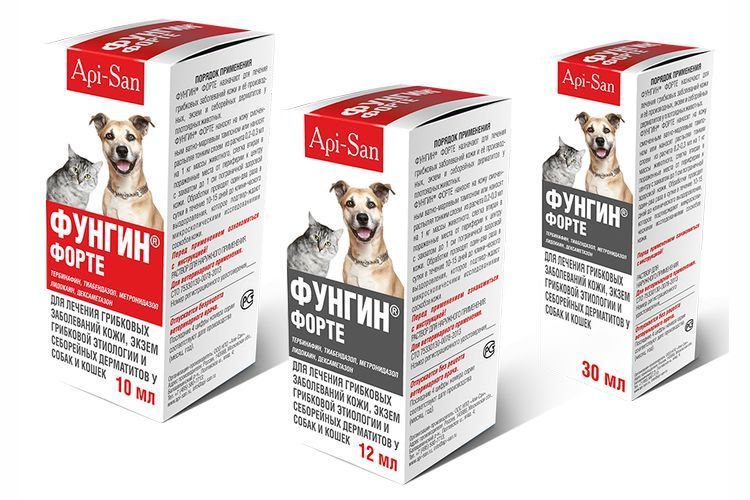
Fungin
A topical antifungal medication containing clotrimazole as its active ingredient. Additionally, the formula includes propolis, isopropyl alcohol, and dimethylformamide, which enhance the active ingredient's activity and promote healing of affected areas.
Fungin It is indicated for the treatment of ringworm in cats and dogs. It is applied to the infected area with a gauze pad at a dosage of 0.2-0.3 ml per 1 kg of pet. The product is gently rubbed into the wound area, covering about 1 cm of the surrounding healthy area. Treatment is repeated once daily until complete recovery.
Price: from 160 to 340 rubles depending on dosage.
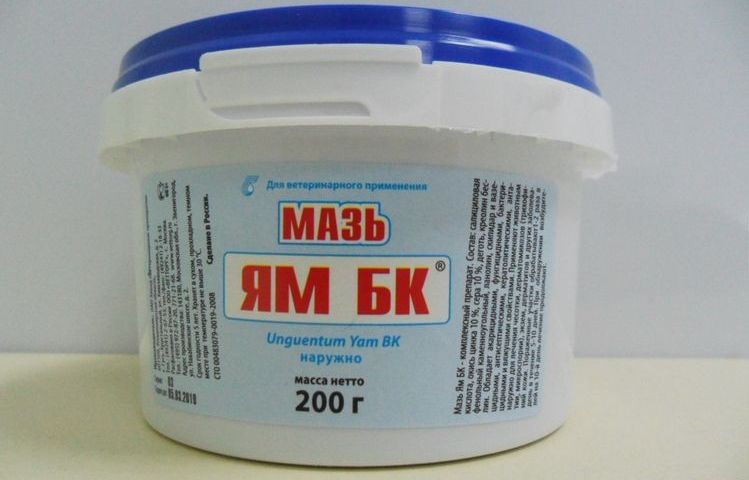
YAM BK
This inexpensive medication contains sulfur, zinc, salicylic acid, tar, turpentine, petroleum jelly, and other excipients. It has antiseptic and astringent properties, making it effective in the treatment of ringworm, eczema, and other skin infections.
YAM BK Apply a thin layer to the wound, covering 2-4 cm of skin around it. Do not remove scales or trim the affected area beforehand.
The remedy is used 1-2 times a day for at least a week until the pet is completely cured.
Price: 70-90 rubles.
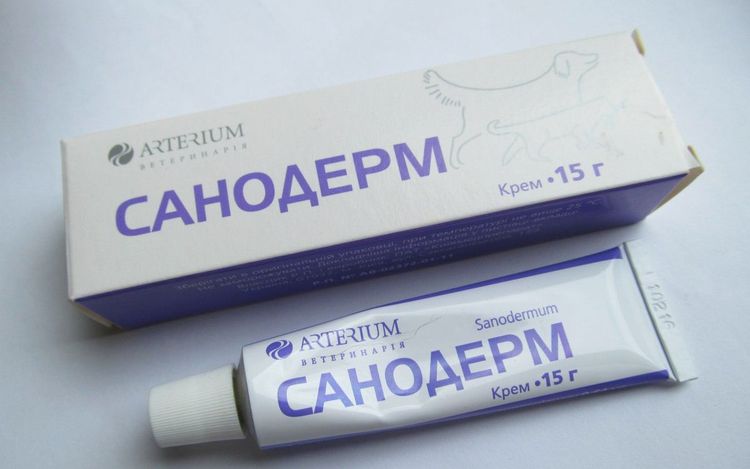
Sanoderm
The medication contains the antifungal agent clotrimazole and a broad-spectrum antibiotic. It is highly effective in treating ringworm in cats and can be used in severe cases. However, long-term use may negatively impact kidney function and may cause other side effects. Therefore, consult a veterinarian before use.
The ointment is applied in a thin layer twice daily. The course of treatment lasts from two to four weeks, depending on the severity of the condition. As the condition improves, the ointment is applied once daily.
Price: about 160 rubles.
Reviews
Zhenya:
"I use a simple sulfur ointment for ringworm in cats. Animals live outdoors, so they often bring in all sorts of infections and infect each other. This remedy helps heal wounds and prevents the infection from spreading throughout the body. And it costs pennies."
Katya N.:
"When my beloved cat showed signs of ringworm, I went to the veterinarian. They diagnosed ringworm and prescribed Sanoderm ointment. It's a good product, and the symptoms cleared up quickly. Everything is fine now."
Elizaveta Konstantinovna, veterinarian:
"In my practice, I prefer clotrimazole-based products for treating ringworm. This substance shows good results and is affordable. There are a huge number of clotrimazole-based medications available on the market, and they can be selected depending on the severity of your pet's condition. Of course, disinfection of the home is an important component of treatment, as fungi can survive for a long time on various surfaces, reinfecting both animals and people."
Read also:
- Ringworm in cats: symptoms and treatment
- Can a person become infected with ringworm from a cat?
- Ivermectin for cats


3 comments
User
The simplest, fastest, and most effective method is potassium permanganate and Tristel (a disinfectant). Cauterize the stains with a black solution of potassium permanganate and then rinse the apartment with the solution. The spores are very tenacious, and if they aren't eliminated, a new outbreak will occur. A friend of mine got ringworm in her house when she pulled out a rug from the closet where a ringworm-infested cat had once lain a year earlier!
Natalia
I spent a month treating my kitten, and I was getting discouraged. We went to a third vet. They recommended treating the apartment, saying there was a recurring infestation. They recommend using Tristel Fuse on surfaces; it's much more convenient than a spray bottle and more effective than anything else. We washed the entire apartment with it, as the vet recommended. Now we're testing the cat and washing everything again, just to be sure. Maybe this will be helpful—we should have disinfected the entire apartment right away, the vet said to isolate the cat, and then only wash it in that room. Good luck to everyone!
Daria is a veterinarian
That's right. Disinfection is necessary for ALL contagious diseases. This reduces the risk of reinfection (and infection of other animals, if there are any in the house). It's important to disinfect not only floors and furniture, but also bowls, toys, and pet care items. I wish your pet a speedy recovery.
Add a comment