
Aversectin ointment for cats
Aversectin ointment for cats is used to treat dermatological diseases caused by ectoparasites. This antiparasitic medication has a broad spectrum of action and is effective against infestations by fleas, demodectic mange, ear mites, and other external parasites.
Content
Composition of the drug
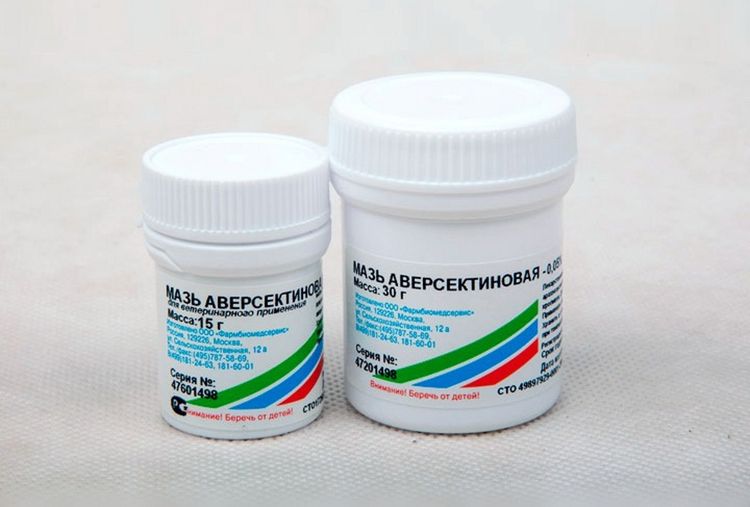
The product was developed by the Russian company Pharmbiomed. The ointment has a thick yet uniform consistency. Its characteristic white color may have a slight yellow tint. It is packaged in small polymer jars with screw-on lids. A first-opening inspection is provided.
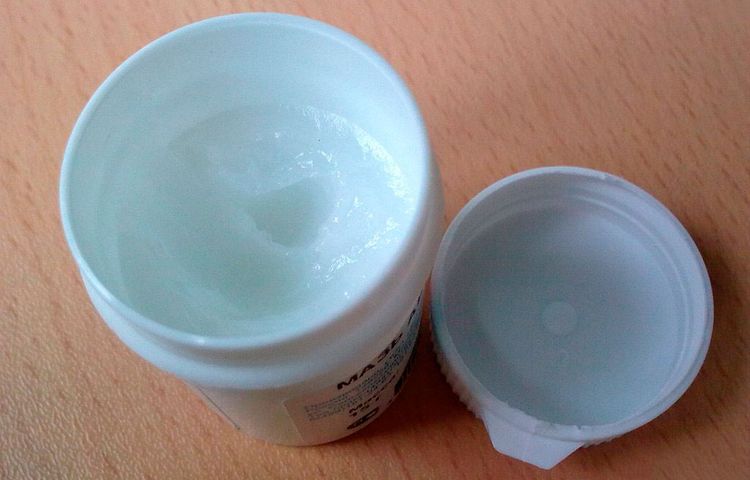
The medication can be stored in an unopened container for 2 years from the date of manufacture, but once opened, it is only suitable for use for 24 days. The temperature should be above zero and not exceed 20˚C. Store in a location inaccessible to pets and children, and out of direct UV rays.
The main component of the ointment is avermectin C, which has insecticidal and acaricidal properties. Its content in the medication is only 0.05%. The following auxiliary components are also used in the preparation of the medication:
- distilled glycerin;
- polyethylene oxide-1500;
- polyethylene oxide-400.
How it works
Aversectin C has a detrimental effect on external parasites, regardless of their form or stage of development. Its main property is its ability to increase chloride ion currents. This action disrupts the transmission of nerve impulses, leading to paralysis and rapid death of the parasites.
When applied, the medication has a contact effect, meaning insects die upon contact with its components. Once absorbed into the bloodstream, the active ingredient is distributed throughout the body, exerting a systemic effect. Its peak blood concentration is reached only 3-4 days after application. The medication is characterized by long-lasting action, as the elimination period of avermectin C is 10-12 days.
Aversectin ointment is considered safe for cats. It is non-addictive and has no harmful effects on the body. However, it does have a number of contraindications, so consulting a veterinarian before use is essential.
Price
Where is this medication sold? It can be found in regular pharmacies, but it can also be ordered online.
The price for cats in a 15 gram package varies from 65 to 82 rubles.
Indications for use
The instructions for use indicate that avermectin ointment for cats is used in the presence of the following pathologies:
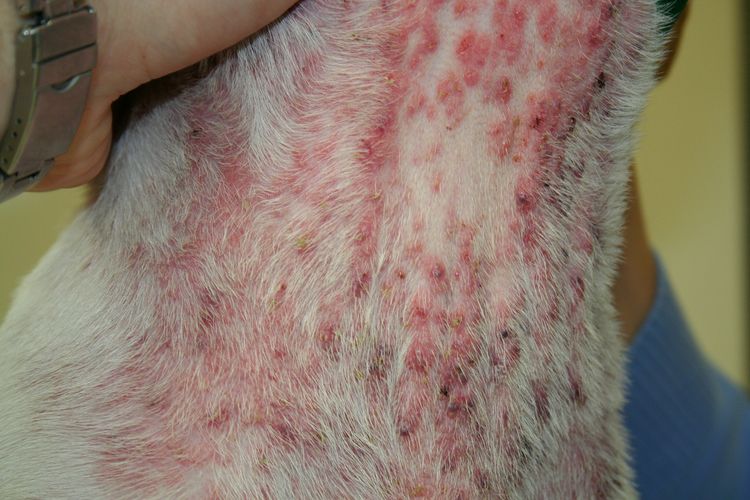
- demodicosis;
- sarcoptosis;
- entomosis;
- otodectosis;
- notoedrosis.
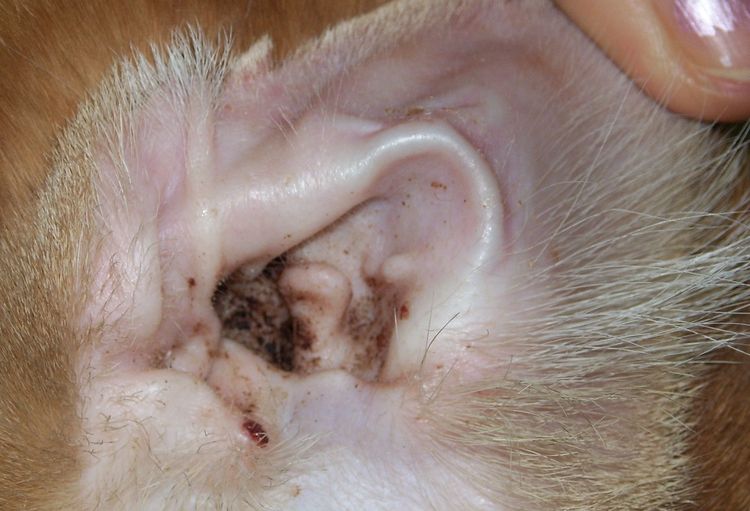
Medication should only be administered after a diagnosis has been made by a veterinarian. Do not attempt to treat your animal yourself unless you have the necessary knowledge. Remember that improper treatment, as well as lack of treatment, can lead to serious complications.
Instructions for use in veterinary medicine
One of the medication's key advantages is its ease of use. Just follow these simple steps:
- If your pet suffers from notoedric mange, demodicosis, or sarcoptic mange, trim the affected areas. If you use a razor, be careful not to accidentally injure your pet.
- Wash your cat and dry thoroughly.
- Remove any scabs or crusts.
- Using a small wooden or plastic spatula, apply a thin, even layer of ointment to the affected areas, gently massaging it into the skin. Be sure to include 1 cm of healthy skin to prevent further spread of the ointment.
- Be sure to use a collar or tape. You can bandage the animal's mouth with a bandage or cloth strip. This is necessary to prevent the cat from licking the medication, as this can lead to poisoning. Remove the collar only after the medication has completely dried.
Depending on the severity of the disease, the procedure is repeated 2 to 5 times, with intervals of 5 to 7 days. For severe skin lesions, the procedure is performed twice. Treatment in this case has its own specifics. First, apply the ointment to one side, then to the other side the next time, but only after 24 hours. Avoid treating large areas at once, as this can lead to overdose. Consulting a doctor is essential in this case.
Avoid direct contact with the product! Wear rubber or latex gloves when handling.
If the disease caused by ectoparasites is accompanied by an infection or fungus, antibiotics, antifungal medications, immunomodulators, and vitamin supplements are additionally prescribed. Treatment is discontinued after negative results from scrapings from the affected areas. To speed up skin recovery, additionally use a healing agent.
If an animal is infested with fleas or lice, the fur should not be clipped. Treatment should be carried out in the following order:
- Rub the medicated mixture into the skin using a soft brush. Brush against the direction of hair growth. Focus on areas where insects are most prevalent.
- Comb all the fur carefully with a comb.
- Prevent licking of the medication by using a collar or tape.
- Be sure to replace the bedding and treat the animal's areas to prevent re-infestation.
One treatment is usually enough to get rid of parasitic insects. The procedure can be repeated (if necessary), but not sooner than 30 days later.
Features of use in otodectosis
If avermectin ointment is used to treat ear mites in cats, the instructions recommend the following steps:
- Clean the auricle with a damp cotton swab or cotton swab to remove any scabs or crust. Be careful not to damage the ear canal. Special lotions are also available.
- Carefully apply a small amount of ointment. It's easier to administer the medication in liquid form. To do this, place it in its original packaging in hot water.
- After folding your ear, gently massage it. This will help the medication distribute evenly inside.
- Both ears must be treated, even if mites are present in only one.
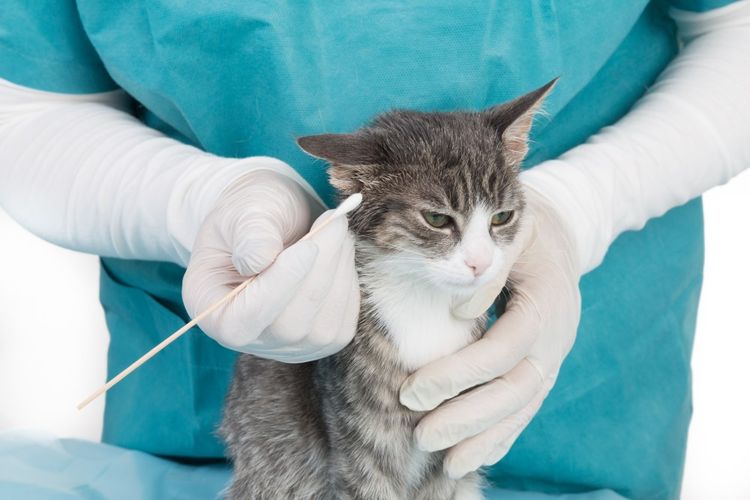
Depending on the severity of the lesion, the procedure can be repeated after 5-7 days. If ear mites are accompanied by a bacterial or fungal infection, the medication is used as part of a comprehensive treatment plan.
Contraindications and side effects
Aversectin ointment should not be used for cats in the following cases:
- in case of exhaustion;
- for infectious diseases;
- during the recovery period after operations and exacerbation of chronic pathologies;
- during pregnancy;
- when feeding kittens;
- until reaching 2 months of age.
It is not recommended to use for weakened animals or in case of intolerance to the components.
It is strictly forbidden to combine avermectin ointment with other antiparasitic agents and medications that contain avermectin.
The medication is generally well-tolerated by pets and does not cause side effects. In case of intolerance or hypersensitivity, allergic reactions may occur, accompanied by rashes, itching, redness, and other unpleasant symptoms. If you experience any of these, consult a doctor.
In case of overdose the following phenomena may be observed:
- tremor;
- increased salivation;
- weakness and apathy;
- lack or poor appetite.
Since there are no special means to neutralize the effects of the drug, a number of measures are used to remove it from the body.
Owner reviews
Ksenia, the owner of a stray cat:
"We found Mila the cat on the street, took her home, and immediately treated her with deworming drops. A few days later, I noticed Coco was continuing to scratch her ears. At the vet, they diagnosed ear mites. We used avermectin ointment four times. The mites were gone, but we also had to treat an ear infection. The advantage is the low cost, the disadvantage is the lengthy treatment."
Violetta, the owner of a Siamese cat:
"I noticed strange spots on my cat's skin. The fur in those areas had fallen out. The vet prescribed avermectin ointment. I was skeptical about the medication, but I bought it anyway. After the third treatment, my pet felt better, and after two more, his fur started growing back. We didn't notice any side effects."
Veterinarian Reviews
Olga, a veterinarian with 16 years of experience:
"I consider this medication useless. It's ineffective for severe tick infestations (I prescribe injections in such cases), and in the early stages, Stronghold drops are better. It's more expensive, but it's much more effective and produces results faster. Plus, you won't have to torture your pet with unpleasant procedures. Most cats refuse treatment."
Victor, a veterinarian with 8 years of experience:
"The only advantage of Aversectin ointment is its low price. Otherwise, it has only disadvantages: an inconvenient form of application, low effectiveness, the need for long-term treatment, etc. I never recommend this product to my clients, although some of my colleagues support it. For ear mites, it's better to use drops, fortunately, there's a huge selection available in pharmacies."
Read also:


Add a comment