
Mastopathy in cats: symptoms and treatment
There is currently no consensus among veterinarians regarding the cause of mastopathy in cats. However, most specialists adhere to the theory that the determining factor is the presence of an excess of two hormones in the body: progesterone and prolactin. Treatment is prescribed depending on the symptoms and severity of the disease.
Content
Forms of the disease
There are two main forms of mastopathy:
- Physiological. The natural process of swelling of the mammary glands during lactation and nursing of kittens.
- Pathological. It occurs under the influence of various pathogenic factors not directly related to childbirth and breastfeeding.
Causes of mastopathy
The causes of the disease can be varied, and they often complement each other or stem from one another. These include:
- Disruptions in the endocrine system.
- Diseases of the liver and genitourinary system.
- Trauma to the birth canal resulting in infection of the uterus and pelvic organs.
- Trauma to the mammary glands or the nipples themselves during the period of feeding kittens.
- Hypothermia.
- Excessive milk production during lactation and, as a result, its stagnation in the milk ducts of the mammary glands.
- False pregnancy due to severe nervous stress, usually after mating, estrus, or stillbirth of kittens.
- General decrease in immunity in the postpartum period.
It has been noted that spayed female cats that have never been in heat have a minimal risk of developing mastopathy. Contraceptive use also increases the risk of developing mammary gland pathologies. Such problems are extremely rare in males. At risk are unneutered male cats that have never been bred to a female cat but are actively "fed" hormonal medications.
Clinical picture
Mastopathy can be conditionally divided into several main types:
- Fibrous. There is tissue growth in the gland, which leads to its compaction.
- Cystic. Fluid-filled cysts form in the tissue.
- Diffuse. Neoplasms are present throughout the entire mammary gland, forming nodules.
General symptoms depend on the stage of the disease and its severity. Typically, the following signs are observed:
- The gland is hard, the nipples are enlarged.
- Visible swelling in the breast area.
- Moderate to severe pain when touching the swollen areas.
- Presence of subcutaneous balls or bumps.
- Redness and dryness of the skin.
- Enlarged lymph nodes.
- The skin tissue is hot and hard to the touch.
- Discharge from the nipples of a watery fluid, which may contain ichor or flakes.
- Increased body temperature.
- Fever.
Diagnostics
A veterinarian can make a correct diagnosis after an initial examination of the animal, but in any case, it must be confirmed by additional tests. These include:
- Blood test for biochemistry, hormones, hematology.
- General urine analysis.
- Ultrasound, X-ray or MRI.
- Histology of formations.
Only after a comprehensive diagnosis is a final conclusion made regarding the form and severity of the disease, and appropriate treatment is prescribed. This "safety net" is necessary to avoid confusing mastopathy with other conditions that have a similar clinical picture, such as neoplasia, lipoma, or lymphadenitis.
Treatment at home
A treatment plan is prescribed after determining the cause of the pathology, as well as its type. This may include:
- Physiotherapy procedures, such as electrophoresis or ultrasound, are effective in the early stages of the disease. They are often combined with novocaine blockades.
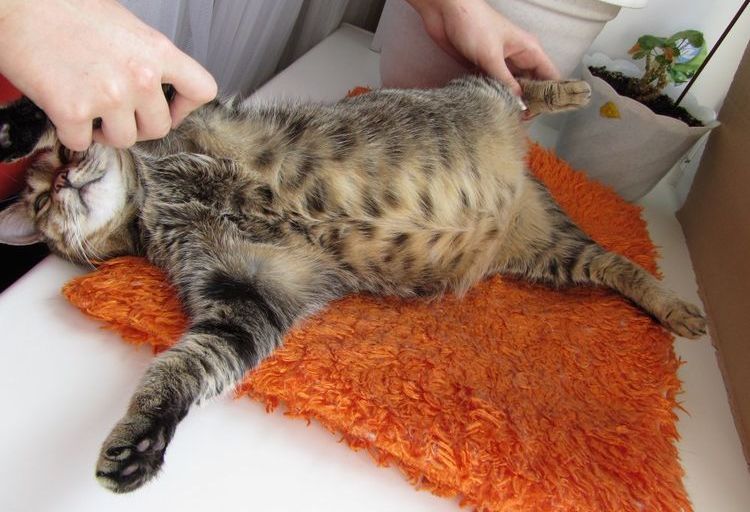
- Massage combined with warm compresses of ichthyol and camphor oils. The application of these active ingredients to the mammary glands promotes vasodilation, which in turn increases blood flow to the tissues. Congestion is reduced, inflammation is relieved, and the cat begins to feel much better. Painkillers and anti-inflammatory medications are also prescribed. This therapy is recommended for the treatment of serous and catarrhal mastopathy.
- In more severe cases (fibrinous and purulent mastitisAntibiotics are prescribed. To check the cat's reaction to a particular medication, it is advisable to conduct sensitivity and allergy tests. Oxytocin helps remove stagnant fluid from the milk ducts. Disinfecting ointments are prescribed externally. If abscesses are present, they are lanced and then treated with antiseptics.
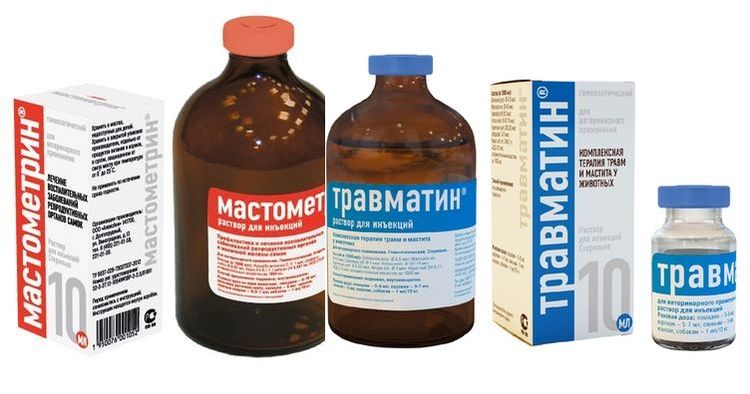
- Mastometrin has proven to be quite effective in practice. TraumatineThe first is a homeopathic remedy and is administered as an injection. Injections are administered intramuscularly into the back thigh, 1.5 ml daily. The second has an anti-inflammatory effect and accelerates the regeneration of damaged tissue. It is administered subcutaneously twice daily, 1 ml per injection. Both preparations are used in combination with other therapies: massage, expressing milk, and warming.
Important: During treatment, cats are advised not to drink excessive amounts of fluids. Water restrictions can be offset with diuretic herbal infusions. This will prevent thirst and help relieve excess swelling.
Surgical intervention
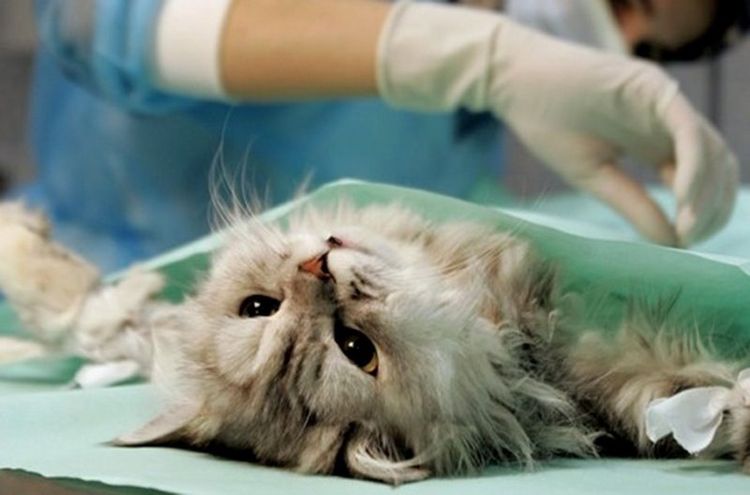
In advanced mastopathy, tumors are removed only surgically. If bilateral mammary gland lesions are diagnosed, the surgery is performed in two stages, 14 days apart. Postoperatively, the cat remains under veterinary observation in a hospital setting to prevent complications.
In addition to the mammary gland, the uterus and both ovaries may be removed. In 90% of cases, the animal makes a full recovery and returns to normal life. However, it's important to remember that the sooner help is provided, the better the cat's chances of returning to health.
There are a number of contraindications to surgical intervention:
- The animal's age. Surgical treatment is not recommended, as the cat may not tolerate anesthesia.
- In the presence of kidney and heart diseases.
- If metastases have spread to other internal organs, surgery may trigger the formation of new lesions and worsen the pet's condition. In severe cases, the final option is euthanasia.
Folk remedies for the treatment of mastopathy
It's important to understand that the effects of homeopathy can be subtle, so relying solely on traditional treatments isn't recommended. It's recommended to combine them with medication and physical therapy.
- Flax seeds. Mix 1/3 teaspoon of seeds with 10 g of water and pour it down the cat's throat. Repeat this procedure daily for a month. The first signs of improvement in health are observed after two weeks.
- Elderberry juice. Take ¼ tablespoon on an empty stomach. Elderberries are rich in vitamins and biologically active substances, making them effective for strengthening the immune system and reducing inflammation. It is especially recommended for cats during the postpartum period, when there is a high risk of recurrence of the disease.
- Apricot kernels. They serve as a dietary supplement and are taken alongside medications. Two finely crushed kernels are sufficient per dose.
Prevention
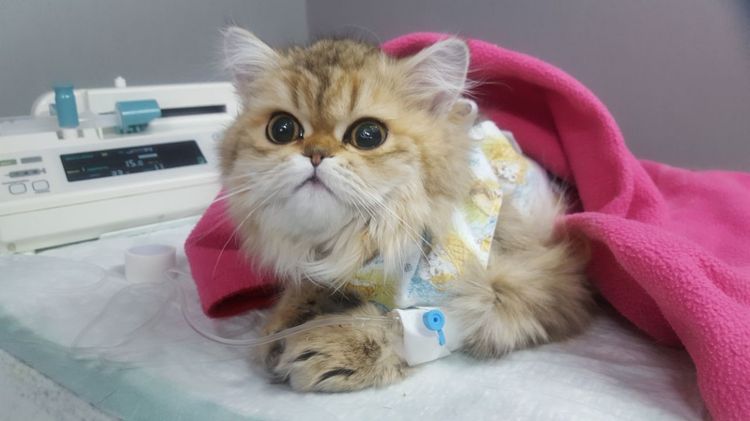
The most common preventative measures for mastopathy include discontinuing hormonal contraceptives and medications that lower progesterone levels. If the cat has already given birth and is not planning to have kittens in the near future, spaying is recommended.
Important: Spaying should be performed before the first heat cycle. Only then can the cat's hormonal balance be stabilized and future health problems avoided.
It is also worth paying attention to other advice and recommendations from veterinarians:
- Make sure that the cat's bed is located as far away from doors and drafts as possible.
- During lactation, ensure your cat's room temperature is optimal. Regularly inspect her mammary glands and massage them if necessary.
- Take iodine-containing medications, dietary supplements and homeopathic remedies that boost immunity.
- Try to avoid using bedding made from synthetic materials, as polyester can cause contact dermatitis and indirectly contribute to the development of mastopathy, especially in lactating cats.
The most important thing to remember is to have regular checkups with your doctor and avoid self-medication. The sooner the condition is detected, the higher the chance of a full recovery.
Read also:


Add a comment