
Massage of the dog's hind legs
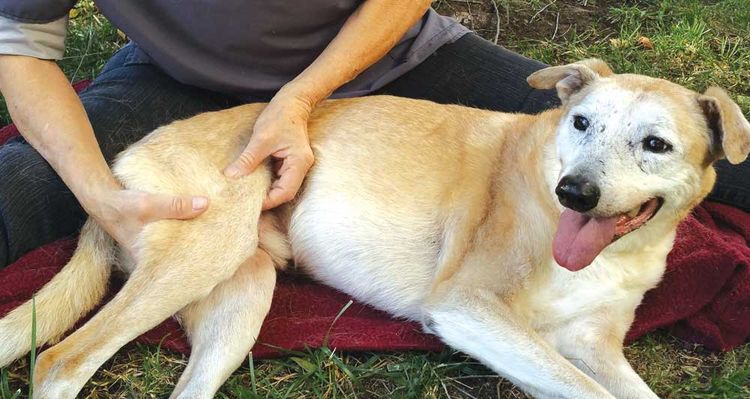
Hind leg massage is used in veterinary practice as a treatment and rehabilitation tool for limb problems, and can be used by both professionals and pet owners. Knowledge of the technique, basic massage techniques, and timely administration of procedures can improve a pet's well-being, complement primary treatment, and, in some cases, completely overcome the condition.
Content
Why do you need to massage?
Massage is a versatile procedure with numerous positive effects, allowing for the restoration of tissue function without medication. It can be prescribed to dogs as a therapeutic treatment for hind leg paralysis and simple limb weakness caused by a number of factors (arthrosis, arthritis, sprains, tendon ruptures, back injuries, degenerative diseases of the spine, etc.).
With the help of massage you can achieve the following positive effects:
- Improve blood circulation in the affected area, which will stimulate metabolic processes, saturate tissues with oxygen and, accordingly, accelerate the recovery process.
- Increase muscle tone, activate tendon reflexes, and strengthen muscles. Mechanical stimulation of areas that are (completely or partially) deprived of neural regulation will activate muscle fibers and halt or slow their atrophy.
- Provide pain relief. Manual pressure on the subcutaneous fat tissue causes the release of biologically active substances (histamine, etc.), which have an analgesic and vasodilatory effect, temporarily alleviating the dog's condition.
- Increase the conductivity of peripheral nerve trunks, which promotes the restoration of nerve tissue function and successful rehabilitation. A competent approach and timely procedures can, in some cases, restore the pet's previous motor activity.
- Provide a general calming and relaxing effect.
As with other medical procedures, there are a number of contraindications for hind leg massage. These include open injuries, purulent infections, inflammatory processes, any neoplasms, high body temperature, bleeding, shock, and epilepsy.
Technique of implementation
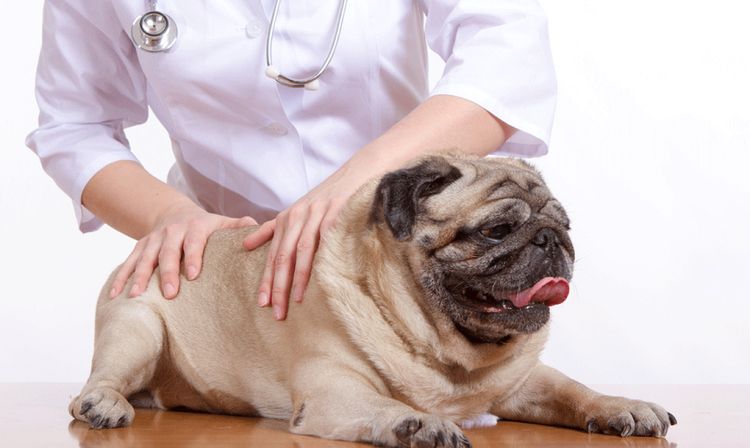
You can massage your dog's hind legs at a veterinary clinic or learn the technique yourself. Choosing the latter option doesn't replace the mandatory visit to the veterinarian, who will assess your pet's condition and prescribe appropriate treatment, which may include massage, medication, or a combination of both.
It will be much less stressful for your pet if the necessary massages are performed by a person you already know and care for. However, to build trust, all movements should be gentle at first. Gradually, move on to more intense movements, as gentle strokes are not effective. The recommendations below will help you understand how to do everything correctly and benefit your pet. However, if you lack the time, energy, and desire to perform a high-quality procedure, it's best to entrust it to professionals.
Preparatory stage
The procedure is recommended to be performed 30 minutes after feeding the dog, choosing the same time each day in a quiet, familiar place free from external stimuli. A flat, slightly soft surface should be prepared for the "patient." Blankets and pillows should not be used for this purpose. Warm hands are essential for the pet's comfort.
The procedure for the preparatory stage:
- Lay the dog on its side and stroke its body from head to tail with gentle, open palms. For added relaxation, you can complement these movements with soothing words. Over time, you can increase the pressure slightly, so that the movements resemble a rubbing motion.
- Massage the back from the shoulders to the base of the tail, working every muscle. Massage of the spine and any bony structures is strictly prohibited.
- Rub the sacral area with light circular movements of an open palm.
- Stroke the belly. If the dog experiences noticeable discomfort during this procedure, it can be omitted.
- Massage the scalp. Place your palms on the sides of the scalp, slowly moving them back and forth. For small pets, you can use your fingers.
- Run your hands from the base to the tip of the tail several times, gently squeezing it. Avoid pulling or applying too much pressure on the tail, as discomfort can provoke your pet to make sudden movements, which can lead to further injury (for example, to the spine) and a loss of trust.
Limb massage
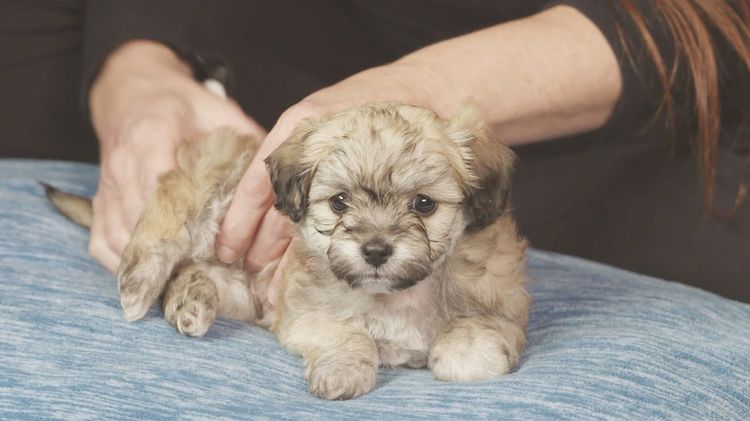
Once your dog is completely relaxed, you can begin massaging his hind legs. The technique is as follows:
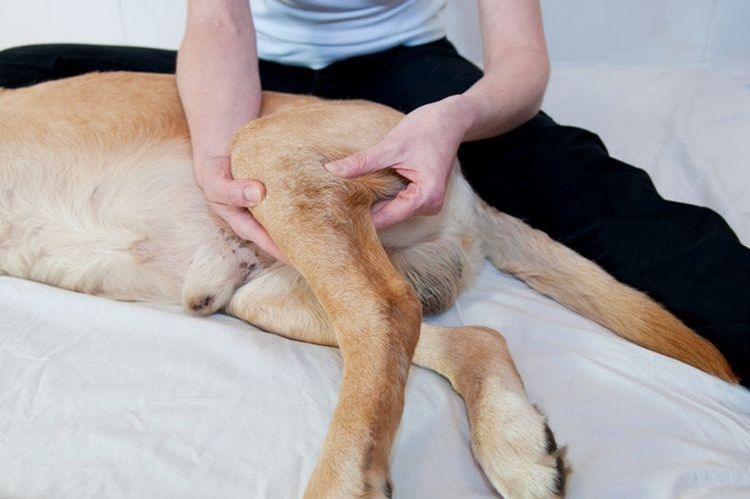
- Take the paw in your hands and stroke it from top to bottom and bottom to top several times. To improve circulation, you can gradually increase the intensity of the movements to massage the limbs sufficiently but without causing discomfort to the animal.
- Grasp the base and tip of the limb with both hands and perform gentle, gentle flexion and extension movements 10-15 times, paying particular attention to your pet's reaction. If there is noticeable discomfort or pain, reduce the range of motion and the number of repetitions.
- Rotate your paw in a circular motion at the hip joint. Rotate clockwise and counterclockwise, up to 5 times in each direction.
- Knead all the muscles of the limb with three fingers of the hand (index, middle and thumb), devoting at least 1-2 minutes to each area.
- Apply pressure 20-30 times on the pads of the dog's toes, grasping the end of the paw with your hands.
- Massage the spaces between the toes.
The final stage of the massage can be stroking movements all over the body, which will especially help calm a restless pet.
For reference: aqua massage is sometimes used as an additional treatment, where the dog is placed in a container of warm, bubbling water for 10-15 minutes. The hydromassage waves stimulate blood circulation, tone skeletal muscles, and promote relaxation.
Duration of procedures
Proper technique and frequency of massage are key factors in determining effectiveness. It's important to perform massages regularly, with each session lasting at least 15-20 minutes. A course typically lasts 15-20 sessions, with sessions resumed after a 10-14 day break.
Read also:
- Hind Limb Paralysis in Dogs: Symptoms and Treatment
- My dog's paw hurts after an injection: why and what to do
- What to do if your dog is choking



Add a comment