
Marfloxin for dogs
Marfloxacin is an effective and safe antibiotic used in dogs for bacterial and fungal infections. Developed by the renowned Slovenian company KRKA, it is popular among veterinarians. Although the medication is well tolerated by dogs, it should not be used without a doctor's prescription.
Content
Dosage form and composition
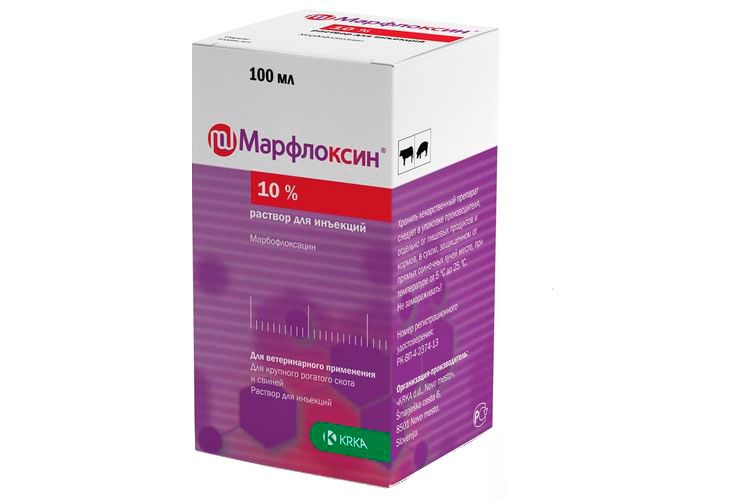
Marfloxacin is one of the few antibiotics available in tablet form. The drug is also available as an injectable solution, but it is not typically used to treat dogs, as it is primarily intended for calves and pigs.
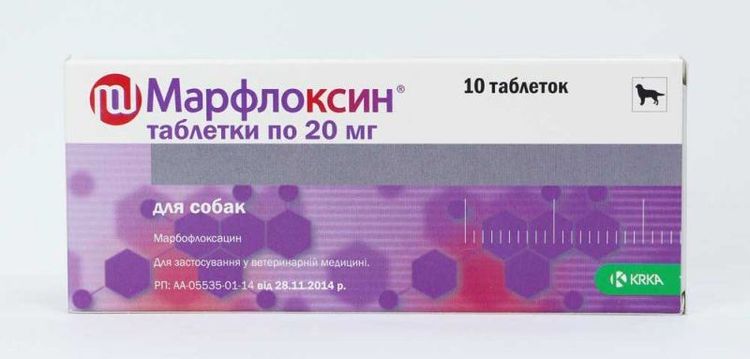
The main (active) component of the medication is marbofloxacin. In addition to a substance capable of destroying harmful bacteria, the composition also includes:
- meat flavoring;
- lactose monohydrate;
- magnesium stearate and other auxiliary components.
When purchasing tablets, be careful, as they come in three different strengths. The active ingredient content can be 5, 20, or 80 mg. The latter is only used for treating large-breed dogs, as it is very difficult to accurately calculate the dosage for smaller animals.
They are packaged in blisters and then packed in cardboard boxes. The quantity may vary. The antibacterial agent should only be stored in its original packaging, at a temperature between 0 and 25°C. To maintain its pharmacological properties, store it in a dry place protected from ultraviolet light.
What is the price?
The price of Marfloxacin for dogs depends on two main factors: the concentration of the active substance and the number of tablets in the package:
- 5 mg 10 pcs. – 340-360 rub.;
- 20 mg 10 pcs. – 460-480 rub.;
- 80 mg 12 pcs. – 880-950 rubles.
The price of the drug may vary slightly in different pharmacies and online stores.
Action
Marfloxacin has a broad spectrum of antibacterial activity. The active ingredient is active against a variety of microorganisms. The medication is effective against the following pathogens:
- proteins;
- Haemophilus influenzae;
- E. coli;
- Brucella;
- Citrobacter;
- salmonella;
- staphylococcus;
- mycoplasmas;
- streptococcus;
- Enterobacter, etc.
Marbofloxacin, a fluoroquinolone, works by inhibiting the enzymes needed for bacterial DNA synthesis. This inhibits bacterial reproduction.
When Marbofloxacin tablets are used for dogs, the active ingredient is easily absorbed in the intestines. It then enters the bloodstream and is distributed throughout the body. It helps destroy bacteria regardless of the location of the infection. The drug's bioavailability is 100%. In other words, every milligram of marbofloxacin is effective against harmful microorganisms.
The active substance is not metabolized in the body and is therefore excreted unchanged, primarily in urine and partially in bile. Maximum blood concentrations are reached 2 hours after administration.
Indications and instructions for use
According to the instructions, Marfloxacin is prescribed for dogs for diseases of bacterial origin:
- kidneys and genitourinary system;
- gastrointestinal tract;
- respiratory organs.
The antibiotic is also used to treat ear infections, infectious wounds, and skin lesions that manifest as purulent inflammation. The medication is equally effective against fungal infections. It can also be used to treat other conditions if the pathogens causing them are sensitive to the active ingredient.
Dogs are given the medication once daily. The dosage depends on their weight. For every kilogram of body weight, 2 mg of active ingredient is required. For example, one 20 mg tablet is for a 10 kg animal. To avoid overdose, pay attention to the concentration when purchasing the medication.
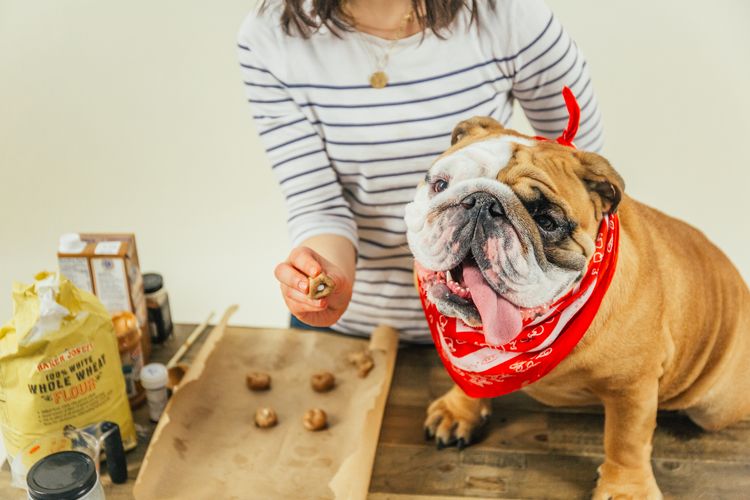
Despite the meat flavoring, most dogs refuse to voluntarily eat the tablets on their own. There are two ways to administer them to your pet:
- Crumble into powder and mix with a small amount of food. It's best to choose your pet's favorite treat.
- Mix the pre-crushed medicine in water or milk and give it to the animal to drink.
- Force the tablet onto the back of the tongue. This method is used for pets who refuse medication mixed with food. An introducer, a special device, can make this process easier.
The duration of treatment depends on the pathology:
- for infectious lesions of soft tissues and skin - from 5 to 40 days;
- in diseases of the respiratory system (bronchitis, tracheitis, laryngitis, etc.) – from 1 to 3 weeks;
- for diseases of the genitourinary system - from 10 to 28 days.
The duration of the course is determined by the doctor depending on the symptoms, severity of the disease, and the presence of complications.
It is not recommended to skip doses of the medication. This may reduce the drug's effectiveness. If you cannot avoid missing a dose, resume treatment as soon as possible at the prescribed dose. Do not increase the dose, as this may lead to an overdose.
Contraindications
The instructions for use state that Marfloxacin should not be used in dogs with an individual intolerance to any of the ingredients. It should also not be used in the following situations:
- for puppies up to 12 months of age (not for use in large breed puppies under 18 months of age);
- during pregnancy;
- during lactation.
This is due to the drug's potential to negatively impact bone development. Nervous system disorders are also contraindicated.
Please note! Concomitant use of this antibiotic with medications containing iron, calcium, magnesium, and other macro- and micronutrients is not recommended. Marbofloxacin reduces the absorption of minerals, thereby reducing the effectiveness of these medications.
Marfloxacin should not be used together with tetracycline or macrolide antibacterial agents or chloramphenicol.
What are the possible side effects?
If the dose is not exceeded, the medication is well tolerated by animals and does not cause side effects. Occasionally, minor gastrointestinal disturbances may occur, manifested by vomiting or diarrhea. There is no need to discontinue the antibiotic unless the animal's condition worsens. Symptoms resolve spontaneously after completion of treatment.
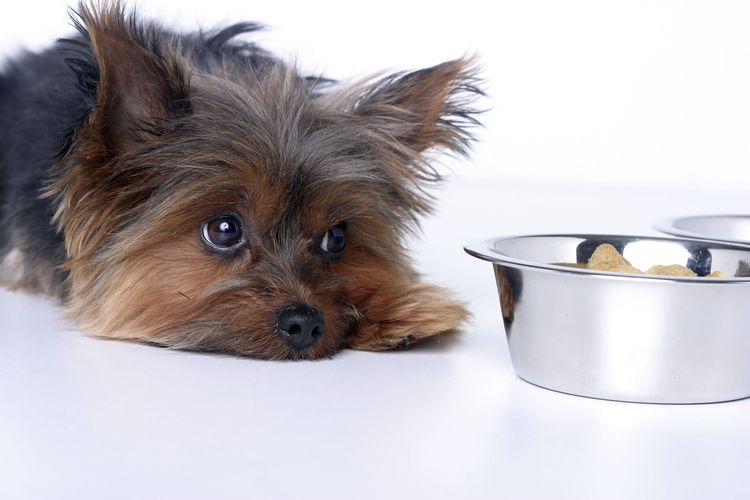
Overdosage may cause nervous system disturbances. In this case, seek veterinary attention. They will prescribe symptomatic treatment.
Undeniable advantages
The main advantages of Marfloxacin include:
- Safety. Contains no toxic compounds. Classified as a low-hazard substance according to GOST.
- Tablets are a convenient dosage form. Many dog owners are either unaware of or afraid to administer injections.
- Easy to store. This medication doesn't require any special storage conditions. It can be stored at room temperature, for example, in a kitchen cabinet.
- Broad-spectrum action. Effective against various harmful bacteria, suitable for treating gastrointestinal, respiratory, and genitourinary tract conditions, as well as soft tissue inflammation.
Another advantage is its ease of use – it’s easy to choose the right product for both large and small animals, as it’s available in different concentrations.
Owner reviews
Oksana, the Labrador's owner:
"When my handsome dog caught a cold, he was prescribed antibiotics. I'm terrified of giving injections, so the vet recommended Marfloxacin tablets. He recovered quickly. However, he refused to eat the tablets, so I had to crush them and mix them with his favorite milk. We took the medication for a week and had no side effects. I was pleased with the treatment process and the results."
Olga, owner of a Pekingese:
"When our dog's urolithiasis flared up, the doctor prescribed this antibiotic. Elsa kept spitting out the tablets, so we had to mix them into her canned food. During the entire three-week treatment, she never had vomiting or diarrhea. After the course, her test results returned to normal, and her pain subsided."
Victoria, the owner of the pinscher:
"We were prescribed a course of Marfloxacin to treat cystitis. The medication helped manage the condition. After a while, he had to undergo surgery, but that wasn't related to the medication. The medication worked perfectly, although our dog didn't like it."
Veterinarian Reviews
Anatoly, a veterinarian with 7 years of experience:
"Our clinic uses a variety of antibiotics, but Marfloxacin is particularly popular. Its main advantage is that it comes in tablet form. Many pet owners are afraid to give their pets injections. Tablets are the ideal solution. The medication is well tolerated by pets, and side effects are rare."
Grigory Alexandrovich, a veterinarian with 15 years of experience:
"Marfloxacin is a good antibiotic. I've been using it for a long time for pets undergoing treatment at home. Many owners appreciate the convenience of this antibacterial product. Regarding its effectiveness, I can say it's never failed. The key is to calculate the correct dosage and duration of treatment."
Read also:


Add a comment