
Maremma Sheepdog
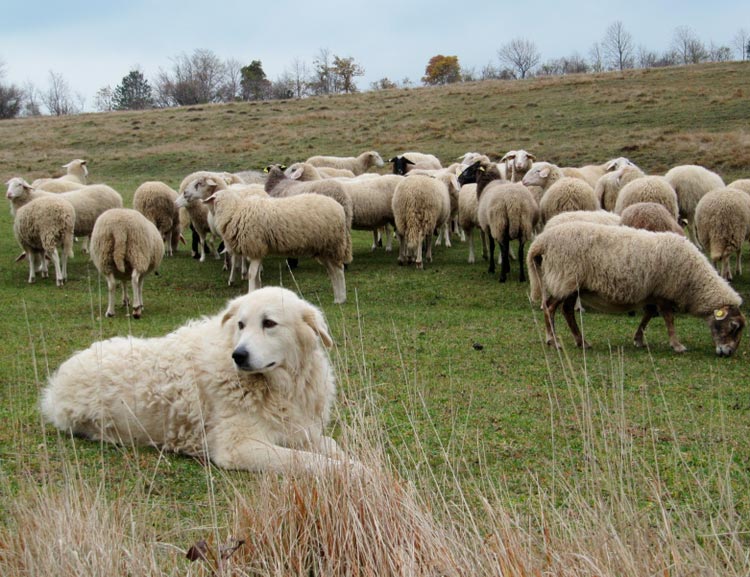
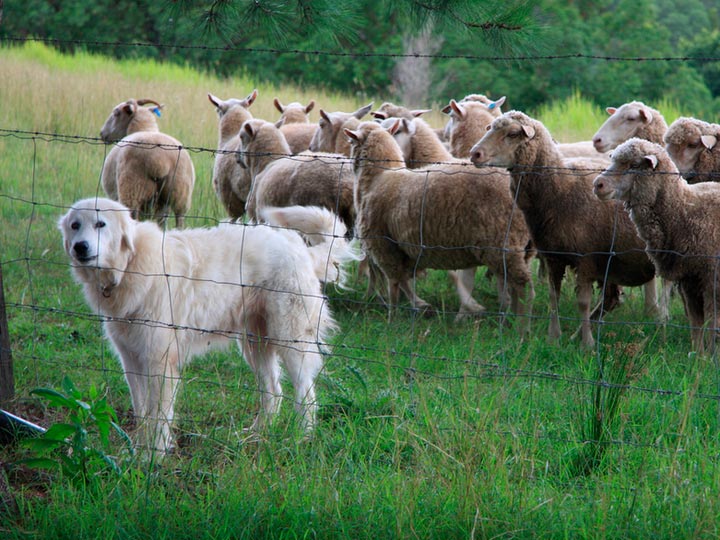
The Maremma Sheepdog is an ancient breed of herding dog from Italy. Often referred to simply as the Maremma, it is described as "the most elegant wolfhound." This beautiful and stately dog has a white, semi-long coat, an aristocratic stance, a strong character, and exceptional intelligence. It is still used for its intended purpose—herding and guarding livestock. It is suitable for guarding private homes and possesses the qualities of a companion, being incredibly loyal to its family and obedient. It requires little grooming and is undemanding in its living conditions.
Content
History of origin
The modern Maremma Sheepdog descends from herding dogs from the Abruzzo region, Tuscany's Maremma, and Lazio. It's difficult to say how far back the breed's roots go. It is known that the Roman writers Columella and Varro, in the first century BC, described a white Italian dog that herded and guarded flocks of sheep.
In the Abruzzo region, sheep farming remains a well-developed industry, and Maremma-Abruzzese Shepherds are still used for their intended purpose: herding, guarding livestock, and protecting farmers' property. Today, dogs and shepherds don't need to stray far from home, but their trade once required them to travel vast distances, reaching as far as Apulia and Rome in winter and returning to the mountains in summer.
White shepherds from Maremma and Abruzzo were first recorded in the Italian Kennel Club's Stud Book in 1898. In 1924, Luigi Groppi and Giuseppe Solaro developed a standard that considered dogs from different areas as two distinct types. For the next several years, no further records of shepherds were recorded. In 1940, 17 dogs were registered.
Until 1958, the Abruzzi and Maremma regions were in constant dispute over who had the right to be called the homeland of the white shepherds. To end the long-running debate, Giuseppe Solara gave the breed a dual name—the Maremma-Abruzzese Sheepdog (Italian: Cane da pastore Maremmano-Abruzzese), explaining that seasonal transhumance had led to natural crossbreeding between the dogs, making it impossible to separate them into two breeds. In January 1958, the two types were united under a single standard. The Fédération Cynologique Internationale (FCI) finally recognized the breed in November 2015 under the name Maremmano-Abruzzese Sheepdog.
Appearance
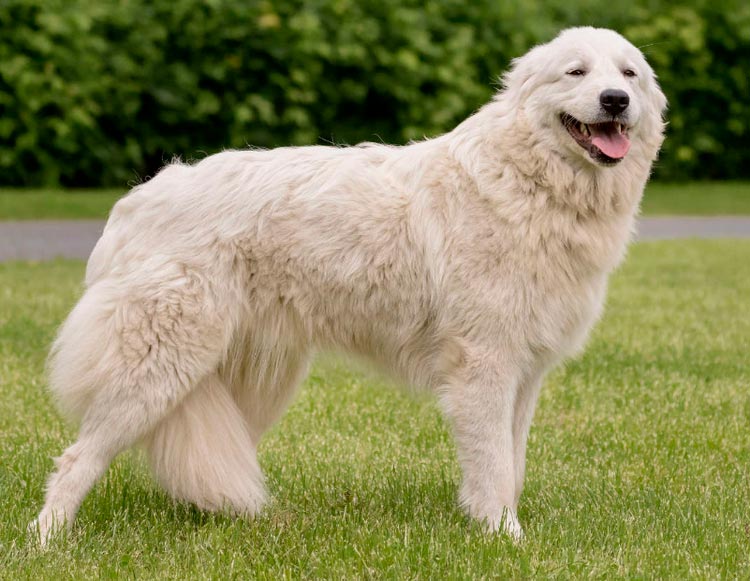
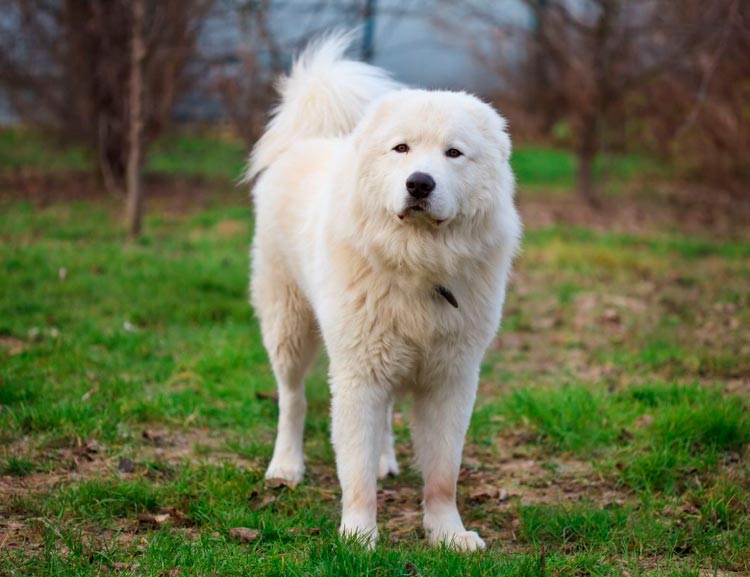
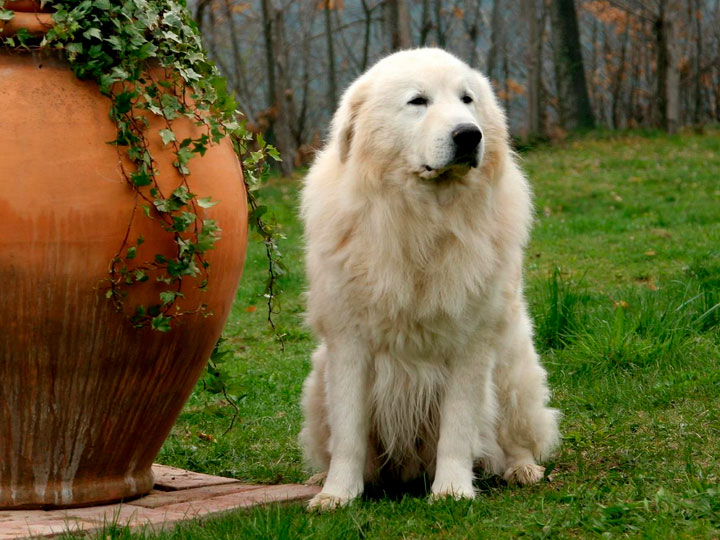
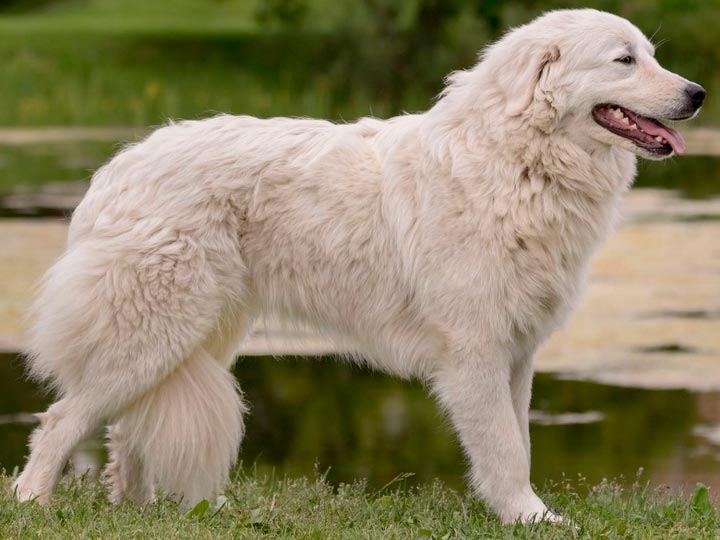
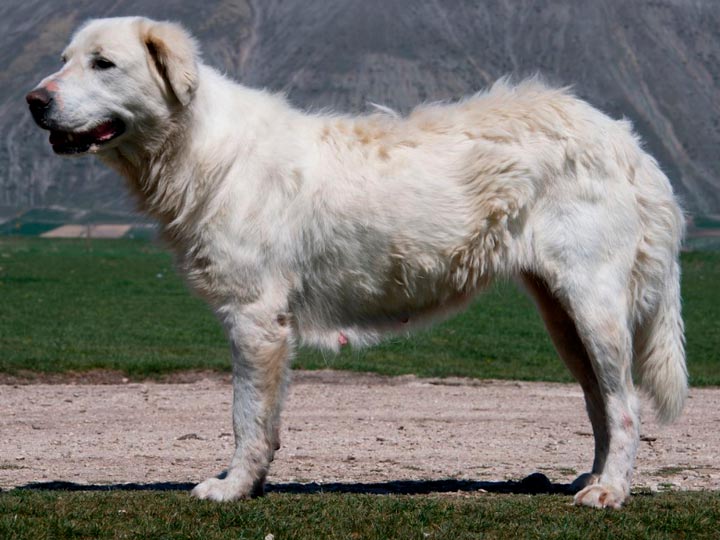
The Maremma Sheepdog is a large, strongly built dog with a somewhat elongated build, well-balanced, and harmonious appearance. Sexual dimorphism is pronounced.
- The height at the withers of the cables is 65-73 cm; weight is 35-45 kg.;
- The height at the withers of bitches is 60-68 cm; weight is 30-40 kg.
The head is flat, large, and conical in shape. The length of the muzzle is 1/10 less than the length of the skull. The skull is broad, the cheekbones are slightly rounded. The upper lines of the muzzle and skull diverge slightly. The stop is slightly defined. The nose is large with large, open nostrils, black in color, and does not protrude beyond the front edge of the lips. The muzzle tapers slightly toward the nose. The lips are not very developed, barely covering the teeth, and the edges are black. The jaws are impressive and normally developed. The teeth are strong and white, and the bite is scissor-like. The eyes are relatively small, ocher or light brown in color, the eyelids are almond-shaped, with a black border. The ears are set high above the cheekbones, quite mobile, hanging, triangular in shape, small relative to the size of the dog, with pointed tips. In medium-sized dogs, the length of the ears usually does not exceed 12 cm. Cropped ears are only permitted in Maremmas used for guarding flocks.
The neck is moderately arched, thick, muscular, and free of dewlap. The body is strongly built. Its length slightly exceeds the height at the withers. The topline is straight to the croup. The croup is slightly sloping. The withers are well defined. The chest is deep, wide, and let down to the elbows. The ribs are sprung and rounded. The underline rises slightly toward the belly. The tail is set low and carried low. When moving, it rises to the level of the back, the tip curves. The forelimbs are well balanced in relation to the body, straight, and proportional. The hindquarters are proportional, harmoniously developed, straight, with long, wide thighs. The paws are rounded, wide, and covered with thick, short hair. The hind legs are slightly more oval than the front ones.
The skin is tight and thick. The coat is double. The guard hairs are thick, long, and harsh to the touch, reminiscent of a horse's mane. They are uniform throughout the body, with slight waviness permitted. They form a collar around the neck. The edges of the hind legs are feathered to a limited length. The tail is well-furred. The muzzle, skull, ears, and front edges of the legs are covered with short hair. The coat on the body reaches 8 cm in length. The undercoat is soft, dense, and very abundant in winter. The coat is solid white. A limited number of ivory, lemon, or light red spots are permitted.
In appearance, the Maremma is similar to other white herding dogs: Hungarian Kuvasz, Polish Tatra Sheepdog, Kangal, Great Pyrenean Mountain Dog, but at the same time has features of appearance and character that are typical only for her.
Character and behavior
The Maremma Shepherd is a balanced, highly intelligent, reliable, and sensitive dog, wary of strangers and possessing a strong territorial and protective nature, but not aggressive. It has a strong character, moderately independent, and a strong love of freedom. It is neither overly ambitious nor overly energetic, but also not phlegmatic. Rather, the Maremma is reserved and unobtrusive. In public, it behaves calmly and with dignity. Among family, it is affectionate and gentle. It gets along well with children of all ages, treating them with patience and evident care. It makes a great playmate for older children.
In 1983, the Maremma Sheepdog was recognized as the best guard dog breed in the USA.
The Maremma is selflessly devoted to its family and owner, but it is not a servant. It has a tremendous sense of self-worth, considering itself a partner and friend, not a slave who will instantly and unquestioningly follow commands. The Maremma Sheepdog is very people-oriented. If you love it and train it seriously from an early age, finding common ground and absolute mutual understanding will not be difficult, even though it can sometimes be very stubborn.
The main task, which is embedded in the genes of the Maremma Shepherd, is to drive away the enemy from its territory and entrusted property, and not to kill him.
In Italy, dogs often guarded the flock without shepherds and were accustomed to making their own decisions regarding guarding. If a stranger (a human, a wolf, or a bear) approached, Maremmas would often, without any aggression, step between them and the flock. Their mere presence made it clear that the distance should not be breached. When the threat passed, the dogs returned to the flock and disappeared among the sheep. Maremmas will not bark without cause. They perform their duties silently and reservedly, with their characteristic vigilance and courage.
Another big plus of the Maremma Sheepdog is that it is a true shepherd and its reverent attitude extends not only to its owners and their children, but also on other living inhabitants of the property. Maremmas get along well with other dogs, are friendly with their cats, and do not bother poultry or livestock. They have no desire to chase or tear anything, unless it's just to sniff it.
Education and training
From puppyhood, Maremmas are independent and self-assured. Like most working breeds, they show a deep attachment to their owners, but require special training. Education and training should be based not on drill, but on constant interaction between human and animal. Maremmas quickly learn commands, but are reluctant to obey them unless they deem it necessary. They are most motivated by praise and a confident tone from their owner. Physical or verbal punishment will not produce the desired result. Most Maremmas are not food eaters and are not sold for treats, although they are happy to receive a reward for a job well done. They obey only their owner, so remote training is not suitable for them. Social adaptation is very important during training.
Training a Maremma Sheepdog will require a lot of effort, patience, dog training experience, or the support of an experienced dog trainer.
The key to success with a Maremma Sheepdog is establishing proper hierarchical relationships, where the owner occupies the top position but isn't a tyrant. The owner must recognize when the dog begins to seek dominance and promptly correct its behavior.
The Maremma Sheepdog is a very impressive dog in the show ring, but is not suitable for most canine sports, particularly flyball, freestyle or agility.
Content Features
The Maremma Sheepdog is ideal for guarding a private home with a large yard. They are also a valuable asset to those with a variety of pets. These dogs will successfully protect birds from foxes, and livestock and the yard from intruders. Homebodies and busy people will undoubtedly appreciate the fact that Maremmas don't require regular, strenuous walks. They are content to roam freely around the yard. However, it's essential to treat your pet to a walk in nature from time to time. Maremmas generally enjoy water and are excellent swimmers.
The Maremma Sheepdog is not designed for apartment life.
The Maremma Shepherd is perfectly adapted to any climate. It tolerates both heat and cold well and can sleep in the snow. Of course, it needs a kennel or an enclosure with a kennel, providing shelter from wind, rain, and snow, and keeping it warm. In summer, the dog often digs small holes in the shade of trees. The Maremma's snow-white coat retains its color and gets dirty very easily. Even after rain and rolling in mud, the dog only needs to shake and dry to return to its white color.
Care
Maremma Sheepdog grooming consists of regular brushing and combing. The dogs' soft, fine fur is often spun into yarn and knitted into warm garments. Bathing is rarely necessary, except after shedding or before shows. Shepherds in Italy never bathe their dogs. Seasonal shedding is profuse and can be accelerated by regularly brushing the undercoat. Nails generally don't need trimming; they wear down naturally. Ears are inspected periodically and cleaned as needed.
It's important to accustom an independent Maremma to proper hygiene from an early age. An adult dog will be difficult to manage if it doesn't want its teeth brushed or doesn't understand why someone is trying to use a nail clipper on it.
Health and life expectancy
The average lifespan of a Maremma Shepherd is 13 years. Genetically, the breed is remarkably healthy. No predisposition to hereditary diseases has been observed. With proper care, nutrition, timely vaccinations, and parasite treatment, Moremmas rarely become ill. Dietary inadequacies, especially in puppies, often lead to joint problems and skin conditions.
Where to buy a Maremma Sheepdog puppy
Not long ago, finding a Maremma Shepherd puppy for sale was virtually impossible. Only in the early 2000s did dogs begin to be imported to Russia from Italy. The first kennels opened, many of which are still breeding professionally today. Dogs were imported to other CIS countries, particularly Ukraine, from Italy and Russia. Every year, more and more ads for Maremma Shepherd puppies without papers appear online, negatively impacting the breed's status.
Those considering a Maremma Shepherd Dog and wanting a dog with the breed's typical character, appearance, and robust health should only purchase a puppy from a reputable breeder. Information about the breed, breeders, and planned litters can be obtained from the National Breed Club.Before bringing a puppy into a new home, no sooner than 2.5 months of age, it's important to assess the dogs' living conditions, the mother's condition after whelping, and nursing. Allowing puppies to roam freely around the property is encouraged. Also, consider the quality of the feeding and the breeder's commitment to veterinary and preventative care. Each puppy must be dewormed and vaccinated according to age, and must have a tattoo and puppy card.
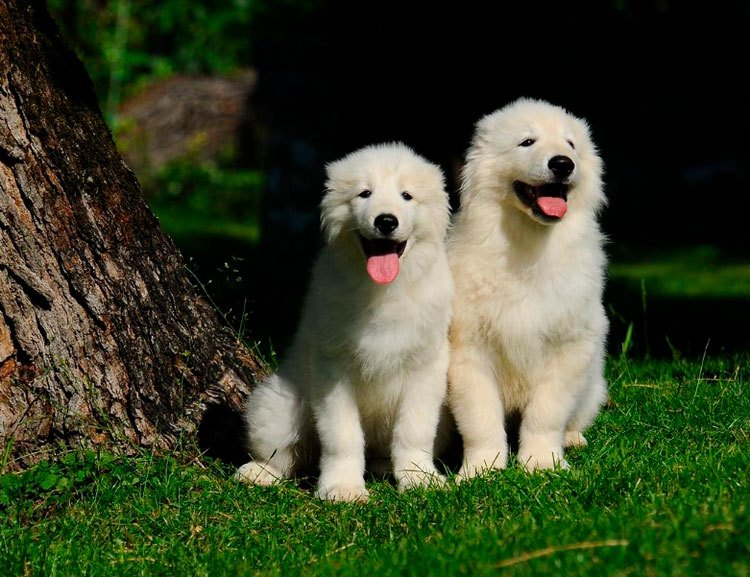
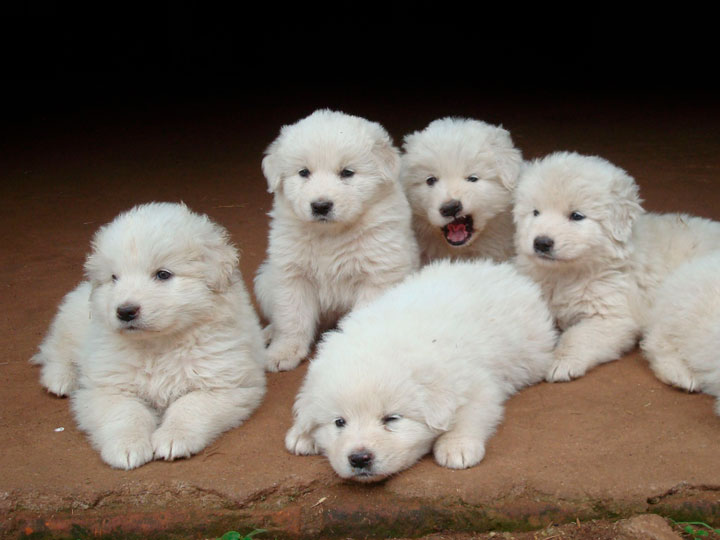
A veterinary passport is proof of vaccination, complete with stickers, a seal, and a doctor's signature, but it does not prove the breed's pedigree. Puppies should be healthy, well-fed, with a soft, plush coat, playful and curious, and free of any signs of shyness or aggression. Assessing puppies' compliance with the standard at 2-3 months is very difficult, as is predicting a successful show career. Gender is not particularly important if the owner has the strong character and experience necessary to raise a Maremma.
Price
The price of a Maremma Shepherd puppy varies widely: from 20,000 to 100,000 rubles. Puppies from breeders rarely cost less than 30,000 rubles. Puppies and young dogs that have already proven themselves in the show ring typically cost more than 50,000 rubles. The geography and bloodline of the breeding dogs also play a role.
Photos and videos
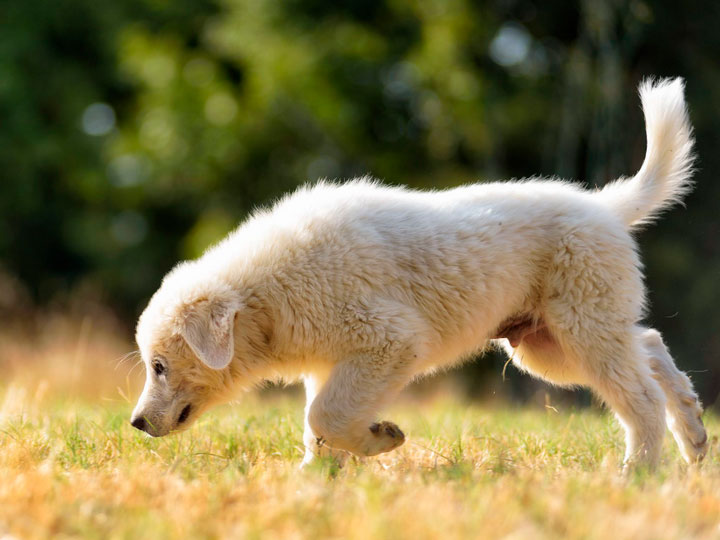
In the gallery you can see what representatives of the Maremma Sheepdog breed look like, of different sexes and ages.
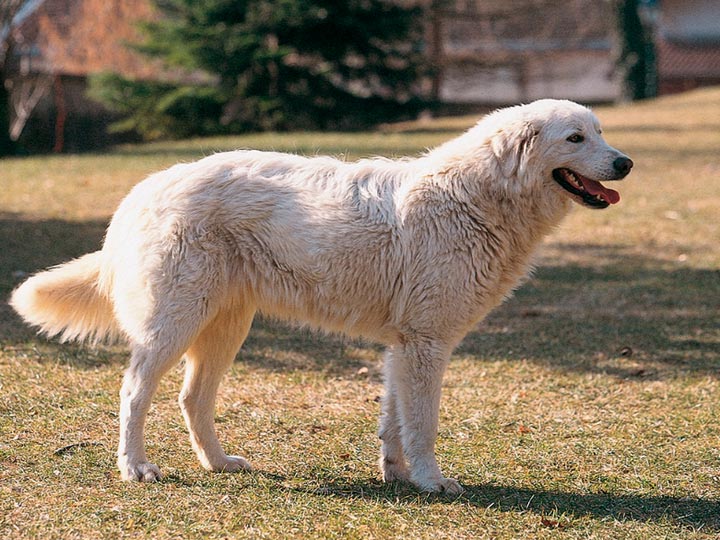
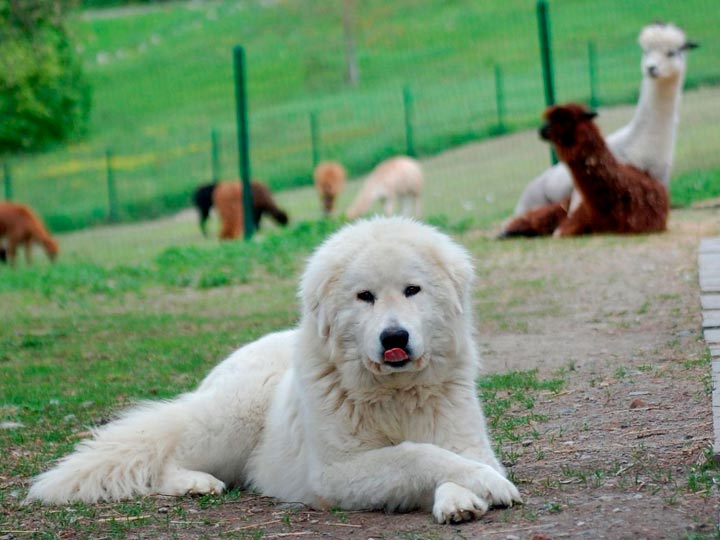
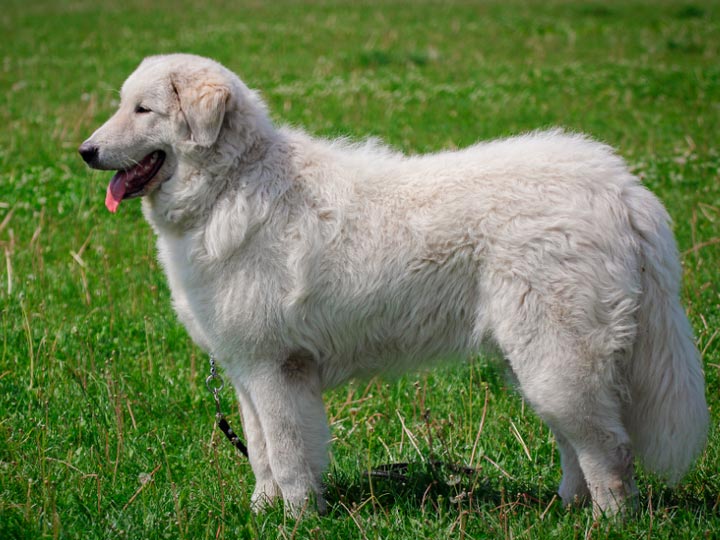
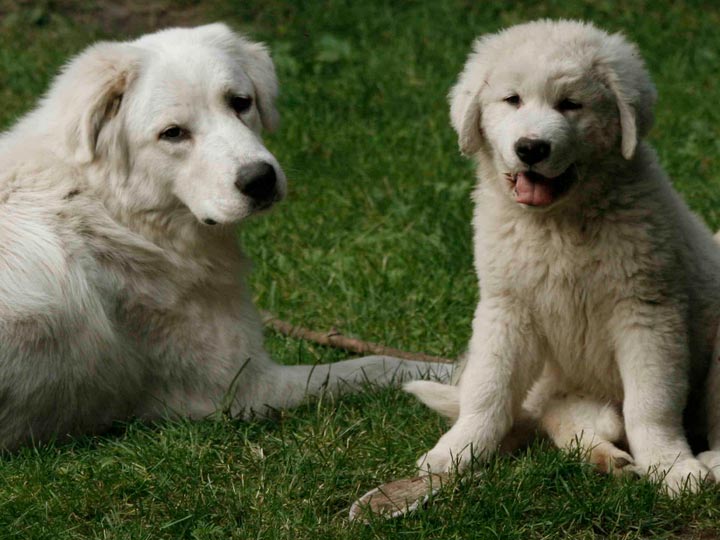
Video about the Maremma Sheepdog dog breed
Read also:


Add a comment