
Manchester Terrier
The Manchester Terrier was developed in Manchester, England, to exterminate rats. It is energetic, very playful, and agile, with a strong hunting instinct. It is very hardy and requires little grooming. For active people, this dog makes a loyal companion and friend, a companion in various sports, and a tireless playmate for older children. Today, the breed is considered rare, even in its native land.
Content
History of origin
Unlike most other terriers, which originated on farms, the Manchester Terrier developed in urban environments. While not designed for burrowing, it is one of the best at exterminating rodents and can also hunt wild rabbits. While this isn't particularly useful in the modern world, it does allow the dog to compete in coursing competitions.
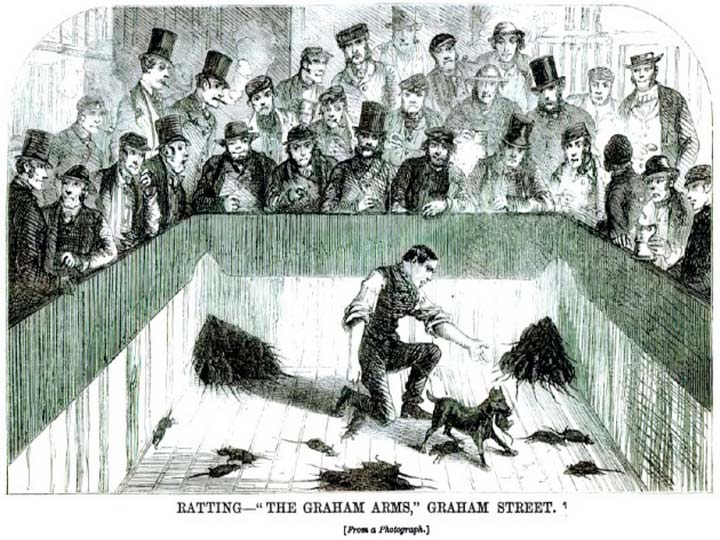
The Manchester Terrier is a direct descendant of the now-extinct English Black and Tan Terrier, which was highly prized for its working abilities. In the industrial regions of northern England, it was known as the "Rat Terrier." In the early 19th century, rat-hunting with dogs in Britain became not only a necessity but also a popular sport. John Hulme, driven to achieve the best results in this field, crossed the Old English Terrier with whippetThe result was a tenacious and fast dog, more suited than others for hunting rodents. The fighting spirit of the terrier-greyhound crossbreed was so strong that the dogs not only strangled their opponents, but also tore them in half. By 1860, the Manchester Terrier had become one of the most famous and popular ratting breeds. To reduce this tension and improve its appearance, breeders began experimenting with incorporating the blood of other breeds, in particular ChihuahuaThis resulted in reduced height and weight, but led to numerous health problems, such as thinning fur, eye diseases, and others.
As in England, the United States quickly recognized the Manchester Terrier's working qualities, and by 1886, two years after the American Kennel Club was founded, the breed was officially recognized. In 1923, the American Manchester Terrier Club was founded. In 1934, a miniature variety was introduced. In 1938, the miniature Manchesters were designated as a separate breed—the Toy Manchester Terrier. By 1952, the standard variety had become so sparse that the breeds were once again combined into one, but with two height variations. In 1958, the clubs also merged, marking the final step in unifying the standards.
Initially, Manchester Terriers were known to have cropped ears. This was necessary for working dogs. With the ban on cropping in 1898, the breed's popularity in Britain declined sharply. Later, the advent of other pest control methods further damaged the breed. Only the work of dedicated British breeders, members of the Manchester Terrier Club, and the promotion of working dogs as show dogs and companions, led to a slight improvement in the situation by the end of the 20th century.
Video about Manchester Terriers:
Appearance
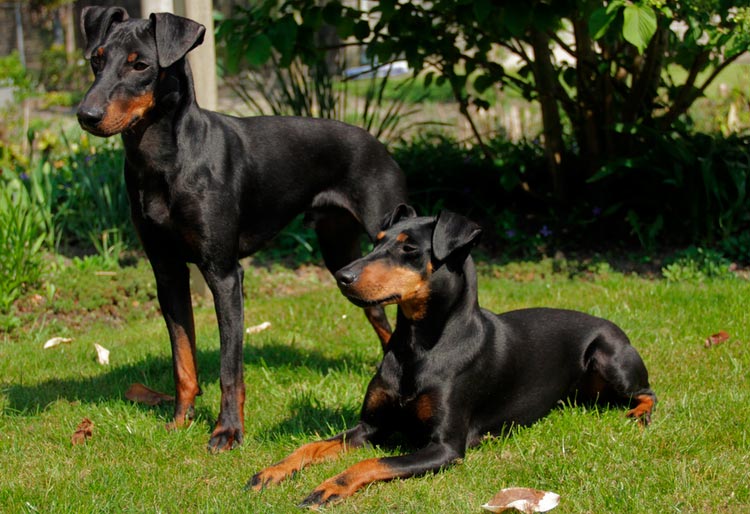
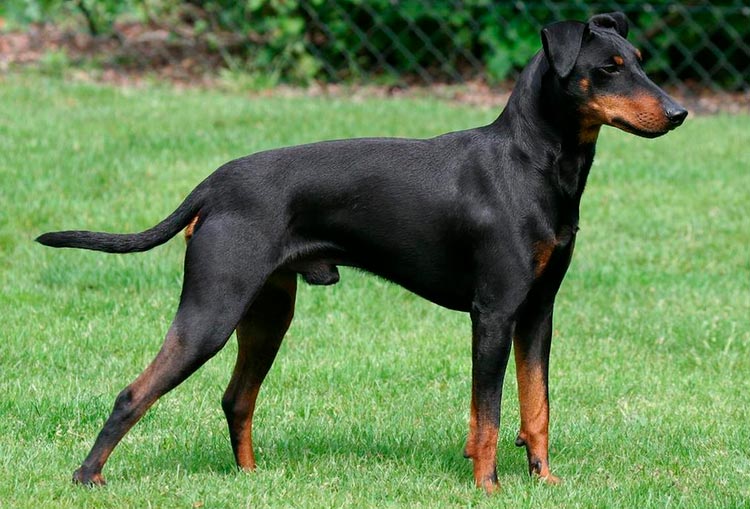
The Manchester Terrier is a small dog with an elegant yet strong build. Sexual dimorphism is moderate. Height at the withers is 3-41 cm, weight is 5.5-10 kg. The Manchester Terrier is very similar to the English Toy Terrier and miniature pinscher, but much larger. There is also some similarity with German Jagdterrier, in the development of which he participated.
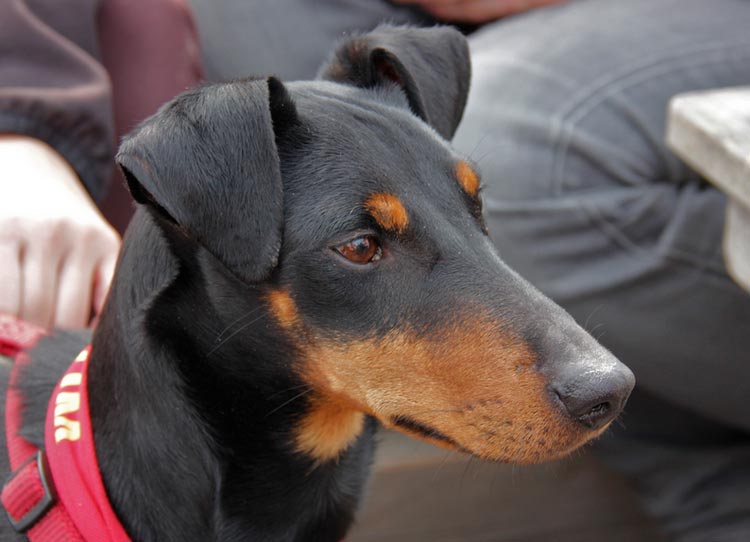
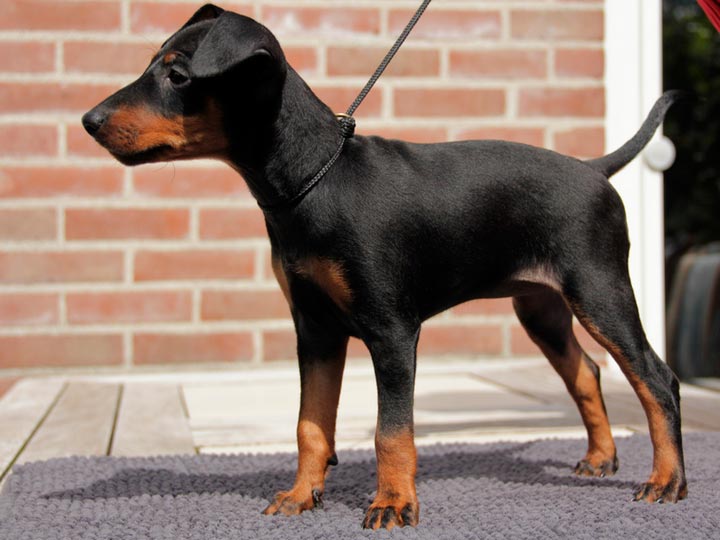
The skull is long, narrow, and flat, wedge-shaped. The muzzle is elongated, tapering noticeably toward the nose, with well-filled areas under the eyes. The nose is black. The jaws are of equal size. The teeth are strong and meet in a perfect scissor bite. The lips are tight. The eyes are small, dark, shiny, and almond-shaped. The ears are triangular, medium in size, set high, and hanging close to the head above the eyes.
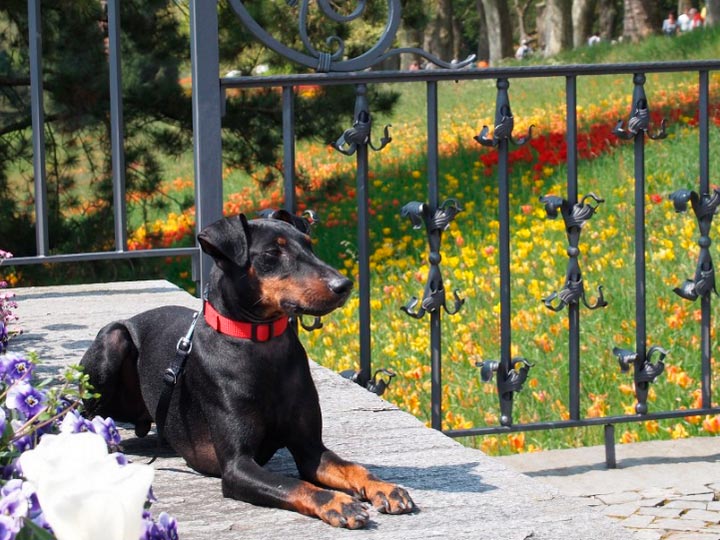
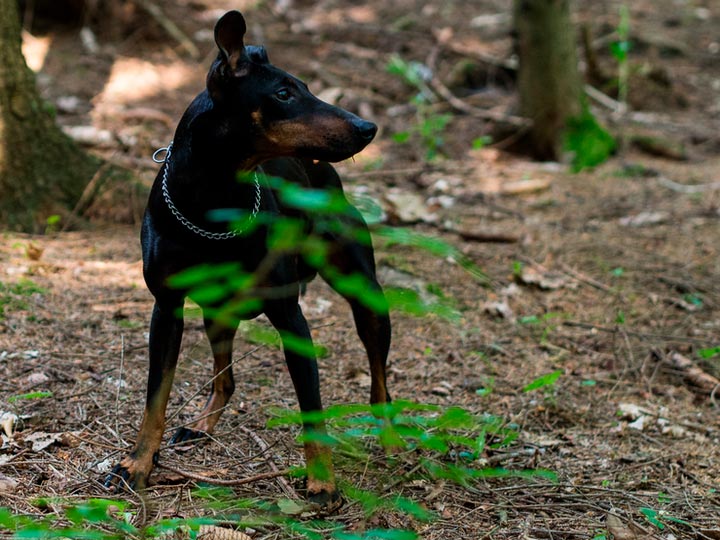
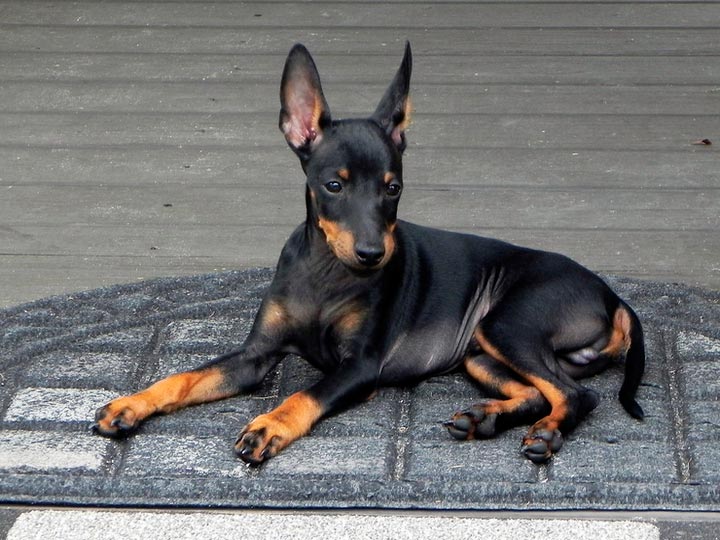
You can find photos of Manchester Terriers with erect ears online. This is because the American standard allows for drop, erect, and cropped ears. The FCI and English Kennel Club standards only allow drop ears.
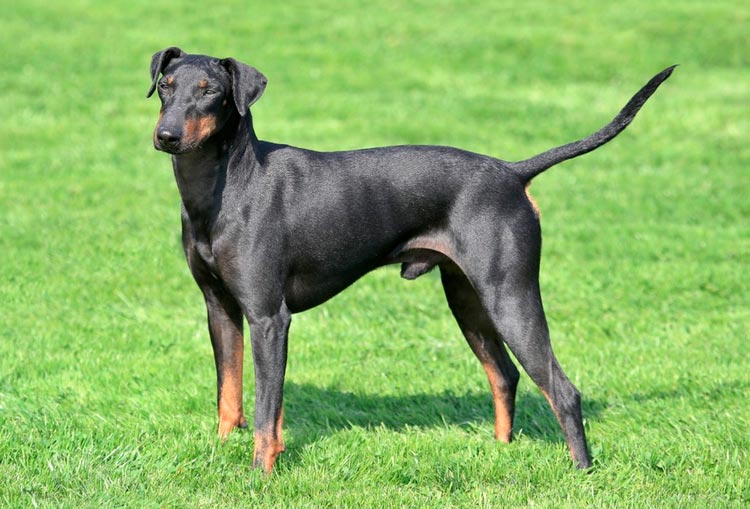
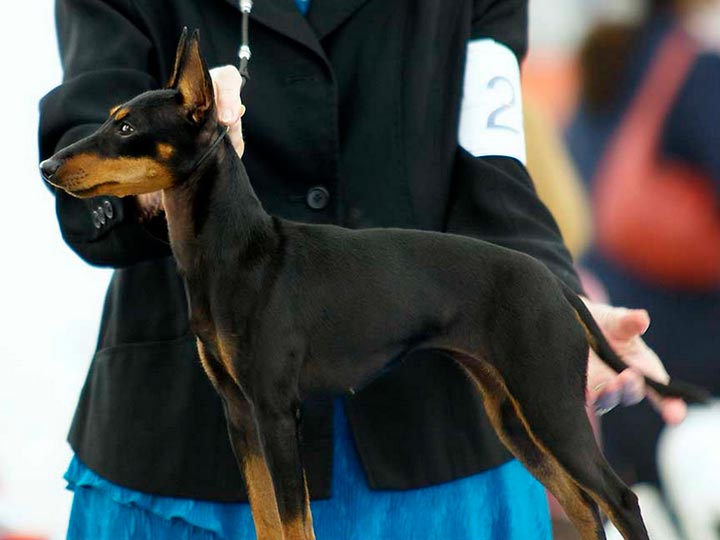
The neck is fairly long, widening toward the shoulders. The topline is slightly arched at the loin. The ribs are well sprung. The tail is short, thick at the base, tapering well to the tip, and carried no higher than the level of the back. The forelegs are straight and set well under the body. The hind legs, viewed from the rear, are straight, with well-bent stifles. The paws are small, strong, and oval-shaped, with well-arched toes. The underline is well turned up.
The coat is smooth, dense, very short, and shiny. Color: very rich black with bright mahogany tan markings. The tan markings are distributed as follows: on the cheekbones, above the eyes, on the lower jaw and throat; distinct triangles on the legs from the carpal and hock joints down, not reaching the toes, which are shaded black; above the paws there is a small black spot, which is called the "thumb mark"; tan markings are also present on the inside of the hind legs, on the stifle joint; under the tail, in the area of the anus, they should be as narrow as possible and covered by the tail. Tan markings on the outside of the hind legs are undesirable. The colors should be clearly separated.
Miniature Manchester Terrier (Toy Manchester Terrier)
The miniature Manchester Terrier is recognized only by the American Kennel Club, meaning these small dogs are officially bred only in the United States and Canada. In the United Kingdom, where the English Kennel Club is the leading association, and in 84 other countries under the auspices of the Fédération Cynologique Internationale (FCI), miniature Manchesters have long been recognized as a separate breed. English Toy TerrierIt's worth noting that the English Toy Terrier is endangered. To increase its numbers and expand its gene pool, the UK Kennel Club has authorized the registration of American Toy Manchesters and Manchester Terriers of the appropriate size under the name English Toy Terrier.
Character and behavior
The Manchester Terrier is lively, energetic, and dominant, smart, willful and impulsive. Fearless and persistent in work, it has a strong pursuit instinct and a strong dislike for small animals. Potential prey includes any small animals and, to a lesser extent, birds.
The Manchester Terrier is independent and self-sufficient; if you spoil him too much, you could end up with a little four-legged Napoleon who is convinced that he rules the world.
The Manchester Terrier forms a strong bond with its owner and family members, but remains independent like a cat. It requires early socialization and proper training, as well as adequate physical and mental stimulation, to prevent the development of negative traits. It loves being the center of attention and always becomes an active participant in any event. However, it does not tolerate intrusive attention when it doesn't want it. It can snap, making it a poor choice for families with small children or for people who don't plan to devote much time to raising and training a puppy. Manchester Terriers don't like being alone for long periods of time and suffer when separated from their owner. For this reason, the breed is not suitable for those who work long hours and don't plan to devote enough time to their dog in their free time.
The Manchester Terrier is very active and alert, making it an excellent watchdog. It generally avoids close contact with strangers and is wary but not aggressive. It plays with other dogs or keeps to itself, rarely provoking conflicts but will not retreat if challenged. It gets along well with other dogs and cats raised with it. Small animals and birds will always remain a prey for the terrier.
Education and training
As befits a terrier, the Manchester is very intelligent and smart. If you find the right approach, training this dog is easy. In everyday life, a well-trained dog is obedient and eager to please its owner, but can sometimes be independent. It is sensitive to raised voices and physical punishment. It responds well to praise and food rewards.
The Manchester Terrier needs consistent training and a leader who will smile at the dog's antics but will not be outsmarted.
Every individual dog sometimes exhibits undesirable personality traits, such as excessive independence, a tendency to bark excessively, a strong hunting instinct, a penchant for digging, and, less commonly, conflict with other dogs. All of these traits can be corrected at an early age. With an adult dog, the process of retraining is much more difficult. Without proper socialization, a Manchester can grow up stubborn, aggressive, and irritable.
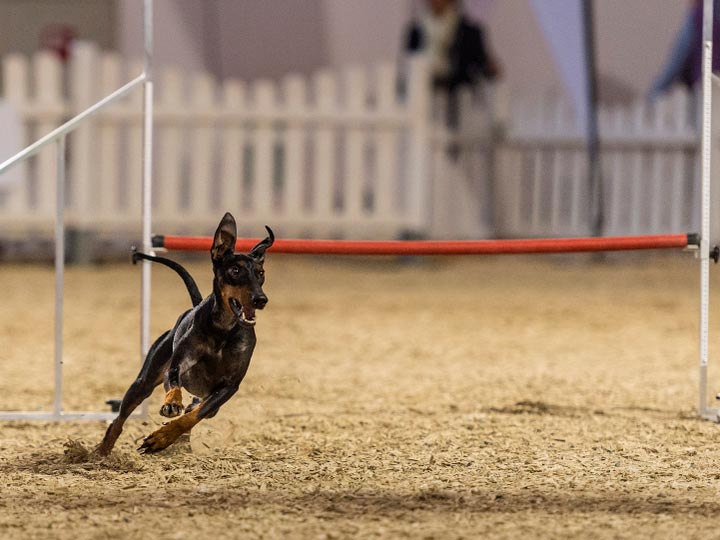
The Manchester Terrier is a sporting dog that requires work and regular exercise. Training for various obedience competitions is a suitable activity. agility, coursing and others.
Working trials for Manchester cats have long been abolished. However, owners continue to use them for their intended purpose – to exterminate pests (rats, mice, moles, and even cockroaches). Of course, this requires some preparation.
Content Features
The Manchester Terrier is ideal for apartment or house living. In warmer months, it will happily spend a lot of time outdoors. In summer, it's not advisable to leave the dog in the sun for long periods, as its dark coat increases the risk of heatstroke. In colder weather, especially windy, damp, or frosty conditions, hypothermia can result from prolonged exposure to the outdoors. A Manchester Terrier deprived of work and attention from its owner will seize every opportunity to escape in search of adventure, digging holes under fences, jumping over fences, or escaping from its leash.
The Manchester Terrier is suitable for young people who lead an active lifestyle.
Care
The Manchester Terrier is completely low-maintenance when it comes to grooming. Its coat consists only of short guard hairs, meaning that with regular brushing and bathing, shedding is minimal, even seasonal. It is recommended to brush the dog weekly with a special brush or mitten for short-haired breeds. After brushing, remove any remaining hair with a damp cloth or your hand. Bathing is a personal preference. Generally, a full bath is rarely necessary, once every 2-3 months.
Otherwise, the dog requires routine hygiene procedures: ear and teeth cleaning, and nail trimming. Incidentally, Manchester Terriers have strong teeth that are not prone to periodontal disease, so dental toys and dried beef tendon treats are often sufficient for preventative care.
Nutrition
Manchester Terriers are generally not picky eaters. They adapt easily to the owner's diet, which can include natural foods or prepared dry food. Manchester Terriers are prone to obesity. It's important not only to avoid overfeeding but also to ensure adequate exercise.
Health and life expectancy
In general, the Manchester Terrier is a healthy, hardy breed that adapts easily to a variety of living conditions. However, it can inherit certain health conditions, which are more or less common in different breeds:
- Eye diseases (glaucoma, cataract);
- Hypothyroidism;
- Patellar dislocation;
- Necrosis of the hip joint;
- Von Willebrand disease;
- Epilepsy;
To maintain your dog's health, don't forget about essential veterinary preventative care: routine vaccinations, regular deworming, and annual checkups for common genetic and other health issues. Their lifespan can reach 15 years or more.
Choosing a Manchester Terrier Puppy
Purchasing a Manchester Terrier puppy of English or even American origin in Russia and neighboring countries can be challenging. Even in its native land, the breed remains quite rare. A few specimens can be found in Moscow, Nizhny Novgorod, St. Petersburg, Kyiv, and several other major cities in the CIS. Those wishing to breed this rare breed should consider purchasing a puppy abroad, in England, Germany, or Finland.
When choosing a puppy, pay attention to the litter's parents. Some kennels breed exclusively for show dogs, and their Manchesters have a less pronounced hunting instinct. Others, on the contrary, actively participate in various sports or use their dogs for work. An important factor is the availability of tests for common genetic diseases found in the breed.
Price
The price of a Manchester Terrier puppy varies widely. It depends on the kennel's geography and status, demand for puppies, and the value of the breed. In Russia, the average price is 30,000-40,000 rubles. In Europe, it's 1,000 euros. In America, the average price for a Manchester puppy is $800, while the Toy variety costs $500-600 more.
Photos
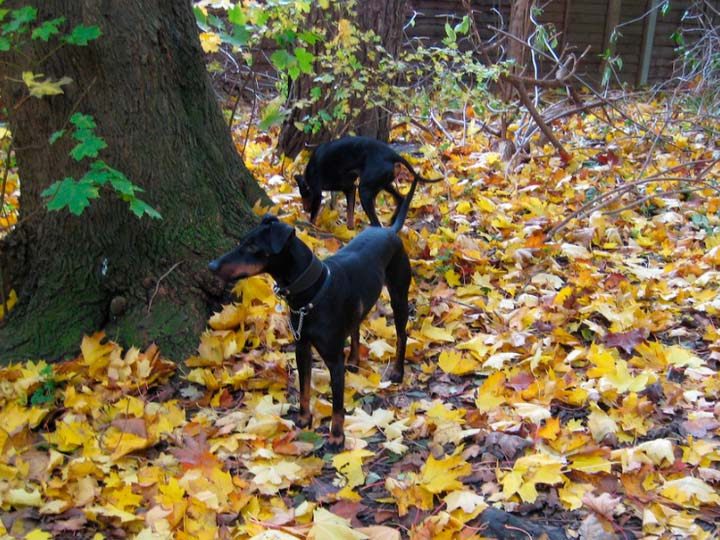
This gallery features vibrant photographs of adult Manchester Terrier dogs and puppies. The photos show the standard and miniature varieties (last four images).





Read also:


Add a comment