
Maltipoo - dog breed
The Maltipoo is one of the most popular designer breeds. In other words, it's a cross between a Maltese and a Miniature Poodle. What makes these dogs unique is that they possess the best qualities of both parents, including hypoallergenicity. The Maltipoo is an excellent choice for those looking for a fun, friendly, compact companion with a striking appearance.
Content
History of the Maltipoo's Origin
In the late 80s of the 20th century, cynologists crossed a Labrador with poodle, wanting a hypoallergenic guide dog. Other breeders and enthusiasts followed suit, and the world took off. The most incredible mixed-breeds began to appear. The media quickly dubbed them "designer breeds."
Designer breeds have become especially popular in the United States, where there is even a dedicated organization dedicated to registering hybrids—the American Canine Hybrid Club (ACHC). Since its inception in 1969, the ACHC has registered over 700 different purebred crossbreeds. Small toy dogs are currently at the peak of popularity, and one of the most striking examples is the Maltipoo, a cross between a Maltese and a Toy Poodle.
Video about Maltipoo dogs:
Appearance
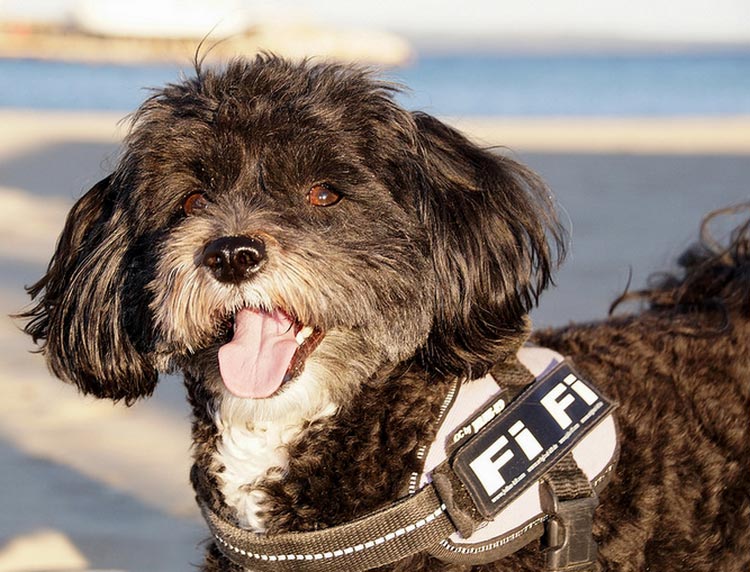
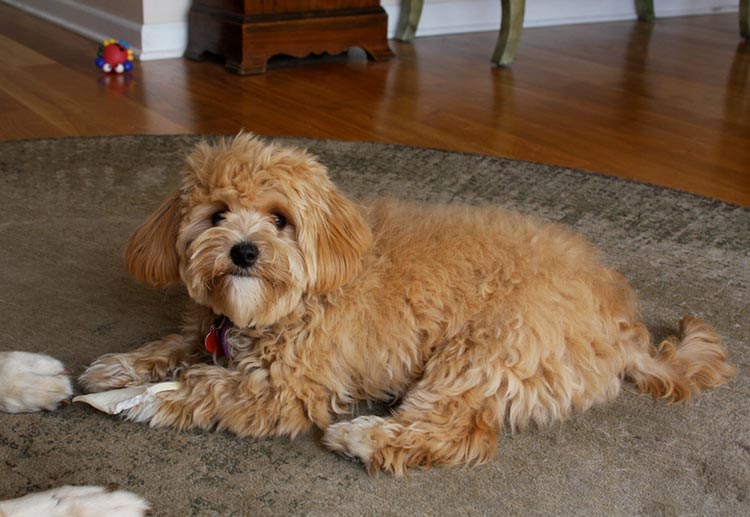
Maltipoos are small, decorative dogs with a rich coat. They are not a breed and therefore cannot strictly adhere to a specific standard, but some distinctive features can still be identified in their appearance. Maltipoos weigh 2.2-5.5 kg and stand 20-35 cm tall.
The muzzle is slightly elongated. The beady eyes are usually dark, as is the nose. The ears are drooping, either fully or on cartilage. They are set low and wide apart. The body is slightly elongated. The build is harmonious, with all parts of the body in proportion.
Coat types and colors
Future owners should know that designer breeds come in three types of coat:
- Silky and straight—this coat type is inherited from the lapdog and is the most desirable, as it's the easiest to care for. The coat is soft, dense to medium in density, resistant to tangling, and lends itself to a variety of trims.
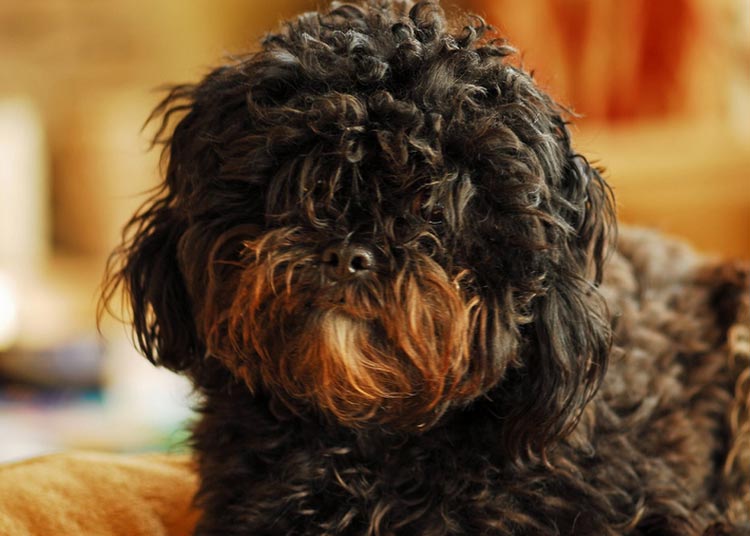
- Curly coats, like those of poodles, are soft, wiry, and very dense. These dogs shed less, but their hair is more prone to matting.
- The wavy, harsh coat is the rarest type in this breed (inherited from poodles) and the most undesirable.
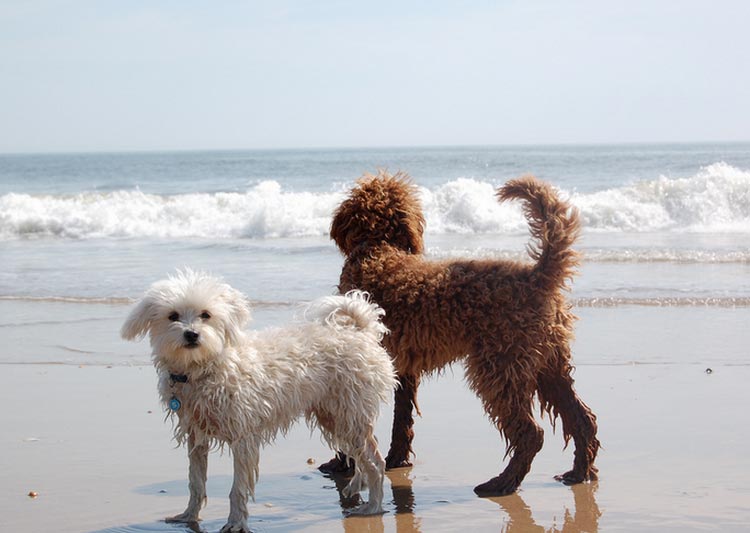
White remains the most popular and sought-after color. However, other, brighter shades or combinations of two or more colors are also possible. The main colors are:
- White;
- Brown;
- Grey;
- Apricot;
- Cream;
- Black (not in its pure form, always shimmering with white or other light shades).
Character
Even within a single breed, there are individuals with completely opposite personalities, let alone mixed breeds. While all Maltipoos are unique individuals, there are certain traits that are common to varying degrees to all dogs.
Maltipoos are intelligent, playful, affectionate, and expressive. As adults, they retain their puppy energy and curiosity, making them always fun and engaging. Adult dogs are naturally calmer than hyperactive puppies; they love to lie next to their owners or slowly stroll around the house, checking everything is in place. Maltipoos are good-natured and affectionate, and they get along very well with other animals, including cats and rodents. They make excellent playmates for children, but only for older children. Younger children can inadvertently harm a delicate dog.
Some dogs are prone to excessive barking, while others are destructive, but more often than not, these behavioral issues can be corrected with training. The dog's behavior pattern will be influenced by the environment in which it was raised and even the owner's temperament.
Maintenance and care
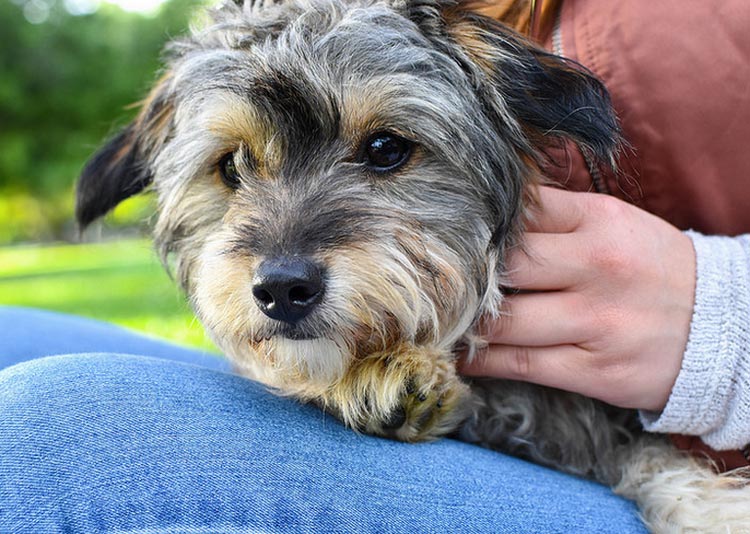
Maltipoo puppies adapt very quickly to their new home. It doesn't take long for a dog to begin to adjust to the home rhythm, environment, and new neighbors (other pets). These dogs are very intelligent and quickly learn house rules. If desired, they can be potty trained.
Maltipoos are very curious, so it's important to ensure there aren't any small items or parts of children's toys scattered around the house that the dog might accidentally swallow.
You can keep a Maltipoo even in a small city apartment; these dogs take up very little space, but it is advisable for them to have their own cozy bed located in a secluded corner.
A Maltipoo should receive adequate exercise daily. A walk in a park near your home is ideal. If going outside is not possible due to bad weather, be sure to play with your pet indoors to help burn off pent-up energy.
Grooming
It's best to brush your Maltipoo's coat daily. As it grows, trim it about 2-3 times a year. You can bathe your puppy as early as two months of age. Thereafter, bathe it approximately every 3-4 weeks. Use shampoos and conditioners to make brushing easier. After bathing, you can let your Maltipoo air dry or use a hairdryer.
Hygiene procedures
Your pet's eyes and ears also require regular care. It's best to wipe their eyes daily to remove accumulated dust and mucus, especially in light-colored dogs, where darkened tear ducts are more visible. Ears should be cleaned as needed. Some Maltipoos have problems with their anal glands, which also need to be cleaned. Maltipoos also need their nails trimmed regularly to the ideal length.
During the cold season, it is best to protect the Maltipoo's nose and paw pads from frost by lubricating them with a wax-based cream.
Many pet owners ignore the need to brush their dog's teeth, but such a simple step can prevent many problems in the future. It's recommended to brush daily or at least once or twice a week.
Maltipoo - dogs for allergy sufferers
Both Poodles and Maltese are considered conditionally hypoallergenic breeds. This means they are completely safe for most people with allergies. Maltipoos share these same qualities. It's important to note that in some cases, even hypoallergenic dogs can cause allergies. Before adopting a Maltipoo, allergy sufferers should spend some time with the puppy they don't intend to adopt and ensure there are no adverse reactions.
What to feed a Maltipoo
Most breeders recommend feeding Maltipoos high-quality commercial food. When choosing food, consider the animal's age, weight, and physiological condition. Feeding amounts are calculated based on weight. Do not exceed the portion indicated on the packaging. Also, avoid using dietary foods prescribed for various illnesses or low-calorie foods unless absolutely necessary. Initially, the puppy should be fed the same diet as the breeder's. If you decide to feed your dog natural food, it's best to consult a veterinarian for help in creating a balanced diet.
Health and life expectancy
There's a belief that mixed-breed dogs don't inherit their parents' genetic diseases. A term has even been coined to describe this: "hybrid vigor." However, some Maltipoos are innately predisposed to the breed-specific diseases of their ancestors, including:
- "Shaking" syndrome (common among white dogs);
- Patellar dislocation;
- Dental problems;
- Progressive retinal atrophy;
- Epilepsy;
- Cardiomyopathy;
- Hypothyroidism;
- Paradoxically, hypoallergenic dogs very often suffer from allergies themselves.
It's important for owners to remember disease prevention. Priority measures include vaccinations, regular treatment for internal and external parasites, and routine veterinary checkups. Average lifespan: 13-14 years.
Features of Maltipoo breeding
There are two types of this designer breed:
- First generation crossbreeds (F1 hybrids) – puppies from a poodle and a Maltese lapdog;
- Dogs of the 2nd, 3rd, 4th, etc. generation (hybrids F2, F3, F4) are puppies from two Maltipoos.
Many breeders breed using their own selection criteria. This doesn't facilitate the development of a standard and the establishment of the breed within the relevant organizations. Therefore, crossbreeding Maltipoos is discouraged at this stage of the breed's development.
Only purebred Maltese and Poodles should be used in Maltipoo breeding. Low-quality parents will produce low-quality puppies.
First-generation hybrids are prized above all. Second- and subsequent-generation puppies will be more similar to one of their parents and will also develop their own characteristics, meaning they will no longer fully meet the preliminary standard. Of course, this isn't a significant factor if you're looking for a dog for your soul, so to speak.
Where to buy a Maltipoo puppy
The first designer breed kennels have already appeared in the CIS countries, most of them located in Moscow. You can buy a Maltipoo puppy from one of these kennels or directly from abroad. The largest population is concentrated in the United States. Some kennels collaborate with their international counterparts and can assist in arranging the delivery of a quality puppy.
Searching for and buying a puppy online is not safe, as there are many scammers operating both here and in America.
You won't be able to obtain any documentation proving your puppy's origin. Hybrid breeds aren't registered with the RKF; you can only look at the parents' documents, which the breeder should kindly provide. Only in the US are there organizations that register and select hybrid breeds. If a puppy is imported from the US, it will have documents. You can also register a puppy born in Russia or other countries with the DBA or ACHC. However, in the West, hybrids are celebrated at shows and competitions, while in the rest of the world, this registration means absolutely nothing.
Price
The price of a Maltipoo puppy in Russian breeders starts at 100,000 rubles. In the US, a dog costs between $250 and $2,000. Second- and third-generation hybrids are cheaper, and the most expensive are F1 puppies from champions. If you buy a Maltipoo puppy through a company that handles all the paperwork and shipping, the entire experience will cost at least $4,000.
Photos
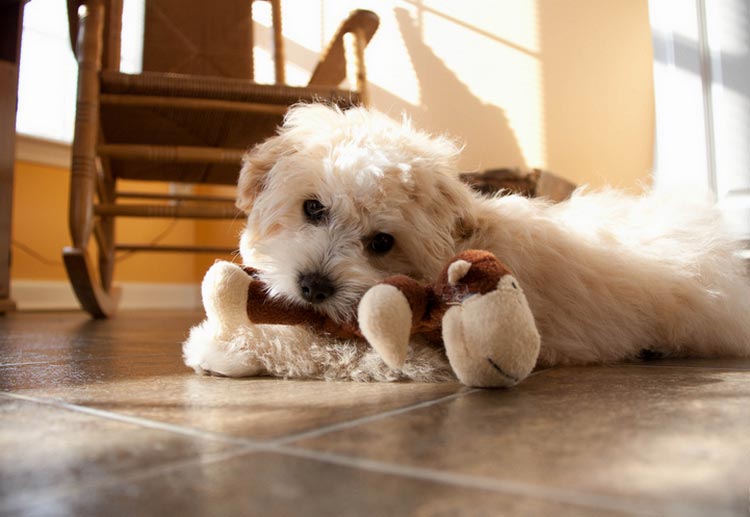
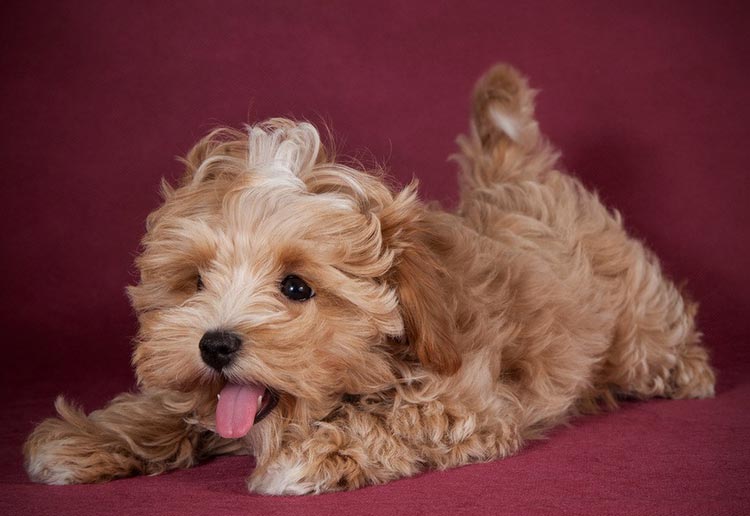
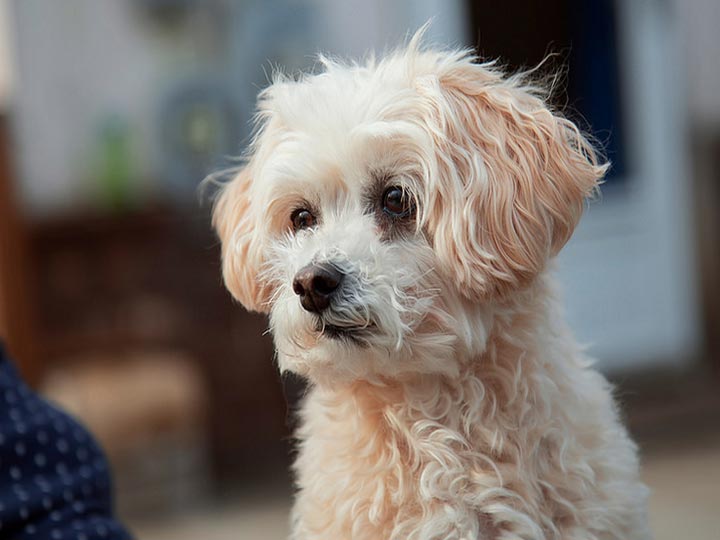
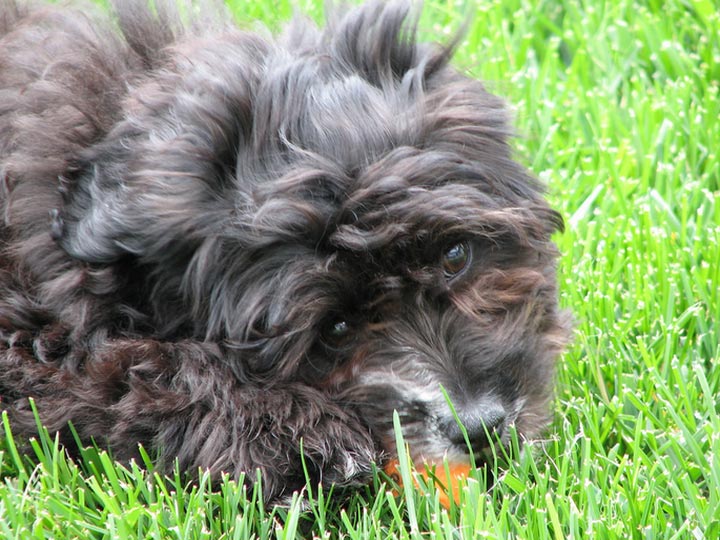
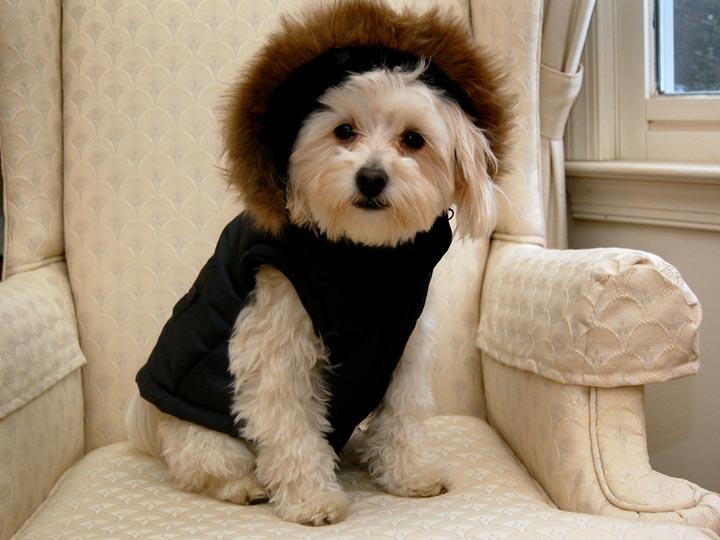
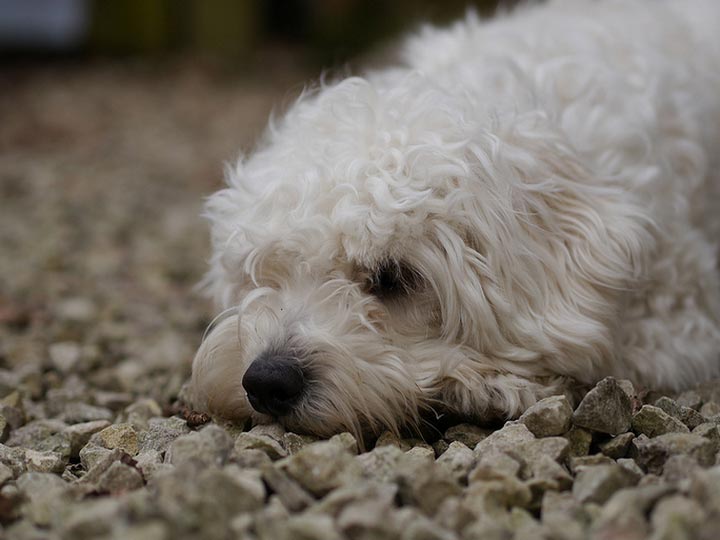
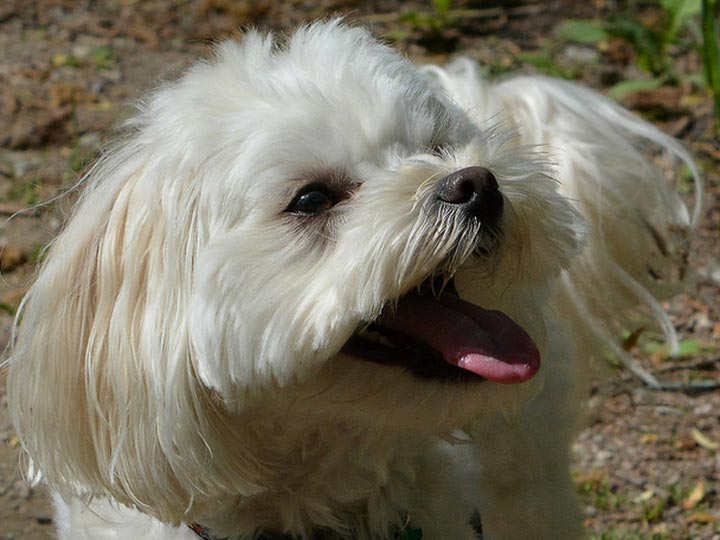
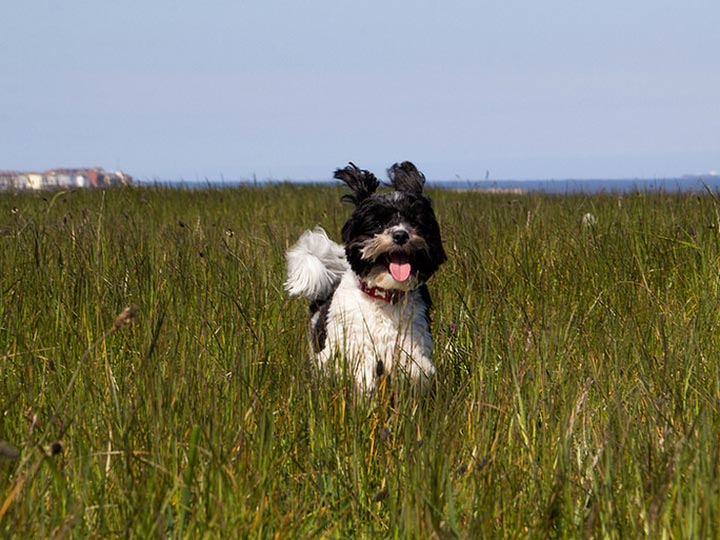
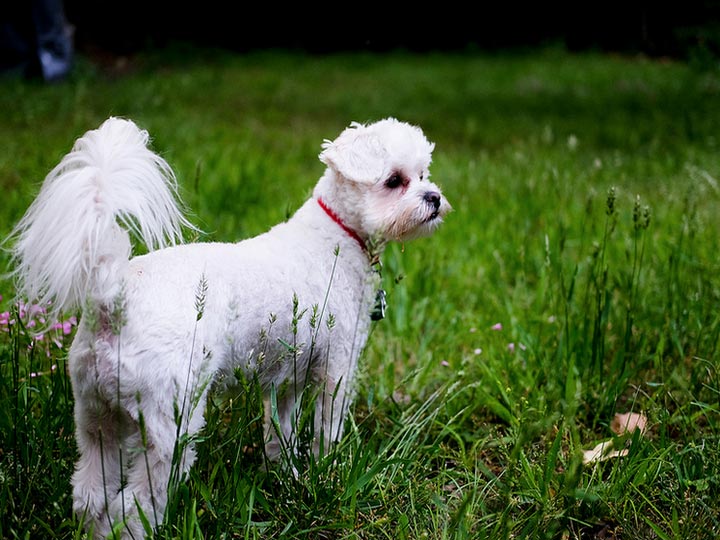
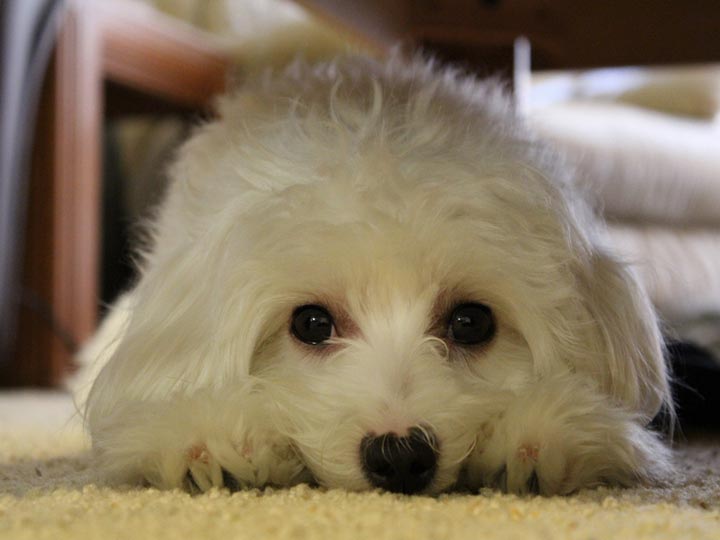
Photos of Maltese-Poodle mix puppies and adults. The designer Maltipoo breed in all its glory:


Read also:


Add a comment