
Anemia in Dogs: Symptoms, Causes, and Treatment
Animals share many of the same diseases as humans. For example, a dog may be diagnosed withanemia", the generally accepted name of which is "anemia", is not entirely correct, since with this pathology the volume of blood does not decrease, but its component composition changes: the level of hemoglobin drops.
In vertebrates, hemoglobin is found in red blood cells, a special iron-containing protein that transports oxygen to tissues. Red blood cells are produced in the bone marrow, and used ones are eliminated in feces and urine. The processes of cell formation and breakdown are balanced, ensuring a constant number of red blood cells in the blood.
When the balance is disrupted and there is a shortage of red blood cells, the body experiences cellular oxygen starvation. Anemia can have many causes, and in all cases, it requires immediate treatment, as it can become life-threatening if left unchecked.

Content
- 1 Types and causes of anemia
- 2 Symptoms of anemia
- 3 Diagnostics
- 4 Treatment
- 5 Regenerative and Nonregenerative Anemia: Why It Matters
- 6 Inflammatory anemia and its characteristics
- 7 Aplastic and pancytopenia are indications for emergency action.
- 8 The role of the hormone erythropoietin
- 9 Bone marrow: when is a biopsy necessary?
- 10 Characteristics of puppy anemia
- 11 Unobvious but important reasons
- 12 Vital primary measures
- 13 Monitoring of therapy and dynamics
- 14 Prevention of anemia in dogs
Types and causes of anemia
Depending on the cause of development, anemia is divided into several types:
- Posthemorrhagic. Develops as a result of blood loss after surgery, post-traumatic bleeding, or chronic microbleeding associated with peptic ulcer disease or anacid gastritis.
- Hemolytic. This form of anemia results from the destruction of erythrocytes (red blood cells) due to exposure to chemicals, medications, and toxins secreted by pathogens that cause hepatitis, hepatosis, and piroplasmosis. If a dog has helminthiasis, the worms poison its body with toxins that cause the breakdown of red blood cells. Tick bites leave blood-parasitic microorganisms in the dog's body, feeding on red blood cell proteins.
- Hypoplastic and aplastic anemia. These are relatively rare but severe forms of blood disease associated with impaired hematopoietic function of the bone marrow. These types of anemia can also develop due to deficiencies of B vitamins and minerals such as cobalt, copper, selenium, zinc, and iron.
- Hypochromic (iron deficiency) anemia. This form of anemia is caused by a deficiency of iron, which is essential for red blood cell formation. This condition most often occurs when the animal is poorly fed or its diet contains few foods containing this trace element.
Symptoms of anemia
Signs of anemia depend on the underlying pathogen, but are ultimately related to a disruption in the tissue's oxygen supply. The most typical, fairly obvious symptoms of anemia are pale (even pearly white) mucous membranes and loss of activity. The dog becomes lethargic, drowsy, inhibited, and tires easily.

Manifestations of the disease may also include:
- bloating;
- loss of appetite;
- jaundice (in hemolytic form);
- pinpoint hemorrhages on the mucous membrane of the eyes and oral cavity;
- subfebrile temperature;
- traces of blood in stool or urine;
- rapid pulse;
- heavy breathing;
- heart rhythm disturbance, tachycardia.
Diagnostics
The primary diagnostic method for detecting anemia is a complete blood count (CBC). Normal hematological parameters for adult dogs are:
- hemoglobin - 120÷180 g/l;
- ESR (erythrocyte sedimentation rate) - up to 13 mm/hour;
- leukocytes - 6÷17 thousand/μl;
- hematocrit (volume of red blood cells) ― 38 ÷ 55 vol%.
Important! The animal should limit physical activity 24 hours before donating blood, and the last feeding should be no later than 8 hours before the blood collection procedure. This is necessary to ensure the accuracy of the test results.
To determine the cause of anemia in a dog, a veterinarian may prescribe a number of additional tests:
- blood test for parasites;
- general urine analysis;
- stool analysis for helminth eggs and occult blood;
- endoscopy;
- bone marrow puncture;
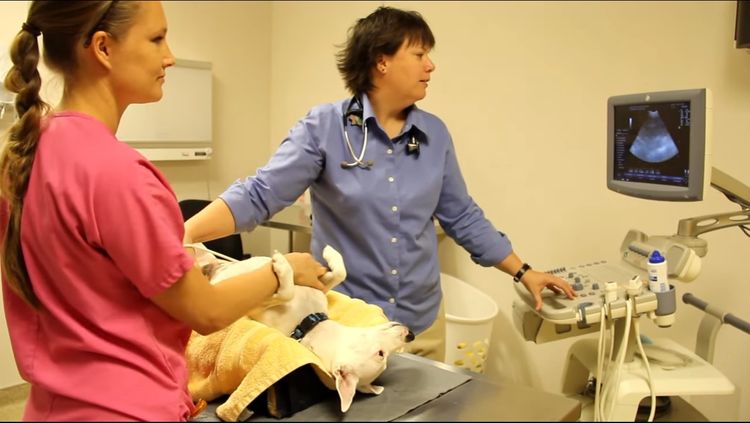
- Ultrasound or x-ray of the abdominal organs.
Treatment
Treatment strategies for anemia in animals are developed based on the data obtained during examination regarding the cause of the pathology and the extent of the blood composition disorder. For any form of anemia, vitamins B12 (cyanocobalamin), B9 (folic acid), as well as supplements containing potassium, iron, cobalt, selenium, and zinc are prescribed.
- In the posthemorrhagic form of the disease, multicomponent saline Ringer's solution, polyglucin, glucose solutions, and sodium chloride are administered intravenously or subcutaneously to stop bleeding and replace blood loss. A course of vitamin K1, which improves blood clotting, is also recommended.
- For hemolytic anemia, glucocorticoids (such as prednisolone), antidotes, and detoxifying drugs are used. If the cause of anemia is infections, helminths, or blood parasites, antibacterial or antiparasitic agents are required.
- Hypoplastic anemia is treated with anabolic steroids and glucocorticoids. Bone marrow and/or blood transfusions are performed.
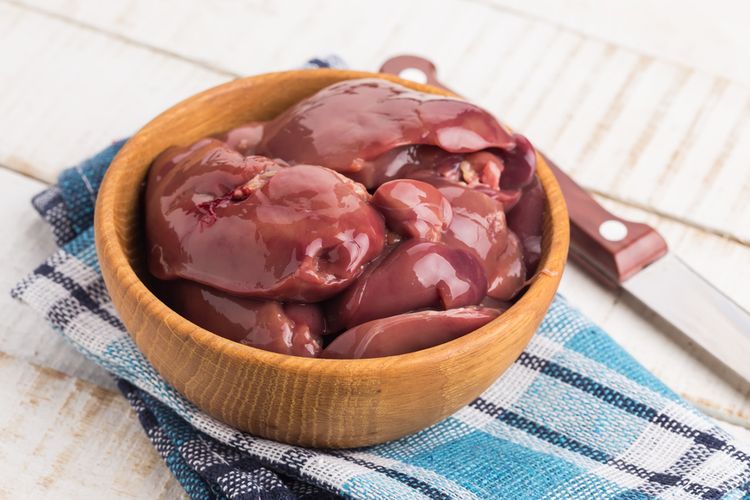
This is important! If your dog is anemic, it's recommended to feed them foods high in iron and B vitamins. This will help restore hemoglobin levels more quickly. Raw liver is considered one of the foods richest in iron.
Regenerative and Nonregenerative Anemia: Why It Matters
Anemia in dogs is classified as regenerative (when the bone marrow responds and initiates red blood cell regeneration) and nonregenerative (when the bone marrow fails to respond to the signal, for example, due to chronic diseases). It takes up to 3-5 days for dogs to show reticulocytosis (a sign of regeneration); in 50% of cases of severe anemia, this mechanism is absent. In such dogs, the underlying cause must be identified and treated consistently.
This approach helps avoid mistakes when the only symptom of anemia is clear heart failure, and the underlying diagnosis remains unknown.
Inflammatory anemia and its characteristics
If anemia develops due to chronic inflammatory diseases (e.g., renal failure, endocrinopathies, chronic pyogenic process), it is called anemia of chronic diseases. It is considered nonregenerative and is characterized by decreased erythropoiesis. In this case, it is important not only to replenish iron but also to control the underlying chronic process; without this, the increase in blood cell count will be temporary.
Aplastic and pancytopenia are indications for emergency action.
In aplastic anemia, not only the cellular composition (red blood cells) but also white blood cells and platelets are disrupted. This can sometimes result from myeloplasia, bone marrow tumors, viral infections, or an immune attack on the bone marrow. Pancytopenia—the cessation of hematopoiesis itself—can develop, which is life-threatening. In such cases, blood transfusions and aggressive immunosuppressive therapy become necessary.
The role of the hormone erythropoietin
For chronic renal failure (accompanied by anemia), erythropoietin preparations are often prescribed, stimulating red blood cell production. This allows for an increase in hemoglobin levels without excessive use of iron supplements. This approach helps avoid the negative effects of iron overdose and improves blood quality and oxygen transport.
Bone marrow: when is a biopsy necessary?
If the anemia is not regenerative and routine tests fail to identify the cause, a bone marrow analysis may be necessary. This is especially important if a tumor (such as leukemia), aplasia, or severe hematopoietic disorders are suspected. A biopsy is the only way to accurately diagnose and guide treatment.
Characteristics of puppy anemia
In puppies, anemia is often associated with malnutrition, helminth infestation, or viral infections (such as parvovirus). They have a faster metabolism and a high capacity for compensatory regeneration. With timely treatment, anemia in puppies usually resolves more quickly than in adult dogs.
Unobvious but important reasons
Sometimes anemia develops due to rarely mentioned factors:
-
Hemobartonellosis (Mycoplasma canis) - parasites attach to the red blood cell and cause its destruction.
-
chronic infections, hidden blood loss (eg, gastrointestinal tumors), or long-term toxic load (poisonous substances).
-
blood clotting disorders (e.g. factor deficiency, genetic hemophilia) leading to microbleeding.

Vital primary measures
If anemia is severe and the animal is depressed, it is necessary:
-
urgently carry out infusion therapy (IV drips to normalize blood volume and support cardiovascular activity);
-
if there is a risk of shock, transfuse whole blood or red blood cell mass;
-
exclusion of shock conditions.
Monitoring of therapy and dynamics
After starting treatment, it is important to regularly monitor hematocrit and reticulocyte counts: every 1–2 weeks for chronic stable anemia and 1–2 times per week for severe anemia. This allows for the assessment of the effectiveness of therapy and prompt adjustments.
Table: Comparative overview of forms of anemia and treatment approaches
| Type of anemia | Characteristic | Targeted measures |
|---|---|---|
| Regenerative | Bone marrow responds, reticulocytosis after 3-5 days | Support, eliminating the cause |
| Non-regenerative | No bone marrow response, often seen in chronic diseases | Treatment of primary pathology |
| Aplastic | Pancytopenia, suppression of all blood cells | Immunosuppression, transfusions |
| Parvovirus (puppies) | Fast regeneration, but rapid deterioration | Anti-infective therapy, nutrition |
| Hemobartonellosis | The parasite attaches and destroys red blood cells. | Antibacterial drugs |
Prevention of anemia in dogs
There are no preventative measures that can completely prevent anemia in dogs. Following general care and feeding guidelines can significantly reduce the risk of anemia. These include:
- regular preventive examinations by a veterinarian;
- timely vaccinations;
- agreeing with your doctor on taking any medications;
- Ensuring safe living conditions that exclude contact with toxic substances.
Particular attention should be paid to your dog's diet. It should be balanced and contain the elements necessary for blood formation, such as minerals and vitamins. When choosing commercial foods, it's best to choose those made from meat by-products. The amount of food consumed daily should be sufficient to meet its body's needs. For example, a pregnant or nursing female dog, or an active hunting dog, will require more food than a dog that spends most of its time indoors.
Read also:


Add a comment