
Little Shepherds
If you've decided to get a small dog and can't decide, check out the Pomeranian kennel's page.
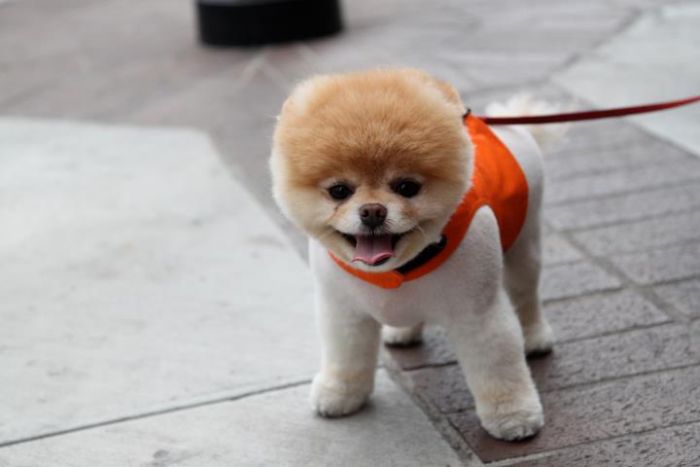
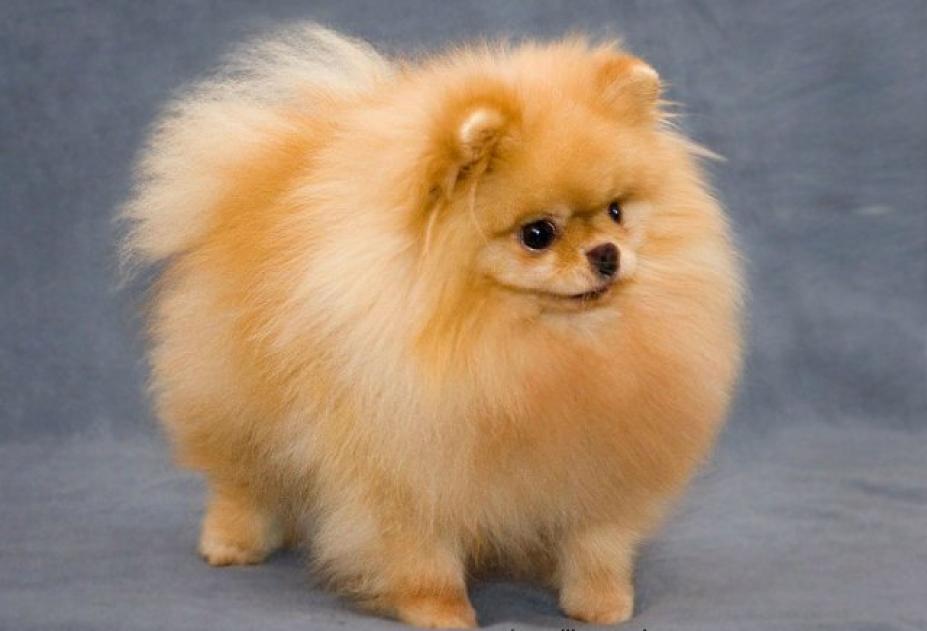
These cheerful little dogs will leave no one indifferent. Although the breed's German name sounds a little intimidating, they are sweet and good-natured animals, with a soft, fluffy coat that has become their calling card. Why does a small toy dog, which, like a toy terrier or a Chihuahua, spend most of its time in its owner's arms, need such a thick coat?
Content
Little Shepherds
Like many other small breed dogs, the ancestors Pomeranians They were distinguished by their impressive size. Large Spitz dogs, the ancestors of modern Pomeranians, helped shepherds herd flocks of sheep across the vast expanses of Germany and Scandinavia. This is why nature endowed Spitz dogs with a thick coat with an undercoat: this made it easier to survive the harsh northern winters. One only needs to look at a wolf spitz to understand what representatives of this breed looked like before breeders began developing breeds more adapted to domestic conditions.
The resonant voice for which Pomeranians are renowned is also a tribute to the breed's origins. Shepherds, which were essentially Spitz dogs, were expected to be able to herd sheep using their voices. Their loud barks also served to scare off predators, primarily wolves.
The habit of being active is preserved in the genes of Pomeranians: these dogs enjoy long walks, so lazy couch potatoes should refrain from buying a Spitz.
Voice!
While a carefree owner can craft an exquisite jewelry piece from a Spitz's luxurious fur and dedicate part of their day to grooming their pet, the barking habit is less promising. Training, tailored to the breed and temperament, is essential.
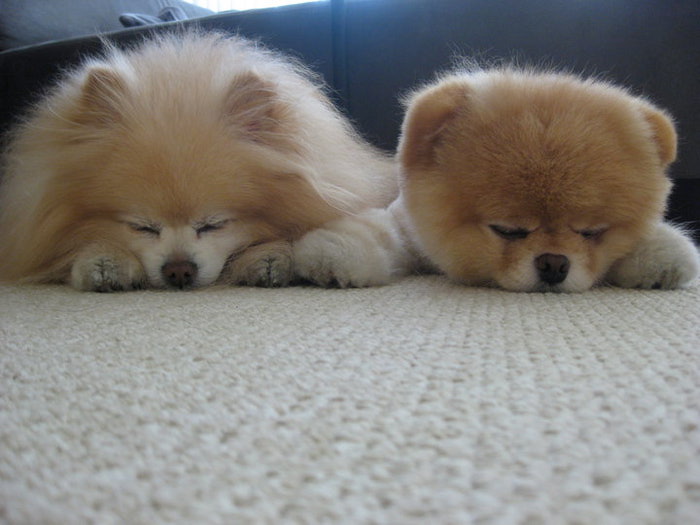
Pomeranians are quite nervous dogs, requiring attention and love. They hate being left alone, so even if left for a few minutes at the entrance to a store, they'll bark loudly, trying to get your attention. If you're leaving the house and your pet knows they'll be alone for a few hours, spend some time with them before you go, play with them, offer their favorite treat, bone, or toy, and accompany your playtime with "Good dog!" This way, your pet won't think you're leaving because they've done something unpleasant.
Keep a spray bottle of water handy. Every time your Pomeranian barks without any apparent reason, spray it in his direction, being careful not to get it in his face. Gradually, the animal will develop a conditioned reflex: if he barks in the house, there's a risk that my owner will wet my beautiful fur, which I really don't want. Next time, your furry little rascal will think twice about barking in the house!
Read also:
- Dwarf dog breeds
- Volpino Italiano (Italian Spitz)
- Norrbotten Spitz (Norbottenpets, Norrbotten Husky)



Add a comment