
Malamute - Breed Characteristics
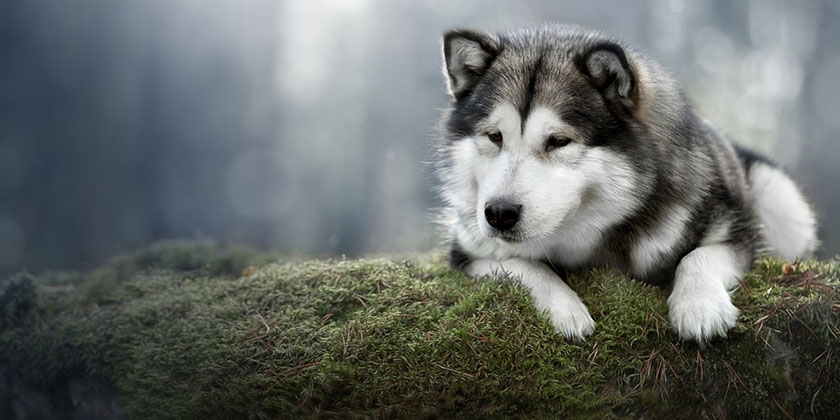
The Malamute is a Spitz-type dog that is currently among the thirty most popular in America. It is one of the oldest sled dog breeds, named after the Malamute Inuit tribe who inhabited the shores of Alaska. Today, there are many varieties of Malamute: some were created through selective breeding, others through accidental crossing with other breeds.
Content
ICF standards
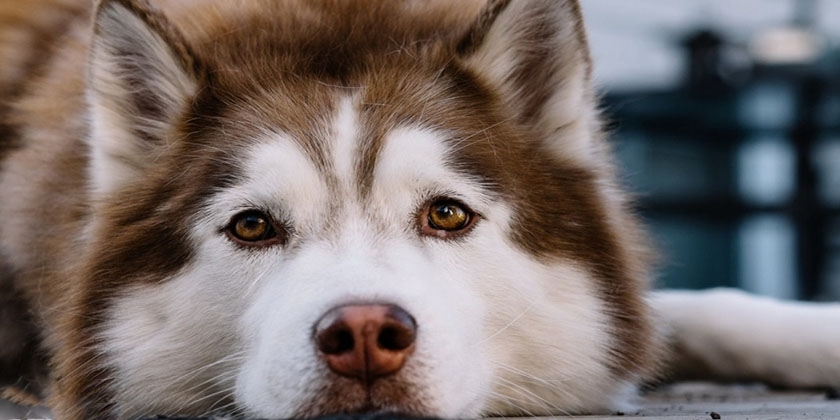
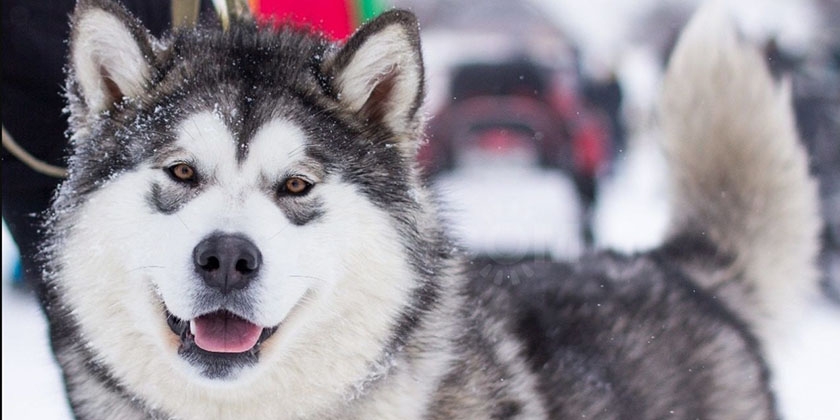
The Malamute is a medium-sized dog, with males standing 63-64 cm tall and females 58-59 cm tall, weighing 38 kg and 34 kg, respectively. The body is strong, with a deep chest and well-developed muscles; the length of the body is greater than the height at the withers. The skull is broad, rounded into the cheekbones, and the topline of the muzzle is slightly downturned. The ears are triangular, and the eyes are almond-shaped and brown. The paws are large, with tightly closed toes and strong pads. The tail is carried high, but not curled over the back.
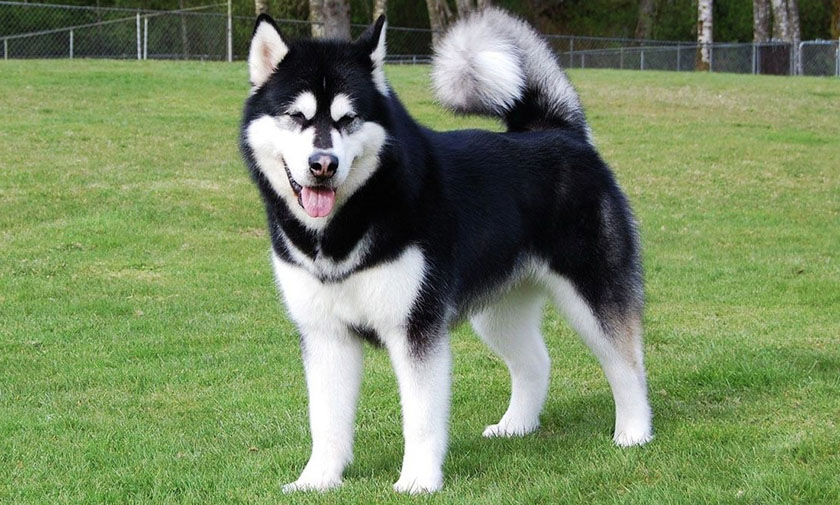
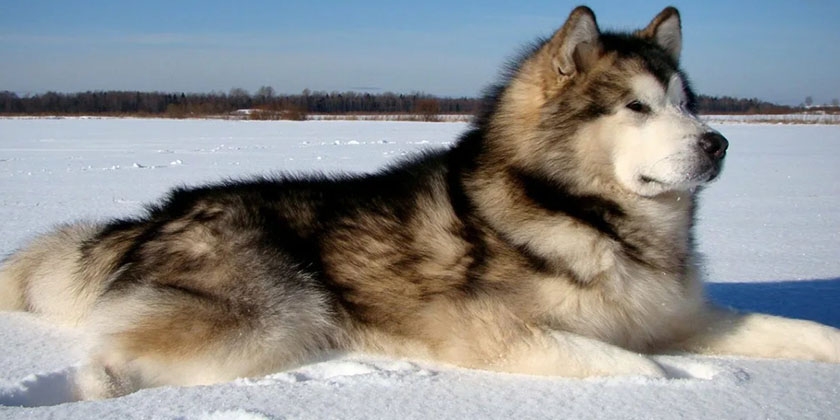
The coat is double, with a stiff outer coat and a soft undercoat. Acceptable colors:
- white;
- white with black spots;
- silvery white;
- red and white (main color is white);
- sable (the guard hair has a light base and a dark tip).
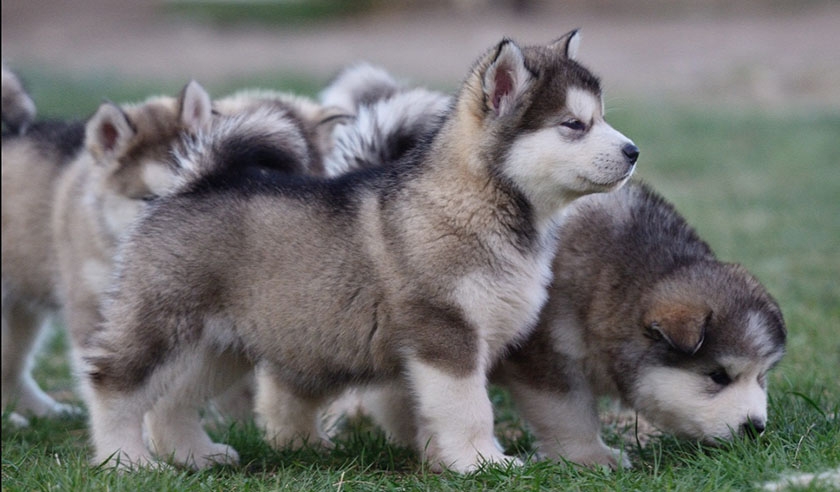
The price of a Malamute, even if its pedigree is unimportant, will be at least 35,000 rubles. Individuals with good genetics and suitable for breeding cost one and a half times more. A show-class Malamute puppy can cost up to 130,000 rubles.
Breed characteristics
By nature, the Malamute is a hard-working, kind, and intelligent dog. It's easy to train, but only readily obeys commands as long as they find them interesting. This breed requires active, long walks and sports (running, sledding, tire pulling). Without sufficient exercise, it can become out of shape and gain excess weight.
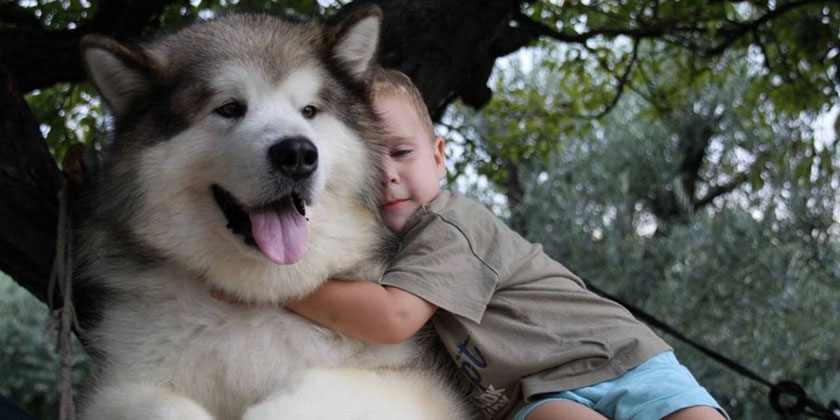
The Malamute thrives on companionship—if left alone, it will suffer, and to relieve stress, it may engage in mischief and damage things. It loves to play and can be an excellent nanny, entertaining and caring for children. One of the breed's positive traits is its silence—its representatives, with rare exceptions, do not bark. However, using a Malamute as a guard dog is unlikely, as it is completely non-aggressive and is friendly toward all strangers.
Dogs are prone to illnesses and diseases, so it's best to purchase a Malamute puppy from a professional breeder. The most common illnesses this breed is susceptible to include:
- a disorder of cartilage tissue development (dysplasia), which can cause joint dislocation;
- retinal atrophy, cataract, glaucoma;
- hemophilia (reduced blood clotting, due to which even minor tissue damage is dangerous);
- diabetes.
Varieties of the breed
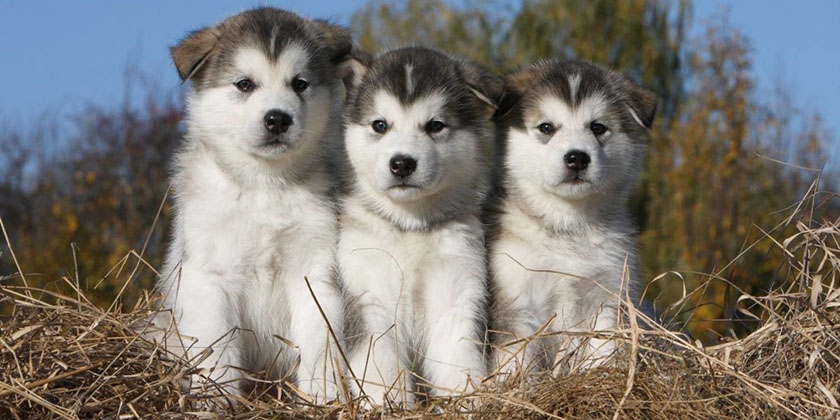
The Alaskan Malamute was officially recognized by the International Cynological Organization in 1966. There are two varieties of this basic breed. The Kotzebue variety is the result of crossing standard Malamutes with huskies and Eskimo dogs. It is characterized by a dark mask on the face, a wolf-like coloring, and a friendly nature. M'Loot Malamutes are larger in size and come in a wide variety of colors. Dogs of this line are quite aggressive and more difficult to train.
There are quite a few regional varieties of the breed, which have some differences in appearance:
- Altai. Its external differences from the Alaskan Malamute are clearly visible in the photo: dogs of the Altai line have a different eye shape and a differently set tail. There are also differences in character: "Altai" dogs are less hardy and more obedient.
- Caucasian Shepherd. These dogs have well-developed hunting and guarding instincts and are completely unfussy in terms of care and feeding. They tolerate cold temperatures well and can live outdoors year-round.
- Tibetan. One of the largest representatives of this breed. Furthermore, this variety has the thickest coat.
- Alpine. A very friendly dog, it's not suitable for guard duty: an Alpine would rather befriend a stranger who breaks into the house than attack them while protecting its owner's property. There are virtually no physical differences from the Alaskan Malamute.
- Yakut. Dogs of this line were bred for pulling loads. Today, they successfully compete in weight pulling competitions, and can pull up to 400 kg.
- English. These are intelligent and beautiful animals with thick white fur. English Malamutes come in two varieties: the bear-like variety, with a powerful build and broad head, and the wolf-like variety, with an elongated body and a narrower skull.
- American. These dogs are similar in appearance to huskies: a broad back with a long loin and straight, muscular limbs. Personality: peaceful, not prone to fighting, and highly intelligent.
- Canadian. Developed by crossing an Alaskan Malamute with a Canadian black wolf. Dogs of this breed are not recommended as pets: they are quite aggressive and often possess a "wolf-like" personality, viewing children or sick people as weak and therefore inferior.
- Japanese (Asian). This variety of the breed was created by inbreeding the Alaskan Malamute and SpitzThe result was an entirely new breed, named the Akita Inu. It has a thick, three-layered coat, which can be white, red and white, or brindle. This intelligent and calm dog makes a good companion and devoted protector.
- Chinese Malamute. This variety of Malamute is distinguished by its very large size, having been created by crossing the main breed with a Mastiff. Calm, patient, and even-tempered, this dog can act as a guard dog, and its very thick, dense coat allows it to live outdoors.
Maintenance and care
The most painstaking part of malamute grooming is daily brushing. This can be done with a comb, a brush, or a special tool called a furminator. Dogs usually enjoy this procedure, which provides a pleasant massage and removes itchy dead hair and undercoat.
However, Malamutes only need to be bathed a couple of times a year: this breed is extremely clean, and their coat is covered with a protective film of a fatty substance. Breeders typically dry brush their coats every few months or before a show.
The remaining hygiene procedures are the same as for other breeds: teeth are brushed 2-3 times a week, ears are cleaned with a damp swab at the same frequency, and eyes are gently wiped with a cotton pad soaked in tea leaves or chamomile infusion. It is recommended to trim nails as they grow, being careful not to damage the cuticle; for this, you will need a nail clipper designed for large breeds.
Catering
Malamute puppies up to 3 months of age are fed frequently, 5-6 times a day; up to 8 months, 3-4 times a day; for adult dogs, two meals a day is recommended. There are two feeding options: using dry food exclusively or a combination of prepared food and natural food. A purely natural diet is not recommended for this breed.
From ready-made food, it is advisable to choose the “Premium”, “Super-premium” or “Holistic” class; such balanced diets for dogs are produced by the companies NUTRO, Royal Canin, Brit, ACANA, Orijen, Wellness CORE.
Natural products in the diet should mainly include meat and fish (they can be given boiled or raw), and also porridge Unrefined rice, oats, and buckwheat. Fermented milk products (including cottage cheese), vegetables, and fruits can be given in relatively small quantities. Prohibited: fatty meats, raw fish, smoked foods, and sweets.
Read also:


Add a comment