
Maine Coon
Coming home as a kitten, Maine Coon will forever win your heart, as well as the hearts of everyone in your household. These cats have been particularly popular for decades thanks to their large size and teddy bear-like good nature. But before acquiring such an amazing pet, it's worth getting to know the breed better.
Content
History of origin
Maine Coons boast a rich, 150-year history. Much is known about the breed's development and formation, but the arrival of these large cats in North America is shrouded in mystery and legend. One legend claims they are the offspring of a male cat and a raccoon, from whom they inherited their large size and striped tail. Another legend claims Maine Coons are a descendant of North American lynxes. Many cite the well-known ear tufts as evidence for this theory. However, the truth is that these tufts are the result of selective breeding; 100 years ago, many members of the breed lacked these tufts, and even today, not all do. Realistic felinologists believe that this is primarily due to the natural development of a domestic cat population. Decades of nature have honed these cats, making them physically hardy and large animals, perfectly adapted to harsh winters and hunting.
Since ancient times, "raccoon" cats have inhabited Maine farms, battling numerous rodents and protecting grain reserves. But only the most resilient and large specimens, with well-developed muscles and a striking appearance, were subjected to further targeted human-guided selection. Maine Coons are rightfully considered America's national pride.By the mid-19th century, they were already being considered a distinct breed. At one fair, farmers even organized an exhibition where Mena raccoon cats competed for the title of Mena State Champion Coon Cat. This undoubtedly speaks to their high popularity and the affection of the local population. Later, the Mena cats attracted interest in larger cities. They began appearing at shows in Boston and New York, where they competed with another popular breed at the time—the Angora cat.
In 1895, at the Madison Square Garden New York cat show, the beautiful Maine Coon named Kuzi became the star and won the title of Best of Show. She was a brown tabby cat (initially, only these colors were allowed in the breed, but the palette later expanded significantly). In 1908, at a CFA show in Boston, the fifth Maine Coon, named Molly Bond, was registered. Over the next 10 years, the breed's popularity grew exponentially, with exports to other countries and extensive improvements to its appearance. However, in 1911, a lull set in. For 40 years, Maine Coons did not appear at any specialized cat shows. This was likely due to the emergence of other, more interesting breeds.
Thanks to the enthusiasm of raccoon cat enthusiasts, a breakthrough was achieved between 1966 and 1968, and the giant regained its championship title. In 1968, six breeders founded the Maine Coon Breeders Association, which remains active today. In 1976, the Maine Coon breed was officially recognized, and by 1980, nearly 200 catteries and thousands of fanciers were registered. With established standards, Maine Coons began their triumphant march across the globe, winning the hearts of millions with their incredible appearance and peaceful nature.
Video review of Maine Coon cats:
Appearance and standards
Maine Coon cats are considered the largest breed of domestic cat, and for good reason. They often reach a meter or more in length (from the tip of their nose to the tip of their tail). Imagine:
- powerful chest;
- strong paws;
- an impressive wedge-shaped head.
The effect is further enhanced by the long, thick fur—that's the Maine Coon in person. Of course, the cats are slightly different in size from males, who weigh an average of 8 kg, but only from cats of their own breed; compared to other breeds, they'll still be much larger.
Head and muzzle
The Maine Coon's head is proportionate to its body, massive and large. The square muzzle is clearly defined. In profile, a smooth, concave slope is noticeable. The forehead is gently arched. The nose is of medium length and width. The cheekbones are prominent and high. The chin is square and strong, forming a vertical line with the nose and upper lip. The ears are large, wide at the base and moderately pointed at the tips. Lynx-like tufts are desirable, and the tufts in the ears should extend beyond the outer edge of the auricle. The ears are set high on the head, slightly slanted outward, with the distance between them equal to the width of one ear. A slight increase in this distance is permissible with age. The eyes are large and set well apart. Their shape is oval, but not almond-shaped. When wide open, the eyes appear round. Any color of the iris is acceptable; there is no difference in coat color. A clear eye color is highly desirable.
It should be noted that the Maine Coon is recognized by all world felinological associations, in particular WCF, CFA, FIFE, TICA, and the standards adopted by these federations may differ slightly from each other.
Physique
The body is elongated, with strong bone structure and well-developed muscles. The chest is broad and strong. All body parts should be in proportion, creating a rectangular shape. The legs are medium length, the paws are large. There are tufts of hair between the toes. The tail is long, equal to the distance from the shoulder blades to the croup, tapering slightly toward the tip.
Coat and colors
The coat is thick, water-repellent, and lies close to the body. The undercoat is well developed, soft, and warm. The hair length is uneven all over the body, with noticeable "pants" and a "ruff." The tail is very well-furred. The length and density of the coat varies with the season.
Maine Coon cats come in a wide variety of colors, and any markings are acceptable. The possible colors of Maine Coons can be roughly divided into the following groups:
- plain (solid or solid);
- two-color;
- tabby (marbled, spotted)
- tortoiseshell (tricolor);
- smoky.
It is worth noting that there is a list of colors that are unacceptable for the breed: colorpoint (Siamese), lilac, chocolate and fawn.
Character and psychological portrait
Maine Coons' appearances can be deceiving. They appear to be independent, semi-wild cats with a less-than-friendly nature, but in reality, they are very sociable, good-natured, gentle, and moderately playful creatures with a balanced temperament. Many become die-hard fans of the breed precisely because of their gentle, friendly nature. These amazing creatures are friendly with everyone in the house. If it's a dog, it's a dog, if it's a child, it's a turtle. However, this friendliness shouldn't be confused with lack of character. A Maine Coon cat can stand up for itself. It just knows exactly when to do so and when not. They are very playful, loving to run and jump, performing a variety of tricks in the process. After a delicious dinner, they can spend up to half an hour playing with a piece of uneaten meat, and in the bath, they won't miss the opportunity to touch a stream of water with their paw.
While most cats can be said to be on their own, the same cannot be said about the Maine Coon.
Maine Coons are self-assured cats with a sense of tact and dignity, allowing them to display restraint and strength of character in conflict situations. They are self-sufficient, independent, calm, and balanced. Importantly, these traits and their large size don't prevent them from remaining active, agile, and curious; even as adults, they sometimes display the unusual playfulness and spontaneity of kittens.
Sociability
Coons are very sociable and outgoing cats, quite talkative. What's nice is that their voice is quiet and calm, quite distinctive, somewhere between a meow and a chirp.
They are patient with small children, but will not tolerate prolonged "torment" and will retreat to a secluded place. They are generally polite with strangers, but more indifferent than interested.
Maine Coons haven't lost their hunting skills. They're excellent rat and mouse hunters, and they're unrivaled at catching flies and mosquitoes. However, they're often quite indifferent to aquarium fish and small pets, apparently recognizing that they're family members too.
Intelligence
In terms of intelligence, Coons are very intelligent and capable animals. They remember intonations, words, glances, and movements, and display amazing sensitivity and delicacy with their owners. They are easy to train and quickly learn house rules. Interestingly, these cats learn tricks quite easily. They can stand still, offer a paw, and meow while making a sound. They are also excellent hunters. If they don't find a single mouse in the house, they will enthusiastically pretend to hunt for a sock, a toy, or a chestnut.
Some Maine Coon owners believe that these cats were dogs in a past life due to their loyalty and trainability. Of course, to reach their full potential, Maine Coons require close interaction with their owners.
Content
The impressive size of these cats shouldn't mislead potential owners. They can easily find a place for themselves in any space, and they're also very neat and clean, not prone to jumping around the apartment, causing chaos, or deliberately knocking things over. At a young age, a Maine Coon might get a little carried away and cause a bit of a mess.
At home, a Maine Coon needs everything the same as ordinary cats:
- clean tray with filler;
- personal eating area with two or three bowls;
- a place to rest;
- scratching post and some toys.
You should also consider purchasing a play structure. Maine Coons are an active, curious, and dynamic breed. They retain their playfulness practically throughout their entire lives. Most of their favorite games imitate hunting, so a wind-up mouse would be a great gift.
Despite their large size, they move around the house carefully.
To stay healthy and strong, Maine Coons require regular exercise. Ideally, this includes walks outside two to three times a week, regardless of the weather. Trained from an early age, they tolerate leash walks well.
Care
Representatives of this breed are admired for their luxurious fur, and at the same time, they are a real find for cat lovers who adore long-haired pets but do not have the opportunity to brush them daily.
Grooming
Coons' coats are not prone to matting, so weekly brushing is sufficient. During shedding season, however, more effort and daily grooming are required. Brushing should begin at the head, moving toward the tail, and then to the belly and paws. First, use a slicker brush, then a metal comb with wide, rotating teeth and an anti-static effect.
Maine Coons don't need to be bathed often. Firstly, they are very clean and excellent at personal hygiene. Secondly, frequent bathing strips their coat of protective oils, which negatively impacts the condition of their skin and the appearance of their coat.
It's worth noting that the bathing process itself rarely causes problems. Most large cats love water, or at least tolerate it. Shampoos are used for long-haired cats, and it's also advisable to select conditioner and coat products that prevent tangling. After bathing, it's best to blot the coat with a towel and let it air dry, ensuring there are no drafts in the house. Maine Coons are bathed approximately once every five months, and also a few days before a show.
Eye, ear, nail and oral care
Eyes and ears should be cleaned as needed using special products. Cotton wool should not be used for wiping the eyes, as its fibers can remain on the cornea and irritate it. When choosing between cotton swabs and lotions for cleaning the ears, the latter should be preferred. Incorrect use of cotton swabs can lead to the formation of earwax.
Claws are trimmed as they grow, literally by a few millimeters. This is usually done when cats like to knead the area with their paws while being held. If a pet has become accustomed to scratching furniture, wallpaper, or carpet, trimming their claws is unlikely to solve the problem. Only a scratching post will help.
The oral cavity also requires care. When feeding dry food, brushing once a month is sufficient. If your pet eats natural food, brushing should be done more regularly, about once a week.
Diet
Opinions on the proper nutrition of Maine Coons vary widely. Some believe large cats should be fed only commercially formulated foods, others argue that large breeds, especially those of natural origin, should be fed only natural food, and still others advocate mixed feeding, a view often refuted by veterinarians.
Maine Coons are said to have insatiable appetites, though this remains controversial. While they certainly eat considerably more than their smaller counterparts, they are not prone to overeating.
Feeding industrial feeds
If you decide to choose food, it should be high-quality formulas labeled "complete nutrition." Many manufacturers produce lines for adult cats with different needs, and Maine Coons are better suited to food designed for active indoor cats, unless they have specific requirements. Royal Canin offers a special diet for Maine Coons. In any case, the food should be individually tailored to your pet, as evidenced by:
- excellent appearance;
- excellent health;
- no problems with stool.
Natural diet
When it comes to natural nutrition, its basis should be lean meats (chicken, beef, veal, rabbit, turkey) and organ meats (heart, lungs, stomachs, liver). These should account for approximately 70% of the diet, with the remaining 30% coming from vegetables, fruits, and cereals. Cats are given lean seafood, quail eggs, and fermented milk products weekly, as tolerated. When feeding natural food, vitamin and mineral supplements are regularly added to the diet to ensure complete nutrition.
With any type of feeding, it is advisable to introduce sprouted oats or special cat grass into the diet.
Adult animals aged 1.5 years and older are fed 2-3 times a day. Kittens aged 6 months and older are fed 3-4 times a day. Particular attention is paid to the nutrition of kittens from 3 to 5 months old, a period of active growth and development, and therefore their diet should be rich in vitamins and microelements. Kittens at this age are fed up to 5 times a day. And of course, clean drinking water should always be available.
Maine Coon Weight Chart
Maine Coon breeders closely monitor their pets' weight gain. Every month, they calculate their weight gain and check it against the standards developed by researchers.
If you want to know what a Maine Coon's weight should be by month, the table compiled by experts and presented below will tell you.
|
Age of the kitten |
Cat weight |
Weight of a cat |
|
Newborn kitten |
100-140 g |
120-160 g. |
|
1 week |
160-230 BC |
190-250 g |
|
2 weeks |
160-230 BC |
190-250 g |
|
3 weeks |
420-550 BC |
440-600 BC |
|
1 month/4 weeks |
560-680 CE |
630-750 BC |
|
2 months/8 weeks |
1.1-1.4 kg. |
1.2-1.5 kg. |
|
3 months/12 weeks |
1.7-2.4 kg. |
2.8-3.6 kg. |
|
4 months/16 weeks |
2.7-3.6 kg. |
3-3.8 kg. |
|
5 months/20 weeks |
2.8-3.9 kg. |
3.2-4.2 kg. |
|
6 months/24 weeks |
3.2-4 kg. |
3.8-4.5 kg. |
|
7 months |
3.6-4.7 kg. |
4.2-5.6 kg. |
|
8 months |
3.8-4.9 kg. |
4.5-6.1 kg. |
|
9 months |
4.1-5.8 kg. |
4.6-6.8 kg. |
|
10 months |
4.3-6.5 kg. |
4.8-7.2 kg. |
|
11 months |
4.3-7 kg. |
5-7.5 kg. |
|
1 year/12 months |
4.5-8.3 kg. |
5.4-8.8 kg. |
|
5 years |
5-8.5 kg. |
5.8-12 kg. |
It's convenient because it includes data for animals of all ages, so you won't need a separate table of Maine Coon kitten weights—everything is included.
Of course, these figures are averages. If the difference is a few grams, give or take, there's no cause for concern. After all, every animal develops individually. The most important thing is that the cats feel well, are active, and have a good appetite.
A chart can't accurately determine a Maine Coon kitten's optimal weight by month. Focus primarily on your pet's well-being and health. If your kitten is feeling well and enjoying its food, any excess or loss of weight isn't a significant indicator of development.
Health and life expectancy
The breed is considered biogenic, meaning it developed through natural selection and genetic diversity. Therefore, it can be said that Maine Coons are characterized by robust health and a strong immune system. However, there are a number of genetic diseases common to Maine Coons:
-
Hypertrophic cardiomyopathyThis pathological defect impairs heart function due to thickening of one or more ventricular walls. Symptoms can range from heart failure to sudden death. Maine Coons are recommended to have an ECG and cardiac ultrasound once a year.
- Hip dysplasia can cause subluxation, dislocation, and limited mobility, but does not pose a threat to health or life.
-
Spinal muscular atrophy is associated with a recessive gene. Thanks to the diligence of breeders, it is now very rare. The condition can lead to muscle atrophy.
In addition to hereditary diseases, there is a list of illnesses to which the breed is predisposed, but they usually appear as a result of improper care or nutrition:
- Urolithiasis is more common in animals whose diet includes a lot of fish or cheap dry food, as well as in regions with hard water.
- Gum disease, plaque and tartar are common problems in animals fed a natural diet.
- Problems with the gastrointestinal tract are usually a consequence of a change in food or systematic improper nutrition.
Prevention is an important part of caring for and maintaining your cat's health. Don't forget about annual vaccinations, regular deworming, and treatment for external parasites.
Average life expectancy is 12-13 years.
What to expect after purchasing a Maine Coon
Many lovers of unusual pets dream of owning a large American cat. But is it worth getting a Maine Coon without knowing details about its personality and behavior in the home? Of course, cat lovers are drawn to its striking appearance, impressive size, and resemblance to a wild lynx—it's something to show off to friends. Furthermore, it requires little grooming, is incredibly friendly and sociable, and breeders promise to acquire a best friend in it.
Is this true? Yes, but there's some omission about the downsides of keeping such a cat at home.
So, if you're wondering whether to buy a Maine Coon, listen to your gut: are you prepared to constantly care for a large animal and spend significant money on it?
Representatives of this breed shed up to 6 months a year, leaving behind fur in various corners of the apartment.
Large cats eat "big time," meaning they require a lot of money for food and, accordingly, for the maintenance of their litter box (fillers, detergents).
Cats of this breed are not always sweet and kind; many of them have a desire to fight and quarrel.
Coons are prone to many congenital diseases, so you need to be prepared to visit the veterinary clinic frequently and purchase the necessary medications.
If you're not afraid of all these challenges and are ready to selflessly care for your pet, you can confidently buy a Maine Coon kitten. You'll definitely never be bored with one.
Knitting features
Maine Coon mating is a crucial time for a breeder, the onset of which can be determined with the naked eye: mature male cats mark their territory, females meow incessantly, rub against protruding corners, and roll around on the floor. Maine Coons are allowed to mate after their third heat, between 10 and 18 months. In some cases, the first heat begins early, at 7-8 months. A male cat is fully developed by the age of 18 months, but may be ready to breed as early as 8 months.
Mating maintains and improves the breed, so it's important to prepare thoroughly. Only breed-quality animals that have participated in shows and received breeding grades are eligible for breeding. The best way to find a partner for your pet is to contact a feline club, where they will help you find a worthy candidate.
Before mating, both animals must be examined by a veterinarian for dangerous diseases and checked for the necessary vaccinations.
Choosing a kitten and price
When choosing a kitten, it's important to pay attention not only to the kitten and its parents, but also to the breeder and their cattery, as well as the environment in which the animals are kept. If the cats are kept clean, appear healthy, aren't overcrowded (five cats per square meter), and overall leave a pleasant impression after your visit, that's wonderful. However, if you feel like you've visited a farm, you've likely come to the wrong place.
A kitten should be healthy. There are countless signs to determine this, but the most important are the condition of its fur, eyes, nose, and ears. The fur should be soft and shiny. There should be no discharge on the face, and the bottom should be clean. The kitten should smell pleasantly like a kitten's baby.
A kitten should be adopted no earlier than 2.5 to 3 months old. A 1.5-month-old kitten is a creature that needs its mother's care, not a new family. By 3 to 4 months, a kitten is already more or less independent, accustomed to all hygiene procedures, and socialized. Its individuality and the beginnings of developing its own character are already noticeable. Moreover, at this age, one of the most dangerous stages of health has already passed. The kitten will easily settle into a new home.
If a breeder gives away kittens under two months old, you should seriously consider purchasing them. Young kittens are more difficult to feed and raise, so they are often discarded early, without regard for the consequences. These kittens likely haven't been vaccinated. They're also certainly not ready to say goodbye to their mother, either physically or psychologically.
How to identify a Maine Coon kitten
Adult Maine Coons differ from ordinary domestic cats and many other breeds primarily in size and, of course, in their appearance. It's much more difficult to identify the breed of kittens, but it's still possible, even for a layperson.
Maine Coon kittens weigh 120-170 grams at birth (compared to 80-120 grams for standard kittens). By three months, they have already gained significant size, weighing between 1.5 and 2.3 kg. By four months, they weigh 3 kg or more, making them comparable in size to a small domestic cat.
Maine Coon babies are characterized by massive, fluffy paws and a relatively long, powerful, well-furred tail. Tufts of fur begin to grow between their toes.
As for purebred status, often mentioned in advertisements, it's determined solely by the pedigree. Without one, it's difficult to distinguish a mildly mixed-breed kitten at a young age. A general idea of what the kittens will look like can be formed by assessing the parents' appearance.
"When will his tufts grow?" is a question often asked by prospective owners when choosing a kitten. If a kitten doesn't have clearly defined tufts of fur by three months, they will never grow, even if the seller (not the breeder) assures them otherwise. It's worth remembering that tufts on the ears are desirable, but not required, according to the standard.
The world's largest Maine Coon
Few people know that the world's largest Maine Coon cat, named Omar, lives in Melbourne, UK. He weighs 14 kilograms and is a full 120 centimeters long, shattering all previous records, according to The Telegraph. The publication also reports that the cat's favorite treat is raw kangaroo meat.
It's long been known that the Maine Coon is the largest cat in the world. The previous record for cat length—118 cm—also belonged to a cat of this breed. However, Omar's owner decided to compete for the title by submitting her pet's measurements to a special committee in hopes that he would defeat his rival and earn the coveted title of the world's largest cat.
Price of kittens
Having learned about the record-breaker, many dream of acquiring a pet of this impressive size and wonder: how much does a Maine Coon cat cost, and is such an "acquisition" affordable?
Rumor has it that this breed is being bred by entrepreneurs seeking to reap large profits from their sales. It's worth noting that setting up such a business requires, firstly, significant investment, and secondly, it's unlikely that people with no knowledge of breeding purebred Maine Coons would risk their money without such a high level of commitment. Without passion and professional knowledge, such a business wouldn't survive long, much less earn the respect of breeders worldwide.
Maine Coon cats have ancient roots, and breeders must work hard to pass on the genes for their aboriginal "wild" coloring and aristocratic manners.
In addition, specialists in their field are constantly working to develop subtypes of the breed with the most unusual and original colors, demonstrating extraordinary creative and professional abilities.
Let's find out how much a Maine Coon kitten costs and what determines its price. Several important factors influence the price:
- breed qualities of appearance and character;
- purebred, confirmed by a good pedigree;
- kitten's gender;
- the size and color of the animal;
- merits of the cat's parents;
- funds spent on feeding and veterinary care of the mother cat and the newborn kitten;
- location (naturally, in Moscow and St. Petersburg, for example, cats will cost a little more than in Siberia, the Urals and other regions far from the capital);
- Kitten delivery service (if you order an animal from a remote city, you will pay more than if you brought it yourself).
As you can see, it is impossible to say exactly how much a Maine Coon costs.
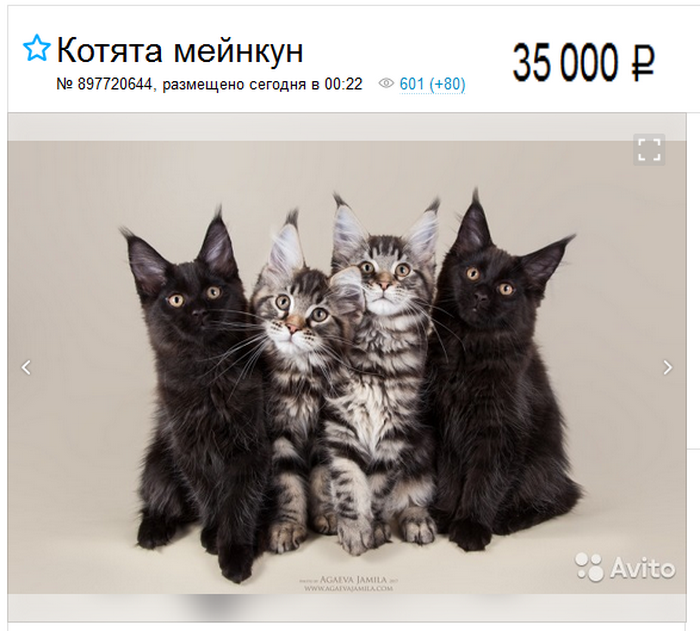
In any case, Maine Coons aren't cheap, so be prepared for this when choosing a kitten. Purebred kittens from reputable breeding centers cost an average of 35,000-40,000 rubles. Individuals with distinctive colors or descendants of top bloodlines can cost significantly more.
Kittens "from amateurs" cost an average of 10,000-15,000 rubles. These are usually kittens without papers, the result of a mating scheme like "you have a male, I have a female, let's mate." When selling, they often claim they deliberately forgot to get the papers, claiming it was too much hassle, and potential buyers (uninformed about all the details of breeding) are delighted: the kittens are cheaper, and they don't need papers, because they're buying a kitten for the love of their life. Essentially, kittens without papers are not considered representatives of a particular breed and are considered mongrel by professional felinologists.
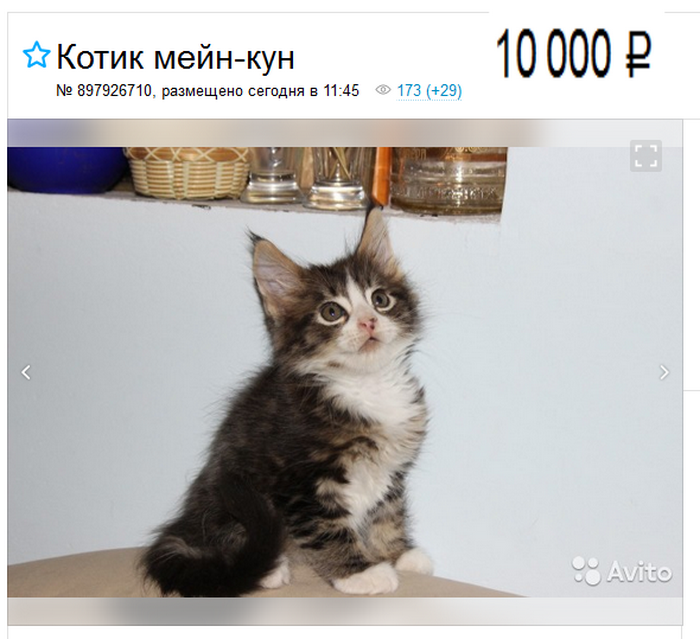
Mixed-breed kittens are usually sold inexpensively—up to 5,000 rubles. The price depends on their appearance, their resemblance to Maine Coons, and the breeder's integrity.
Photos
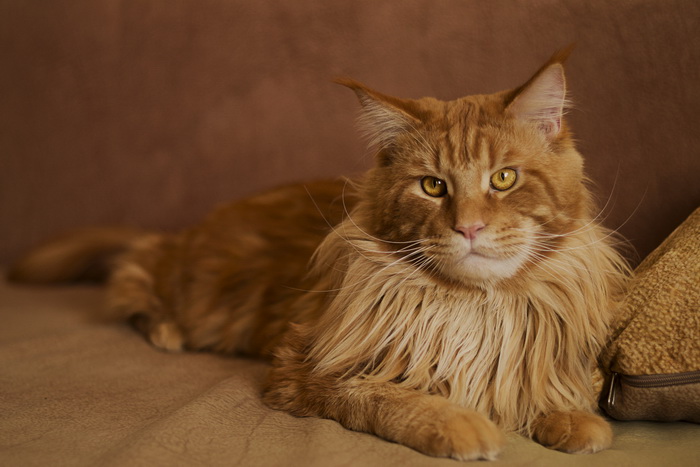
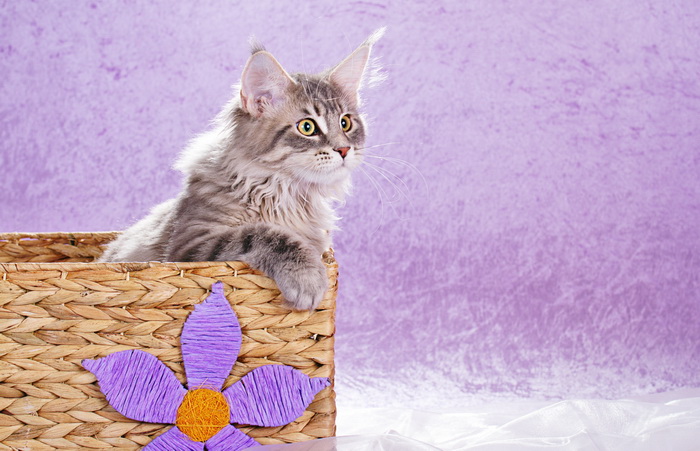
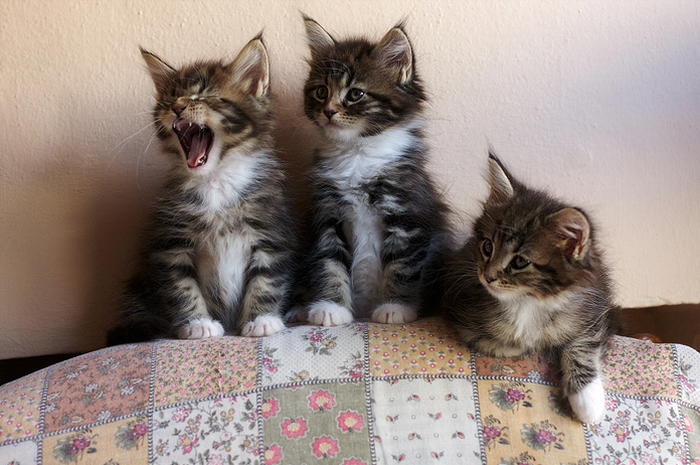
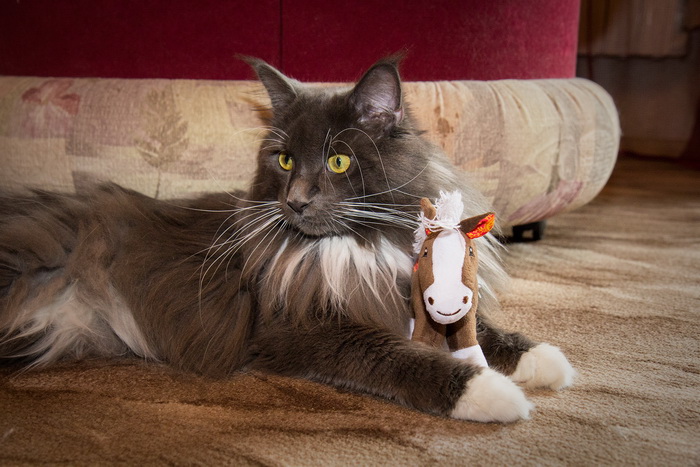
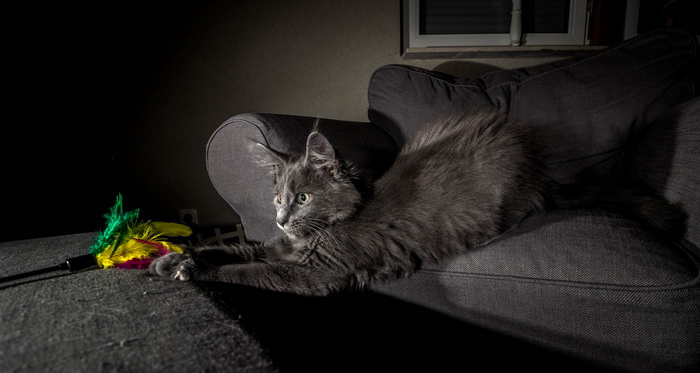
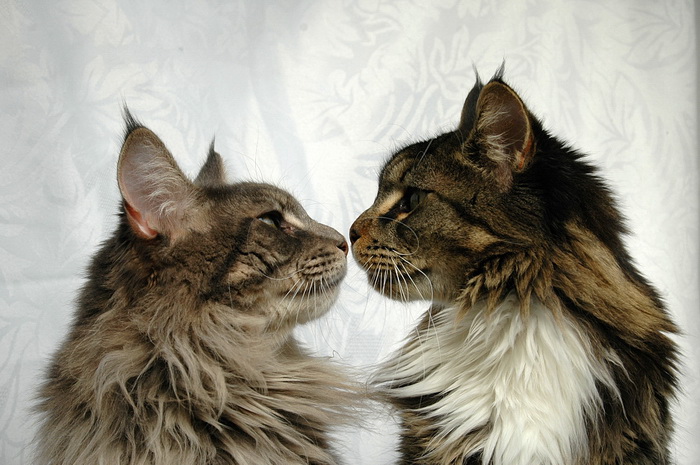
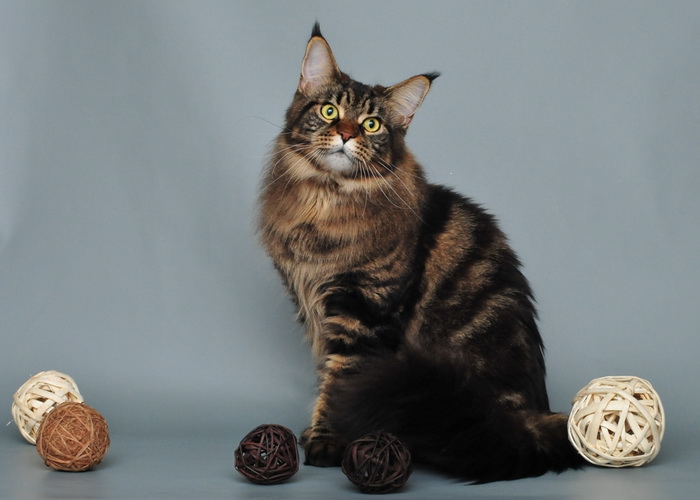
Photos of Maine Coon cats:
Read also:


Add a comment