
Love between cats and people improves health
A kind word pleases even a cat, as folk wisdom goes. The gist of it is that kind and affectionate words, warmth, tenderness, care, and attention are pleasing to everyone: both people and animals. And mutual love and heartfelt affection make both partners happy.
A wonderful example of tender, mutual love is the union between a person and their cat. Recently, scientists have discovered that the mutual affection between owner and pet has a beneficial effect on their health. By cherishing and pampering their beloved cat, the owner protects it from colds. And the gentle, sweet purr of a cat relieves stress and lowers blood pressure and heart rate in its beloved and affectionate owner.
Content
The owner's affection and tenderness strengthen the cat's immunity and health.
Australian scientists from the University of Queensland have proven that love, affection, and tenderness from their owner reduce the risk of acute respiratory infections caused by various bacteria and viruses in purring pets.
It's a long-held belief that a loving owner should devote a lot of time and care to their cat. Unfortunately, there are also those "negligent" owners who keep their pets as living toys for themselves or their children. They treat their kitties like objects, giving them no attention or affection, justifying their behavior by claiming that they are independent and don't need affection. Such people are deeply mistaken.
Science has confirmed the direct relationship between a cat's health and its owner's attitude. Simply put: good and gentle treatment means your kitty will be happy and healthy.
A study by the University of Queensland has shown that cats that are showered daily with affection and affection from their owners are less susceptible to colds and some other viral diseases.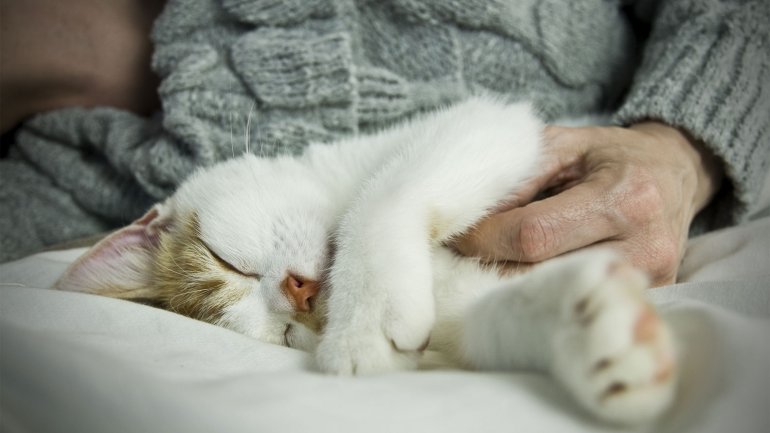
Similar scientific hypotheses have been put forward before, but few veterinary scientists have confirmed them in practice. The results of the Australian study were published in the monthly journal Preventive Veterinary Medicine.
Scientists' experiment
To confirm or refute the link between a cat's health and its owner's attitude toward it, Australian scientists from the University of Queensland conducted an intriguing experiment. Ninety-six cats rescued from the streets participated. The scientists divided them into two control groups to assess both the psychological and physical well-being of each pet at the end of the study.
At the beginning of the study, all the cats participating in it showed signs of joy, happiness, and good health. The scientists wanted to find out whether the animals would maintain this good condition at the end of the study. This was the goal of the experiment.
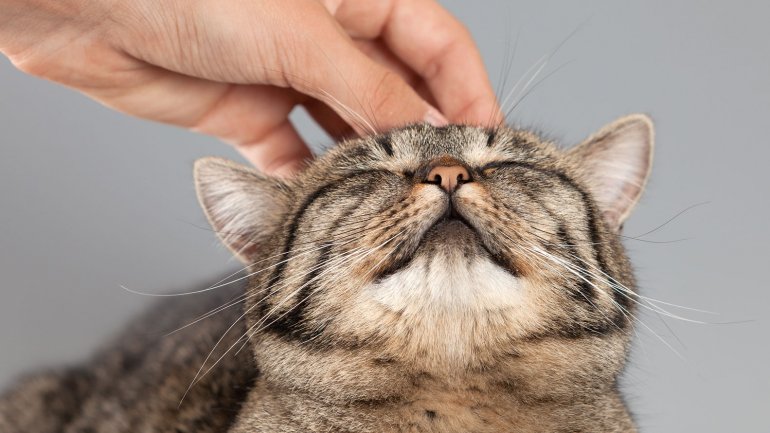
- The first control group of the study consisted of 47 pets. According to the study plan, they were to be gently petted, caressed, and pampered. Each cat was petted and caressed four times a day for 10 minutes by the same person.
- The second control group of the study included 49 pets. They were groomed like the cats in the first control group, but were not petted or stroked.
The more gentle the treatment, the healthier the whisker.
Conclusions from the experiment
The experiment yielded the following results. The cats in the first group, who were treated with affection and given plenty of attention, remained in excellent spirits by the end of the study. They also avoided colds or had milder colds during the study. For example, 17 of the 49 cats in the second control group developed complications from their acute respiratory infections, while in the first control group, where the pets were constantly petted, only one cat developed complications from their acute respiratory infections.
In addition, in the blood of the “spoiled” and “petted” cats and dogs of the first control group, an increase in immunoglobulin A was observed, which is the initial barrier to the penetration of viruses and bacteria into the body.
The veterinary scientists who conducted the study spoke about its results and gave their assessment of them.
One of the study's leaders, veterinarian Nadine Gaurkov, states: "We found a strong link between the positive emotions cats received from being treated affectionately and their excellent health."
Meanwhile, her research colleague Clive Phillips notes: “The domestic cat reacts psychologically and physiologically to the treatment of its owners.”
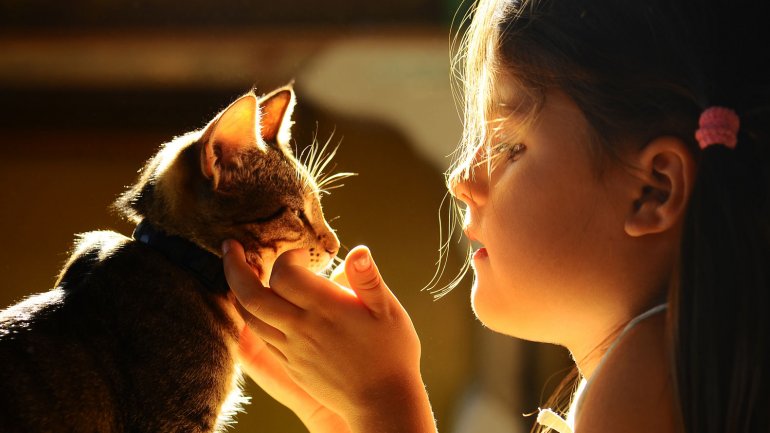
Scientists have promised to continue their research on this issue and plan to find the most effective ways for owners to express affection and warmth toward their kitties. It will be interesting to follow this research and learn which caresses and gentle gestures are most beneficial for a cat's health: scratching behind the ears, stroking the back, or something else? We'll wait for further results.
A cat's purr reduces its owner's stress, blood pressure, and heart rate.
Affection, tenderness, and warm words make a cat happy and strengthen its immune system, while the owner receives many positive emotions from communicating with the pet and also becomes physically healthier.
The fact that affectionate interaction with a beloved cat improves human health was scientifically confirmed by Karen Allen, a doctor of veterinary science at the State University of New York at Buffalo. In her research, she concluded that when petting, stroking, nurturing, and cherishing a pet, the body produces endorphins, the feel-good hormones. Endorphin production reduces stress, blood pressure, and heart rate in humans.
"People view pets as a lifeline and a loyal companion. It's now clear that affectionate interaction with animals strengthens the human cardiovascular and nervous systems," Dr. Allen emphasized.
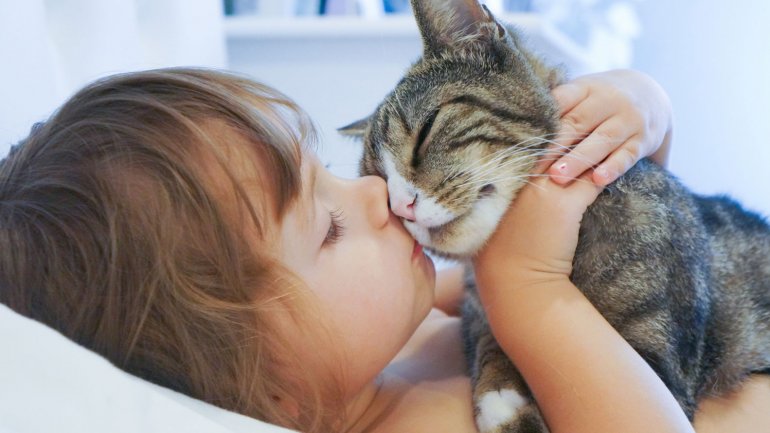
Research has shown that the love between people and cats warms them, makes them happy, and reduces the risk of various illnesses. Cats fill a person's home with joy. And people shower their whiskered companions with love and care. For this reason, many refer to cats as "healing animals."
Translation by O. V. Ryndina
Read also:


Add a comment