
Giardia in cats: symptoms and treatment
Does your cat have a good appetite but is losing weight? Does it have frequent diarrhea and intestinal upset? These are all signs that your pet has been infected with giardia and requires treatment.
Content
Giardiasis in animals
Giardia cati, a specific genus of giardia, causes this disease in cats. Unfortunately, giardiasis affects not only stray cats but also domestic cats. Kittens and young animals are most susceptible. Giardia enters a cat's body through contaminated food and water, due to the parasite's unique habitat.
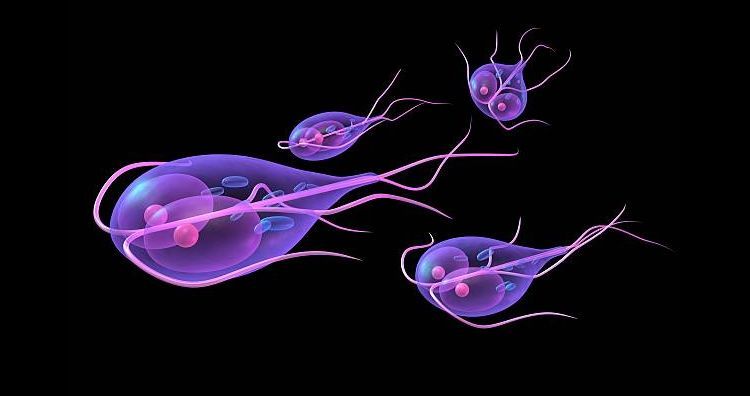
Giardia exists in two forms: the trophozoite (vegetative stage), for which the intestine is an ideal habitat; and the cystic stage, an invasive stage adapted to unfavorable environmental conditions. Cysts can reside in the large intestine, are excreted into the environment with feces, and remain dangerous to animals for a long time. Cysts thrive in soil and tolerate low temperatures well, but do not survive boiling or desiccation.
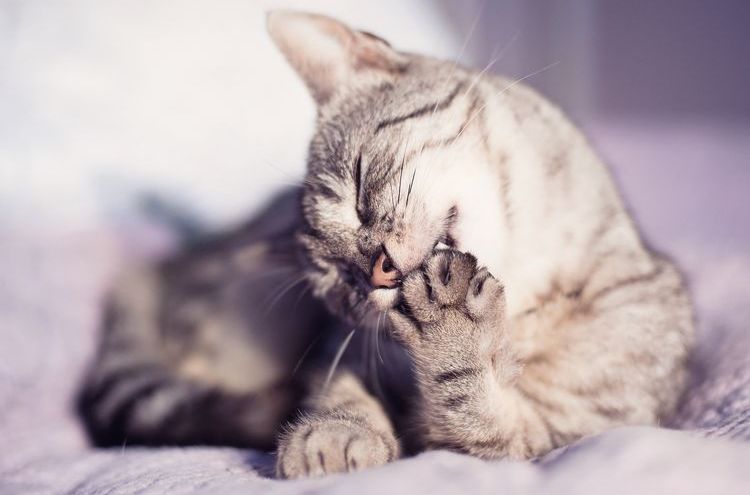
In addition to the food route, there is a risk of infection parasites It's practically impossible to transmit giardiasis from a sick animal, but it's practically impossible to transmit it from a human (owner). Firstly, the disease in humans is caused by a completely different type of parasite, and secondly, people have significantly higher levels of hygiene than animals. Cats often become infected with giardiasis by licking their own paws after using the toilet.
Once in the body, the cysts come to life. These parasites are anaerobic organisms, meaning they don't require oxygen to survive. The moist intestinal environment and the host's digested food are vital for their survival. Giardia attach themselves to the villi of the small intestinal wall with their suckers and begin to parasitize, reproducing by division. The highest concentration of parasites is found in the duodenum.
Symptoms of Giardia in Cats
Once ingested by a cat, giardia doesn't immediately manifest itself. Until the parasite concentration reaches its peak, owners aren't even aware their pet is sick. It also happens that a cat's immune system is so strong that it can fight off the parasite on its own: according to studies, about 15% of stray cats infected with the parasite experience no discomfort.
The first symptom of giardiasis is foul-smelling diarrhea. The stool initially becomes soft, then watery, often with a greenish tint. In advanced cases, blood may appear in the stool. Appetite remains. If left untreated, giardia can cause allergic reactions in cats and also lead to a deficiency of fatty vitamins, ultimately leading to dry skin and hair loss.
The danger of disease for a cat
By parasitizing the walls of the small intestine, Giardia cati disrupts its epithelium, provokes secretory and motor dysfunction, prevents the absorption of carbohydrates, fats, and proteins, and nourishes the body with the products of its vital activity.
The more parasites in an animal's intestines, the more likely it is that microerosions will appear on its walls. This results in frequent inflammation and avitaminosisSevere forms – mechanical obstruction of the pancreatic and hepatic ducts, secondary disease – pancreatitis.

Diagnostics
If giardiasis is suspected, a stool sample is required. Depending on the freshness of the sample, both live trophozoites and cysts can be detected. A diagnosis can be made even without microscopy using a rapid test. This test is based on antigen detection, and results are available in just 10-15 minutes. The parasite can also be detected through a blood test that detects giardia DNA.
How to treat
Upon noticing symptoms of the disease, the owner immediately begins to consider what to do: whether the cat can be treated at home or whether it urgently requires professional help. It's important to remember that Giardia cati is not a helminth. Treatment of the disease often requires the use of antibiotics, enterosorbents to remove toxins and probiotics to restore intestinal microflora.
Most often, treatment is with metronidazole for 5-7 days. Sometimes veterinarians prescribe fenbendazole, tinidazole, or furazolidone. Repeated courses are common in cats. After treatment, repeat testing is performed. In advanced cases, the cat requires maintenance vitamin therapy for a month.
Prevention
Throughout the treatment period, thorough disinfection of the cat's living space is necessary. Daily cleaning is especially important if the house contains kittens and older cats. Use chlorine bleach to clean surfaces, and wash bowls and litter boxes only with boiling water, keeping in mind that Giardia cati cannot withstand high temperatures. Dirty human hands can also be a source of reinfection. It's also important to remember that Giardia cati thrives in a moist environment, so the drier the house, the lower the risk of reinfection. Indoor cats should be restricted from outdoor activities during treatment.
Although the risk of infection of a person from a cat is minimal, such a possibility still exists, therefore it is important to limit contact with a sick pet of people with oncological diseases and immunodeficiency.
Forecast for the future
If you recognize the symptoms and begin treatment early, ridding your cat of parasites is easy. Otherwise, giardiasis can be fatal, especially in older or very young pets. The key to success is regular examinations and treatment under the supervision of a veterinarian.
Read also:
- Anthelmintics for cats
- Roundworms in cats: symptoms and treatment
- Can a person become infected with worms from a cat?


Add a comment