
Big-eyed dog: breed
You really liked the little, big-eyed dog in the photo and can't stop thinking about getting one like that at home. We'll tell you what breeds have big eyes and where the line between normal and abnormal is.
Content
Big-eyed dog breeds
I think you've already realized that a "bulging-eyed dog" isn't a breed, but rather a characteristic shared by members of various breeds. Moreover, a single litter can produce both a bulging-eyed puppy and a normal puppy without this curious characteristic. Unusually large-eyed dogs are most common among small and medium breeds. We present to you the top 5 large-eyed dogs.
Chihuahua
Most often, the term “little bug-eyed dog” is used to describe representatives of this breed, which is also called the Mexican dog, because the ancestors Chihuahua originally from Mexico.
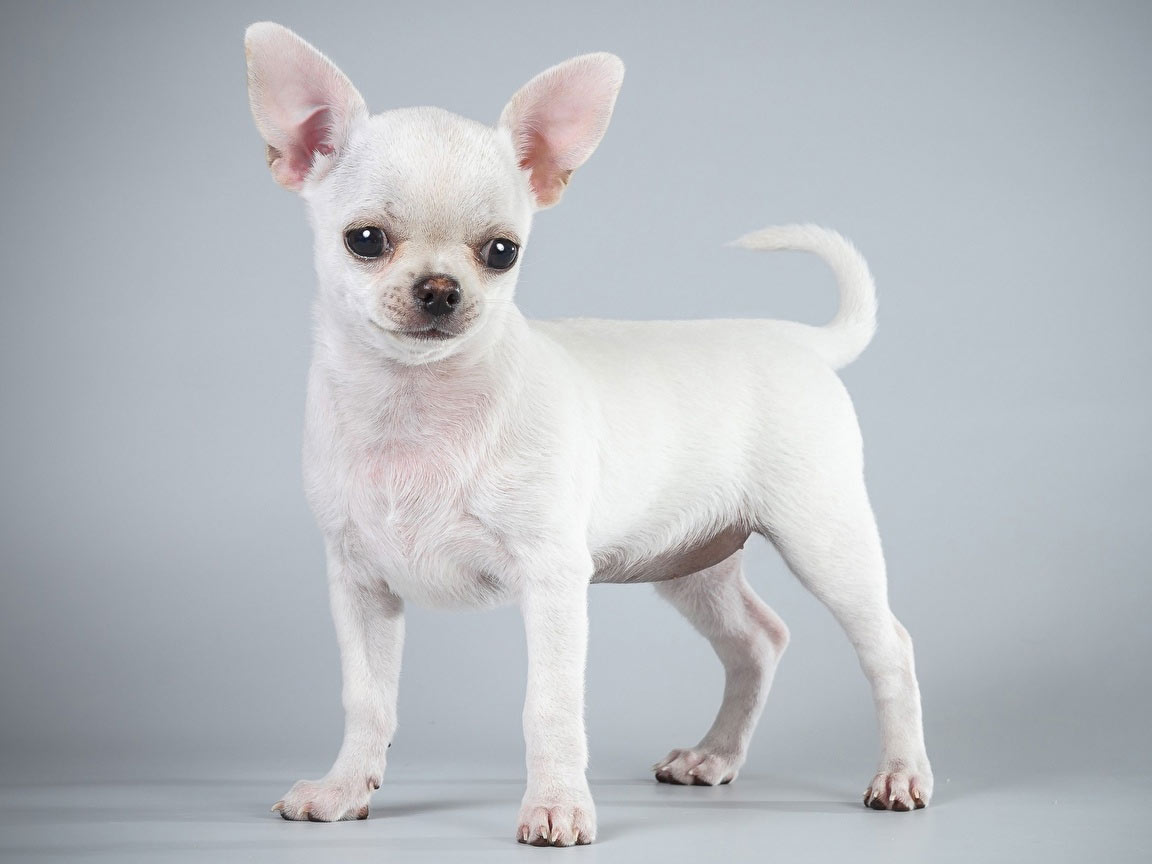
Chihuahuas have a well-proportioned body and compact size. The standard specifies a weight range of 1.5 to 3 kg (height is not important), although among the popular "mini" breeds today, there are dogs weighing less than 1.5 kg (some even weighing 500-800 grams). It is among these tiny dogs that bug-eyed dogs are most often found.
It's worth noting that smooth-coated kittens with bulging eyes and light-colored fur look more striking. The contrast between the dark eyes and the sandy or white color creates the effect of additional volume.
Compare how different the short-haired and long-haired representatives of the breed look.
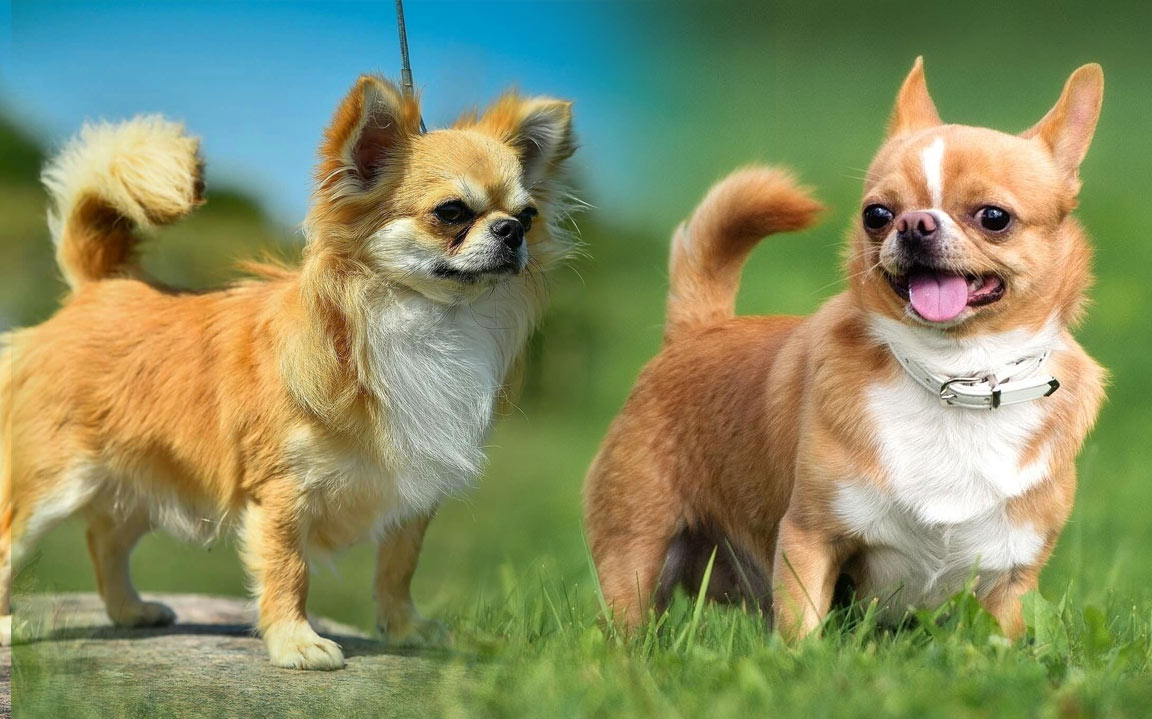
Advice! If you're definitely looking for a small dog with big eyes, buy a fully grown puppy when you can fully appreciate its future appearance. At two months old, most Chihuahua puppies look small and big-eyed, but as the dog matures, this appearance may fade in standard-sized dogs.
Pekingese
Beady eyes are also a distinctive feature of the Pekingese. This eye-catching breed originated in ancient China and boasts thick, long fur, a cute, flat face, and an expressive gaze. Emperors once prized Pekingese for their resemblance to lions, which are considered to have special qualities in Chinese culture.
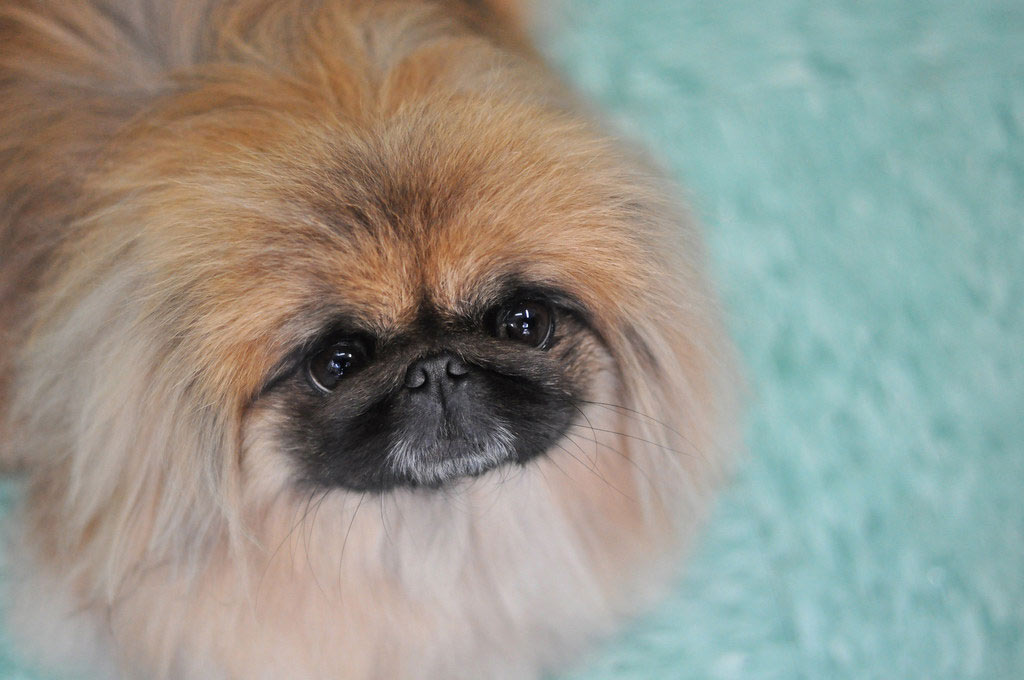
The standard does not differentiate between “mini” and “standard”, but in recent years small, pop-eyed Pekingese dogs, called “sleeve dogs”, have become popular.
The weight of a standard representative of the breed normally varies from 3 to 5 kg, and miniature ones Pekingese can only grow up to 3 kg.
Important! A puppy's miniature size as an adult can only be guaranteed after it reaches 8 months of age. Promises of light weight and beautiful, big eyes when selling puppies at 2-4 months are nothing more than a marketing ploy on the breeder's part!
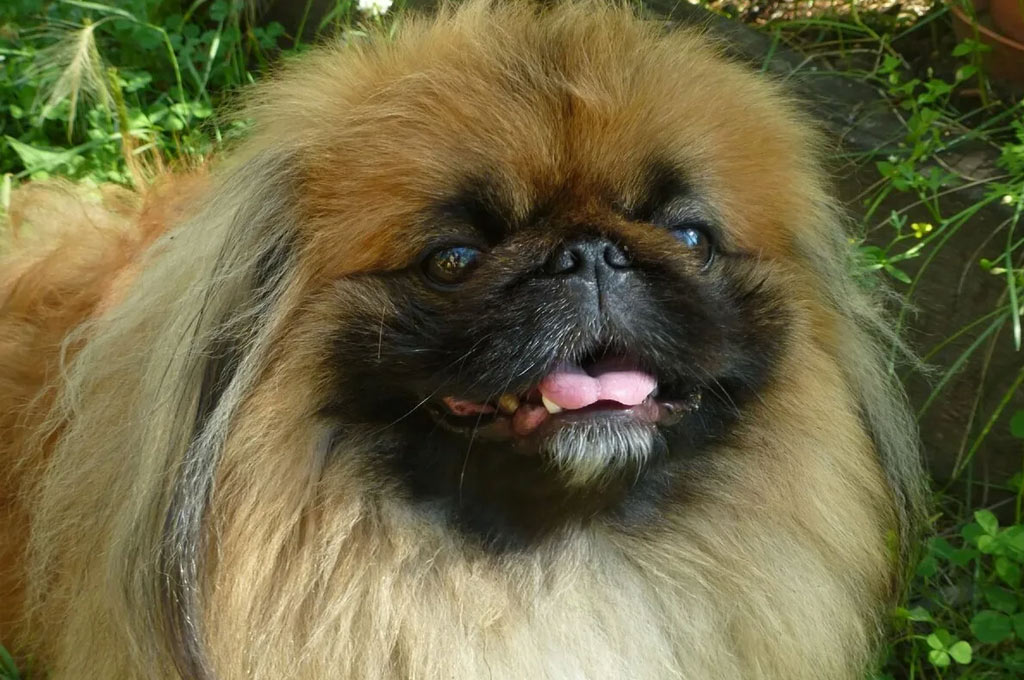
A small, pop-eyed dog may well grow into a standard dog, whose eyes will be difficult to find under the thick fur, as in the photo.
Pug
This adorable, big-eyed dog gained incredible popularity after the release of the film "Men in Black," although its history is quite long and the breed originated in China. These charming, stocky, and sturdy little fellows are perhaps the perfect example of a "big-eyed" dog, as the Pug breed is naturally protruding, which, many say, gives them their charming appearance.
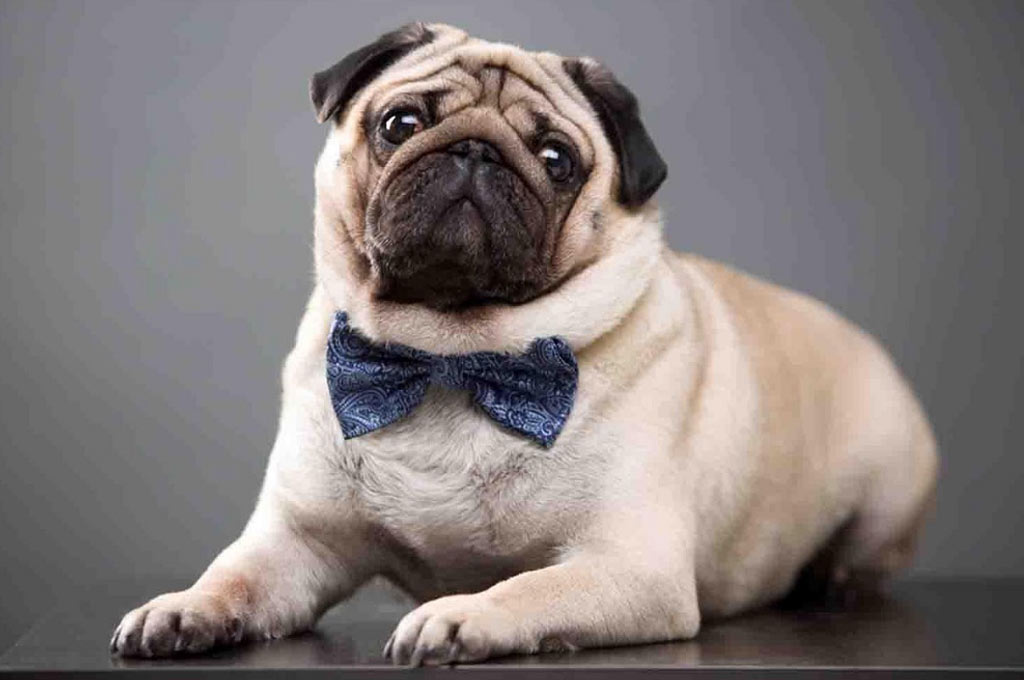
The standard specifies large, round eyes, set wide apart and in line with the nose. Light, small, almond-shaped, or close-set eyes are considered a significant fault. pug can reach 7 kg.
There are three different types of pug exteriors:
- terrier (classic);
- bulldog (wide boned);
- Shar Pei (with an abundance of folds);
- lo-shi (crossed with Pekingese);
- chops (crossed with chihuahuas).
This big-eyed dog looks especially impressive in a sandy (beige, mask) color, although the standard also includes other colors: apricot, silver, black.
French Bulldog
Among the representatives of medium-sized breeds, the most bulging-eyed are French bulldogThese sturdy fellows can grow up to 14 kg, but, like pugs, almost all members of the breed have large, expressive eyes, regardless of size.
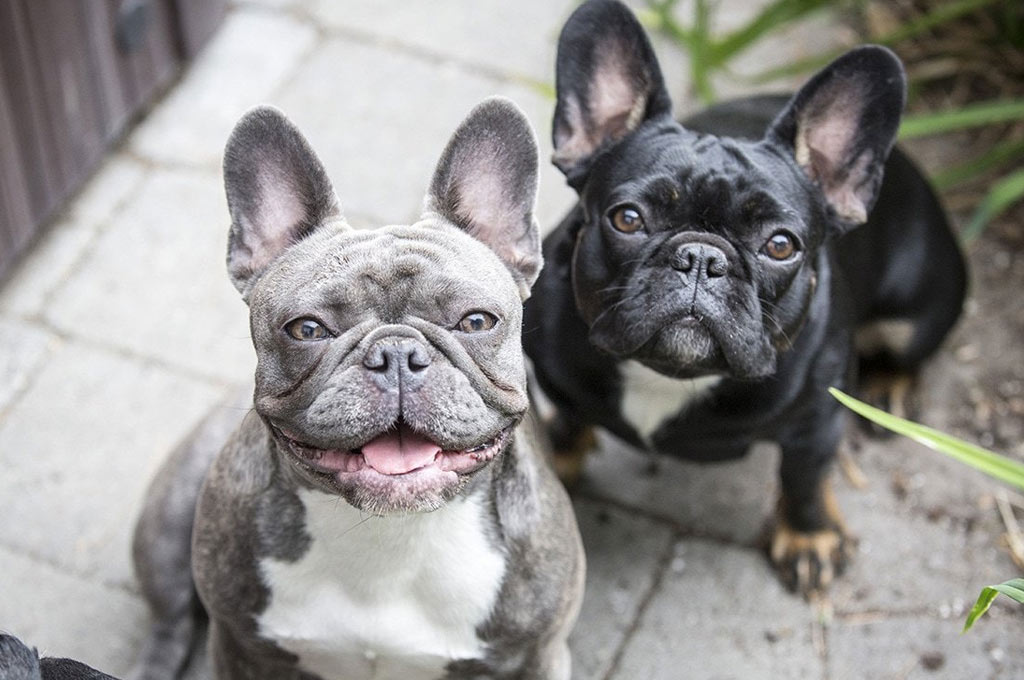
There are several color options according to the standard:
- fawn (the most popular);
- red (solid color or with a mask);
- brindle;
- white (not allowed for breeding).
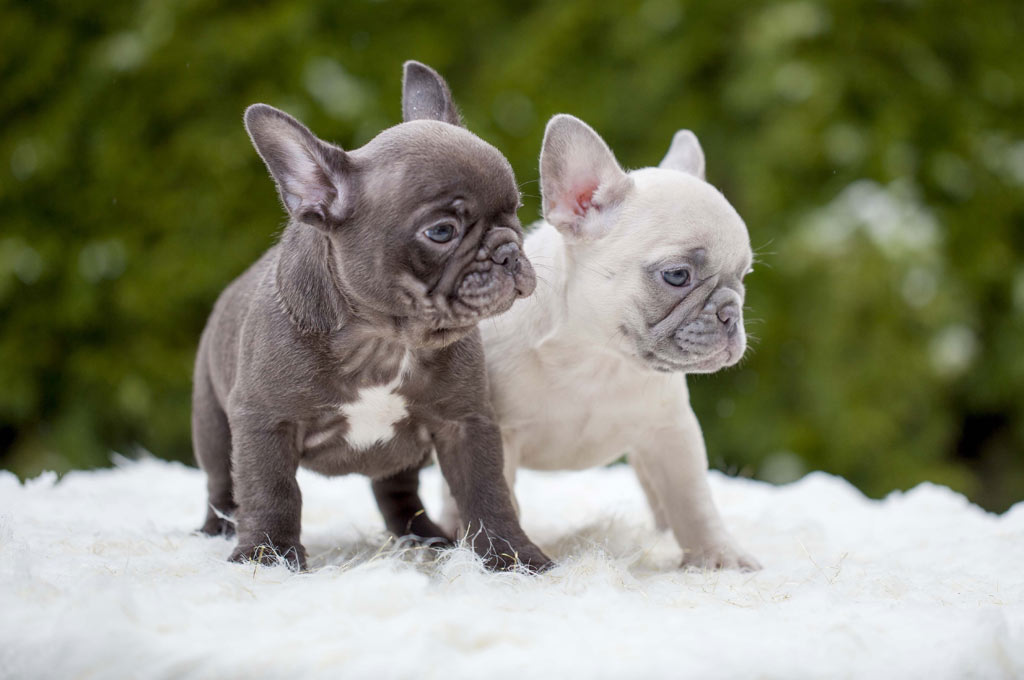
Important! The Miniature Frenchie, or Mini-French, is another myth born of the increased demand for small dogs. However, you can find numerous online ads promising that an adult dog will weigh no more than 4-5 kg.
The standard states that the weight of French Bulldogs can vary between 9 and 14 kg, so underweight "minis" cannot be shown and should not be used for breeding.
Cavalier King Charles Spaniel
A decorative variety of English Toy Spaniels, with a striking appearance and large, wide-set, bulging eyes that give the muzzle an intelligent, unusually inquisitive look.
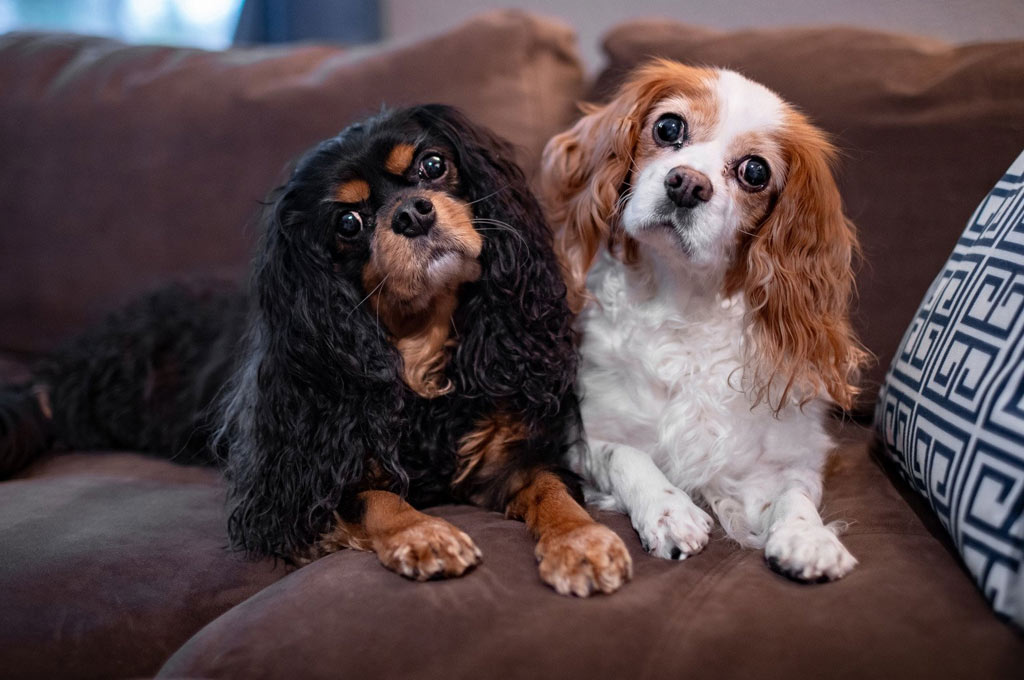
King Charles – a medium-sized dog. On average, this breed grows to 5.5-8.2 kg, but, like many other breeds, there is a demand for compact puppies.
Color varieties:
- ruby;
- black and tan;
- Blenheim (Blenheim);
- tricolor.
Please note that in Blenheim and Tricolor puppies, white spots around the eyes or on the ears are considered a fault.
Exophthalmos – normal or pathological?
Many people are touched by photos of little bug-eyed dogs, as a small dog with big eyes looks very cute and unique. But in reality, when choosing an unusual puppy, it's important to understand the difference between breed characteristics and a pathology, which can be either congenital (caused by genetic disorders) or acquired (resulting from a medical condition).
Important! The photographs above depict healthy specimens of these breeds with large, expressive eyes.
If you carefully read the breed description and standards, you will see that almost all of them contain the phrase “pronounced protruding eyes are not allowed” or “eyes expressive, not bulging.”
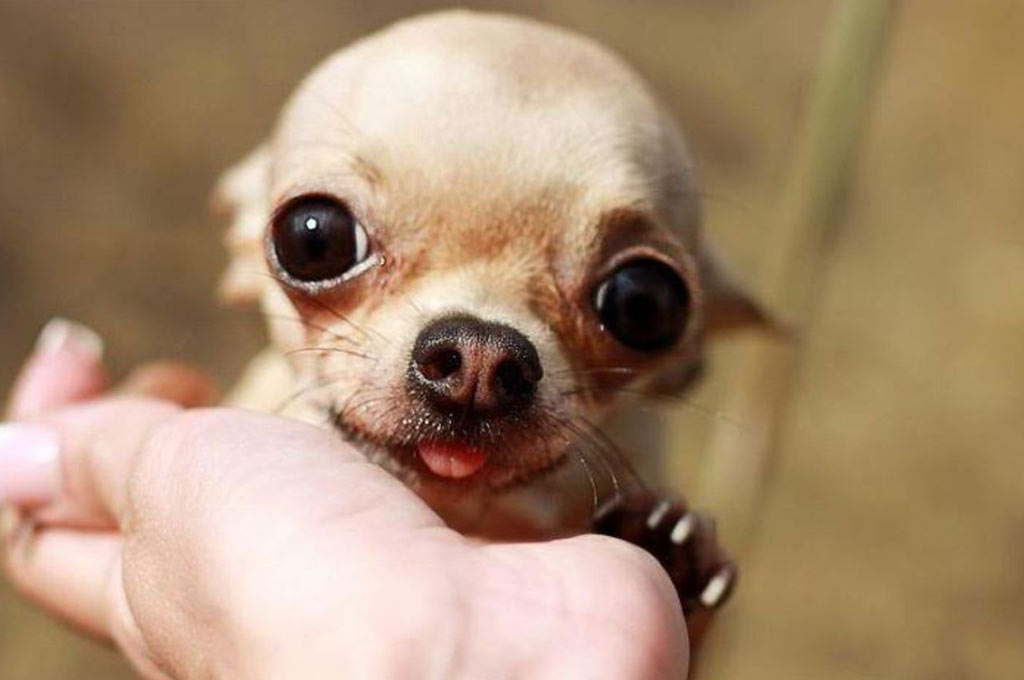
Pathological bulging of the eyes can be caused by such serious diseases as: hydrocephalus or exophthalmos:
- hydrocephalus – often found in dogs with the dwarfism gene and appears in the first 4 months of life, so it is recommended to buy such a puppy after 8-10 months;
- exophthalmos – protrusion of the eyeball, can develop at any age as a result of negative processes (glaucoma, inflammation, tumors).
That's why, if you want to buy a beautiful puppy with bulging eyes, you should contact specialized nurseries that will provide the necessary documentation for the baby, guarantee its health, and the absence of genetic pathologies.
Read also:


Add a comment