
The Best Cat Breeds for Kids: Top 10
The top 10 cats for children include photos and descriptions of the kindest, least aggressive breeds. These animals enjoy playing, bond quickly, and are highly devoted to their owners. They often make excellent caregivers, attentive and caring to children, alerting them to the slightest danger.
Content
Abyssinian
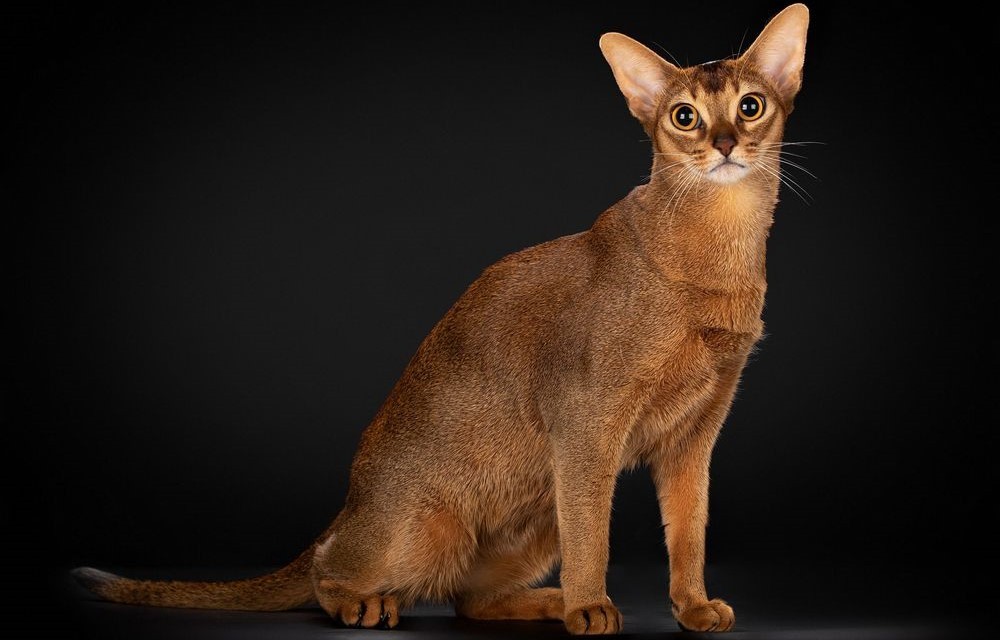
There's no better friend for a child! An Abyssinian loves active play and is constantly on the move. She'll race your child and be the instigator of mischief. Besides being playful and curious, this cat has an important quality: she never fights, preferring to hide in a secluded spot when in danger. Abyssinians are also not vindictive; when offended, they don't poop in your slippers or unsheath their claws.
Advantages:
- strong attachment to the owners;
- innate cleanliness, even to the point of cleaning up scattered toys;
- short hair that does not require additional care.
Flaws:
- excessive sociability;
- too much activity with constant jogging and conquering heights.
The breed's former name, "rabbit," perfectly reflects this cat's habits. This incredibly sociable pet even resembles a herbivore in appearance, thanks to its large ears and unique coat, clearly visible in photographs.
British Shorthair
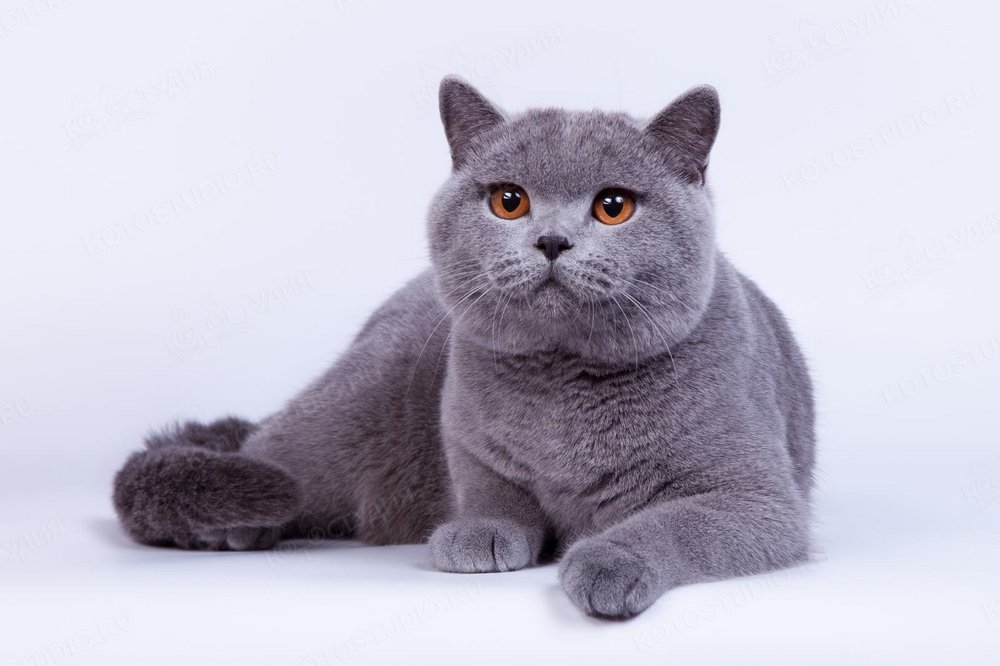
The cat is characterized as independent and reserved. But these qualities disappear when the animal interacts with children. British Shorthairs form particularly strong bonds with small children and remain loyal to them throughout their lives. It's fair to say that the child becomes a true British Shorthair's pet, caring for them day and night—sleeping, playing, and growing up with them.
Characteristic advantages of the British:
- charming appearance - looks like a plush toy;
- long-livers - with proper care they live up to 15-20 years;
- unobtrusive and slightly phlegmatic, not prone to aggressive behavior;
- It's easy to buy a purebred kitten in Russia—there are many breeders involved in breeding.
Cons:
- despite their short hair, they shed a lot;
- eat a lot;
- too independent - can't be petted.
When actively engaged in mischief, they often act as observers, but occasionally they revert to childish behavior and become incredibly funny. If their owners are away for a few days, the cat doesn't get too bored, preferring to get a good night's sleep and eat. A large appetite is the main problem with British cats, as they easily gain weight and are at risk of diabetes.
Maine Coon
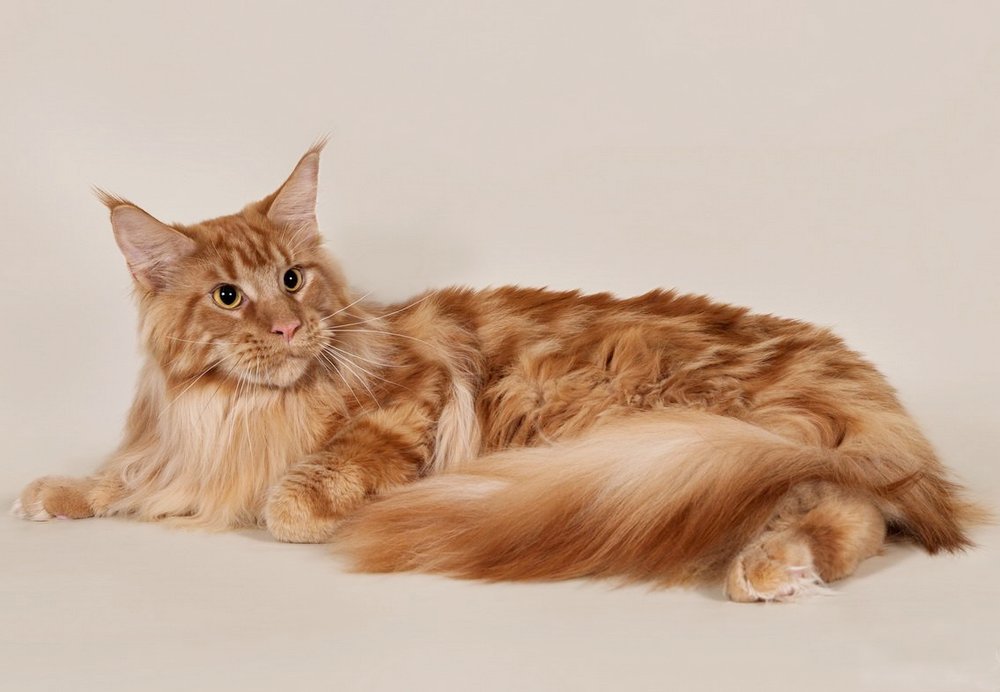
Despite its stern appearance, this enormous cat with tufted ears has an incredibly even temperament. This lynx-like creature quickly bonds with people, enjoys companionship, and demonstrates a highly developed intelligence. Even if handled roughly, it will not harm a small person. With young children, the Maine Coon acts like a nanny, and loves to play with older children. It is devoted to all family members and gets along well with other pets.
Advantages of a purebred cat:
- high intelligence;
- calm and sociable character.
Flaws:
- problems of keeping in a cramped apartment - the pet needs more space to play;
- size - a huge cat requires a lot of food to feed.
Maine Coons enjoy outdoor walks but are also active and playful in city apartments. Although the breed has long fur, it doesn't require much grooming—once a week of brushing is sufficient.
Ragdoll
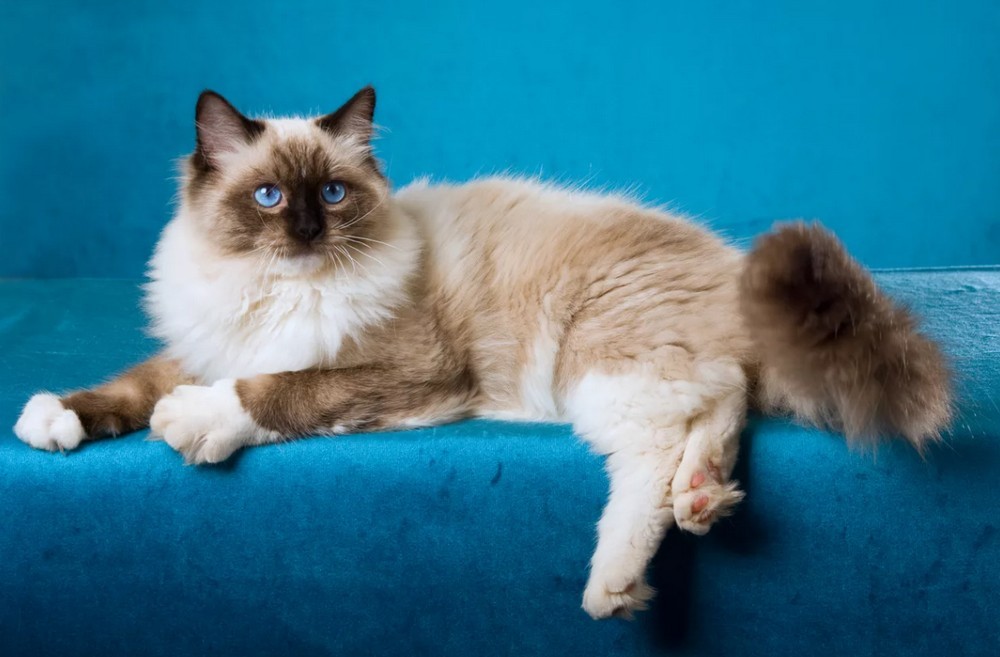
A friendly pet with a calm disposition is the best choice for a family with a small child. Bred to eliminate aggression genetically, Ragdolls are considered ideal nannies. However, it's best not to bring this kitten with very young children, who could inadvertently harm the pet by picking it up carelessly, hugging it too tightly, or dropping it from a height.
Pros of care and character:
- phlegmatic;
- easy to care for - the wool practically does not tangle;
- do not show aggression;
- They mature at 3-4 years of age, remaining kittens at heart for a long time.
Cons:
- high risk of serious injury when falling from a height;
- require periodic veterinary examination due to cardiovascular problems and joint diseases.
The Ragdoll is a clean freak, but is terrified of water and hates baths. He finds it difficult to be alone and readily participates in children's pranks.
Canadian Sphynx
If you have a family member with allergies, it's best to get a hypoallergenic cat. The Canadian Sphynx, being hairless, doesn't cause skin or respiratory irritation. This breed was bred over a long period of time, gradually eliminating its aggressive nature. Therefore, it interacts well with other pets, has an affectionate nature, and is a suitable companion for children.
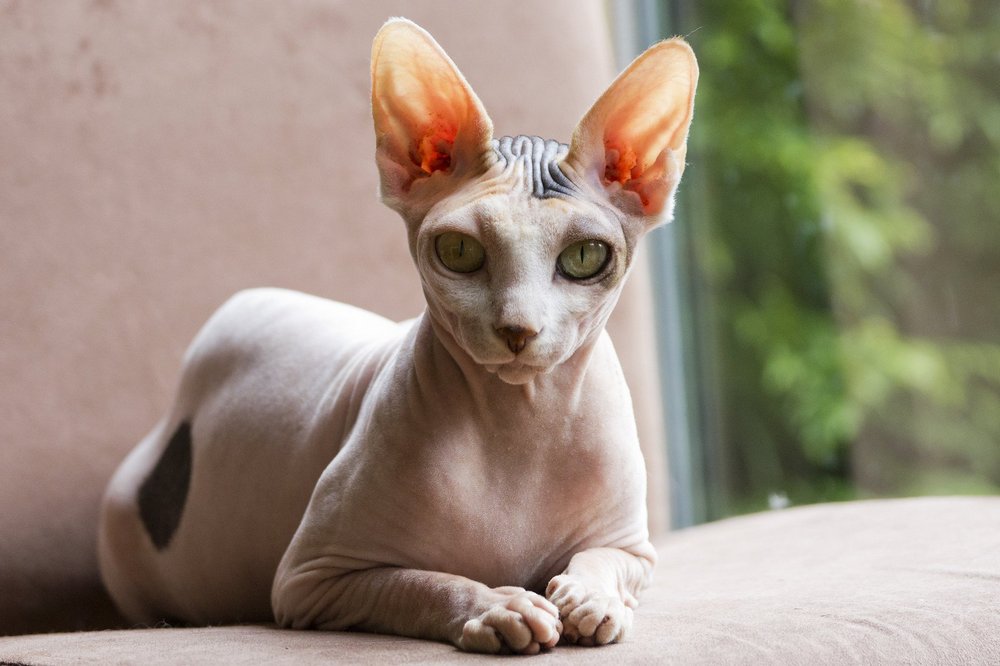
Advantages of the Canadian Sphynx:
- the breed is considered the most intelligent among cats;
- devotion to the owner reaches the level inherent in dogs;
- sleeps at night;
- can be trained.
Flaws:
- sweat a lot, leaving dark stains on the fabric that are difficult to remove;
- they eat a lot, gaining excess weight over the years;
- They are not independent and quickly die in street conditions.
Friendliness is evident in everything—a moderate curiosity, a desire to constantly interact with people, and a love of active games. They enjoy noisy company and are friendly with strangers. They lack a hunting instinct and are not territorial.
Oriental cat
Another incredibly active feline, for whom life is all about movement! They encourage any kind of play and get along well with children. They love affection and conversation—they make a variety of sounds, which their owners also appreciate. The Oriental can be a devoted friend, but they don't forgive betrayal. In the company of other animals, they exhibit leadership qualities, but never provoke conflict.
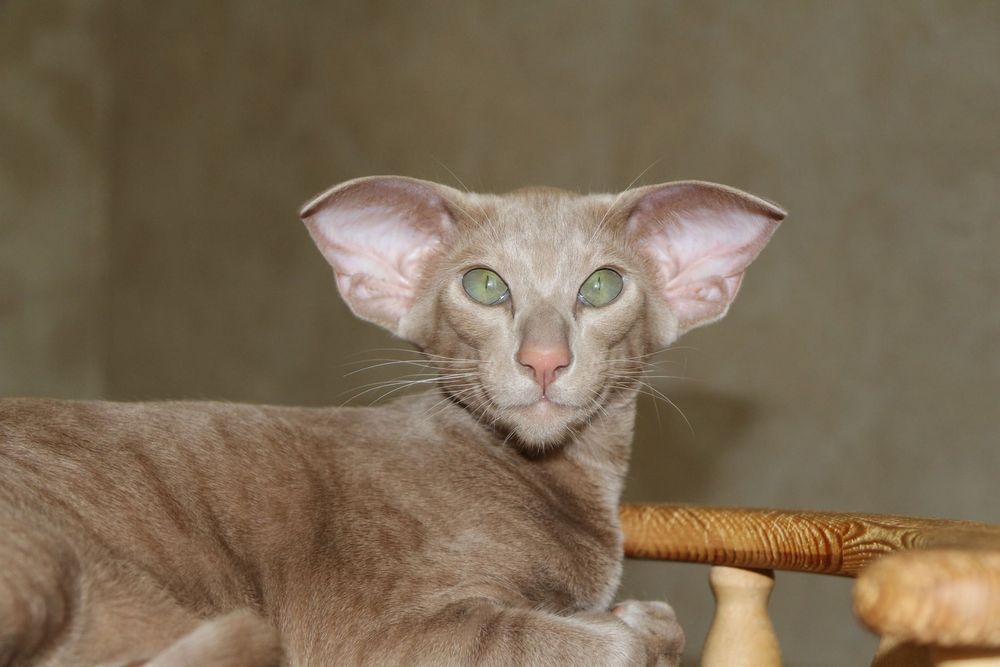
Advantages of a purebred Oriental:
- very smart and active;
- emotionally adapt to a person;
- love walks and get used to a leash easily;
- The smooth-haired coat has no undercoat, so there are no problems with shedding.
Cons:
- affectionate to the point of obsession;
- willful and difficult to train;
- high price.
Orientals are among the most expensive felines. Their price depends on their class—show-qualified kittens are valued at 65,000-120,000 rubles.
Neva Masquerade
This large, muscular cat requires affection and attention. It is highly attached to people and friendly with children. It is diligently protective of young children and emotionally attuned to its owner's mood. It is wary of strangers, but enjoys active play and participates in household chores.
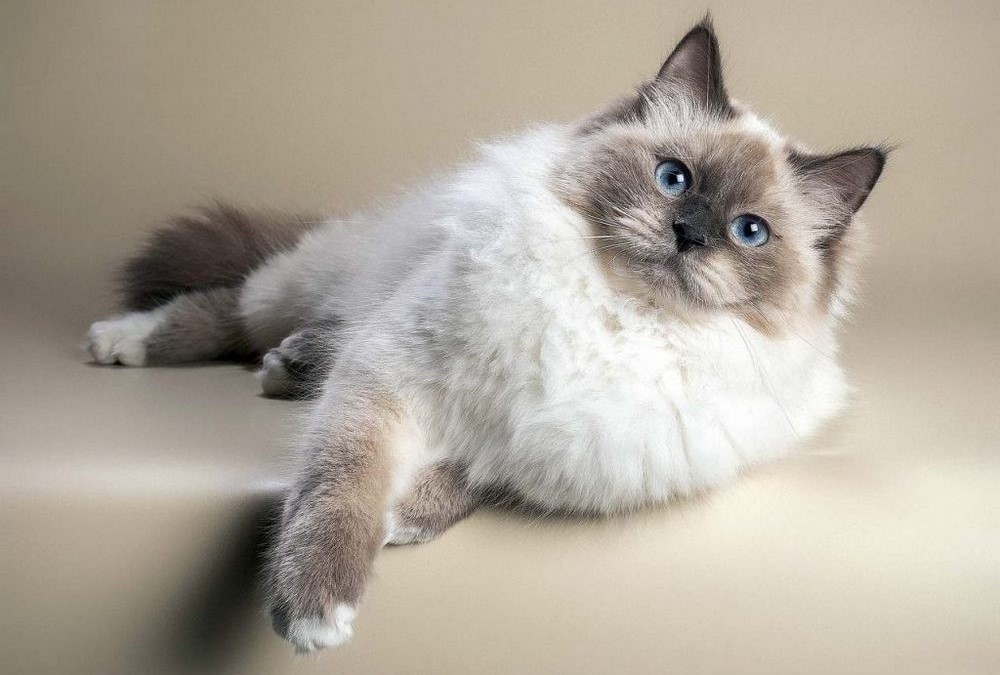
Advantages of Neva Masquerade:
- molting occurs only during the warm season;
- long life, excellent health;
- aristocratic appearance;
- very gentle and patient.
Flaws:
- not suitable for a cramped apartment;
- They hunt small animals, so they cannot be kept with rodents;
- The exterior is preserved only when crossing within the same breed.
The Neva Masquerade is the embodiment of patience and gentleness. She won't hurt a child and will comfort an upset owner. She loves to "talk," sitting on a lap and responding to questions with a purr.
Chantilly-Tiffany
The name perfectly matches the description of the coat—pictures online clearly show that the coat has a texture reminiscent of whipped cream. Chantilly-Tiffany cats are popular with people who prefer a calm and cozy environment. This pet loves comfort and is devoted to its owner. It gets along well with teenagers, participates in games, and does not conflict with other animals. It is more difficult to get along with young cats, as it is afraid of sudden movements and screams. Kittens are very playful, but as they grow older, their character becomes more even-tempered.
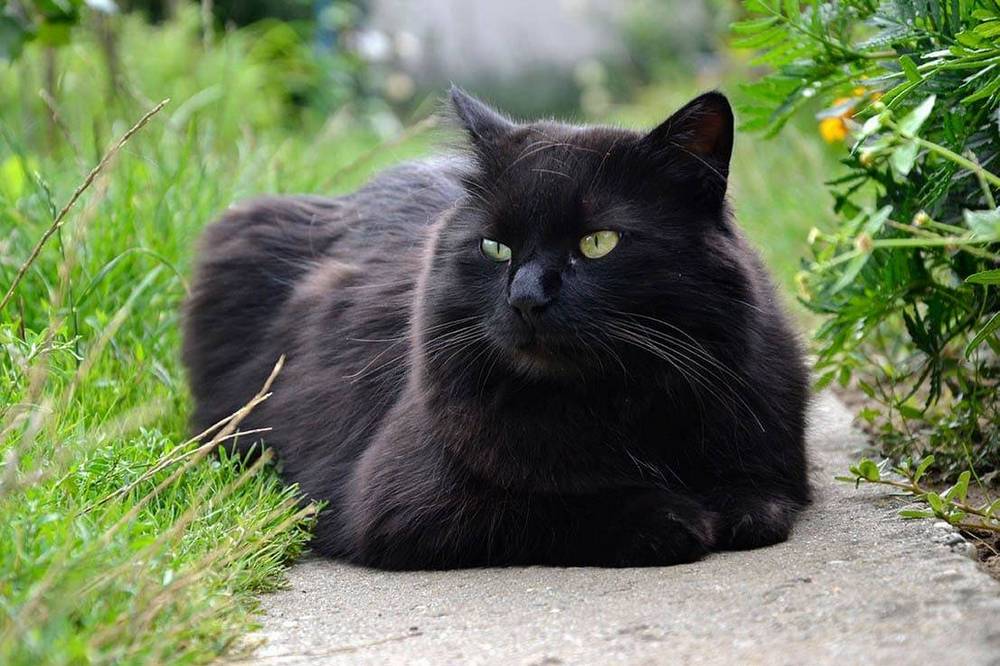
Pros of whipped cream:
- minor shedding;
- calm character and friendliness;
- have a good sense of mood;
- do not show intrusiveness.
Cons:
- does not tolerate loneliness well;
- In Russia, it is difficult to buy a purebred specimen.
For some time, the breed was on the verge of extinction due to the reluctance of some organizations to recognize its differences from the Burmese Longhair.
Cornish Rex
Unlike other breeds, the Cornish Rexes are highly trainable. Possessing incredible energy, Cornish Rexes demonstrate high intelligence. They require little grooming, so even an inexperienced person can adopt a purebred kitten. They enjoy playing, but if they become too intrusive, they prefer to retreat to a secluded corner. They are not aggressive toward dogs, but they eagerly hunt birds and small rodents.
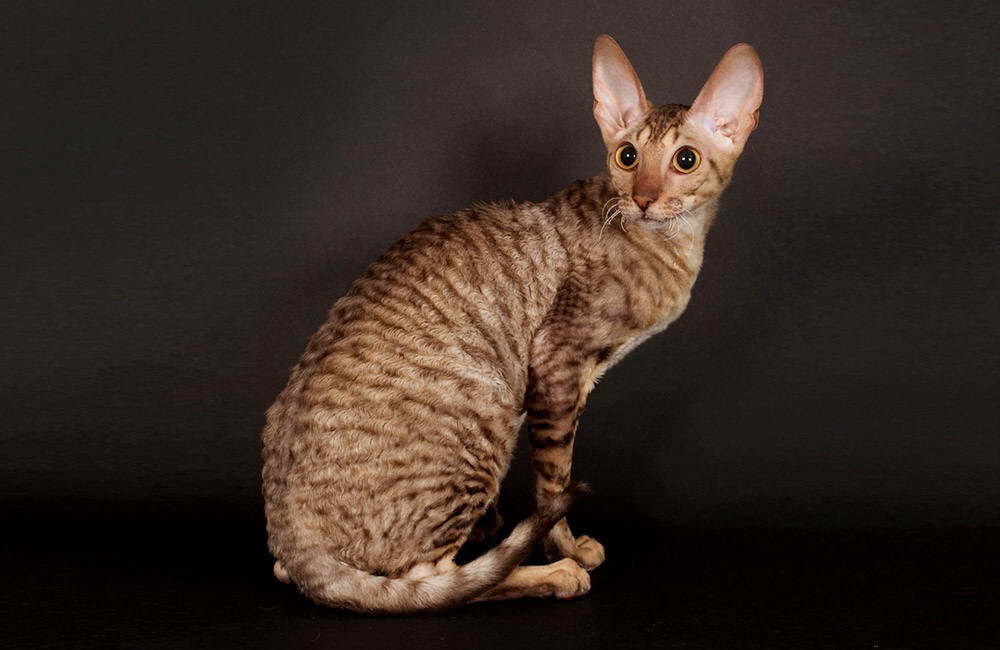
Advantages of the Cornish Rex:
- quickly establishes contact;
- long life expectancy;
- almost complete absence of shedding;
- affection for the whole family;
- high level of intelligence.
Flaws:
- often show obsession, demanding affection;
- may provoke allergies.
They are very close to their people and require constant attention. They retain a kitten-like personality into old age. They are known for their mischievous nature and the ability to leap very high and cover long distances, so a spacious apartment or private home is best for their care. They are not predisposed to genetic diseases, and their average lifespan is 18-20 years.
Toy Bob
Considered the embodiment of kindness and compassion, Toy Bobcats are so capable of sensing their owner's emotional state that they are often recommended for parents of children with autism. By interacting with this feline, the child can better understand the world around them. Toy Bobcats value constant human contact—they form an incredibly strong bond with their owners. They enjoy playing in company, but can easily find alternatives to play when their owners are busy. They are fearless and naturally curious, so they should not be left alone for long periods.
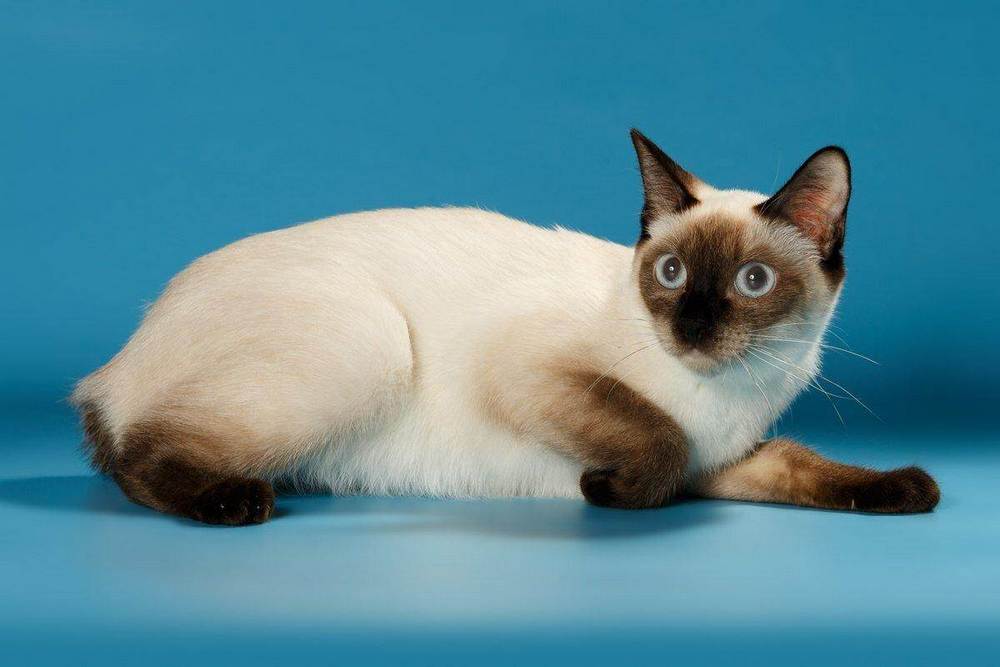
Benefits of owning a Toy Bobcat:
- miniature size;
- devotion and intelligence;
- lack of desire to mark territory;
- docility of character.
What are the disadvantages:
- absolute trust;
- fearlessness that reaches the point of absurdity.
They adore children and follow them everywhere, displaying canine devotion. They resemble dogs not only in their behavior but also in their voice—their meow is more like a short, staccato bark.
When choosing a cat for your family, it's important to consider traits such as friendliness, sociability, affection, activity, and curiosity. A video describing their behavior and basic living conditions will help you learn more about suitable breeds.
Read also:
- The rarest breeds of cats
- What are the largest domestic cats?
- Fluffy Cats: A List of Breeds in Alphabetical Order


Add a comment