
The best litter boxes for kittens
Choosing a litter box for a kitten is a simple task, but it's best to approach it wisely. Today, we've prepared an overview of all types of litter boxes for kittens, with their advantages and disadvantages. Domestic cats tend to groom themselves frequently and are somewhat squeamish. They dislike dirty bowls with stale food and water, as well as uncleaned and inconvenient litter boxes. They can be quite stubborn when protesting poor care. Therefore, even a kitten litter box, like litter, should be chosen with careful consideration.
Content
How to choose?
How to choose the right litter box for a kitten? Having studied the advantages and disadvantages of popular litter box models firsthand, professional breeders offer their advice on choosing litter boxes for kittens.
Basic recommendations: Decide in advance on the location of the toilet to select a tray of the appropriate size, and also select a container that is convenient for your pet to use:
- The sides are neither high nor low, so that it is easy for him to climb in and at the same time not to relieve himself outside the tray;
- Sufficient space for free placement;
- An open or closed toilet with a lid, depending on the character and size of the kitten;
- Avoid purchasing very light open trays: they can easily tip over;
- Take care of your own convenience: choose a toilet that is easy to wash and clean from litter;
- Remember that the best litter boxes for kittens aren't necessarily expensive, but don't expect much benefit from cheaper options either.
In pursuit of fashion trends and to make pet care easier, cat lovers are eager to purchase the much-touted self-cleaning litter boxes with automatic releases. Experienced breeders recommend using these litter boxes carefully. Without paying close attention to cleaning, it's easy to miss the possibility of digestive issues in your kitten.
Choosing the right litter box and its location can greatly affect the harmony and cleanliness of your home, and most importantly, your pet's well-being. Any model, regardless of price, can be the best litter box for a kitten. It's important that your choice doesn't harm you or your little pet. Remember, the most important criteria when choosing a litter box are convenience and the right size.
If your little furry friend finds the litter box uncomfortable, you'll have to spend a lot of time and effort training them to use it. And the more you force them, the more resistance they may experience. They'll start looking for a more comfortable place for their daily routine. Pets, like their owners, are very picky, and not every litter box will satisfy them. Several types of litter boxes have been developed to accommodate a variety of preferences.
Plastic tray with sides
The simplest and most popular litter box for a kitten is a durable, rectangular plastic container with sides.
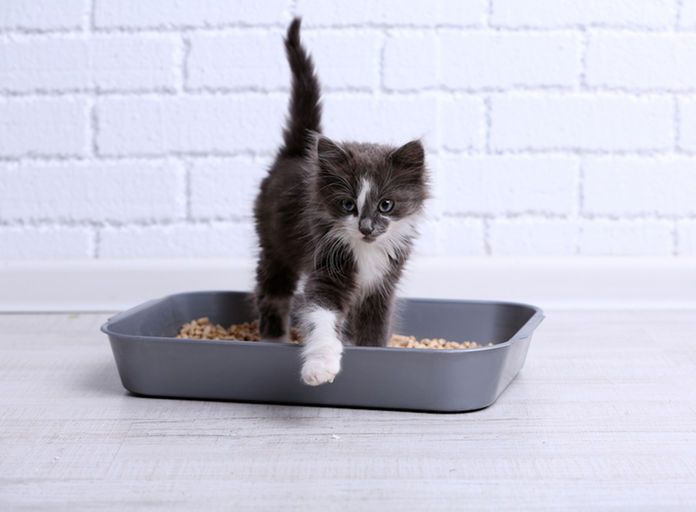
Advantages:
- Convenient for use by small kittens (suitable for toilet training, as they can easily climb into it);
- Low cost (if damaged and a stagnant, unremovable odor appears, it can be easily replaced with a new one);
- Quick change of filler (low thin sides do not create obstacles when pouring the contents into the toilet bowl or bag);
- Easy to clean (the open container does not need to be cleared of unnecessary parts and washed separately);
- Small size and weight (easy to carry and take on trips).
Flaws:
- Intensive burying of feces by a kitten leads to scattering of filler around the tray;
- The appearance of scratches on the material over time, which are difficult to wash off;
- Mandatory use of filler;
- Lack of odor retention properties.
A variation of the simple litter tray—a model with high, inward-curving sides—is more practical. This improvement prevents litter from spilling out. The drawbacks of this container are noticeable during cleaning: when shaking out the contents, pellets and pieces become lodged under the sides.
Plastic tray with mesh
The second version of the kitten tray is an improved version of the first.
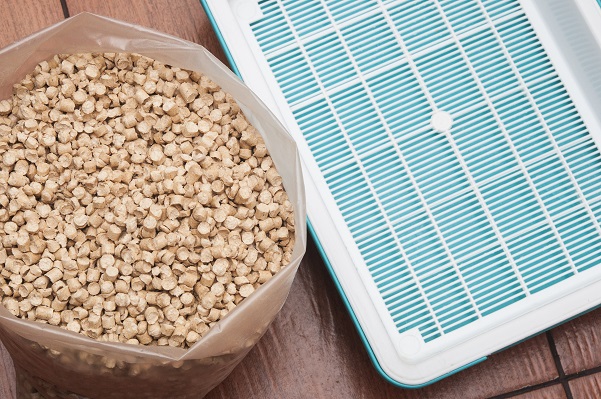
Advantages:
- The presence of a strong and durable mesh placed on the tray (the kitten stands on it and relieves itself, moisture flows through the holes to the bottom of the tray, and solid feces remain on the grid - cleanliness is maintained);
- Convenience for the owner when cleaning the toilet (the mesh, like the tray, is easy to wash under running water);
- The filler is poured into the tray and placed under the grate - kittens cannot reach it with their paws and cannot make a mess around the tray or taste the mixture).
Flaws:
- Without filler the tray does not retain odor well;
- It is necessary to wash the tray and mesh separately after each time the cat uses the toilet;
- When using a container with low sides, kittens often get dirty;
- Not suitable for those who like to dig in the litter and bury feces.
Kitten litter box with high sides
A litter box for kittens of different ages with high sides, which are often a separate structure and attached to the litter box at the edges.
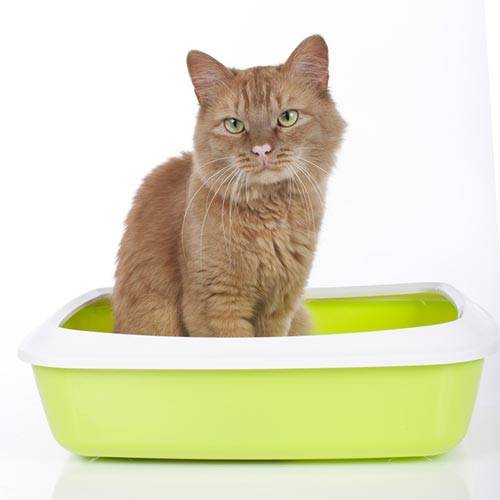
Advantages:
- When the kitten digs, the filler does not reach the edges, and therefore the area around the toilet remains clean;
- The tray is easy to clean;
- The height of the container allows you to pour in more filler, which somewhat solves the problem with unpleasant odor;
- A separate design (additional sides) allows you to place a bag or film in the tray, pour litter inside, and snap the sides shut. After using the toilet, the bag and contents can be easily removed and thrown away.
Flaws:
- Large size (takes up a lot of space);
- Due to the high and bulky sides, it is not very convenient for use by a small kitten; it is more suitable for older pets.
Tray with ventilation
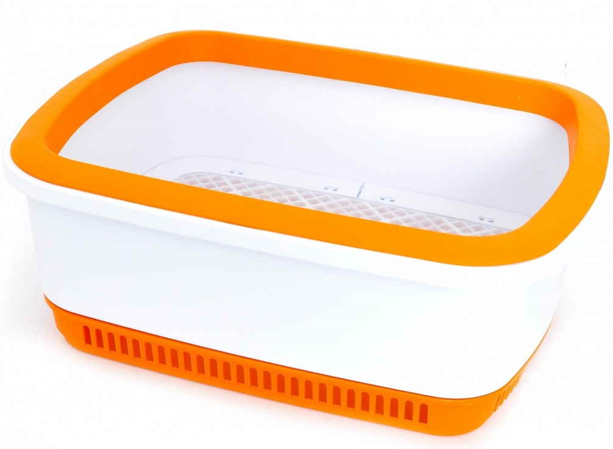
Advantages:
- The presence of a tray with holes through which air penetrates;
- Due to constant air circulation, the filler dries quite quickly;
- The smell is practically eliminated;
- It is an economical version of a bio-toilet.
Flaws:
- The kitten can drag the filler away with its paws;
- Unlike an automatic bio-toilet, it requires cleaning by the owner.
Closed toilets (house-trays)
Enclosed litter boxes (house-type litter boxes) are ideal for avid diggers and those who prefer privacy. Choosing the right model of this type of litter box requires careful consideration. Some options may even frighten your kitten, or make cleaning them difficult. These litter boxes come in a variety of sizes, and can be suitable for everything from a very small kitten to a healthy cat.
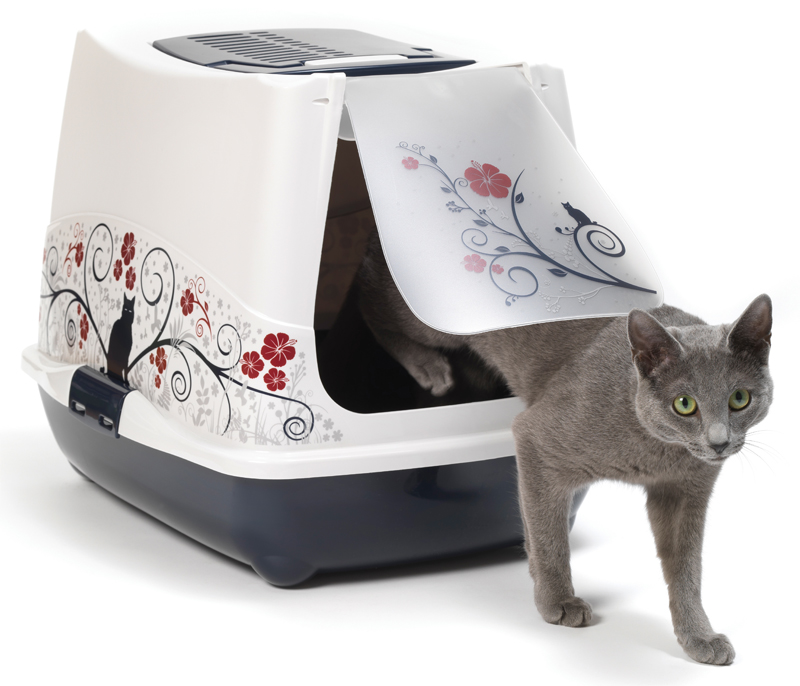
Advantages:
- Ability to contain the spread of unpleasant odors;
- Aesthetic appearance;
- The filler does not spill out;
- The toilet house is very popular with timid kittens or kittens that have recently moved in with new owners.
Additional advantages of popular models:
- Models with a transparent door have one advantage: it allows you to visually determine the time to change the filler;
- Some popular designs, called bio-toilets, have a carbon filter for air purification - the odor is completely concentrated inside and eliminated with the help of adsorbent wipes that absorb all the discharge;
- The original snail-shaped litter tray has an easily removable top for easy cleaning and is equipped with rough steps that “clean” the cat’s paws from stuck granules and crumbs;
- For placement in small spaces, corner models equipped with the necessary accessories are ideal;
- An interesting variation on cat litter boxes are trays built into cabinets, which can be matched to the color and tone of the overall interior, and which can also be used to store kitten care items on the top shelves.
Flaws:
- “Decent” price (not everyone can afford to replace it with a new model, so you need to approach the choice responsibly);
- Kittens may be afraid of closed toilets for a long time or perceive them as a resting place;
- In simpler models of such trays, not equipped with a filter, the smell is concentrated inside and intensifies when the filler, which takes a long time to dry, is rarely changed (the small pet will inhale the vapors of stale air every time it visits the toilet, or will start looking for another place to go).
Automatic bio-toilet
The automatic bio-toilet is an original self-cleaning design.
| Advantages | Cons |
| Complete elimination of pungent odors | High cost |
| Freeing the owner from the unpleasant moments of cleaning the litter box | A kitten may become frightened if it sees the cleaning process and stop using the litter box. |
| Self-disinfection that is safe for your kitten's health | It is necessary to ensure that the cartridges with detergent are replaced in a timely manner. |
| Possibility of use without filler | Some stand-alone units require connection not only to the water supply, but also to the sewerage system and electrical network. |
Read also:
- How to litter train a kitten
- Why do cats poop in their beds?
- Kitten Eating Litter: Why and What to Do


1 comment
Oleg
There is another option, the world does not stand still.
No picking, no washing, and no odor for 25 days. Just throw poop in the toilet as it appears.
This is a disposable Cat's Corner litter box. It's available on all marketplaces. Here's a life hack for you:)
Add a comment