
False Pregnancy in Cats: Signs and Treatment
Cats, like many mammals, can experience a false pregnancy. The causes are closely linked to the cat's psychological and physiological state. Understanding the situation and certain signs can help determine if the pregnancy is fake. Cat owners need to be aware of these signs to initiate treatment promptly and avoid any undesirable consequences for their pet's health.
Content
What is pseudopregnancy in an animal?
A false, imaginary pregnancy, or pseudo-pregnancy is a condition in an animal when fertilization has not occurred, but signs and symptoms characteristic of a normal pregnancy are present.
As with pregnancy, the female begins producing sex hormones, sometimes milk appears, and her behavior changes. How long this period lasts depends on the animal's species and individual characteristics. For example, in cats, this period lasts about three weeks (rarely longer), in dogs it lasts 60-70 days, and in rabbits, up to 18 days.
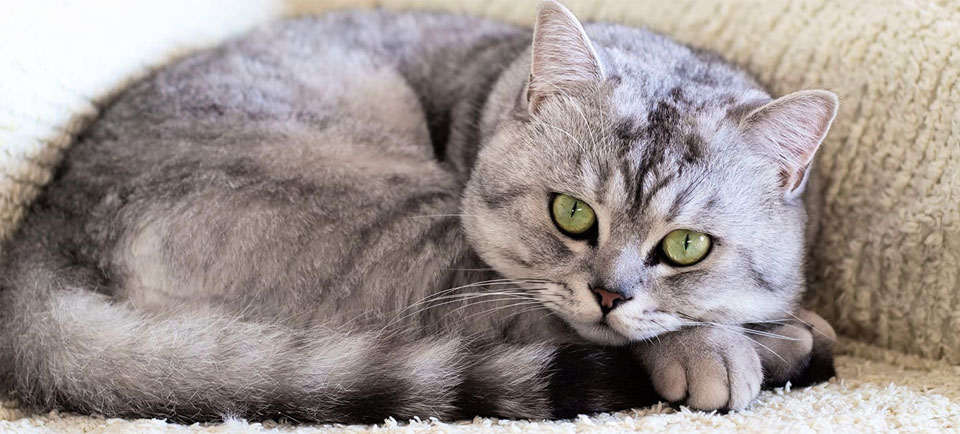
Note! Pseudopregnancy is less common in cats than in dogs, but it is possible and requires owner intervention, as it is accompanied by certain changes in the body.
If no treatment has been administered previously, it is now recommended to give the animal sedatives and hormonal medications to eliminate the negative impact on physiological processes.
About the causes of occurrence in cats
A pregnancy-like condition can develop in unspayed females of any breed, but some are predisposed. According to statistics, Orientals, Cornish Rexes, and Sphynxes are more likely to be affected (approximately 15%), and this condition is hereditary. In this case, such an individual is not used to produce purebred offspring.
The main reasons contributing to the development of pseudo-pregnancy include physiological and mental disorders.
Physiological
Most often, this situation arises due to an unsuccessful mating ("it didn't work out," the cat is sterile or sick), meaning fertilization did not occur during mating. However, prolactin and estrogen (sex hormones) were released, the corpus luteum formed, and the cat's body was primed for pregnancy. This is why the classic symptoms of pregnancy appear, which will disappear after the corpus luteum resolves. There is no estrus during this period.
Failed mating does not necessarily result in a false pregnancy. This depends on the individual characteristics of the female.

Other factors:
- A hormonal imbalance. It occurs in adulthood and with endocrine disorders such as diabetes, obesity, and thyroid disease.
- Congenital pathologies of the reproductive organs. These include various inflammatory processes of the uterus and ovaries, polycystic ovary syndrome, fibroids, endometritis, and others.
- Genetic predisposition. If diagnosed, sterilization is performed early.
- Chronic diseases.
- The heat ends and ovulation does not occur.
Note! In rare cases, a false pregnancy may appear within 3-4 days after sterilization (ovariohysterectomy). It will resolve spontaneously within 10-14 days.
Psychological
Understanding that the cause is related to the cat's mental state is more difficult, since it is not always possible to isolate a specific factor.

Key factors:
- stress caused by a change of habitat, prolonged separation from a beloved owner, surgery, a visit to a veterinary clinic, etc.;
- There is a pregnant cat living nearby - observing her can lead to the appearance of similar symptoms.
To identify a psychological cause, it is necessary, having ruled out the presence of any disease, to analyze the behavior “before” and “after” some event.
How to tell if a pregnancy is false
During a false pregnancy in a cat, as with a real one, changes in behavior are observed, and a number of physiological symptoms characteristic of a pregnant woman appear.
Signs:
- aggression, nervousness, excitability;
- lethargy, apathy, drowsiness;
- sudden and unreasonable change of mood;
- unwillingness to contact a person or, conversely, an increased need for communication;
- finding and arranging a secluded corner;
- carrying kittens' objects (socks, small toys) in their teeth and licking them;
- mucous vaginal discharge;
- swelling of the nipples, discharge from them;
- changes in eating behavior (appetite is initially increased, then decreased or absent);
- thirst;
- eating disorders (diarrhea, nausea, vomiting);
- slight fever;
- weight gain.
The degree to which certain symptoms manifest varies and depends on many factors, such as the type of nervous system, overall health, hormonal levels, and thyroid function.
Diagnosis and treatment
If you suspect a false pregnancy, you should consult a veterinarian to confirm or rule out the possibility, especially if mating has definitely not occurred.
A visual examination isn't always enough to reach a conclusion, so to confirm the diagnosis, the cat undergoes an abdominal ultrasound and blood tests. The results can be used to determine whether or not a pregnancy is present. Sometimes, additional tests, such as a vaginal smear or blood tests for hormones, may be required.
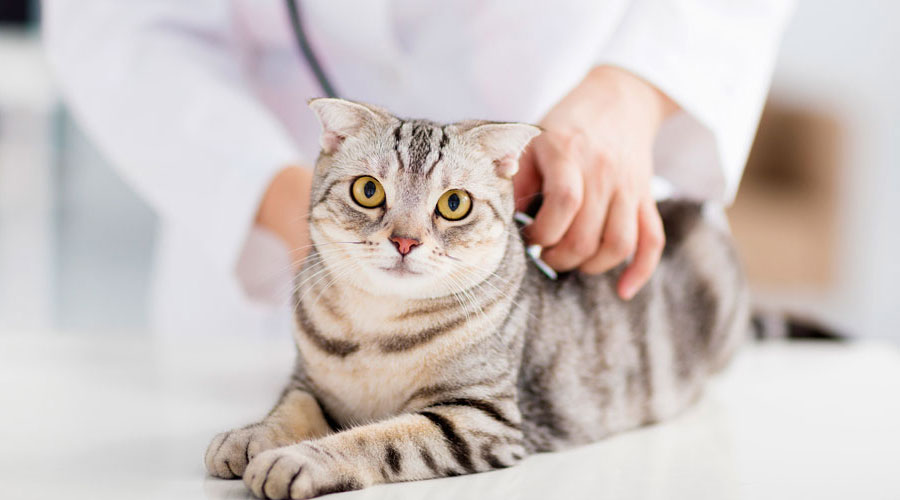
Once the diagnosis of false pregnancy is confirmed, treatment is prescribed. In some cases, this involves medication; in others, it involves psychological support from the owner. The decision is influenced by the severity of the condition and the cat's emotional involvement in the process.
Medications (hormonal and sedative medications, vitamin supplements) are prescribed for severe symptoms. In cases of increased lactation, mastitis is treated with antibiotics and lactation-suppressing medications.
You can stop lactation by reducing calorie intake and using cool compresses as recommended by your doctor. If you prepare food at home, eliminate dairy products from your diet, reduce protein intake, and increase carbohydrate intake.
How the owner can help:
- eliminate objects of care from the field of view, dismantle the “family nest”;
- pay more attention, calm down;
- keep a pregnant cat and recently born kittens in a different room;
- Use a protective cone to prevent licking of the mammary glands, thereby stimulating lactation.
Simple preventative measures can help prevent pseudopregnancy in cats: a responsible approach to housing and feeding (avoid overfeeding, monitor her diet), avoiding stressful situations, and avoiding casual sex. The consequences of this condition are especially dangerous for those who are experiencing it repeatedly.
Advice from veterinarians
Read also:
- Why does a cat shake its head and ears?
- My cat is shedding a lot: what should I do?
- Are cat fleas dangerous to humans?


Add a comment