
Ringworm in cats
Ringworm in cats is an infectious disease caused by fungi called dermatophytes. Most often, the skin is affected in cats, but damage to the claws and fur is also common. The disease is also insidious because it can be transmitted to humans. Today, we'll tell you about the causes, symptoms, signs, and treatment of ringworm in cats, including at home. While ringworm in cats can resolve on its own over time without any treatment, treatment is still necessary due to the risk of infection for the owner.
Content
- 1 The most pressing questions about ringworm in cats
- 2 Cause of occurrence
- 3 Symptoms
- 4 Treatment at home
- 5 Ringworm in cats (microsporia, trichophytosis)
- 6 Weeping eczema in cats
- 7 Pityriasis rosea in cats (Gibert's lichen)
- 8 Pityriasis versicolor (tinea versicolor) in cats
- 9 Shingles in cats
- 10 Ringworm in a pregnant cat
- 11 Prevention
The most pressing questions about ringworm in cats
Before we dive into the details of ringworm in cats, we've prepared answers to your most pressing and common questions.
What to do if you discover ringworm in your cat?
If you notice signs of ringworm in your cat, you need to:
- Don't panic, in most cases, lichen is easily treated.
- Temporarily isolate the cat from contact with people and other animals.
- Disinfect the area where the cat was and any objects it came into contact with, as some types of ringworm can be transmitted to humans.
- Contact a veterinarian. Your cat needs to be examined by a specialist so they can make a proper diagnosis and prescribe the appropriate treatment.
- More detailed information about the symptoms and treatment of lichen at home is written below.
Is ringworm transmitted from cats? to a person or other animals?
As mentioned above, some types of ringworm can indeed be transmitted to humans and other animals. Infection can occur through personal contact with an animal or through objects in the room where the animal is infected and that have come into contact with it (e.g., toys, furniture, carpeting).
Do cats get congenital ringworm?
Dermatophytes, the fungi that cause ringworm, cannot be transmitted in utero. Newborn kittens, having weakened immune systems, can become infected after birth from their mother. However, the mother doesn't necessarily have to have ringworm herself; she could very well be a carrier of the dermatophytes.
How long does it take to treat ringworm in cats on average?
Treatment for lichen typically lasts three weeks. However, some types of lichen can affect deeper layers of the epidermis, in which case treatment can take up to six months or more.
The first signs of ringworm in cats
You can determine that your cat is infected with ringworm by several signs:
- The skin changes noticeably - local superficial inflammations appear, the stratum corneum of the skin gradually loosens;
- Sudden hair loss occurs (most often in the head area,
- neck, back of the cat);
- Scales and dried crusts may form on the surface of the skin;
- The cat may begin to scratch intensely in certain areas of its body.
- For more information on the visual symptoms of ringworm in cats, see the photo below.
Cause of occurrence
Ringworm in cats is caused by microorganisms. These include:
- Trichophyton;
- Microsporum canis;
- Microsporum gypseum.
A microorganism called Trichophyton causes a type of lichen known scientifically as trichophytosis, while two other microscopic fungi cause microsporia. Although the microorganisms have different names, the symptoms of the disease in cats are completely identical. It is because of these symptoms that this disease is called ringworm.
Microscopic fungi can be transferred to a cat's fur from another cat or from the pet's surroundings. Infection occurs when spores (which can remain viable for up to two years) of the microscopic fungi enter a warm, moist environment. These spores can remain on furniture, carpets, and shed fur for a long time. The disease may remain completely asymptomatic for a long time, and external signs of the disease may only appear after several months.
In most cases, ringworm affects small kittens whose immune system is not yet fully developed.
Healthy adult cats usually have natural immunity to ringworm. The risk of contracting this infection increases if the cat roams freely outdoors, is infected with parasites, or is poorly fed. Genetics also play a role; for example, Persian cats, a breed bred artificially, do not have natural immunity to ringworm.
Symptoms
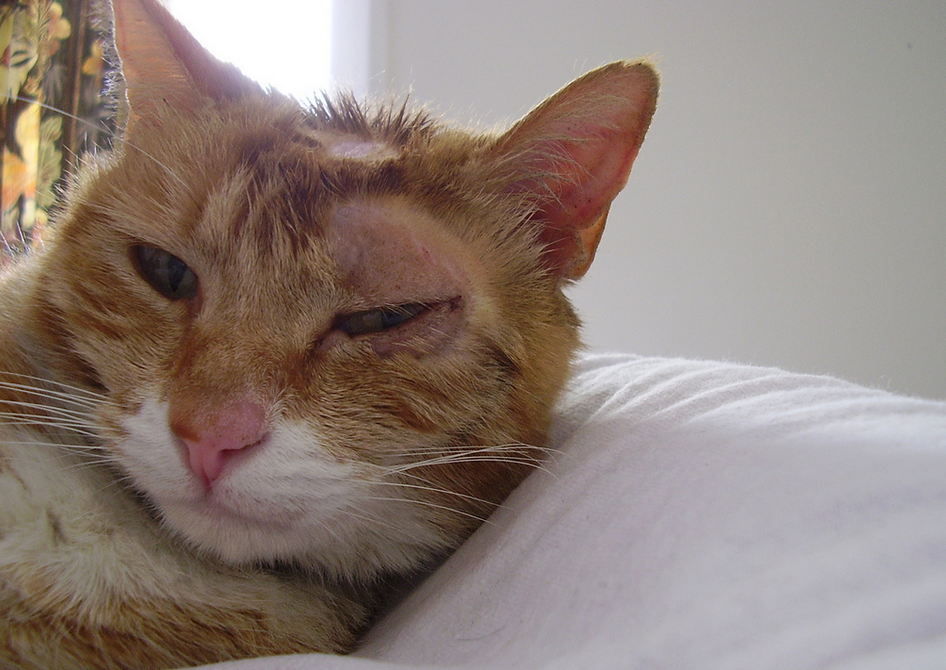
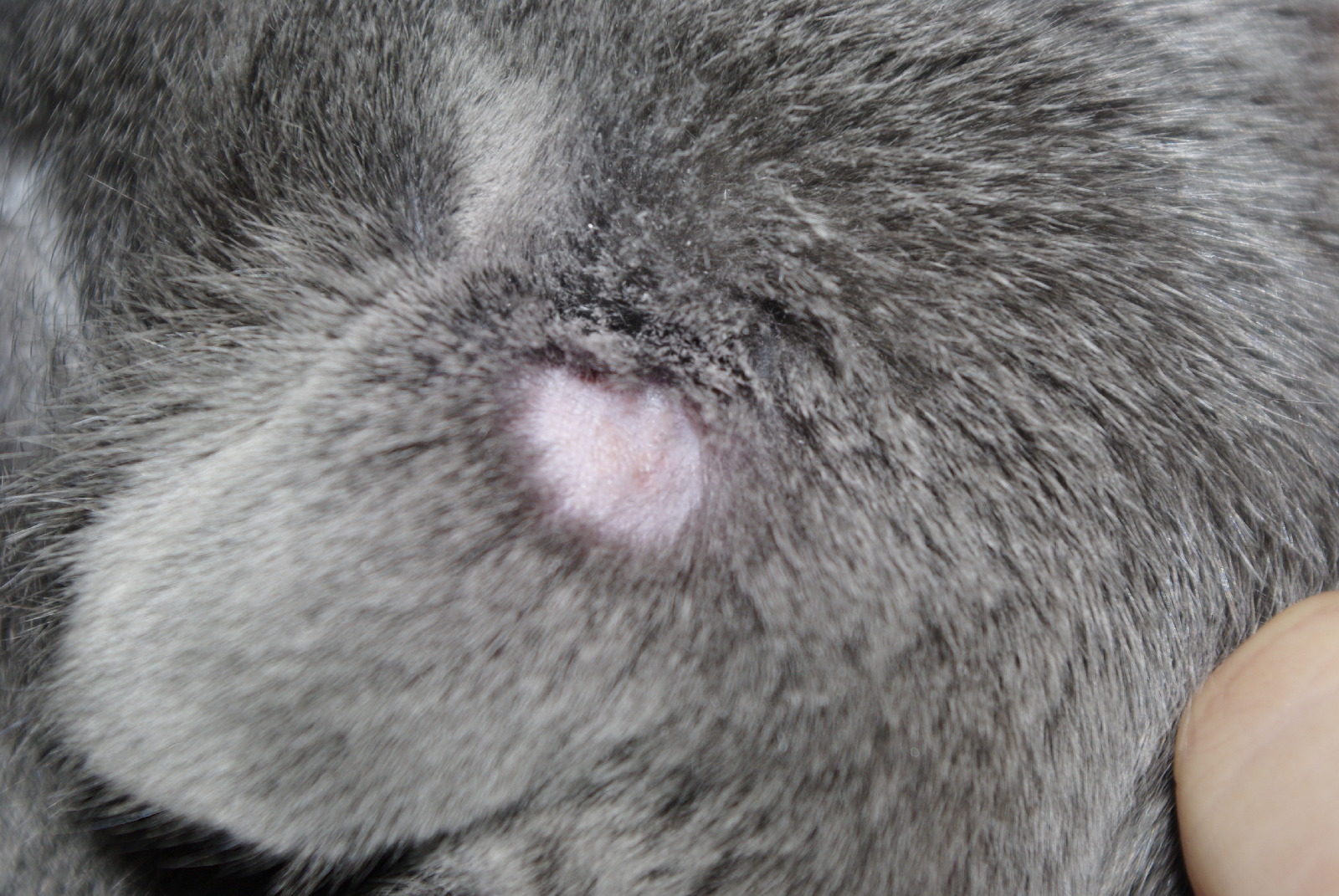
At the initial stage of ringworm in cats, the most characteristic sign is the presence of a round spot on the pet that is devoid of hair. Small pustules, scales, or blisters may sometimes be seen in the center of this area. If ringworm is left untreated, the area may expand. Itching may be bothersome or absent altogether. In some cases, ringworm can spread to the cat's entire body, causing the skin to become greasy and flaky.
It is necessary to distinguish dermatitis Ringworm in cats can have some similar symptoms. Cat owners should remember that the primary signs of the disease are excessive shedding and the constant formation of hairballs. The cat will also frequently scratch its ears. If ringworm affects the claws, they become deformed and grow abnormally. See the photo for an example of ringworm in cats:
.png)
Diagnostics
How can you identify ringworm in a cat? Diagnosis involves examining the affected area with a Wood's lamp. This lamp works by causing fungi to emit a fluorescent glow when exposed to its light. The accuracy of this method is relatively low (60%), as many microorganisms can also fluoresce.
For a more accurate diagnosis, the pathogen is isolated using a specific culture medium. Scales and crusts collected from the affected area of the cat's fur or skin are used as biomaterial for the study. At the same time, the owner should check the pet for a parasitic infection, as this can lead to a weakened immune system, which in turn can lead to the development of ringworm.
Treatment at home
Below, we'll explain the general rules for treating ringworm in cats at home. Once the disease is diagnosed, the cat is treated with antifungal ointments applied to the affected areas. Miconazole and thiabendazole are the most commonly used ointments. Your cat should also be provided with a nutritious diet. Treatment for ringworm should include testing for other diseases. So, how do you treat ringworm in cats at home?
The owner should also remember that the animal must be isolated from other individuals. and, preferably, from people to exclude the possibility of their infection. In severe cases, not only local treatment with ointments, but oral medications are also used. If your cat has long hair, it must be trimmed to treat ringworm. Avoid touching the affected areas of your pet's body to prevent the ringworm from spreading throughout the body.
It's also important to remember that clipped hair and the scissors used for clipping may contain fungal spores. This means these items must be sterilized.
Lime sulfide baths are often used to treat ringworm in cats. This may cause the animal's fur to turn yellow, but the effect is very good. Ringworm can also be treated with lotions or shampoos containing miconazole or enilconazole.
In severe cases where the animal's entire body or claws are affected, specialists prescribe the following oral medications for the treatment of ringworm in cats:
- Griseofulvin;
- Terbinafine;
- Itraconazole.
Treating lichen with these medications can lead to some complications, which means that the disease should not be allowed to progress under any circumstances.
Ringworm in cats (microsporia, trichophytosis)
Ringworm in cats is a fungal disease called a dermatophytosis. This type of ringworm is caused by fungi of the Microsporum and Trichophyton genera. These fungi penetrate the superficial layers of the cat's skin, feeding on the upper epithelium. This disease is especially dangerous for cats with long hair, as in the initial stages, it can be very difficult to see the gradually spreading lesions beneath the cat's long fur. Ringworm is a rather arbitrary term and can refer to a wide range of dermatophytoses caused by different types of fungi.
First symptoms
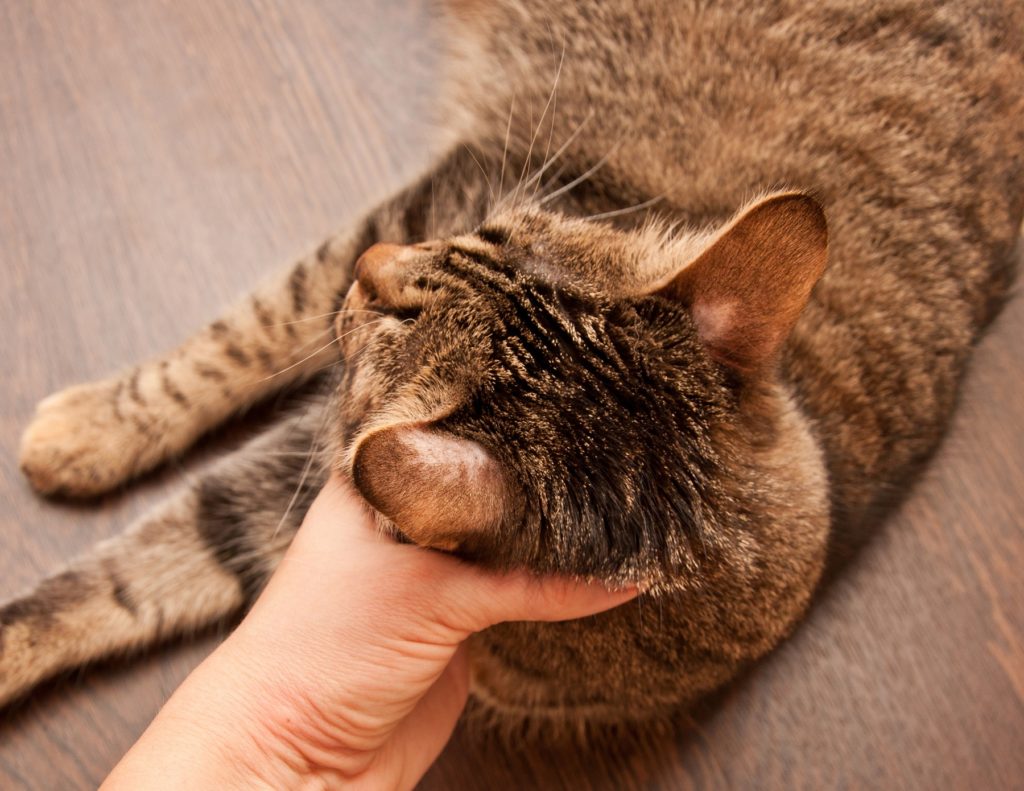
The first symptoms of ringworm in cats include round, bald patches and ash-like white scales, typically appearing around the ears and on the cat's limbs. It's impossible to pinpoint the typical signs of this dermatophytosis, as the affected area and appearance can vary from case to case. General clinical signs of ringworm can only indicate its presence, but a definitive diagnosis must be made by a specialist based on tests and appropriate examinations. Therefore, if you suspect ringworm in your cat, you should immediately consult a specialist. See the photo for an example of ringworm in its early stages:
Treatment
How to treat ringworm in cats? This disease is a very dangerous and contagious disease and, in the absence of adequate treatment, can cause a number of complications. Therefore, the approach to treating ringworm in cats should be systemic, using both local and internal antifungal drugs.
Shampoos
Immediately before treatment, the area around the affected area should be shaved and treated with an antiseptic. The cat can also be washed with a shampoo containing an antifungal component. Nizoral and Sebazol shampoos have proven effective for ringworm in cats.
Nizoral shampoo contains ketoconazole, a broad-spectrum antifungal agent, as its active ingredient. Sebozol shampoo also contains ketoconazole as an active ingredient and is a budget-friendly alternative to Nizoral shampoo. It's important to remember that antifungal shampoo alone does not have a pronounced therapeutic effect and cannot lead to a complete recovery in cats. These shampoos are used as a complement to the main treatment: to relieve itching, improve the condition of the skin and coat, and accelerate the animal's recovery.
Ointments
As a local treatment, it is possible to use antifungal ointments such as Clotrimazole, Miconazole, Sanoderm, and Fungin spray.
- Clotrimazole ointment is applied to the damaged areas of the skin 3 times a day and treatment is continued for 1 month or more until recovery.
- Miconazole ointment is applied to damaged areas of the skin 2 times a day for 1-2 months until recovery.
- Sanoderm ointment is a combination product containing a broad-spectrum antibiotic, the antifungal agent clotrimazole, and an anti-inflammatory agent. This ointment is applied to the affected area 1-2 times daily for 2 weeks or 1 month, depending on the severity of the condition. Sanoderm ointment has a number of contraindications, so consult a veterinarian before use.
Other means
Fungin spray is a veterinary drug whose main active ingredient is clotrimazole. Spray Spray onto the affected area of skin, or apply to a gauze bandage and apply to areas of inflammation for 1-2 weeks.
Your vet may prescribe your cat a combination vaccine against dematophytes: Vakderm, Polivak. Typically, infected cats are vaccinated with these drugs twice, but in particularly severe cases, three doses of the vaccine are administered with an interval of 10-14 days.
Weeping eczema in cats
Weeping eczema in cats is a condition associated with a malfunctioning immune system. Weeping eczema is not a true form of ringworm and is not caused by fungi, but by factors that trigger this allergic reaction in cats. These factors can be external (chemical exposure to detergents, parasites (fleas, ticks), poor hygiene), or internal (hormonal imbalances of various origins, nervous system disorders, stress, and so on).
First symptoms
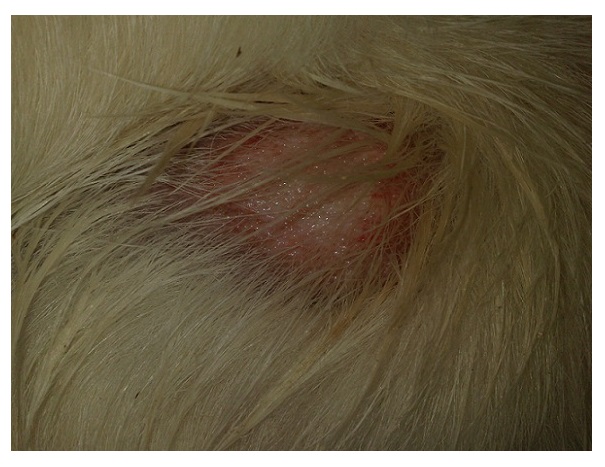
Symptoms that may indicate your cat has the first signs of weeping eczema include painless red spots Skin lesions with a localized increase in body temperature at the sites of inflammation. These spots subsequently develop into dense blisters filled with exudative fluid. Depending on the progression of the disease and treatment, these blisters may resolve, but if left untreated, they may rupture and become infected, leading to the formation of pustules. After the pustules rupture, the skin at the site of inflammation becomes moist. With proper treatment and adequate airflow to the inflammation, the area of weeping eczema quickly becomes covered with crusts, which then fall off in flakes, making way for new, healthy skin.
Treatment
Weeping eczema in cats is quite difficult to treat, and achieving a full recovery can be quite challenging, as the slightest deviation from the treatment plan can worsen the condition. In any case, before beginning treatment for weeping eczema, you should consult a veterinarian to determine the trigger. General recommendations for treating weeping eczema include a number of antiseptic and astringent agents that can significantly improve the condition of your cat's skin in the affected areas. These include, first and foremost, natural-based ointments for cats, such as salicylic ointment, sulfur ointment, ichthyol ointment, tar ointment, and YaM BK ointment.
- Salicylic ointment 2%, 5% and 10%A mixture of salicylic acid and veterinary petroleum jelly is an anti-inflammatory and antiseptic agent that restores the skin at the site of inflammation. Salicylic ointment is applied to the damaged area of skin at a distance of 3-4 cm around it, 1-2 times a day for 7-12 days.
- Sulfur ointmentThanks to its sulfur content, sulfur ointment has pronounced antiparasitic and antifungal properties. It is recommended to apply sulfur ointment 1-2 times daily for 1-3 weeks until the cat's skin is completely restored. It is also possible to apply sulfur ointment topically. To do this, apply the required amount of sulfur ointment to a gauze bandage and secure it with medical tape. This bandage should be changed every 2-3 days.
- Ichthyol ointment 10% and 20% It has antibacterial and anti-inflammatory properties. Ichthyol, a component of this ointment, has epithelializing properties, which significantly enhances skin regeneration in areas of eczema. Ichthyol ointment is applied to the affected areas of skin 1-2 times a day for 7-10 days.
- Tar ointment It has a disinfectant and antiparasitic effect, reduces inflammation, and restores damaged skin. Tar ointment is applied to inflamed areas 1-2 times a day until complete recovery.
- Yam BK ointment Combines some of the above-mentioned substances (salicylic acid, tar) and other components that actively fight inflammation and promote rapid skin recovery. YaM BK ointment is applied to damaged areas of skin 1-2 times a day for 7-12 days or until complete recovery.
Pityriasis rosea in cats (Gibert's lichen)
In its initial stages, pityriasis rosea in cats appears as a pink, sharply defined, scaly spot, which is very itchy and causes great discomfort to your cat. Typically, after a few days, this spot becomes covered with a dry crust. Similar spots can spread to other parts of the cat's body. Pink lichen in cats is not contagious to humans.
Treatment
Since the onset of pityriasis rosea is usually associated with a sharp decline in the cat's immune system, treatment focuses on strengthening and supporting the immune system. This type of pityriasis does not require any specific treatment. Simply ensure your cat is rested and receives a nutritious diet containing a full range of vitamins and minerals. Washing the animal is strictly prohibited. Also, avoid direct sunlight. Pityriasis rosea resolves on its own within 1-2 months. The photo most likely shows pityriasis rosea in its early stages:
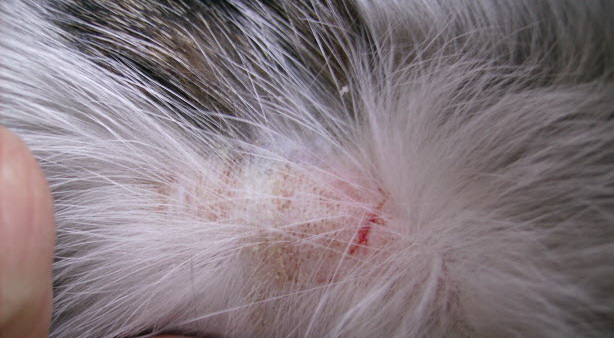
Pityriasis versicolor (tinea versicolor) in cats
Ringworm in cats is a highly contagious disease for humans and other animals. This type of ringworm typically begins with the formation of a small, oval-shaped spot on the cat's body, sometimes ranging in color from pink and pale yellow to brown. The spots then quickly spread throughout the cat's body and begin to merge into one. Ringworm in cats is contagious to humans and other animals.
Treatment
It's important to note that treating pityriasis versicolor requires a responsible and competent approach, so be sure to consult a veterinarian at the first sign of this condition. Enilconazole-containing medications, such as Imaverol, are typically used to treat pityriasis versicolor in cats. In particularly severe cases, treatment with Lyme Sulfur may also be recommended.
Imaverol – a drug based on enilconazole, used as a diluted emulsion. To prepare the emulsion, dilute 1 part of the drug in 50 parts warm distilled water. Apply the prepared solution to the affected areas of the ringworm once every 3 days. No more than 4 treatments are required. The cat can be immersed in the diluted emulsion.
Lime Sulphur – a highly concentrated solution of hydrogen sulfide lime. This preparation is diluted in the following proportions: 1 ml of the concentrated substance is added to 33 ml of water. The animal is treated with the prepared emulsion no more than once a week, strictly after consultation with a specialist.
Important! The substance is extremely toxic, so when working with this solution, observe the following precautions:
- Be sure to wear a mask and protective gloves before handling your animal.
- Do not exceed the dosage of the drug; do not allow the cat to come into contact with the concentrated substance.
- Avoid contact of the drug with the cat's eyes and mucous membranes.
- The substance has an extremely unpleasant odor, so the animal must be treated in a well-ventilated area.
- It is strictly forbidden for the cat to lick the drug, so it is advisable to use a special collar.
Other antifungal agents listed above can also be used to treat pityriasis versicolor.
Shingles in cats
Due to a common misconception, shingles is often classified as a disease diagnosed in animals. In fact, shingles is a disease specific to humans. Cats and other animals do not get it. It's possible that shingles in cats refers to one of the above-mentioned types of lichen.
Ringworm in a pregnant cat
The main consideration when treating ringworm in pregnant cats is that the use of aggressive antifungal medications during pregnancy is undesirable, as this may harm the unborn fetus. In this situation, herbal remedies may be appropriate. There are many treatments for ringworm in cats based on traditional medicine principles.
Typically, plants such as:
- common oregano,
- burdock,
- common valerian,
- wild pansy,
- chamomile,
- plantain,
- yarrow and others.
These components are combined or used separately depending on the specific condition. Here are some recipes.
Recipe No. 1
| Stinging nettle leaves | Part 1 |
| Three-part Bidens herb | Part 1 |
| Common oregano herb | Part 1 |
| Wild pansy herb | Part 1 |
Method of preparation and use:
Pour 500 ml of boiling water over 2 tablespoons of this mixture, let it steep for 20 minutes, and strain. Give the warm mixture to your cat orally 3-4 times a day, 30 minutes before meals, until fully recovered.
Recipe No. 2
| Chamomile flowers | Part 1 |
| Horsetail herb | Part 1 |
| Valerian root | Part 1 |
| Creeping thyme herb | Part 1 |
| Naked licorice root | Part 1 |
Method of preparation and use: Pour 200 ml of boiling water over 1 tablespoon of the mixture, simmer for 25-30 minutes, and strain. Give your cat warm orally 3-4 times a day, 30 minutes before meals, until fully recovered. Your cat will especially enjoy this infusion, as it contains valerian.
It has proven itself well in the treatment of lichen tea tree essential oilThanks to its pronounced antifungal properties, it has a beneficial effect on maintaining and improving the overall condition of a cat's skin during ringworm. Tea tree oil should only be used diluted: 3-4 drops diluted in 1 tablespoon of a carrier oil (olive oil or peach kernel essential oil). This oil mixture is recommended to be applied 2-3 times daily to the affected areas until complete healing.
Always remember that treating a pregnant cat is a double responsibility. Therefore, if you discover ringworm in your pet, consult a qualified specialist immediately to avoid further complications.
Prevention
To prevent your cat from becoming infected with ringworm, you must follow these instructions:
- regular cleaning and disinfection of the place where the cat lives;
- It is necessary to thoroughly clean the furniture;
- It is advisable to treat surfaces with a weak bleach solution, to which most fungi and microorganisms are sensitive;
- When purchasing a new animal, it must be examined;
- It is advisable to prevent the animal from walking outside;
- Do not allow your pet to come into contact with other cats, for example, at shows or during walks.
If you have any questions about treating ringworm in cats, please ask them in the comments—we'll do our best to answer them!The incubation period of lichen The incubation period can range from 3-4 days to 2-3 months. It all depends on the individual animal's immunity and the type of ringworm itself. During the incubation period, the cat may show no signs of the disease at all.
Any questions? You can ask our website's staff veterinarian in the comments below, who will answer them as quickly as possible.


165 comments
Julia
Hello! I found a 1.5-month-old kitten on the street, washed him at home, and treated him with Fiprist flea spray. The next day, I took him to the vet, where we shone a light on him and saw several green spots. The kitten itself is bald, and his skin is clear. Could these spots be from the spray? We have an appointment with a dermatologist in a few days; we're worried about him.
Daria is a veterinarian
Hello! Yes, sprays, powders, ointments, creams, and dry skin (dandruff) can cause a false-positive reaction—a green glow. Therefore, for a more accurate diagnosis, a trichoscopy (microscopic examination of the hair) is necessary. If fungi are found on the hairs, then the diagnosis can be confirmed.
Denis
Good afternoon.
We picked up a stray kitten, 1-1.5 months old, and took him to the vet the same day. After an examination, they said everything was fine and he'd be quarantined for two weeks. If everything was fine, we'd come back for a vaccination. We only bought some lice treatment (there were a ton of them).
Then we went to the dacha, and the second week was approaching its end. After four or five days at the dacha, we discovered a bald spot around one of the kitten's eyes. A full-body examination revealed nothing, only a few small pimples on the chin.
We went to the vet and they diagnosed ringworm, but didn’t specify what kind.
Now we are treating with chamomile, terbinafine canon tablets and fungin forte.
Is the treatment correct, or is there anything else I can do? Is it ringworm? There are no bald spots or hair loss except for one eye. The fur is medium-length, closer to short. The kitten is eating well and doesn't scratch much.
Thank you. The reason I'm writing this is because the vet at the dacha doesn't inspire confidence...
Daria is a veterinarian
Hello! Well, it's impossible to make a diagnosis without seeing someone. It's unclear why you're using chamomile. What properties does it have to help with ringworm? Clotrimazole ointment can also be used.
It's sold at human pharmacies and has antifungal properties. You can also wash the kitten with antifungal shampoo beforehand (again, available at human pharmacies).
What are you feeding? Have you ruled out an allergic reaction? Did you shine a Wood's lamp on the kitten (use a violet light in a dark room to check for an emerald glow in the affected areas of the fur) or did you diagnose it by eye?
Olga
Good afternoon.
Please tell me what to do.
We have a cat, she is a year old.
She started itching, we immediately took her to the vet, they took blood, but they didn’t find anything.
Then she lost hair in three places and scratched them until they bled. We took her to the vet again, and they did a scotch tape test. It didn't find anything special either.
We were prescribed Zodak and Enteras-gel.
We took it, it doesn't help. It still itches.
If it were ringworm, the doctor would have diagnosed it, but he didn't say anything. We don't know what to do.
For now we put a collar on her and give her a zodak.
Daria is a veterinarian
Hello! Okay, the tape test. Did you do a scraping or not? It's easy to rule out the scabies mite (like notoedric mange, since demodicosis is extremely rare in cats).
Have you ruled out skin parasites? Are there fleas/lice/biting lice? Have you used eye drops? Apply Inspector, Advocate, Stronghold, Nexgard, or Frontline (any of your choice) to the withers and repeat in a week. Could it be an allergy? You can also give ¼-1/5 of a Suprastin tablet for the first 3 days (depending on your pet's weight), for no more than 3 days! Use Hill's z/d food for 2-3 weeks, then see how the skin improves.
Olya
Help with a problem. There's no vet nearby. My cat has suspicious crusts.
Daria is a veterinarian
Hello! What are these suspicious crusts? Size? Shape? Color? Has the surrounding fur fallen out? Is the animal itchy? Has it been treated for fleas, lice, and other skin parasites? What is it being fed? What have you applied or treated it with (more than half of owners start by trying everything in their first aid kit at home, and when that doesn't work, they go to the vet). There's no description of the pet at all. How can I help then?
Svetlana
Hello! Could you please tell me? We treated my cat for ringworm (I guess we don't have a vet), but some time has passed, and the area still hasn't grown back. Is it clear whether it's gone away or not?
Daria is a veterinarian
Hello! Look, you diagnosed your dog yourself, without consulting a veterinarian or conducting any additional tests. You prescribed a treatment plan without even writing down the specific treatment, how often you administered the medication, or how long the course of treatment lasted. But you're still wondering if the ringworm has cleared up, again without even knowing?
No one can answer that. It could be ringworm, the treatment might be incorrect, it could be an allergy, it could be scabies (you didn't describe the symptoms either), or it could be a problem with the endocrine glands (that's why the hair is falling out). The hair takes a long time to grow back—it can take two to three months to fully grow back. Without an in-person examination, it's impossible to make a diagnosis.
Valentina
Hello, I need expert advice. I noticed a small bald spot, 1 cm in diameter, on my 9-month-old cat's side. The fur looks broken, but there are still some hairs.
Over the past week, the area has been growing larger and larger, and my cat is constantly licking his side. I've also felt small bumps that look like sores. He eats Grandorf kitten food, and was dewormed at three months. He was treated with Strongold for parasites. Can you tell me what could be wrong, and how can I boost my pet's immunity?
Daria is a veterinarian
Hello! Get to the vet immediately! We need to rule out ringworm. My pet's hair is breaking off and the spot is growing. It's been three months since deworming, so we can repeat the procedure. But the first priority is to see a doctor and rule out a fungal infection.
Valentina
Daria, hello, I need some advice. We went to the vet, had a nasal swab tested, and they found chlamydia. We're now on a 20-day course of antibiotics. The dermatologist prescribed hormones, prednisone, and a change in dry food. We've changed the food, but there's been no improvement. We're not giving him hormones yet. He's constantly licking his side, and I've noticed he's drinking a lot of water. Could you suggest any other tests? He gets sick often, and we've been on antibiotics for three times now.
Daria is a veterinarian
Hello! What antibiotics were prescribed for chlamydia? What does the dermatologist suspect? What food are you currently eating? I recommend a complete blood count and biochemical analysis. If the animal is older, drinks a lot (and especially pees a lot), then a blood sugar test should also be done. A urine test can also be done. What is the animal's age? Which side is it licking (right/left, or both) and where exactly? What other symptoms are there?
Valentina
The antibiotic was prescribed Unidox Solutab for 20 days. The dermatologist diagnosed bacterial otitis due to an adverse reaction to food (?). We're currently eating Orijen with fish. The dermatologist recommended Farmina Vet Life Ultra Hipo, which we'll be switching to. He's 10 months old and licks his right and left sides near his belly, so much so that he's completely wet. He has no other symptoms; everything is normal.
Daria is a veterinarian
Take her for an ultrasound. They need to examine her internal organs; she's most likely experiencing some discomfort in her intestines or other gastrointestinal organs, trying to get attention or relieve the pain. Examine her skin. There might be redness, spots, scales, blisters, or something else. An interesting diagnosis, for sure.
I didn't think that food could cause bacterial infections =) If it were allergic otitis, I'd still believe it. But it's bacterial.
Antihistamines and a strict hypoallergenic diet should be administered. Eliminate all dairy products and medications containing calcium, magnesium, and aluminum from the diet until the end of treatment with tetracycline antibiotics. Do not prescribe other antibiotics, as tetracyclines are very finicky and incompatible with many medications.
Hope
Hello. I need some advice. We don't have a vet. My three-year-old cat often fights with other cats outside. Four days ago, I noticed a swollen upper eyelid. Yesterday, I noticed the skin around it was blistering, but the fur wasn't falling out. This morning, we sprinkled it on the area, like powdered sugar. He doesn't seem to be itchy. Is it ringworm? Can you send me a photo?
Daria is a veterinarian
Hello! The diagnosis of ringworm is made by fluorescent examination with a special Wood's lamp (if microsporia is present, the affected areas will glow emerald) and mandatory microscopic examination of scrapings and hairs. This diagnosis cannot be made visually (especially from a photo), sorry. It's more likely that the wound has become infected, hence the swelling.
Sevda
Hello, we have a 2-year-old nursing cat. 3 days after giving birth, she developed "ringworm" because she scratched until it bled and an open wound developed.
The vet said absolutely no ointments or vaccines... but what should I do now? Will the babies suffer too? Should I wait 40 days doing nothing? Is there really no other way?
Daria is a veterinarian
Hello! Ringworm doesn't cause itching so severe that the animal scratches itself until it bleeds. Look for other causes: skin parasites, scabies mites, inflammation, allergies, etc. Nothing serious will happen to the kittens during this time. Firstly, colostral immunity is still present (the mother's milk will pass many antibodies to the kittens).
Secondly, if it is ringworm, it will heal on its own within 40 days, even without the use of ointments or medications (assuming the cat's immune system is strong). Look for the cause of the itching! Watch the cat's diet and examine the skin carefully! Most importantly, don't use brilliant green or iodine, as this will burn the cat's skin.
Sevda
Thanks for the reply. After mating, we discovered parasites (fleas) on her. Other treatments didn't help. We decided to shave her and it seemed like there was nothing left, but after two-thirds of a day, we found two more. I don't know where they came from. We also discovered ear mites in the remaining six days before she gives birth. The doctor told us to wash her with the treatment every day (I forgot), but everything seems to have cleared up completely.
Could this wound be somehow related to these problems?
Maybe we did something wrong.
Thanks in advance for your reply.
Daria is a veterinarian
Hello again! So, you shaved your pet, and the skin parasites didn't disappear into thin air. They could be all around (on the floor, on the carpet, on the furniture). So, they jumped on your pet again. Should you wash it every day for ear mites? What kind of treatment is that, I wonder?
It's enough to treat the animal with special drops just once, and then repeat after 7 days if necessary. If the parasites are feeding on blood, the itching could also be caused by this. In your first message, you didn't specify that the animal had already been shaved. You're unlikely to find ringworm on a hairless animal (or would clearly see distinct round spots with a dark border and a lighter pink center with scales).
Sevda
I'm furious too. I don't know. I live in a small town and there are very few vets here. Every time he asks me, "What do you think I should do?" I'm completely shocked. I've been using chlorine and other things in my entire house...
Can you also look at her wound please?
Maybe she has a subcutaneous mite?
Daria is a veterinarian
I can't examine your pet because we live in different towns. Advocate, Inspector, Frontline, Nexgard, or Stronghold drops will help against subcutaneous mites and skin parasites (choose your choice and treat your pet). However, apply the drops only to intact skin around the withers.
Since the animal is shorn, it's necessary to protect the treated area from licking (wear a collar or neck protector for at least half an hour to allow the antiparasitic medication to be absorbed). Repeat the tick treatment after 7 days.
Natalia
I spent a month treating the kitten, and I was getting discouraged. We went to a third veterinary clinic. They recommended treating the apartment, saying there were recurring infestations. They recommend all their clients use Tristel Fuse for surfaces; it's much more convenient than a checker and more effective than anything else.
We washed the entire apartment with it, as the doctor recommended. Now we're testing the cat and washing everything again, just to be sure. Maybe this will be useful to someone. The doctor said to disinfect the entire apartment right away and isolate the cat, so that later we can only wash it in that room. Good luck to everyone!
Vlada
Hello! I adopted a kitten 12 days ago. The owner said he was vaccinated with Vacderm as a preventative. Today I took him in for a booster shot, and they found ringworm, so they vaccinated him again. When should I expect the first improvements, and what should I use topically? The visible signs are only on his ears. How can I treat him as quickly as possible?
I also have a child in the house, so there's no place to isolate the animal. The vet didn't give any recommendations other than to come back in two weeks. Then again, if treatment doesn't begin until two weeks after the vaccination, then why go for a checkup so early?
Daria is a veterinarian
Hello! Why vaccinate for preventative purposes? Currently, most clinics refuse vaccinations with Vacderm and Polyderm, even when treating ringworm. Most likely, either the animal was already sick, and the owner hid it and began treatment, or the kitten was weakened, so its immune system couldn't cope, and the ringworm "slipped through." Treatment should be started, even if immunity is developing, but it's not worth delaying, especially since there's a child.
Itraconazole tablets, antifungal ointment (usually clotrimazole) applied topically, pre-treating with Fungin (the active ingredient is also clotrimazole) before applying. You can bathe the dog every 3-4 days with an antifungal shampoo (these are easily available at a human pharmacy without a prescription, and are cheaper than at a veterinary pharmacy). You can also use Zoomikol spray. Just please avoid iodine or brilliant green!
They don't have antifungal properties, but the animal will get a skin burn in no time. Treatment will take exactly 3-4 weeks.
Pauline
Hello. We brought a kitten home from the countryside. A week later, we noticed the fur on its tail was missing and the skin was peeling, and its back paw was also a bit flaky. We went to the vet and were told it was ringworm. They gave it a Vakderm vaccine and told us to treat it with iodine in the evening and furkacil in the morning. We also have a female cat who contracted the infection from the kitten.
Her ears are peeling, and there's a sore on one ear. We took her with us when we took her for her second vaccination. She was also given Vacderm. The kitten was given another vaccine. Was the treatment prescribed correctly?
Dasha is a veterinarian
Hello! Um, it's not my policy to change other people's treatment regimens, but... Why the iodine? Doctors probably don't know the pharmacokinetics of iodine? It's not actually an antifungal agent.
Frequent use (especially in the same area) can cause tissue burns. Having studied numerous scientific papers and clinical studies, and even tested them in my own practice, I haven't noticed any faster recovery with the vaccine. With or without it, the animal recovers in the same amount of time, PROVIDED that antifungal medications (such as itraconazole, ointment, or even clotrimazole) are used.
We've been working at our clinic without vaccinations for several months now (we've even managed to convince long-timers and advocates of small animal vaccinations for ringworm). We use topical treatments with solutions and ointments, antifungal medications applied internally, and a spray (like Zoomikol, for example) can also be applied externally. That's enough. Disinfection at home is also a must.
Pauline
My adult cat was vaccinated with Tricat a year ago. How long after ringworm treatment can I wait to administer this vaccine? And what vaccinations should a domestic cat have? Thank you for your reply.
Dasha is a veterinarian
Hello! When is the Nobivac vaccination due? How was my cat treated for ringworm (vaccination or pills and topical antifungal treatments)?
Has the animal FULLY recovered? Has the affected areas grown hair? How can we determine when vaccinations are appropriate if we don't have information about the course of the illness and when the animal recovered? Vaccinations are only recommended for healthy animals; vaccinations are prohibited for those with weakened immune systems. Ideally, wait a month, but if time is pressing, then wait two weeks after the animal has FULLY recovered. Don't forget to deworm twice.
Dasha is a veterinarian
Regarding vaccinations: Tricat Trio is good, but be sure to add rabies vaccine (IT IS ALLOWED to vaccinate with these vaccines on the same day, but you can wait 2 weeks after the Tricat vaccination).
Again, please note: if you're even one day late with your annual booster, it's best to administer the biopreparation twice (as you did at two months) to improve immunity. If you're on time, a single dose of Triket is sufficient. However, if you missed the rabies vaccination last year, be sure to administer it twice, and then repeat it every year.
My advice: get a passport for your cat (even if it's a pet). Let the clinic record the dates and indicate the vaccinations/deworming regimens. This will protect you, especially if your cat is a biter. It will also indicate that the cat has been vaccinated against rabies.
Xenia
Hello! My cat has a scab on his front paw, close to the elbow. It's yellowish and bumpy. What is it?
Dasha is a veterinarian
Hello! To make an accurate diagnosis, an in-person examination by a veterinarian, along with additional examinations and laboratory tests (scraping, bacterial culture, complete blood count, and biochemical blood analysis) are required.
During your doctor's appointment, you should also explain how long ago the scab appeared, how quickly it grew (it certainly wasn't overnight), what you're feeding, how long ago you dewormed and vaccinated, what medications you're currently giving or were giving shortly before the spot appeared, whether there's any itching or other symptoms, etc. Rule out allergies, infections (bacterial or fungal), dermatitis, wounds, and many other conditions (there are too many conditions that can cause dermatological lesions). Only after a diagnosis can treatment be prescribed.
Xenia
Hello. Yesterday, I discovered a pink spot on the tip of my cat's ear, covered in a crust, with fur falling out. We immediately took him to the vet, they examined him with a light, but nothing was found.
We had a tick test done, and everything was fine. They said it looked like an allergy. They prescribed vitamins and told me to treat it with chlorhexadine. Today, I noticed the wound has turned the same color as my cat's skin and is starting to grow fur again. My cat's behavior hasn't changed, and the wound doesn't hurt or itch. The vet told me to come back for a follow-up examination in 10 days. Maybe it's not ringworm after all?
Dasha is a veterinarian
Hello! Not only has the spot not gotten any bigger, but no new spots have appeared, so the risk of ringworm is minimal (practically zero). If the scraping doesn't reveal any mites or fungi, then they're ruled out. Review your dog's diet. What are you feeding him?
Svetlana
Our cat has a small bump near his ear (on the outside). At first, we thought it was a tick. But no. What could it be?
Dasha is a veterinarian
Hello! I'm not a fortune teller, so I can't tell you what's wrong with your pet without seeing it. You wouldn't call the clinic with the same words, asking the doctor to diagnose you without examining you. Your pet needs to be examined, and then a diagnosis can be made based on that examination.
Irina
Hello! We live in a rural area, and there are no vets or clinics within 200 km. My British Shorthair cat is 1.5 months pregnant. I recently noticed a clearly defined, hairless, black patch (skin color) to the left of her tail, then another similarly smooth, round patch a little lower. I don't know what to do. She doesn't go outside. She only interacted with the male cat during mating.
Dasha is a veterinarian
Hello. The incubation period for ringworm is too long. And if it were, the cat would have spots now too. Ask the owners if the male has any health issues.
If you live nearby, have your pet examined. However, dark skin wouldn't be present with ringworm, especially since the spots would be growing and new ones would be appearing. The resulting alopecia is most likely related to either a hormonal imbalance (pregnancy, after all), a vitamin deficiency, an unbalanced diet, or some other cause. In any case, the animal needs to be EXAMINED, not diagnosed and treated at random.
Sat
Hello. We bought a flea collar for our cat. A week later we noticed scabs where the collar was. After a couple of days, they started to fall off along with the fur. There is a slightly red spot nearby. We had the cat checked with a laser about two weeks ago. But he is still feeling uneasy.
Dasha is a veterinarian
Hello! Remove the animal's collar. It's causing an allergic reaction (contact dermatitis). Throw the collar away and don't put anything on it until the skin heals completely. Give antihistamines (at least Suprastin). Also, check with a Wood's lamp, not a laser.
Nastya
Hello! Dasha, thank you for your reply! I've always fed my cat Proplan, but for the last month we've been feeding him Kitekat.
Now I'm giving him good food again and I've added shampoo. After a couple of days, everything started to clear up, and the scabs are almost gone.
Nastya
Hello, I've read a lot of different information and am even more confused ((
My cat has been scratching himself 24/7 for the last three weeks! At first, I thought it was fleas, because I tried so many treatments, but they were all useless. We live in a private house, so the cat is constantly outside, and fleas are a real problem! I started examining him and saw bald patches on his back and lots of light brown scabs in clumps. At first, I ignored it, thinking he was fighting with other cats and licking his wounds. Now his entire spine is in this condition.
I might not have noticed all this until the same crusts formed behind my child’s ear!
Dasha is a veterinarian
Hello! If you suspect ringworm, in addition to crusting and bald patches, you'll notice clear borders of lesions and pinkish spots (with a crust or scales in the center) that will expand in diameter.
The face and paws are most often affected, followed by the back. To confirm or refute the diagnosis, don't just read a bunch of information; take your pet to a clinic, where specialists can examine it and determine whether it's ringworm. But most likely, it's either ectoparasites or a reaction to feeding. What do you use to treat fleas?
How often? Do you bathe your cat with a special shampoo or not? What do you feed it? Just be honest. And don't delay; take it to the vet. They'll shine a Voodoo lamp on it, examine the hairs under a microscope, and determine whether it's a fungal infection.
Nika
Hello, my cat has large patches of hair loss on his belly, tail, and thighs, and on his hind legs, so sparse that his skin is visible. The patches are undefined and have no clear edges. The skin in these areas is pink and free of wounds and crusts. I only found a few pimples in one spot, but otherwise nothing.
Could it be ringworm? I haven't taken my cat to the vet yet. He had this problem when he was a puppy; his belly hair wouldn't grow properly. We were prescribed vitamins, and we took them, and everything was fine. But now it's back, and it's only gotten worse. What should I do? Should I get him more vitamins or take him to the vet? I agree, I might not be feeding my cat well, but that's just the way it is.
Dasha is a veterinarian
Hello! If your pet has ringworm, it would be spots with clearly defined borders and crusts or scales in the center. It wouldn't hurt to take it to the vet anyway. When was the last time your pet was dewormed?
Vitamins alone aren't enough; you need a balanced diet. Understand that by saving on food, you'll spend far more on your pet's treatment (vet visits, medications, additional tests), and the vet will still recommend feeding a complete diet.
Moreover, expensive food fills up your pet much faster (you need less of it than budget food, so it's practically the same price. Buying 1 kg of cheap food is about the same as buying 300 g of high-quality food. Your pet will eat it in about the same amount of time, and it won't harm their health). Don't give anything from your table.
Anna
Please advise, we adopted a kitten from a private sector three weeks ago. A few days later, ringworm appeared. The kitten is about four months old. We went to the vet, and she said it was ringworm, which glowed under a lamp.
The ringworm-infested areas had short hairs and dry, brown crusts. The vet gave us the first injection of Microsporin. A few days later, another ringworm appeared, this time hairless, pink. It began to grow, and the front of the muzzle is now half-bald.
I live in a one-room apartment with my child, so isolating the kitten is not an option. The first ringworm to appear, with short hairs, appeared around the kitten's eye, which became swollen and red. After applying a chamomile and string tea decoction as an eye compress, the swelling subsided, but then returned.
The old ringworm seems to be getting better, but the naked ringworm is growing. We went to another vet, and he said it wasn't ringworm (although he only examined the second ringworm, ignoring the first ringworm with clipped hair). The first vet prescribed Unisan ointment (chlorhexidine and zinc ointment) and gave him a vaccine, but the second vet said that vaccinating the kitten was a mistake and that I shouldn't have used the antifungal ointment (terbinafine) because it's unnecessary. He told me to give him vitamins and apply Unisan. But it doesn't have the same effect. I started giving the kitten Terbinafine tablets and applying terbinafine myself. Ultimately, I don't know who to listen to. And I'm really afraid that the child will get sick.
I have a lump on my neck, most likely from a kitten. What should I do next? How can I treat the kitten if I can't isolate it, and how can I keep my child safe?
Dasha is a veterinarian
Hello! If you can't isolate your cat, be prepared to quickly become infected yourself. Ringworm is a highly contagious disease, especially since it spreads quickly through kittens. I've already written in the comments several times about the treatment regimen (vaccines, ointments, sprays, tablets): frequency, dosage, and duration of treatment. Itraconazole tablets are best. You should go to a veterinary clinic and get your own treatment plan.
Vitaly
Hi, I'll tell you my story. We had one domestic cat that didn't go outside. I picked up one kitten and then it all started. I washed her for worms, treated her for fleas, ear mites, and everything. I think it seems like the prevention is over, there's nothing else to get sick with.
But then I saw something wrong with my cat's ears, it looks like ringworm, but I didn't give in. I washed it with regular cat shampoo. I had some standing there, took some iodine, treated the wounds and smeared it with sulfur ointment. It went away within a week. I also had a spot on my hand. I smeared myself with brilliant green. I've been familiar with ringworm since childhood. The devil is not as terrible as he is painted.
Julia
Hello. I have a two-month-old kitten who has been with us for a month. About a week ago, I noticed a small spot on her neck. I thought she was just a baby, but maybe she was just thinking she was being stupid because the spot was already covered in fur. A couple of days later, I noticed a small spot on her paw, so we went to the vet. They examined her with a lamp and found that her face was completely green, along with her paws and some of her neck and the tips of her fur.
We gave her deworming and flea drops beforehand, and were considering vaccinations, but we waited until she was three months old because I found out that rabies treatments are given after three months, so it didn't work out, as they say. So, the doctor prescribed Nezoral shampoo on the affected areas once every three days and Furgin Forte spray once a day every day. We've been treating the kitten for three days, but more spots are appearing. One is nearby, and there are already some on her other paw. What should we do? My two-year-old kitten has been sleeping with me for a month, and we've been trying to isolate her, but she's been meowing all night, asking to go out. I'm so sad for both my baby and the little fluffy thing. I feel terrible.
It's been about 10 days, so maybe it's a non-contagious ringworm? Is there such a thing? The lesions are small, with a pink spot inside and a thin crust in one spot. Otherwise, it's just pink. Should we continue treatment or go to another vet? Or do we need injections? We feed him homemade food (we have everything: chicken, turkey, fish, eggs, cottage cheese, cauliflower, milk, oatmeal, buckwheat). I give him vitamins with folic acid for kittens and pregnant cats, as recommended by the pet store.
Dasha is a veterinarian
Hello! What does non-contagious ringworm mean? Well, consider this: if your kitten somehow became infected, someone else passed the fungus on to them. The incubation period is approximately 14 days (shorter for some, longer for others). Based on your description of the spots, it looks like a classic sign of ringworm (especially since it was confirmed at the veterinary clinic).
I wrote a recommended treatment plan above in the comments. Waiting for improvement after three days is pointless. Even after a booster shot against dermatomycosis, more rashes often appear (the condition worsens). Be prepared: a course of treatment usually lasts 5-7 weeks (if done correctly and comprehensively). If the treatment is incomplete, it may take longer.
and4367@gmail.com
Today, the round spot on my stomach that appeared after I washed it yesterday has turned pink. It and my nipples are the only clearly bald spots. The bald spots above my eyes are two months old, but sparse hair still grows through them.
I've had this patch between my shoulder blades for three weeks, but it's also not clearly bald and is growing without completely killing the hair. I don't know what to do. Is there such a thing as a "hairy" fungus? I don't know what to do, whether to wash it or not, or apply cream or not. How can I tell if it's dermatitis, and if it is, I have absolutely no idea what to do in this case?
Dasha is a veterinarian
A veterinarian should differentiate, not you. Bring it to an appointment, or have a house call. Understand that prescribing treatment without knowing what your pet has is too risky (sometimes a treatment plan that works in one case can actually be harmful for another). Ringworm can be a type of ringworm, where a stub of hair remains, but by that time it would have already overwhelmed your pet and spread to other pets (if any) and humans.
and4367@gmail.com
Sorry, I wrote something unclear and left something unfinished. Three days ago, I applied clotrimazole and the reaction was flaking. Yesterday, I bought shampoo with ketoconazole. After washing, there's a distinct, round bald spot around my nipples, the nipple itself and about three millimeters around it are red. A new bald spot appeared on my stomach after washing, with a centimeter-wide bald spot in the middle—white.
The inside of the ear has a pink, irregularly shaped spot, also peeling due to clotrimazole, and the first time after the crma it developed into a slightly round, swollen shape.
and4367@gmail.com
Please help! I've been suffering for two months, I'm already hysterical and chronically sleep-deprived—I can't even lick my hair all day or night. We're in Paraguay, and they don't treat it here, they just wash and curl it. Last time I went to get drops for conjunctivitis, they gave me three bottles and told me to choose. I chose the ones with prednisone (a complete idiot in medicine). Ear mites "don't exist" here—that's everyone's answer.
A 6-year-old male cat. Two months ago, unbearable itching began. He licked his entire belly and paws to the base. The skin was red with very sparse pimples. There were three or four dry, crusty pimples on his neck. I applied a drip to his withers, then fipronil. The itching doesn't subside. The bald spots above his eyes are growing, also with pimples. His fur is falling out profusely. The pads on one foot are depigmented with pink spots. I can't tell his claws are clean and not particularly discolored. On the other paws, the sixth heel has turned white.
I think he's allergic to Purina. We're going back to nature, but the itching isn't going away. Now, the bald spots are still the same, and the hair on his belly and legs isn't growing back.
I've got a bald spot between my shoulder blades, but it's kind of hairy and doesn't have a distinct round shape. When I applied the ointment above my eyes and between my shoulder blades, everything became flaky. And my nipples! They've become bald all around, and the nipple itself is very red with white spots around it. I know I'm just waiting for you to give me an idea, but I need it. I'm completely lost. There aren't even any lights here. Does it look like mushrooms?
Dasha is a veterinarian
Hello! You've certainly described the situation, and the animal needs to be examined in person. It could be an allergy, a skin condition (including scabies), or skin parasites (fleas, lice).
What is this natural food you were trying to switch to? I hope it wasn't chicken or locally farmed poultry?
Regarding crusts and redness, try this: rinse your pet with chamomile infusion (it's best to wash it with a soap like cetyl alcohol beforehand), wipe it down, and let it dry (once a week).
Twice a day for 2-3 weeks, wipe the affected areas with hydrogen peroxide (3% solution), chlorhexidine, and then fucorcin. For allergies, suprastin and its analogs (half a tablet twice a day for a week) are recommended. Also, for prevention, antifungal medications (fucis, difluzol, diflucan, mycomax, mycosyst, prokanazol, fluzol, and their analogs) should be used 3-4 times every other day.
My cat is also allergic to Purina (she started shedding, her long fur would get tangled, she'd scratch herself until it bled, and she developed dandruff). I switched to Pro Plan for spayed cats (rabbit or salmon, as she's also allergic to chicken and turkey), Hill's, and rarely Royal Canin for allergy sufferers and spayed cats. I chose food by elimination. I'll feed one for a couple of days, and if she starts itching, I'll eliminate it and try a different brand.
It doesn't look much like ringworm. Try deworming and treating skin parasites, changing the food, and giving vitamins.
Kate
Good afternoon! We adopted a stray cat. A guy found him on the street; he had wandered into their house as a tiny kitten. He took him to the vet, where he was examined and vaccinated.
About three weeks after we adopted this guy's cat, I discovered a small spot on myself. Then my husband noticed it too, and it turned out to be ringworm. He's very fluffy, and even though we cuddled him, we didn't notice any ringworm. Moreover, we were told he was vaccinated and healthy. He had virtually no fleas, but when we bought him, we put deworming drops on his scruff and dewormed him (we did all of this as soon as we got him).
We went to the vet, got tested, and it turned out to be ringworm. We've already had three vaccinations, 14 days apart. But the ringworm hasn't completely cleared up, so it's been three months now...
My cat is already 8 months old, it's time to spay him. But we can't do that until we get him cured. Could you please tell me if there's any way we can speed up our cat's recovery? The vet said to wait until it clears up on its own, as they can't give him more than three vaccinations.
Dasha is a veterinarian
Hello! Trichophytosis lesions aren't always visible. Often, in animals with strong immune systems, the spores are found on the hair tips without affecting the follicles (therefore, the disease can only be detected by shining a special Wood's lamp on the hair). Regarding vaccinations (rare, but five doses are prescribed).
And most likely, they didn’t vaccinate you against ringworm (they give it three times), but against viral and bacterial diseases (but then again, it should be twice and after deworming; how the vets managed to vaccinate a homeless kitten right away, I don’t even know).
Dasha is a veterinarian
Let me suggest a treatment plan for you, and you compare it with what your veterinarians prescribed.
1. Ribotan 0.3-0.4 ml once every three days intramuscularly (you can take Immunofan, but it has a different dosage).
2. Itraconazole 1/4 capsule with a small amount of water orally 1 time per day for up to a month.
3. Locally with antifungal ointments (Mycoseptin, Clotrimazole, Ecodaxon) - twice a day for 2-3 weeks
4. 2 hours after applying the ointment, treat the affected areas with a special Zoomikol spray.
Wash, clean, and disinfect everything at home (ideally, use hot steam to clean the areas where the kitten runs).
Elena
Hello. I have an adult cat. I found a kitten on the street that was dying this fall. I took him to the vet, treated him for fleas and worms, and, as the vet recommended, gave him a ringworm preventative in the form of a suspension.
About a month ago, both cats' ears started peeling and they started itching. I took the younger one to the vet. He found nothing wrong and gave me ampoules containing fipronil and diflubenzuron, telling me to apply them three times, three weeks apart. Both cats are indoor cats and don't go outside. There was no improvement after the first treatment. Please tell me what this could be and how we can treat it.
Dasha is a veterinarian
Hello! It's rare to see a noticeable improvement after the first dose. It's best to watch for any deterioration. Follow the treatment regimen prescribed by your veterinarian. Improvements are usually seen after the second dose (closer to the third). Did they tell you the diagnosis? Did the veterinarian explain what the treatment was for? Did they use a lamp? Did they rule out ringworm?
Elena
The vet took a scraping, took some fur, and brought it to the room where they have a lamp, near the surgical department. She said nothing was found. Both dogs' ears were peeling. She didn't give a precise diagnosis.
Valentina
Hello! My cat has a small bald spot on her neck. We discovered it by accident, so we don't know how long it's been there. The vet said it's ringworm. They prescribed a strong potassium permanganate solution and gave her a shot of the Polivak-TM vaccine. She's a tame cat, and we handle her often. When should we expect her to get sick? Also, how can we teach her to eat a varied diet? She only eats raw chicken necks and dry food.
Dasha is a veterinarian
Hello! What do you mean the doctor said? Did they shine a light on the cat? Did they take a scraping? Or was the diagnosis made by eye? And since when has potassium permanganate been used to treat dermatomycosis? Have I missed a new trend in veterinary medicine? If they did shine a light on the cat or take a scraping, then for treatment use:
1. Itraconazole (100 mg) - 1/4 capsule with a small amount of water orally once a day for up to 30 days, or antifungal tablets Fucis 50 mg 1/4 tablet orally once every three days (give 7-8 times, but these tablets are harder to find and they are weaker than Itraconazole).
2. Don't use potassium permanganate, but rather antifungal ointments! Mikoseptin, Ecodaxon, or Clotrimazole should be used twice a day (2-3 week course).
3. After applying the ointment, wait 2 hours, and then spray Zoomikol (also an excellent fungicide) on the affected area.
4. To maintain immunity and a stronger response to vaccination - Ribotan 0.3-0.4 ml intramuscularly once every 3 days (4-5 injections).
But that's for ringworm! Potassium permanganate will only help with wounds and scratches (it'll dry them out).
Dasha is a veterinarian
Regarding how long to expect the disease: 10-14 days pass between the appearance of the first lesions and contact with another animal or person. However, if the cat's immune system is strong, there's a chance the lesions will be minimal or not appear at all. Disinfection is also necessary at home.
Teaching a cat to eat a variety of foods isn't always possible. My cat has only eaten dry food since day one. She won't tolerate natural food at all. But we use Hill's or ProPlan. If you feed your cat Whiskas/KitKat/Darling/Friskas and other budget foods, replace them with higher-quality and healthier options. Switch to super-premium and holistic brands.
Otherwise, the fur will constantly fall out, and the skin will become scratched due to itching caused by allergies. Then decide whether you want to feed your pet pet food or natural food. Don't interfere.
Angelica
Hello. Could you please tell me? I have a British Shorthair cat, 1.5 years old. Today I discovered two small bloody scratches near his ear and a dark spot nearby. The hair in that spot isn't falling out. It's the weekend now, so I can't go to the vet. He never goes outside.
Dasha is a veterinarian
Hello! Just because your pet doesn't go outside doesn't guarantee it won't get sick. Most germs are brought into the house by owners, who sniff or lick their shoes and clothes. Could your pet be scratching themselves? Or perhaps they've scratched themselves with a paw or claw? Itching can be caused by allergies, skin parasites, a reaction to chemicals, and many other things. Your cat needs to be examined.
Tatiana
Hello! Could you please tell me what to do in this situation: I feed stray cats, and one of them seems to have a wet ringworm. She won't let me handle her, but she comes to eat with everyone else.
She lives separately from other cats. At first, it was just near her tail, and now it's spreading down her back. How can I help her without infecting others? We live in Luhansk. Thank you.
Dasha is a veterinarian
Hello! What does wet lichen mean? Lichen is a fungal infection (tinea and microsporia) that affects the hair follicles. Scabs and crusts form on the skin. Could it be weeping dermatitis (eczema)? If it's lichen, other animals will be infected (and people are at risk, too). If it's dermatitis, only this cat will be affected.
First, an accurate diagnosis is necessary. Second, the animal won't recover on its own without comprehensive treatment (especially since winter is approaching). Injections, pills, and topical treatments will be necessary. Ideally, find volunteers in your city who will catch the animal, treat it, and find a good home for it.
Albina
Good afternoon. I picked up a stray cat on December 3rd. I took him to the vet. They treated him with Stonghold, cleaned his ears, and prescribed Sinulox tablets for seven days. On the second day, he started having diarrhea, so I called the clinic and they told me to take Fortiflora. On December 13th, a small spot appeared on his head. I took him to the clinic on December 16th. They shone a light on him and said he had ringworm.
We got the Vakderm p. 68 vaccine. I have another cat in the house, and they didn't find any ringworm in him, but we got the same vaccine.
Next, I treat the sick cat with terbinafine ointment twice a day and give both cats half a terbinafine tablet once a day. The cat has two spots—one on his head and one near his eye.
The spot near my eye isn't growing, but it's getting bigger and bigger on my head. I was told to apply the ointment for seven days, then stop and not apply it for three days. A booster shot was scheduled for the 10th day. I continued giving Fortiflora. Is this correct? And why does the spot keep growing? Maybe I need to change the medication. I treat everything at home with vinegar.
Dasha is a veterinarian
Hello! Don't panic about the growing spot. Sometimes, symptoms worsen after the first vaccination. The main thing is to continue the treatment. And be prepared for it to last for up to a month. Don't forget about booster vaccinations for your second cat. Vaccinate three times (rarely, up to five doses are required).
Look, I can recommend you this treatment plan:
1. Ribotan 0.3-0.4 ml intramuscularly once every 3 days (4-5 injections required).
2. 1/4 tablet of Fucis (50 mg) orally once every 3 days (you will need to give it 7-8 times) or the more popular and more “powerful” Itraconazole (100 mg) 1/4 capsule with a small amount of water once a day (course up to a month)
3. The affected area must be treated (just do this with gloves).
For this, use the following ointments: Mycoseptin, Ecodax, or Clotrimazole (antifungal, available at a regular pharmacy for humans). The course of treatment is up to 14-21 days (depending on the severity of the disease).
4. A couple of hours after completing step #3, treat the affected areas with a special spray for dermatophytosis, Zoomikol (twice a day, for up to 10 days).
Dasha is a veterinarian
For diarrhea, you can give white coal (1/3 tablet orally 3 times a day for up to 5-7 days, one hour before or after feeding or other medications), probiotics Emprobio (1.5-3 ml orally twice a day, 10 days in a row) or hilak (3-5 capsules in a teaspoon of water orally twice a day for up to a week), Katozal or other drugs that contain butophosphan and cyanocobalamin as a metabolism accelerator and better “absorption” of medications (the liver tolerates the treatment better), Verakol as a restorer of the intestinal mucosa in case of diarrhea (0.7-1 ml intramuscularly twice a day for up to 10 days).
Instead of water, you can give chamomile tea, Vetom (1:1), Regidron, or other remedies available at human pharmacies for dehydration (due to diarrhea and vomiting). This regimen is suitable for diarrhea. If the animal has loose stools, then decide for yourself what to give based on the severity of the condition (each medication is described for its intended purpose). Switch to food for animals with digestive issues (Royal Canin Recovery or Hill's Diet).
Svetlana
Hello. We just got a new kitten. He showed no signs of ringworm until I noticed terribly itchy pimples on myself and my three-year-old child. Over the course of two days, they've grown significantly.
While examining my kitten, I noticed thinning fur and what appeared to be keratinization (scaly) on his ears. We live in the countryside and are going to the city for a vet appointment tomorrow. Isolating the kitten is not an option. Could you tell me how to treat him? Does ringworm manifest as a rash on the human body?
Dasha is a veterinarian
Hello! There are a huge number of diseases transmitted from animals to humans. And it's not just ringworm. Therefore, it's imperative that you take yourself and your kitten to the vet. First, you need to get a diagnosis, and then begin treatment. But what if it's not ringworm? Then why give your kitten antifungal medications and three vaccinations?
In humans, ringworm typically begins with one or two spots that gradually grow in diameter. I can't recall ever seeing such a severe, rapid rash in a day, especially with such intense itching. Ringworm spots are itchy, but not excruciatingly so. It's important to get examined. If ringworm is confirmed, your vet will prescribe treatment. For a kitten, a veterinarian will prescribe a detailed regimen (each region has its own specific medications, depending on availability).
Diana
Hello, Daria, please answer me too. We adopted a kitten from a private homeowner; he lived in their basement. Naturally, he had a ton of illnesses, including ear mites, fleas, and probably worms. His eyes were also watery, his nose was runny, and he was sneezing.
I went to the vet for the first time. He examined me. He didn't check for ringworm, though. He prescribed treatment for ticks, fleas, and worms. I took it for three weeks. Then I started worrying about the ringworm, so I took him back to the clinic. They checked him with a light, but they didn't seem to find anything.
I told him he's allergic to his eyes and nose. But he's scratching near his ears, and I think he's losing hair there. The same thing happens on the other side, where his ear is, but it's not completely bare; there are some small hairs. I wonder if this could be ringworm. It's been 25 days since we brought him home. I'm worried about the incubation period. He's also losing his fur. We're feeding him dry Royal conifer kitten food. Should I be worried about ringworm? The kitten plays sometimes, sleeps often, and eats a lot. He only scratches near his ears, about four times a day. Thank you.
Dasha is a veterinarian
Hello! I'm replying to everyone =) Let's start by saying that you should have dewormed and de-fleaed your cat immediately (as soon as you brought him home). Didn't you check his ears? You can see ticks by carefully removing the dark residue from his ear with a cotton swab and shaking it onto a white sheet of paper. The black "running" dots are the causative agents of ear mites (a vet can definitely see them under a microscope).
There are ear drops called "Inspector," "Advocate," and similar products that not only help protect against fleas and intestinal parasites but also repel ear mites. Look in the ears and smell them. If there's an unpleasant odor, it's otitis (it could also be allergic). Check for any discharge in the ears. Just don't put hydrogen peroxide or sunflower oil in the ears! It'll only make things worse.
Ringworm doesn't present this way. With ringworm, the spots are clearly defined, pink, and scaly inside. The spots enlarge and expand in diameter. There will be no fur in these spots. The incubation period is approximately two weeks. Children are very easily infected; if nothing appears, it's not ringworm. So, look for the allergen, deworm and flea treatment, and treat ear mites (both ears).
Diana
Thanks for the reply. I probably didn't make it clear enough. On the first day, we bought him and removed as many fleas as we could by hand. And the next day, we applied Bars flea treatment to his withers, and repeated the treatment 14 days later. We also started deworming him right away, with Milbimax, half a tablet twice a day. Well, we took him in due to our inexperience and didn't check his ears.
But we cured them in three weeks with avermectin ointment, first cleaning them with a cotton swab dipped in hydrogen peroxide. Why not hydrogen peroxide? Didn't the doctor say to treat it that way?
Then the doctor looked a second time when we came, under a microscope, and said there were no more ticks.
Dasha is a veterinarian
Don't just pour hydrogen peroxide into your ear. Some people use drops to soak the contents. It's better to wet a rolled-up bandage, gently place it in your ear canal, and hold it there for a minute or two, gently massaging the ear canal. Just don't get the bandage too wet, or else hydrogen peroxide will drip into your ear during the massage. Sometimes this procedure is sufficient, and there's no need to pick at anything with cotton swabs.
But better than the ointment, you should have gotten special drops. They increase the discharge for the first few days (which is actually good, as the ticks crawl out and die there). If your veterinarian has already ruled out ticks, you need to look into a possible allergy. Try checking for fleas again (there may still be parasites; you probably didn't use Butox at home for pest control).
Personally, I'm not thrilled with Bars. I tried a different product for my cat. After the first treatment, not a single parasite remained on her skin (she's a completely indoor cat, never went outside in her 10 years of life; most likely, fleas scurried in from the entrance when she came in). She tears off collars; she's extremely allergic—she starts itching and losing fur at the slightest thing. I'm surprised she didn't react to the product, and all the ectoparasites disappeared, and the itching disappeared in just a couple of days (and there were only a few fleas on her belly).
Diana
Thank you. Then could you recommend some drops for me too? I'll buy them, and how soon can I reapply them? I'll do it in a month then. I have a feeling he's biting himself near his paws and a little on his body when I wash him. I also suspect there might still be fleas. You're right, I didn't treat the apartment, but I should have, right?
And another question: can I use ear mite drops in his ears instead of ointment, or would that be too much? My kitten is three months old now. He's probably allergic to flea bites... But I don't see any fleas running around on him. Even though we could see them quite clearly when we first brought him in.
Dasha is a veterinarian
Well, I used BlokhNet (the name is funny, but I liked how it worked) on my old cat. They last a month (you can repeat the treatment after a month). The dosage is 1 ml per 10 kg of body weight, so maybe look for something gentler (she's a small kitten, after all). The apartment needs to be treated, of course (but no one should be in it for 24 hours during or after the treatment; the products have an unpleasant odor, but they kill all the insects).
Regarding replacing ointments with drops, unfortunately, I can't interfere with the prescribed treatment regimen. I would prescribe drops right away; they penetrate deeper into the ear canal. And they're faster, too (usually ear drops can clear up mites within a week).
Diana
Thank you very much, Daria. There's no way to treat the apartment. I hope they don't come back, since we killed the big fleas almost immediately. And now the kitten is flea-free; I don't see any signs. And I clean often, since I stay home. I think the likelihood that they've managed to multiply is very small. There were about 7 of them on the kitten when we brought it home.
We washed the kitten; he barely walked around the house. And after the bath, we caught another one (that was the first day he was free of fleas), and the next day I bought Bars drops. What do you think?))) I've already pestered you with questions.
Dasha is a veterinarian
Don't worry, it's not a bother =) It's normal. You can bring fleas in from outside on your belongings, or they can jump in when you open the door. Therefore, no one can guarantee 100% that fleas won't reappear on your pet. You can wash them, treat them with drops, and put a special anti-flea collar on their neck (just choose one for kittens; it has a lower dosage of the active ingredient, so there's less risk of overdose for a weakened animal).
Don't forget about quarterly deworming (for example, Milbemax for kittens is effective against several types of helminths). Give vitamins (either by injection or in their drink or food). As soon as they start to recover, vaccinate them (even if you plan to keep them indoors). Generally, observe how your pet is doing in the coming days.
Diana
Thanks for the answer
Diana
Hello, Daria, Happy New Year! I wish you all the best and brightest! I have a question slightly unrelated to ringworm. I'd like to know why my kitten's eyes go cross-eyed when we play with a laser pointer, even though he looks perfectly normal. He also has a strong, clear discharge from his eyes, like tears, which then accumulates in the corners and turns brown.
There's also clear discharge from his nose, and about two weeks ago, a crack appeared on his nose near one nostril. The discharge is stronger on the left side and from his eye, while the discharge from the other nostril and eye is less. The kitten is 4 months old, eats and plays well, but sleeps frequently. What could this be?
Dasha is a veterinarian
Hello! Thank you for your congratulations and best wishes. All the best to you too.
Regarding the kitten: you need to examine it. What are you feeding it? What kind of food? Have you dewormed it? Have you had any vaccinations? Is it itching? Maybe the kitten is scratching itself. Has its fur started to fall out? The eyes may be drooping due to weak muscles. And when a pet tries to focus on one spot for a long time, their eye becomes droopy. Change the toy. Replace the laser with a good old toy on a string (it's larger than the dot and doesn't require as much focusing).
The eye may be tired, causing the watering. A cracked nose could be due to dry skin. It could be because the animal isn't drinking enough, the air is too dry, or there might be a vitamin and mineral deficiency in the diet. In short, you need to examine and observe the animal to determine the specific cause of any symptoms.
IRINA
Hello! Please help, I have the following problem: My cat (British, ?-three months old) is completely indoors, eats PropLan Delicate and Pronature dry food, sometimes I spoil her with pouches, basically, two days ago a small spot appeared above her eye - pink, like it was wet, the hair did not fall out,
I treated it with Miramistin, by the evening of the second day above the other eye - the same thing began to appear, only a little less noticeable than the first, I also treated it twice, this morning the spots are almost not noticeable - only if you look closely you can see whitish skin under the fur in those places, the cat has changed a little, she has become sadder, she does not eat as often as before and has not gone to the toilet (pee) for half a day, I am worried about what is wrong with her.
Today is Sunday, but I will try to call the doctor, could it be an allergy to food, quail yolk (I started giving it to her for two months, twice a week) or to silica gel (we temporarily changed her to a new one, the one we always take - it was not available in the store, we took a package of another, but we have been using it for two weeks already) maybe the reaction did not appear right away, to something ... I suspect an allergy ... but I don’t know, I’m not a doctor.
In general, I will definitely go to the doctor with her, but I would also like to see your suggestions?! Thanks in advance!
Dasha is a veterinarian
Hello! An allergic reaction may not appear immediately. In general, yolk should be given with caution. Give it in small amounts and rarely (it's better to add a little oil or fat—just a drop of sunflower oil or sour cream—to help the body absorb the vitamins in the yolk).
Choose protein, as it's better absorbed. Start eliminating allergens (you can do this all at once, or gradually introduce them one at a time, monitoring the reaction). It's best to have a blood test (an elevated eosinophil count indicates the presence of allergens). Weeping spots often indicate allergic dermatitis or eczema, so it's best to get tested to confirm the diagnosis. However, the allergen will need to be ruled out in any case.
Antihistamines could be given, but that would complicate the diagnosis. Your veterinarian would have a hard time making a correct diagnosis, and blood tests would be inconclusive. You'll have to wait a bit.
Hope
Hello, we have a Persian cat. She has ringworm on her fur and a small wound on her ear. My daughter took her to the vet, and the diagnosis was confirmed. They prescribed Micazole spray. But my daughter didn't really treat her, she had just given birth and was afraid to approach her. I took the cat home and, on top of that, discovered that she was pregnant.
Please tell me how to treat her so as not to harm the kittens. What medications can I give her? We live in the USA. I don't trust the doctors here much. Their goal is to get more money out of the client). Thank you very much in advance!
Dasha is a veterinarian
Hello! I won't name the medications because I don't know what they use in America. Here, I would recommend vaccinations first. Then a course of tar-free antifungal medications. You have two options: either try to protect the kittens and don't treat the cat at all, risking illness yourself, or treat the animal, understanding the risk to the kittens.
In most cases, everything goes smoothly. The risk is far greater from the disease itself than from the treatment. Therefore, treat with a spray. If there are ringworm vaccines, administer them three times, 10-14 days apart. Wet clean and disinfect the house daily (steam is also an option). Avoid contact with other animals. Remember to wash your hands after handling your pet.
Hope
Thank you so much for your reply regarding medications. There are Russian pharmacies here. Can you suggest any antifungal ointments that would be suitable for her? And another question: will it be sufficient to avoid the vaccine, just ointments and sprays? Thank you again so much for your help and for creating such a website!
Dasha is a veterinarian
The vaccine helps speed recovery and develops immunity, allowing the animal to fight the ringworm pathogen more quickly. However, after vaccination, the animal remains a carrier of the spores for a year (it can infect other weakened animals), but it will also have active immunity against ringworm for another year.
Improvement usually occurs after the second vaccination, but it's essential to complete all three. Sometimes, the first vaccination can cause a flare-up (even more breakouts), but this is normal. Some people manage without vaccinations, but treatment is simply delayed. If you have a Russian pharmacy, ask for medications for your cat's comprehensive treatment. There are plenty of medications available, but they vary from region to region.
Olga
Good evening! Could you please tell me what this could be? We have two cats (I moved in with my daughter temporarily), and after three months, my cat developed a spot, like a wound. We thought the cats had been fighting, but a couple of days later, these dried wounds appeared on her back and neck, and then they turned into a white spot and her fur started to fall out.
A couple of days later, my daughter's cat developed the same problem, but hers sometimes goes out into the stairwell. It could be ringworm, but I don't have time to go to the vet right now. Thank you so much!
Dasha is a veterinarian
Hello! White spots aren't typical of ringworm. They don't appear as sores, but as clearly defined spots (with a smooth border, you can clearly see where the healthy and affected tissue is). Furthermore, the edges and center of the spot are different when viewed from the outside (most often, scabs and scales are visible in the center).
The spots are growing, increasing in size and number. It's important to determine the exact cause of this lesion. It's important to rule out not only ringworm, but also dermatitis of various etiologies, allergic reactions, and skin diseases. Please understand that without an in-person examination and testing, it's impossible to make an accurate diagnosis and prescribe treatment.
Irina
Good evening! My cat has black spots on her fur and skin that look like dirt and are spreading across different areas of her coat. What could this be?
Dasha is a veterinarian
Hello! I'm not entirely sure what my cat has. If they're just black spots that can be brushed off, they could be feces from skin parasites (especially if your pet is itchy). If the spots are on the skin itself, like pigmentation, you'll need to get tested, see the results, and conduct further investigations.
If the blackheads are located within the skin itself (like acne), an in-person consultation with a veterinarian is also necessary to determine the cause. If hair loss is also occurring in these areas, a doctor's consultation is even more necessary to prescribe the necessary treatment. Each condition requires its own treatment plan.
Olga
Hello. Let me tell you my story. We found a cat, apparently a British shorthair or mixed breed. We took him home, washed him, dried him, and fed him. He was clearly domesticated. He used the litter box right away and was very affectionate. Two weeks later, my child and I developed spots on our bodies. We took him to a family clinic for a skin scraping. The results were negative.
I went to the state clinic myself, and they said it was ringworm. I called a vet to my house, and they shone a lamp on him. He's got a green glow on his head and front paw. He got a shot, and he's getting a second one tomorrow. There are no spots or bald spots on the cat's body; the infection is on the tips of his fur. The vet gave me some kind of medication. I dissolve it in water and rub it in against the grain. I've already done it several times. I feel so sorry for the cat, and especially for the child and myself. The doctor at the skin and venereal diseases clinic told me to throw the cat away. I can't do that.
I clean the house every day, and everything smells of bleach. I can't quarantine the cat; there's nowhere to put him. He lives in the kitchen. I bought a quartz lamp and shine it on him every day. I don't know if I can really cure him anymore.
Dasha is a veterinarian
Hello! Why throw the cat away? Just because it's sick? Judging by the advice, the vet there is old-school, because they used to teach that animals with ringworm should only be euthanized. But veterinary medicine has advanced now. Euthanasia of animals with microsporia or trichophytosis is only recommended if the pet has been resistant to treatment for a long time. Or the owners don't want to deal with the hassle of a little whisker... In addition to washing your cat, make sure it's vaccinated against ringworm (three times, 10-14 days apart). Treatment includes antifungal medications along with the vaccine.
The child will recover and will be more resistant to this infection in the future =)
Someone once brought a cat to our clinic. Her paws and the area under her ribs were also glowing (the tips of the hairs were literally 2-3 mm in size, barely noticeable). The owner also had a one-year-old child with spots. The pediatrician was intensively treating the child for allergies. She was surprised that three months of treatment not only failed to improve the child's appearance, but that the spot had actually grown (up to 5 cm in diameter on the back and 2 cm on the leg).
The cat was vaccinated three times, treated with a spray, and the owner was sent to the skin and venereal disease clinic for proper treatment of the child. Just two weeks after the third vaccination, the cat no longer showed any signs of rash, and the child's spots began to lighten and fade. So, if you want to keep the animal, you should treat it comprehensively.
Lily
Hello! I've had some itchy, irritating spots on my body since yesterday evening. I noticed a couple on my daughter's body today. We got a cat from the street two weeks ago, and I was examining her today and noticed a small, hairless white spot. Could it be ringworm? What should I do? It's Saturday.
Dasha is a veterinarian
Hello! Without seeing your pet, it's impossible to tell whether they have ringworm. But if you've already noticed spots on your child, even if your pet has ringworm, both will need treatment. It can be done on Saturday or Monday. Private clinics are usually open on weekends. If there aren't any in your city, wait until Monday and go to a public clinic. The incubation period for these fungal infections is typically exactly two weeks.
But please understand, without an in-person examination of the animal, it's impossible to say with 100% certainty what the cat (or child) has. It could be an allergy (coincidentally, both have it at the same time), a hormonal imbalance, a sudden change in diet (the cat clearly ate worse outside), stress, or a reaction to some medication. Hair loss and spots aren't only caused by ringworm.
Tatyana
Good afternoon! My kitten is itching a lot, the hair on the edge of his ear is falling out, and there's a small, rough, gray spot on his thigh. He has a good appetite. Could it be ringworm? He's accustomed to homemade food, so it doesn't seem like he could have an allergy.
Dasha is a veterinarian
Hello! Take your kitten to the clinic. They'll shine a special light on it to diagnose ringworm. You'll see the affected areas glow green. If it's ringworm, there won't be any glow, but veterinarians can take skin scrapings and hairs and examine them under a microscope. Without seeing the animal, it's impossible to diagnose it. Allergies can occur to both homemade food and the best pet food. What exactly do you feed your pet?
Maybe chicken? Some kind of grain? Salt or other spices? Are you giving them store-bought milk? Have you had them dewormed? Even completely indoor pets can have problems with parasites (both external and internal).
Maria
Hello! We found a kitten, he's a little over a month old, and he turned out to have ringworm. I'm sorry to throw him away. The vet confirmed ringworm, but they said he can only be vaccinated at 3 months. They didn't prescribe any topical treatments or pills. What should I do?
Dasha is a veterinarian
Hello! If a therapeutic vaccination is necessary, it's advisable to administer it (but proceed with caution and monitor the animal's condition). When a rabies quarantine is announced, we don't care if the rabies vaccine we use has an age limit of six months. We vaccinate animals as young as two months (to protect against the virus), and we don't even care if they haven't been dewormed. This is because it's an emergency measure. The risk of getting sick is far greater than the risk of harm from the vaccine.
If there's more than one clinic in your city, try another. Have them prescribe medications for you (I can't tell you which ones are available in your region). The ladies above recommended medications, but I don't have those in my city. I use others that aren't available in other areas. You should go to a veterinary pharmacy and ask for ointments, sprays, or tablets for ringworm (just make sure the ointment doesn't contain tar).
Julia
Good evening! My cat has been itching for two months now. At first, it was so bad he'd hide in secluded places and wouldn't come into contact with us. We took him to the vet, dewormed him with tablets and treated him with flea drops.
The itching seems to have gone away, but not completely, and now the cat has an oval spot on his bare body near his tail, covered by long fur—it looks like it's been wet. He's a British shorthair, 4 years old, neutered, and doesn't go outside. What could it be?
Dasha is a veterinarian
Hello! Your pet needs to be examined. One possibility is flea allergy dermatitis—a skin inflammation and allergic reaction to the saliva and excrement of fleas and other skin parasites. It's possible the cat was chewing on its tail due to severe itching. However, you should have your cat examined and tested to determine if there's an allergy or a more serious condition. Just don't self-medicate. Don't apply brilliant green, iodine, or any ointments.
What are you feeding? If you're feeding table food or cheap foods like Whiskas, Friskies, Darling, Kitekat, and similar brands, then switch to a higher-quality diet. Were there any other treatments (before all these itching issues)?
Olesya
Hello! My cat started losing fur about a month ago, then a bald spot appeared on her back, close to her tail. Her tail is bald, there's little fur behind her ears, and she itches a lot. Only then did a neighbor tell me, upon seeing her cat, that it looked like ringworm and immediately suggested I apply some brilliant green to the bald spots, which I did.
And when I read it online, I realized I'd done something stupid. There's a large spot on his back, about 3.5 cm in diameter, and the skin is grayish and doesn't ooze. There are small itches, and there are small, dried crusts in the fur on his neck. At first, I thought it was a food allergy, but now I realize that's not the case. Incidentally, no one else at home has been infected. Could you please tell me what to do, and is it necessary to vaccinate him now while he's sick?
Dasha is a veterinarian
Hello! How did you know it wasn't an allergy? Did you do a blood test and see that everything was normal? Did you switch to high-quality hypoallergenic super-premium and holistic food and see no improvement? Have you ruled out skin parasites (fleas, lice, mites)? Were there any nervous system issues (stress, moving, new family members, sudden changes in diet or feeding schedule, or anything else)? Perhaps he started chewing and scratching himself out of nervousness.
Is your neighbor a veterinarian? Why did she diagnose it? Ringworm doesn't start on the tail (extremely rare). It usually starts on the head (nose, ears, area around the eyes), front paws, dewlap, groin, and belly. Moreover, the spots aren't gray, but pinkish with a darker, scaly border.
Brilliant green and iodine are generally contraindicated for pets. Even if they were permitted, and the animal had ringworm, they wouldn't help because these medications don't have antifungal properties.
Vaccinations are not allowed until the etiology of the disease is determined and a diagnosis is made. So what should you do? Take your pet to the vet! Blood tests, skin scrapings from the affected areas, and microscopic examination are required. No other treatments! Do not apply anything until you get to the vet. Otherwise, you will complicate the diagnosis.
Have you treated your pet for fleas and worms lately? What exactly are you feeding them? Make an appointment with a vet as soon as possible. Otherwise, self-medication and following your neighbor's advice will only harm your pet. Wishing you a speedy recovery.
Olesya
The vet came to my house and immediately said it wasn't ringworm, but a terrible allergy, but I didn't know what it was to... ((I made it worse with the green stuff, of course, and it ate away at her skin. ((( She gave her an antibiotic, an antihistamine, and vitamins. She treated the wounds with chlorhexidine and sprayed some purple spray. She also told me to apply Levomekol afterwards.
The wounds are starting to heal now. I still want to understand what could be causing such a terrible allergy? She doesn't have fleas. Her ears are clean. A year ago, though, she ended up in our basement. She sat there for a day, and we got rid of the fleas. She scratched her ears for a long time afterward. Could she have some kind of mite? (((In any case, this allergen needs to be eliminated somehow. Thank you for your detailed advice!)
Dasha is a veterinarian
If it were ear mites, you would notice black spots in your cat's ears (you can gently scrape off the dark residue with a cotton swab, shake it off onto a white sheet of paper, and examine it. If the black spots move, you might suspect a mite). However, with otodectosis, cats scratch themselves intensely, shake their ears, and develop an odor.
People cannot become infected with otodectosis from a cat, even if they sleep on the same pillow.
The purple spray is most likely Chemi spray. It's like brilliant green, only much safer. It contains tetracyclines. It's very good for treating wounds and abrasions.
Allergies to food can develop. My friend's cat ate Hill's, Purina, or Pro Plan for spayed cats for 10 years. Never had any problems. But then, suddenly, her fur started getting tangled, dandruff appeared, and she started itching terribly. We stopped the food and switched to a hypoallergenic one.
The coat improved, the dandruff disappeared, but the itching remained. We started adjusting the food, gradually changing brands, monitoring the reaction. Then we started giving antihistamines to relieve the allergy symptoms. But it's understandable—senile hypersensitivity has developed. The quality of the food may have deteriorated, or some ingredients may have been changed, which is why the cat is reacting this way. And if your cat eats something budget-friendly (Whiskas, Kitekat, and others), it's not surprising that it started itching. There are tons of dyes and preservatives. Start searching for the allergen with the food. Wishing you a speedy recovery.
Irina
Good afternoon! We picked up a kitten from the street. He spent three days at home, interacting with both people and an adult cat. On the fourth day, we took him to the vet for a checkup.
It turns out he's about three weeks old and has a large amount of ringworm. There's no way to isolate him, and there's nowhere to keep him. The vet prescribed Vetoklin (dissolve 1/10 tablet in 200 ml of water and sponge bathe him only once every 48 hours for 7-8 days).
She also prescribed ketaconazole, 1/50 tablet once a day for one month. For an adult cat, 1/10 tablet once a day. I've written everything down in detail, and I'm really hoping for your reply. I want the kitten to get better quickly and also to prevent him from infecting me and the cat. Is contact with him too dangerous? Do you think it might be worth administering any other medications to speed up recovery? Thanks in advance for your reply!
Dasha is a veterinarian
Hello! I'm confused. Should I give one-fiftieth of a tablet? How do you even divide it? Why isn't the three-dose vaccination prescribed (including for adult cats)?
Unfortunately, I have to disappoint you, but as soon as you come into contact with a sick kitten, you're at risk for contracting dermatomycosis. The first symptoms can appear within 10-14 days (earlier for some, later for others, and some are lucky and, thanks to a strong immune system, don't develop any symptoms at all). The main thing is that it's not ringworm. If it's pink, you'll only develop spots on your body (hair on your head rarely breaks off or falls out).
Don't use iodine, brilliant green, or potassium permanganate to treat stains (either on your pet or yourself)—you'll burn the skin and cause burns. Don't use ointments containing tar (it's toxic to cats). Each veterinarian prescribes the treatment regimen they deem most effective. I'm not authorized to change someone else's treatment plan.
Don't forget to wash and disinfect your floors, tiles, plates, and toys daily. We need to break this chain of infection.
Lyubasha
Hello, please tell me today I found a spot on my kitten's neck. It's dry and doesn't bother him. What should I do? We don't have any veterinary clinics.
Dasha is a veterinarian
Hello. Well, then, to the nearest town. We don't have an X-ray machine in town, so we send people to the next town, 20 km away. And people travel because it's necessary for their pets' health. I can't say what your kitten has without seeing it. It could be ringworm, dermatitis, vitamin deficiency, or anything else.
For your own peace of mind, visit a veterinarian to rule out ringworm, as it can be transmitted to humans. Then you'll be able to treat it yourself (the incubation period can be up to two weeks). Has the hair fallen out in the area? Is it growing in size or is it constant? How long has it been there? What are you feeding it? Does it go outside? Are there other pets in the house? There are many factors that could contribute to the spot's appearance.
Svetlana
Our cat has a pink, hairless spot with a small wound in the center and a clear film covering the top. She's not itchy. Today is Saturday. We can't get to the vet until Monday. What can we do?
Dasha is a veterinarian
Hello! If your pet is not distressed and there are no puss or wounds, then do nothing. Any manipulations you perform may complicate the diagnosis. Some additional tests may prove inconclusive after owners "self-medicate," so please wait until Monday.
Do not apply either brilliant green or iodine under any circumstances. Firstly, this will blur the clinical picture and make diagnosis more difficult. Secondly, iodine and brilliant green can cause burns.
Hope
Hello. We adopted a kitten from a foster home, and a couple of days later I noticed bald spots and scales on her paw. We have a cat and two children at home. So far, no one seems to have become infected, and they haven't had contact with our cat yet. We have the option of treating the kitten at the foster home, but I really don't want to give it up. Will the kitten remain contagious during treatment? Or can we treat it at home?
Dasha is a veterinarian
Hello! The incubation period is about two weeks, so clinical signs won't appear immediately in your cat or children (knock on wood). You should have taken the kitten to the vet first to confirm the diagnosis. The kitten is contagious not only during treatment but also for a long time afterwards (several months).
Therefore, if possible, it is better to isolate and treat the animal separately from your household members, and be sure to carry out a thorough disinfection after placing it in a foster home.
Irina
Hello, I don't know what to do. We picked up a fluffy kitten and after some time, 3 children got ringworm, there are 2 more cats at home. The vet prescribed Vakderm for everyone, they did it twice with a 10-day break in different paws. Another month has passed and the ringworm on the kitten is glowing, although there are fewer lesions, but there are still some. I read that it should have been done 3 or even 5 times, but now that more than a month has passed since the 2nd injection, should I do a third one and will it be effective?
Dasha is a veterinarian
Hello! No, the third injection won't help. You need to start over. The key is to take short breaks of 10-14 days to stress your immune system. Ringworm won't go away so easily and quickly. In addition to vaccines, topical therapy (antifungal medications) is also required. But five times is clearly too much.
The cat may continue to glow for some time (the carrier state remains). And if your entire house is already sick, recovery will take a very long time (it's unlikely you disinfect the entire room, furniture, toys, and other belongings daily).
Irina
Thank you very much, the two children are already healthy, the cat has been moved to a separate room. Initially, after the infection, I treated everything with a steam mop and iron, washed and ironed everything with bleach at a high temperature, and we all have it. Now it seems clear how to get the cat back on track if I repeat the three injections in 10 days. Will I harm him? And if I treat him externally with fungin? PLEASE ADVISE THE BEST PROCEDURE.
Dasha is a veterinarian
If the animal is otherwise healthy (heart, liver, and no signs of other illnesses, including colds or parasites), then you won't harm it. I can't understand why the vet didn't mention a triple vaccination? The instructions say three doses are needed for treatment (all dermatomycosis vaccines state two doses for prevention and three doses for treatment, with the first dose being the "shock dose").
But for pets, it's always a single dose, but still three times. Without vaccinations, your pet will recover more slowly. You can also give vitamins to boost the immune system (to speed recovery and make it easier to fight the fungus). And be sure to apply an antifungal medication topically (to the affected area). Just don't use iodine or brilliant green. You'll burn the skin, which will only worsen the disease.
Xenia
Hello, I have a problem. My cat (pregnant) has ringworm. The vet didn't prescribe a specific ointment, they said to take any suitable one. I bought "Yam", but I read online that it's not suitable for ears because it contains aggressive substances and can burn the skin, and the ringworm is on her ear. I read about other ointments that are not suitable for pregnant cats. What else can I use to treat ringworm on her ear?
Dasha is a veterinarian
Hello! Yam and Yam BK are not recommended for cats. They contain tar, to which cats are very sensitive. Unfortunately, ringworm requires aggressive treatment, so finding any gentler treatments is unlikely. Vaccinations and antifungal medications are recommended (I prefer Zoomikol spray, but that's because it's always on hand; you can find it at any farm). People have shared positive reviews of this product in the comments above (we don't have it for sale, so please read the instructions before purchasing).
Irina Istomina
My cat has a pink spot on her belly that's gradually spreading to the inside of her tail. Could it be ringworm?
Dasha is a veterinarian
Hello! It's impossible to say without seeing the animal in person and conducting further examinations. It could be ringworm, a vitamin deficiency, or an allergic reaction. There are many causes of hair loss. It's important to examine the animal. Look at the edges of the bald patches. Are they a different color from the center of the hairless area? Are there any scales?
How quickly did the spot grow? Are there any other symptoms? Are there any other bald patches (check the paws, face, ears). It's best to take your pet to a veterinarian for an examination. They can confirm or rule out ringworm, prescribe treatment, and monitor your pet's recovery.
Artyom
Hello! My cat is a British Shorthair. We found a small spot near his lip. Can we use ointments? Will we poison him?
Dasha is a veterinarian
Hello! Are you sure it's ringworm? Could it be a chafing or the result of some injury? Vitamin deficiency? An infectious disease (granuloma/calicivirus)? Is it just hair loss? Even if it is ringworm, using ointment alone won't give a positive result. Vaccinations are also needed (three times, 10-14 days apart).
In such a lesion, it's better to use a spray rather than an ointment. The cat might lick the ointment (and the medications are quite strong). Even if it doesn't poison itself, the medication won't have time to work, as the animal will constantly wipe it off, lick it, and wipe it on furniture and carpets (pets can be very inventive when you're treating them). But before starting treatment, consult a veterinarian in person for an examination and a definitive diagnosis.
Galya
Our adult cat got sick. He lives in a private house and roams outside. As soon as we realized something serious was wrong, we took him to the vet.
The doctor gave him an injection and prescribed Sanoderm ointment and pills. Ten days passed, and we went back to the doctor for another injection, the same ointment, and the pills were changed to Nystatin. Ten days later, we went back for vaccinations, and the doctor said we were recovering, but very slowly. We have two more kittens at home, also from the street. One of them got sick two weeks after the older one. The other kitten is still holding up.
It's sad that despite prompt medical attention, treatment is taking a very long time, and more and more animals are at risk (sick animals are isolated from the first days of treatment). What could we be doing wrong? How should we disinfect the premises? What kills this fungus? We have three other indoor cats (they never leave the house), and they are also at risk. We're very worried about them becoming infected. Should we vaccinate them as a preventative measure? Or should we rely on natural immunity?
Dasha is a veterinarian
Good afternoon! The second kitten developed symptoms as soon as the incubation period passed. Treatment is going well; ringworm never goes away in a day or two.
A month—at least! I've seen kittens who were just starting to recover before their third vaccination, but the treatment still continues. Don't worry, you're doing everything right (if you're following the treatment plan, the animal is already recovering, just be patient). How did you isolate sick animals if they were living outside?
Your indoor cats have long been at risk because you bring the pathogen's spores into the house on your clothes and hands. Spores are sensitive to high temperatures (that is, ironing or steaming clothes, sofas, and curtains). Constant wet cleaning with disinfectants is also a concern (ask your veterinarian; they'll recommend the best products from their inventory). For your own peace of mind, ALL your pets should have been vaccinated at the same time (as soon as the sick cat began treatment). However, this is very expensive, and most owners rely on luck. Sometimes you get lucky, and other animals don't get sick. But remember that even after recovery, a kitten will remain a source of infection (they can carry the spores for up to a year).
Pets aren't typically vaccinated against ringworm as a preventative measure. Only if there are several animals at home and one gets sick. Healthy animals are usually left alone (the exception is young cattle on a farm, to prevent an outbreak due to overcrowding), but kittens and puppies aren't vaccinated unless absolutely necessary. Get well soon.
Galya
Daria, thank you very much for such a detailed answer.
The first cat who got ringworm is still not getting better. Our doctor is at a loss, saying that he probably just has a weak immune system (we take him to the doctor every 10 days... Shampoos, vitamin injections, antifungal tablets, and Sanoderm ointment have already been stopped because the course of treatment is too long... Our ginger cat has almost lost all his fur ((( It's very painful to watch how nothing is helping, or at least doesn't seem to be helping. I'm worried, will he ever recover? Besides the ringworm "eating" him so much, he feels fine, eats, plays as usual.
We decided to give all the other cats Microderm injections. It's not cheap, but it's a relief... We've already had the illness and recovered. Of course, this has never happened to us before. But no one is immune to this, which is a shame.
Please tell me, have you ever encountered such advanced cases in your practice? I feel sorry for our little redhead; there's a chance he won't be cured, or something even worse could happen =(
Dasha is a veterinarian
Good afternoon. You're right that no one is immune to this. How old is your cat? Perhaps he's already "elderly," and his body isn't coping as well? Ringworm usually clears up on its own over time, even without treatment. Have you looked at the hairs under a microscope? Does the cat have anything else besides ringworm? Have you ruled out demodicosis? Could an allergy have flared up due to such aggressive treatment, further aggravating the condition? Could both types of fungi (trichophytosis and microsporia) be involved?
Are the spots continuing to grow, or has the hair loss process stopped? If it has, you simply need to improve your cat's diet and supplement with vitamins and minerals (zinc, copper, selenium, iodine). The coat will regrow slowly. If the hair continues to fall out and the skin becomes covered in scabs, it's unlikely the cat will recover. It would also be a good idea to examine the hairs and skin scrapings under a microscope.
Galya
The vet looked at him under a lamp and did a scraping. She said it was just ringworm and nothing else. She didn't find any other illnesses. I don't know about the types of fungi, I didn't check. The cat is 8 months old, and he got sick three months ago. He's still going bald, and very rapidly for the last 10 days... Phew, we don't know anymore. Should I take him to another vet?
Is it worth it? The doctor I have now is pretty time-tested. Since I have a lot of pets, we've been to several clinics around town and chose this one. The doctor seems competent. But I keep thinking that we, the owners, missed something at the very beginning. I don't know what exactly. (The cat was doing well at the beginning of the treatment; the lesions weren't spreading much, but now the fur has suddenly started falling out everywhere.) Of course, it's hard for you to judge or say anything without seeing the animal. Well, we'll do everything we can; we have to fight to the bitter end. Let's hope that this bitter end will be our pet's recovery.)
Dasha is a veterinarian
Try adding vitamins and minerals to the diet (sulfur, zinc, magnesium, manganese, biotin, and B vitamins). Review the food. Choose a super-premium or holistic food for allergy sufferers.
Perhaps the liver is tired due to intensive treatment and needs detoxification (IVs). The disease usually subsides after a few months, but here, on the contrary, a flare-up has begun. Although a flare-up is better than a sluggish form of any disease. Do your local veterinary clinics have Zoomikol spray (my classmates use it on calves with advanced ringworm and highly recommend it, and we've also tried it on small pets)? Avoid using ointments containing tar. It's contraindicated for cats.
bga.galya@gmail.com
Daria, thank you very much for your answers and advice. We will continue the treatment.
Dasha is a veterinarian
You're welcome. Just don't listen to those who aren't trained in veterinary medicine. They'll only give you bad advice. You'll only harm your pet. Always seek IN-PERSON help from a specialist. And be sure to find the allergen. Without eliminating it, you'll continue to rely on antihistamines, and your pet will only suffer. And strictly follow the treatment plan as prescribed by your doctor.
Even if you see your pet feeling better, don't stop the treatment on your own. If they tell you to treat for 7 days, that's it, and follow the instructions. If they tell you to treat for 10 days, that means 10 days, even if on the fifth day you think your pet has fully recovered. If anything seems wrong, take your pet to the vet immediately. If after 3 days you don't see any visible improvement, take your pet back to the vet; the medication may need to be adjusted.
Anika
Our cat caught ringworm somewhere, fortunately it was only a small lesion. We treated it with Imaverol as directed, and it cleared up quickly. It's just that this medication is hard to find now; some friends were looking for it recently, but it's nowhere to be found. Have they stopped bringing it to Russia?
Zhanna
Try ordering it on imaverol.ru, they have a representative office in Russia. I recently went to every pharmacy and only found it online.
Valeria
Hello! Is it true that humans develop immunity after contracting ringworm? Or does immunity only develop in cats? And how or what should I treat my cat to stop it from carrying the spores?
Dasha is a veterinarian
Hello! Why only a cat? All animals. I wouldn't say the immunity is lifelong. It might last a short time, but if your immune system is weakened, flare-ups of ringworm will be a constant problem.
Pink/colored/ring-like rash in humans can appear due to stress (the spots appear, require no special treatment, and resolve on their own within a month or two). You can't treat your cat; the spore carrier will remain! The same applies to virus and bacteria carriers, even after the pet recovers. However, much depends on the pathogen and the animal's immune system.
Elena
We have a small kitten, it looks like ringworm, but the second adult cat did not get infected, the children did too, but the kitten began to feel very bad, he does not eat well and sleeps constantly, what should we do?
Dasha is a veterinarian
Good afternoon. Have you taken your pet to the vet? Has a diagnosis been made? Ringworm alone won't make your pet lethargic, and loss of appetite is extremely rare. Furthermore, the incubation period can last several weeks.
Signs won't appear immediately in the other cat or children. Has the kitten been vaccinated? Have they been treated for parasites? What other signs of the disease are there? What made you think it was ringworm? A patch of baldness that's gradually getting bigger, the itching? Where exactly is the lesion located?
Alya
Hello! Should I wear gloves when treating my cat with terbinafil? Should I treat it with salicylic acid, alcohol, or potassium permanganate before applying the ointment? What should I do to prevent children from getting infected? My cat is a Scottish Fold. He has a lesion behind his ear, measuring 3/3 cm. There are no scales on the surface. He scratches until it bleeds.
Dasha is a veterinarian
Good afternoon. All treatments of a sick animal must be done with gloves to avoid contamination and spreading spores on your hands. Wet-clean the area several times a day. Potassium permanganate and salicylic alcohol will dry out the skin, but they won't have any harmful effect on the spores. Avoid applying brilliant green or iodine. You can apply the ointment directly to the bald areas and surrounding healthy tissue. To prevent infection of children, the animal should be immediately isolated, and everything it came into contact with should be disinfected and steamed. A triple vaccination is essential.
The lesion is large for a cat. Treatment will be lengthy. It's important to prevent new lesions from forming. Be sure to visit your veterinarian and strictly follow all their recommendations. Have them shine a Wood's lamp on the area to ensure there are no new lesions (the fur may have an emerald glow).
Tolik
Should a nursing cat be treated in the same way as a pregnant cat?
Dasha is a veterinarian
Good afternoon. Do you prescribe the treatment yourself, or did you see a veterinarian? Vaccinations are given regardless of the cat's physiological state (pregnancy, lactation), but with caution. Ointments and sprays should be applied carefully to prevent nursing kittens from licking and sniffing them. According to the rules, kittens should be removed from the sick cat! But since they are with their mother, they will most likely develop ringworm symptoms within a week or two.
And the entire litter will have to be treated. Contact between a sick animal and other healthy ones (especially young ones, who haven't yet developed much immunity) is undesirable.
Tolik
No, I haven't had a chance to take her to the vet yet. The cat is a good, caring cat, nursing a sweet kitten, and no one is going to take him away from her. The question is, what treatment is safest and most necessary during lactation? The cat was abandoned; someone betrayed her, apparently after discovering she was pregnant. It's possible the ringworm is a consequence of stress and other consequences of this situation...
Dasha is a veterinarian
So maybe it's not ringworm at all? =) Could it just be hair loss (due to vitamin deficiency, allergies, or after childbirth)? What do the spots look like? Are they clearly rounded, with a lighter edge and a lighter center (they could be barely noticeable scales, or they could be scabs)? Where exactly are the spots located? Are they increasing in size and number?
It's advisable to at least use a Wood's lamp to confirm the diagnosis. Treatment is necessary in any case. If ringworm is indeed present, it's a zoonotic disease (transmitted from animals to humans). Fungal spores will quickly spread throughout the apartment. You could end up having to treat yourself for a long time if you don't begin treating your pets and disinfecting the premises. Treat your cat according to the general regimen: vaccinations + antifungal ointments/sprays. No iodine or brilliant green! Even if it's not ringworm, iodine and brilliant green are prohibited.
Sergey
Daria, my name is Sergey. I have an Abyssinian cat. After her first litter, her adrenal glands failed, and the vet put her on dexamethasone. If she's not given it, she starts scratching herself. She's also been switched to Z/D anti-allergy food. She's four years old, and we spayed her two months ago. After that, she caught ringworm somewhere, even though she never goes outside.
I went to the vet, and he gave me VAKDERM injections at 10-12 day intervals. We repeated the injections three times, but nothing helped. I was told it was because we were giving dexamethasone, which was counteracting all the therapeutic effects. Please help me with what to do. I'm willing to meet with you or pay for the treatment over the phone. I'd even appreciate advice. Maybe you can tell me who to contact or help me yourself.
Sincerely, Sergey +79103115338
Dasha is a veterinarian
Good afternoon. You could have brought ringworm yourself (spores simply got on your shoes when you walked where an animal with or recovering from ringworm had been lying or walked).
Unfortunately, yes, dexamethasone does interfere with animal treatment. It's a hormonal drug (it both heals and cripples). And animals become addicted to it very quickly. If they've been treated with it even once, in almost 99% of cases, it's lifelong. As soon as you stop using it, skin and internal organ problems immediately begin.
Did you apply any ointments? Generally, ringworm gradually goes away on its own.
Immunity develops, and the animal heals on its own (even without vaccinations). However, this takes more than a month. In your case, this could drag on for a very long time with the use of hormones. Try Zoomikol spray (veterinary pharmacies in your area may have similar products). It effectively combats fungi and treats dermatitis.
zharckix
Hello, please tell me, we have the following situation: we bought a kitten and it turned out to have ringworm. The next day we returned it back to have it treated. They said that as soon as it was treated, we would take it back. The kitten started getting injections at 10-day intervals. Is it dangerous to take the kitten back later? We have an 11-month-old child at home???
Dasha is a veterinarian
Hello!
A day is more than enough time for fungal spores to spread throughout the apartment. You probably didn't thoroughly disinfect the entire room. So, watch for 2 weeks to see if your child shows any signs of ringworm. You still shouldn't take the kitten home for at least a month. This is because the injections are given three times! After the last one, you need to wait another 2 weeks for the child's immunity to fully develop.
And in a month and a half, you might not even want to take this kitten. I can't say with 100% certainty that a kitten is safe after all the vaccinations. The spore carrier state lasts for up to a year. But if the immune system is strong, it will cope with such weakened fungi. Immunity will develop (including in humans after an infection).
I had a case where a sick kitten was brought home (there were no signs of ringworm yet, but they only appeared two weeks later). The cat, dog, and owner also became infected. While the animals and owner were being treated, no one else in the house became ill. Not my husband, not my three-month-old child.
vetch
I treated everything on the day when the kitten was diagnosed with ringworm. 10 days have passed since the kitten was gone, but I still have ringworm. We decided to get another kitten. Please tell me how many days it takes to bring the kitten home so that it doesn't get infected.
Dasha is a veterinarian
Hello!
Don't rush. You can see for yourself that your ringworm appeared after 10 days (the standard incubation period). In humans, this infection takes longer to resolve (there are no vaccinations). All hope lies in immunity and proper treatment (using antifungal medications, including ointments). If you rush and get a new pet, you'll simply create a vicious cycle of reinfecting each other.
You need to fully recover from the illness. Disinfect your home daily (special disinfectant solutions for cleaning floors are available at veterinary pharmacies) and wet-clean. It's a good idea to steam-treat furniture and all items that the kitten and you have come into contact with to kill the spores. Only after a couple of months, once the illness has completely cleared up, and your home has been disinfected several times (including steam-treating), can you get a new pet. Otherwise, the new pet risks getting sick.
Dasha is a veterinarian
Were the scrapings taken under microscopy? Glow only occurs with microsporia. Glow will not occur with trichophytosis! Glow can also occur even with dermatitis (when there are patches of dry skin). Therefore, a lamp is not a 100% guarantee of health or disease. Further testing is always necessary.
Moreover, if you say you've only been sick for a week, that's very little time. The illness may be fading now, but symptoms may reappear in a week or two. Treatment should still not be stopped. Don't rush your pet unless you want to have to treat them again later.
Maria
Hello, Darya! My cat has developed pink skin around one eye, and it's a little swollen. Thank you, Domestic Scottish Fold.
Dasha is a veterinarian
Hello, Maria! It's hard to tell what exactly your pet has without examining her. If you suspect ringworm, an examination is still necessary. However, with ringworm and trichophytosis, there's usually no swelling. It's most likely an eye condition (possibly conjunctivitis).
Is there any tearing, redness, or swelling? Is the eye itchy or rubbing? Is there any discharge from the eye? Is it just in one eye, and the other is healthy? Are there any other spots on the face or body? Is the upper or lower eyelid affected? Unfortunately, Scottish Folds, British Shorthairs, and Persians are prone to eye problems (watering, conjunctivitis, keratitis, and blepharitis are common).
Lena
Good afternoon.
Could you please tell me? My friend's cat is currently finishing treatment for ringworm (it's been about 20 days). He wants to leave and give me the cat for a week. My question is, I have three cats at home, and is this dangerous for them? How long after treatment is the cat contagious?
Thank you
Dasha is a veterinarian
Hello!
Well, firstly, the treatment course isn't that short. The vaccinations themselves are spread out over a month (three times, 10-14 days apart), followed by fungicide treatments. Although new spots usually stop appearing after the second vaccination, a third vaccination is mandatory to consolidate the results.
Secondly, I have some bad news for you. Sporulation (the ability to spread fungal spores, provided the animal itself is no longer showing clinical signs of the disease) persists for 12 months (both after vaccinations and after spontaneous recovery).
Therefore, there is a risk of infecting your cats (especially after the treatment course has ended). It's best to find a foster home without other animals, or one with animals that are vaccinated against ringworm (they have at least a year's immunity).
Klava
Good day to all!
My daughter has had microsporia for two years now. This year, she noticed it again. The doctor didn't bother explaining what it was or how it worked. She prescribed an expensive medication that costs 500 rubles, and the prescription called for salicylic acid, which cost another 83 rubles, and we didn't have enough for the entire treatment (they dragged it out as much as they could). This year, I no longer want to buy thousands of medications, especially with an unknown outcome. I started searching for similar spots online, and everything matched up—she even mentioned it briefly.
And I started to seriously think about where she gets it from: no one in the family has them, and then I remembered about my cat, who died in June of this year (though while he was sick, we dragged him around to veterinary clinics, not a single vet hinted to us about ringworm.
I just thought about it. About three years ago, our cat came home from a fight with blood all over his cheek—we treated it, then on his withers—we treated it. I even sent a photo to my vet friend, who prescribed treatment and it worked. He kept scratching it periodically—the hair hadn't even completely grown back. We thought it was because of a skin injury, but since February of this year, he's gotten seriously ill—it started with scratching the same withers—he scratched until it bled in one go, then he started having jaw problems—for no apparent reason.
He couldn't chew food, but he was very hungry - he screamed and ran after us, from February to June - he dried up (anorexia), of course, we fussed over him like a child and gave him Proplan and a syringe, and cleaned his teeth, in the end we took him to the dacha - where, to our surprise, he lived for another 2 months - his appetite would get the better of him and he would eat, then again it was unbearably painful for him to chew.
Question: Can lichen or microsporia end like this – within 3 or 4 years?
I'm currently applying iodine to my daughter to prevent it from spreading, although she's had it on her scalp for almost a year now (I thought it was nerves, but today I saw small scabs there). The iodine is noticeably helping; the lesions are gone now—just faint marks. When you apply iodine to the lesions, they're visible; they're more noticeably colored than the skin, and now even in the most fertile areas, even with the iodine, there are fewer of them. Just for fun, I'll continue applying iodine to her, so she can learn to appreciate her health and cleanliness!
Dasha is a veterinarian
Hello! No, ringworm doesn't work that way. Neither trichophytosis nor microsporia will last that long in an animal. Yes, there may be periods of exacerbation, but most ringworm in animals subsides on its own after a while (immunity develops, and the animal recovers). However, this can drag on for months, and during this time, it can infect others. Therefore, treatment is necessary: vaccinations and antifungal medications. Most likely, your cat contracted a bacterial infection during a fight.
A child can become infected on the same street. Contact with stray animals is still possible. It's enough to play on a playground in a yard where sick animals have walked or lain. Perhaps your daughter is afraid to tell you the truth about playing with stray kittens or dogs, which could already be carriers.
Your guess about a nervous reaction is most likely correct. Often, a flare-up of shingles (or pityriasis rosea) occurs during periods of severe stress. Itchy spots appear.
But once you calm down, they disappear within a few weeks (or months in more severe cases). Scabs can develop because a child scratched the area. Treating the area with iodine will only help prevent infection. Iodine has no effect on fungal spores. It will dry out the skin, but it won't harm the spores. Ringworm should only be treated with special fungicidal products.
Marina
We have two cats. We live in a private house. One goes outside, and the other, a small cat, stays indoors or in the yard under supervision. The older cat contracted ringworm. We took him to the vet.
The little one was given a preventative vaccine, and the adult has already had the Polivac vaccine twice. He's recovering. But the little one still got sick. We're treating the infected area. There's no way to isolate him. Is it possible for an adult cat to get sick again? What should we do?
Dasha is a veterinarian
Hello!
There's no point in isolating the kitten anymore. He's already infected. Isolation is now necessary only to prevent infection for others. You must re-vaccinate the kitten (administer the polivak three times, with a "break" in between, as directed). An adult cat should definitely be given a third shot to ensure immunity develops. Don't worry; an adult cat won't get sick a second time.
He'll already have strong immunity for a year (but will also be a carrier of spores for the entire period), so it's not recommended to bring in new pets yet. Purchase Zoomikol spray. Apply it to the affected areas. It's excellent for fighting various types of fungi and dermatitis.
Selena
We also took our cat for walks from time to time, and then he got ringworm. Luckily, we noticed it in time—the affected area was still small. We treated it with Fungin, applying cream to the area itself and around the edges to keep the ringworm from spreading. It healed in about ten days.
romira
Our cat had ringworm. He loves to go outside. We treated him as described here. Now he's fine. We only go outside on a leash.
Add a comment