
Is a fox a dog or a cat?
After looking at photos of some representatives of this genus and reading descriptions of their personalities, many people wonder whether a fox is actually a dog or a cat. We suggest taking a closer look at where foxes originated, what types they are, and how they differ from the cats and dogs we have at home.
Content
Where did foxes come from?
To understand the origin of the fox, let's turn to official information, which can be found in encyclopedias and scientific works.
The fox is a predator that occupies a certain place in the structure of the animal world.
- Class – mammals (Mammalia);
- Squad – predators (Carnivora);
- Family – canines (Canidae);
- Genus – foxes (Vulpes);
- View – the genus Vulpes includes 12 species of foxes, among which the most common is the common (red) fox.
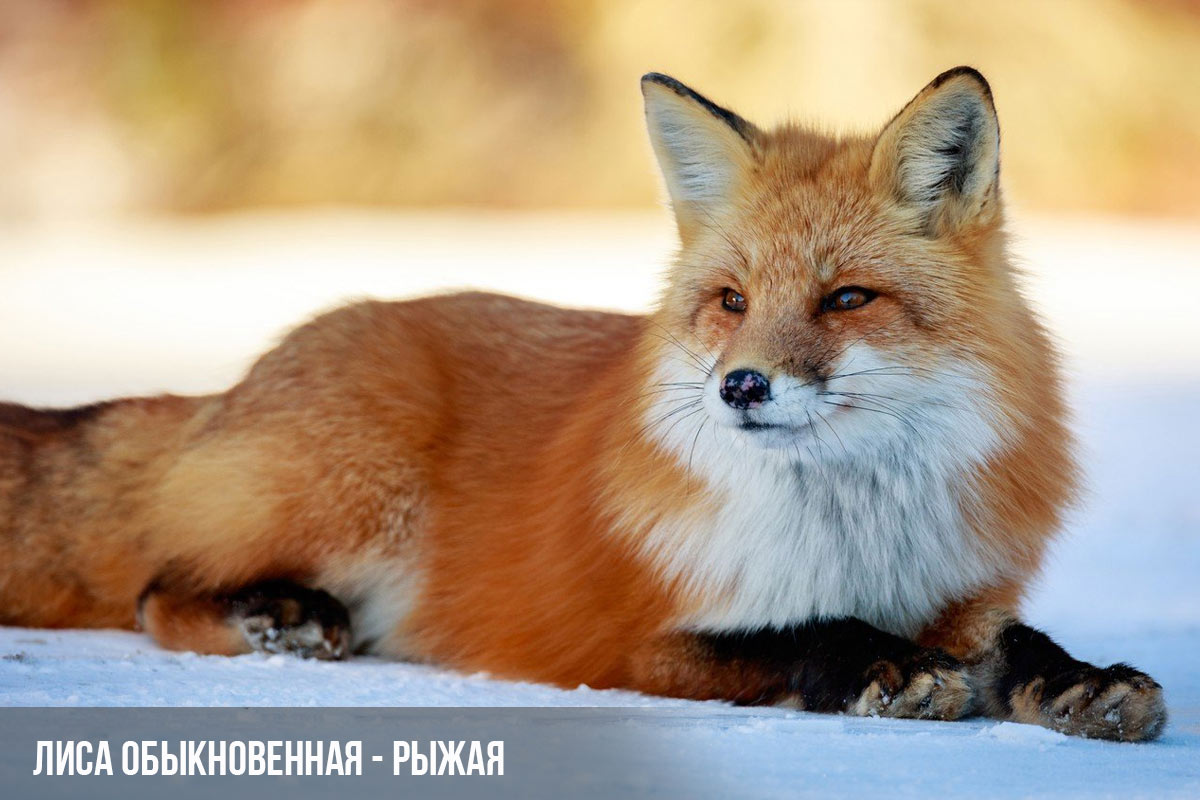
When answering the question of what genus a fox belongs to, it's important to consider the specific animal in question. The most common foxes in Russia are the red fox and the Arctic fox, which belong to the family Canidae and genus Vulpes. However, there are approximately 40 species of fox in the wild, some of which belong to other genera (tribes):
- Canini: Falkland Islands, Lesser, South American foxes, and also maicongs;
- Urocyon: Island and Gray.
Although all these foxes share common ancestors, they differ greatly visually. Their sizes range from 18 to 90 cm, and their weight from 0.7 to 10 kg. These differences are largely due to the fox's ancestors adapting to specific living conditions, acquiring certain external characteristics over many centuries.
Here are some photos of some varieties of foxes:
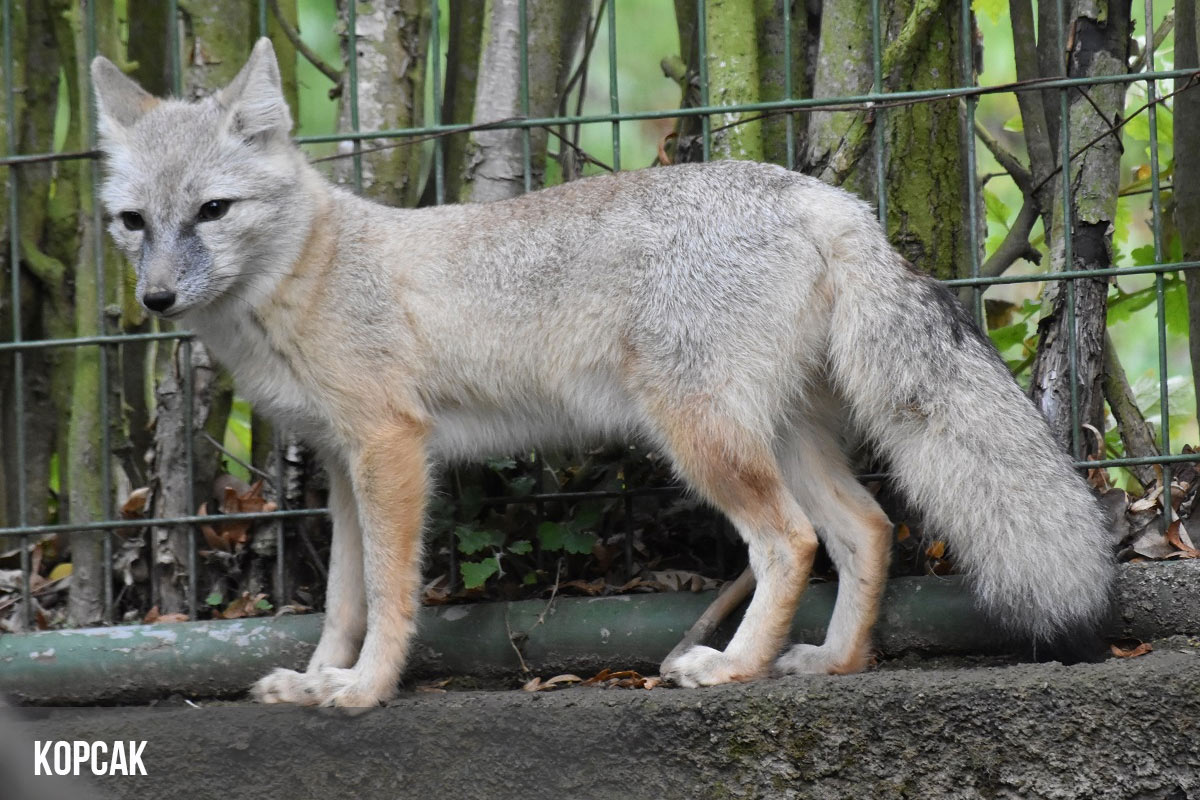
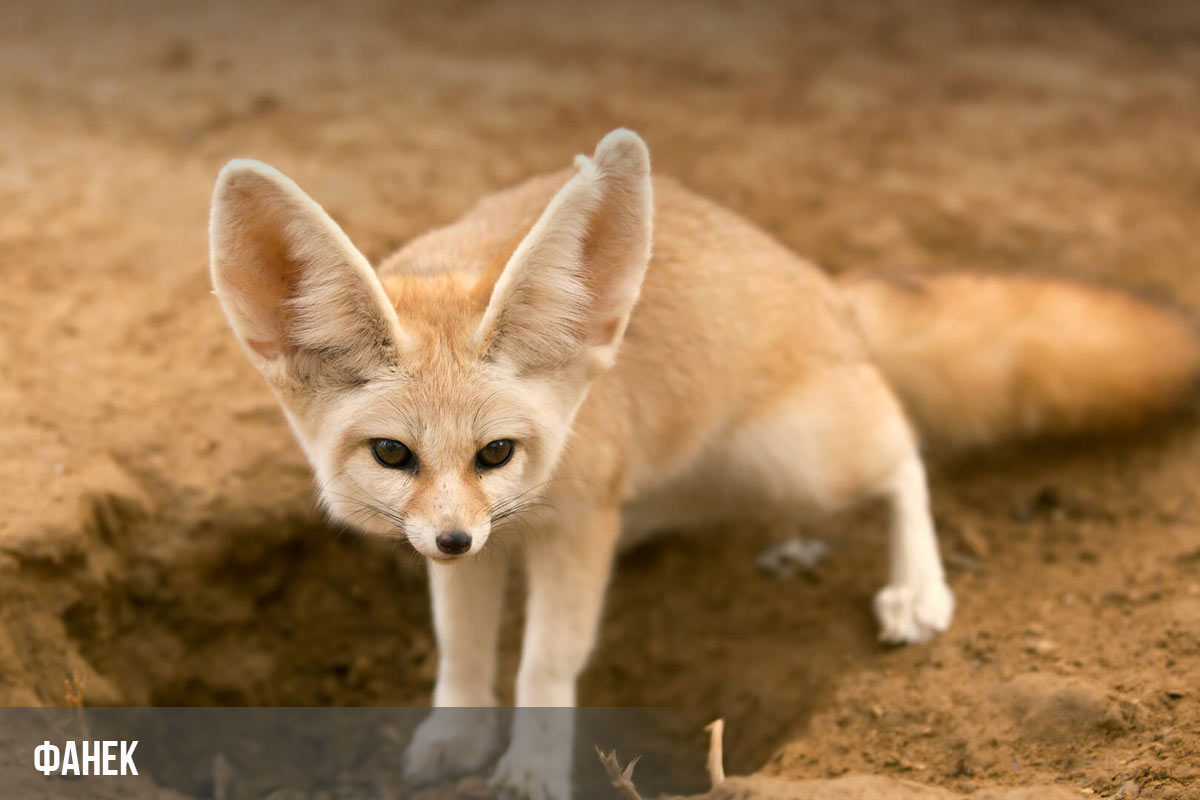
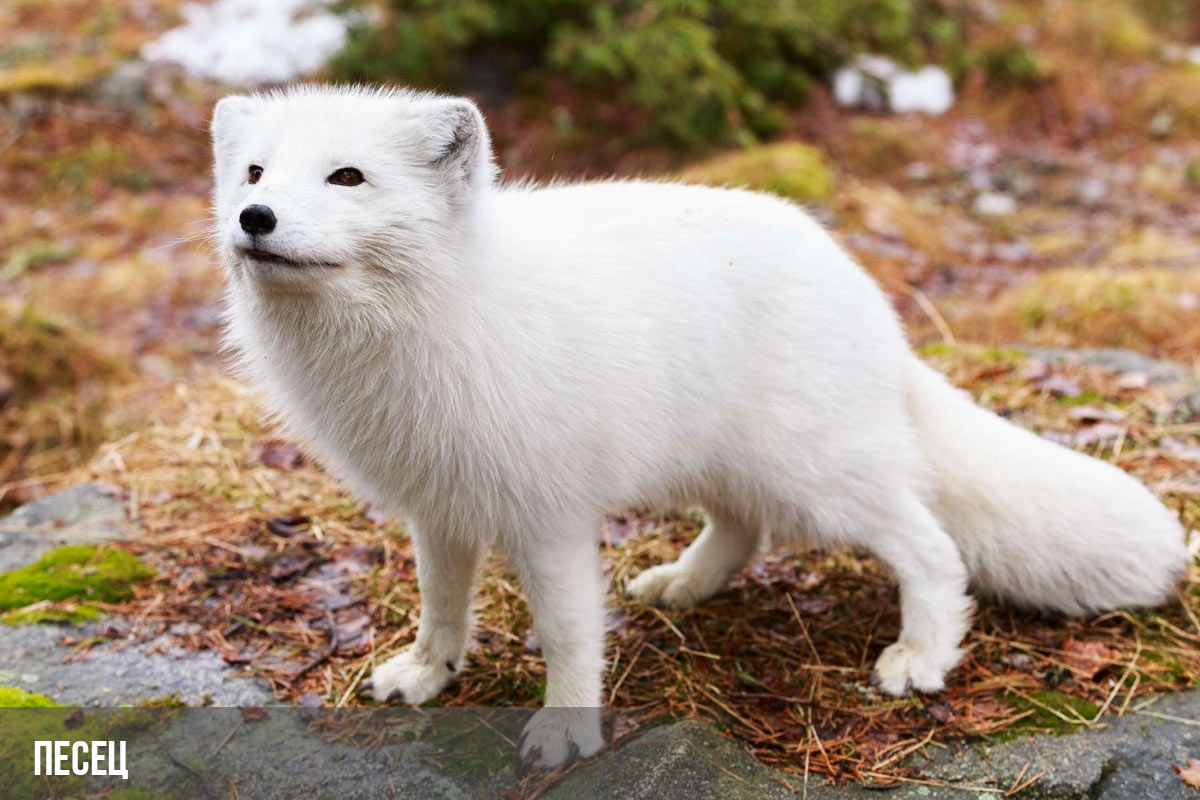
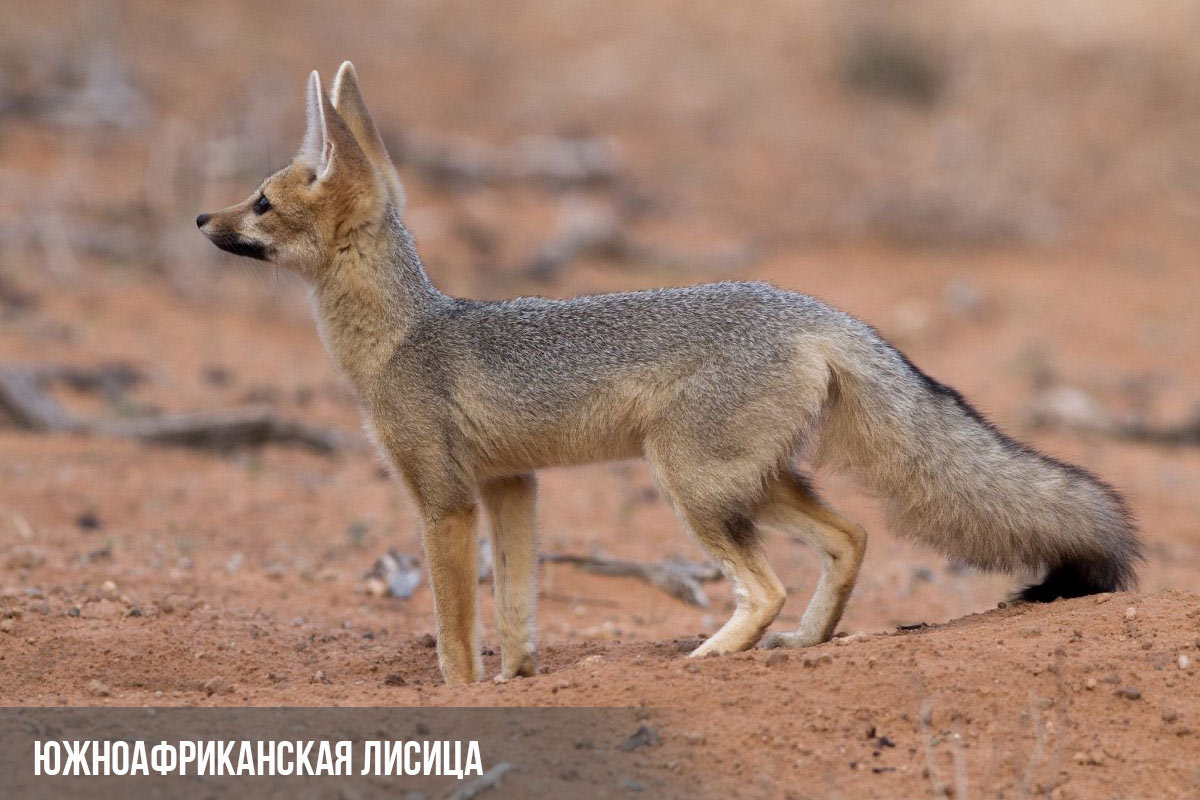
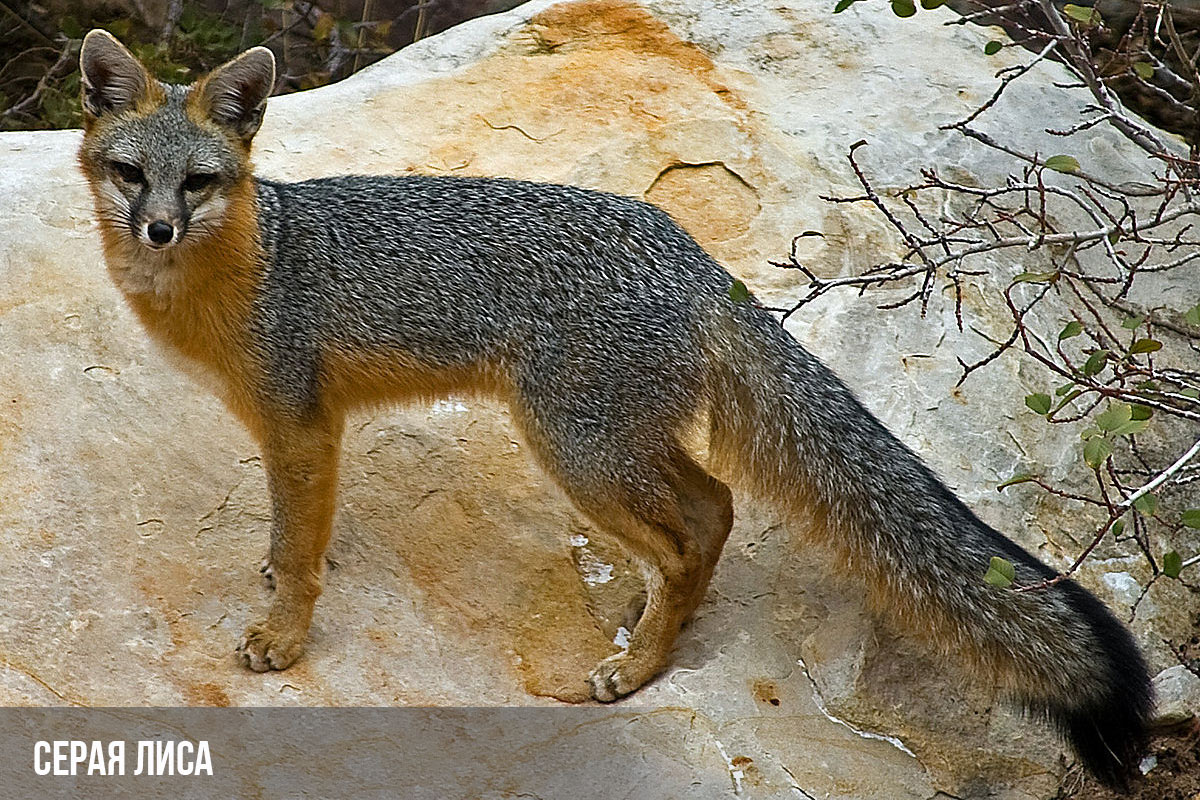
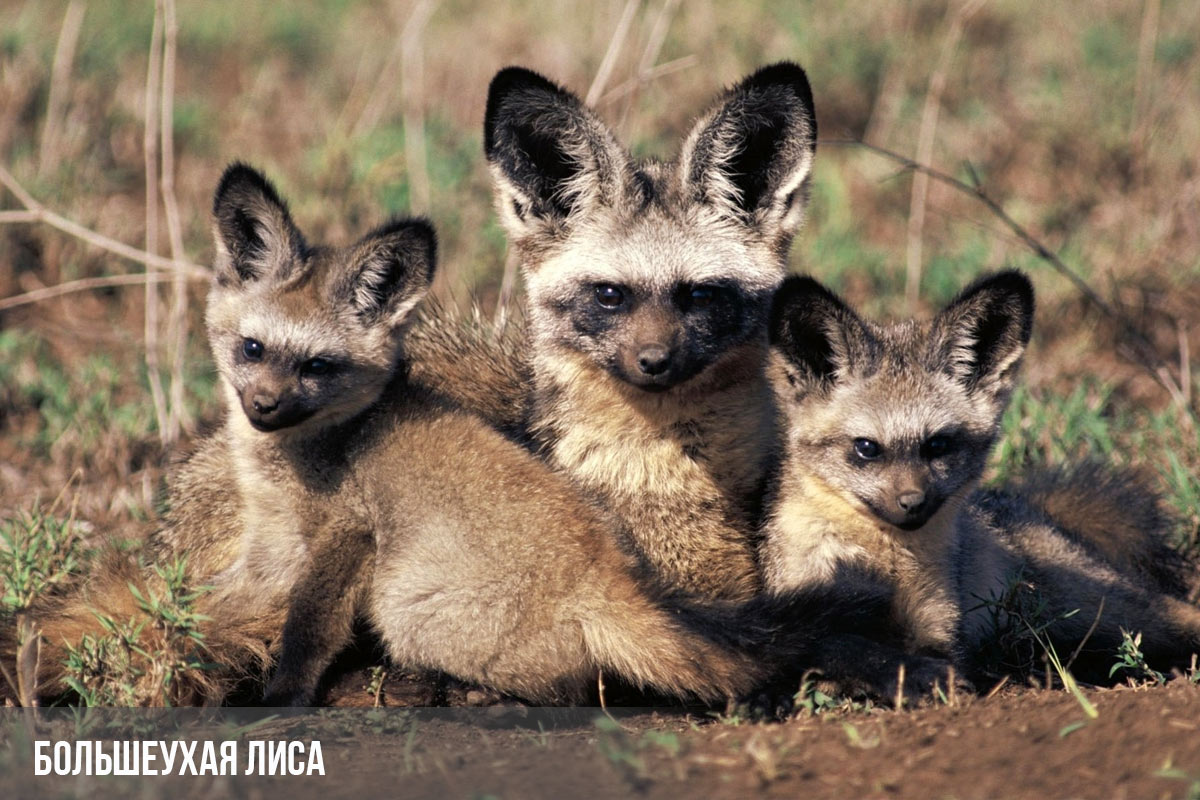
Many people believe that the fox is a cross between a dog and a cat. In a sense, this is true: systematically, this charming animal with its thick fur, large fluffy tail, and slender, elongated body occupies a position between a wildcat and a wolf. Therefore, they share characteristics of both dogs and cats. To which order do they belong more?
Common features of a fox and a cat
Foxes and cats share physical similarities. Both share a graceful build, an elegant and nimble gait, vertically slit pupils for excellent night vision, extremely sensitive whiskers, and stiff tongue spines.
An even greater similarity between these animals is behavioral. Foxes, like cats, are ambush predators and are incapable of pursuing their prey for long periods. Many foxes are excellent climbers and can easily scale roofs and trees.
Read on our website about the strongest dogs look like foxes.
Cats are considered independent creatures, interested in humans primarily as a means to fulfill their desires: to provide food and shelter. Foxes share similar traits: even when tamed, these animals rarely develop a strong attachment to their owners.
This is interesting. Scientists believe the reason for the wayward, "autocephalous" behavior of cats is that wild cats continued to live near human settlements even after humans domesticated them, and for many centuries, gene exchange occurred between domestic and wild cat populations.
Common features of a fox and a dog
Physiologically, foxes are closer to dogs than cats. They have similar body sizes, non-retractable claws, and a bushy tail that can be used to cover their front paws and nose in winter. Foxes also have a similar lifestyle to wolves: unlike wild cats, these animals live in dens, which they may dig themselves or steal from their previous owners.
Foxes' cunning: Foxes often occupy the burrows of other animals. For example, they can "expropriate" a badger burrow they find attractive, even if its owner is present. Badgers are extremely clean, and if they smell an unpleasant fox odor in their burrow or discover rotting food remains, they simply abandon it.
A fox's behavior toward humans differs radically from that of a dog. Even when raised in captivity, a fox never fully trusts people, and although it can obey or learn to follow commands, it can become aggressive at any moment. The main reason is the dog's millennia-long domestication, which has altered its character at the genetic level—a trait absent in foxes. Incidentally, despite their species-specific similarities, crossing a dog with a fox is impossible: their genetic code contains different numbers of chromosomes.
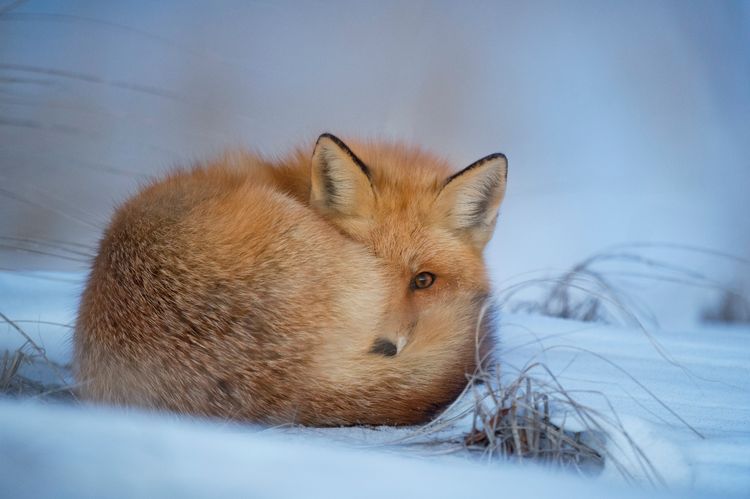
Is it possible to tame a fox?
Looking at a graceful, agile, beautiful fox with a pleasant face and magnificent tail, many people think, "How cute, I wish I had one like that at home!" In principle, almost any wild animal can be tamed, but don't expect a fox to be particularly devoted or affectionate. However, attempts have been made to domesticate the fox, that is, to instill in it the traits of the "domestic wolf"—the dog. Russian geneticist Dmitry Belyaev succeeded in breeding a domesticated silver fox. It is non-aggressive, affectionate, attached to its owner, craves their attention, and even wags its tail when they appear. However, such an animal cost around $6,000.
https://www.youtube.com/watch?v=fbg1t18VNBg
Interesting facts
- It has been scientifically proven that the ancestors of modern foxes lived on earth already 7 million years ago.
- A fox can hear the sounds of voles from a distance of 100 meters and find prey even under a meter of snow.
- The maximum speed of Vulpes vulpes (red fox) is 50 km/h.
- The inhabitants of ancient Mesopotamia revered foxes as sacred animals.
- In Japan, people were afraid of foxes, believing them to be werewolves.
- Foxes do not form packs; they are solitary animals that pair up to produce offspring.
- The smallest fox in the world is the fanek, which lives in the North African desert.
- Some species of foxes change color depending on the season.
- When communicating with each other, these animals produce more than 40 different sounds.
Read also:
- Why do cats respond to hissing sounds?
- Cat Skeleton: Detailed Anatomy
- What is the significance of a cat's tail?


1 comment
NumiMi
It is correctly noted that the dog's genetic code is changed, but you forgot to mention that the same is true for humans!
A dog is a symbiote for a human!
Add a comment