
Lymphoma in dogs: symptoms and treatment
Lymphomas (lymphosarcoma) are malignant hematological diseases that affect the lymphatic system, followed by dissemination (spread) of cancer cells to various organs. In dogs, lymphoma most often develops in old age and, in most cases, leads to death.

Content
Reasons for development
Lymphocytes are a type of white blood cell and serve as a key component of the immune system. They are divided into two types: B lymphocytes, which are responsible for producing antibodies, and T lymphocytes, which are directly involved in the destruction of pathogenic microflora and tumor cells. In lymphoma, some lymphocyte cells undergo malignancy (change, becoming malignant). They begin to divide uncontrollably, dramatically disrupting organ function and blocking the immune system's protective functions.
The exact causes of lymphoma development are currently unknown, but according to existing assumptions, the development of this disease can be triggered by:
- Exposure to harmful substances. Herbicides used in gardens, gases emitted by nearby factories, and varnishes and paints used in large quantities during home renovations can all have a carcinogenic effect on dogs.
- Immunodeficiency states caused by severe illnesses or the use of immunosuppressive (immune suppressing) drugs.
- Long-term use of steroid drugs (corticosteroids) or antibiotics.
- Genetic predisposition. Lymphomas are most common in dog breeds such as dachshunds, Pekingese, terriers, chow chows, bulldogs, bullmastiffs, rottweilers, boxers, and German shepherds.
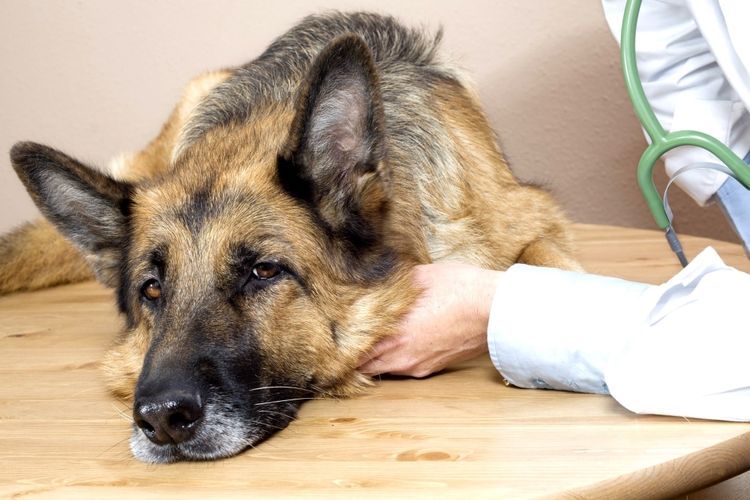
Forms of lymphosarcoma
There are over 30 different forms of lymphoma. They differ in tumor location and, consequently, in clinical manifestations. According to the classification, the following are distinguished:
- Multicentric (non-Hodgkin's) form. This type oncology in dogs Accounts for up to 85% of all cases of lymphatic cancer. The disease is characterized by painless enlargement of the lymph nodes, and internal organs can be affected in the later stages.
- Mediastinal form. This form of the disease affects the retrosternal or mediastinal lymph nodes, as well as the thymus gland.
- Alimentary form. It manifests as intestinal infiltration, leading to the formation of adhesions, which obstruct intestinal patency. This form can also affect the liver and mesenteric lymph nodes.
- Extranodal lymphoma. A type of lymphoma that affects organs not directly related to the lymphatic system, including the eyes, nasal mucosa, kidneys, heart, spleen, liver, digestive organs, nervous system, skin, sebaceous and sweat glands.
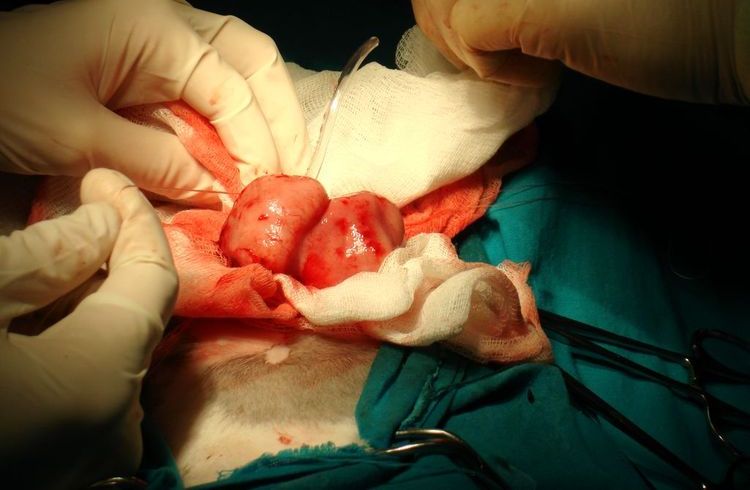
Important! Extranodal lymphoma is difficult to diagnose because lymph node enlargement may only be observed in the late stages of the disease. For example, with the epitheliotropic (cutaneous) form, the only early sign of cutaneous lymphoma may be multiple non-healing ulcers on the body, mouth, and nose.
Symptoms
Clinical manifestations of lymphoma in dogs depend on which organs and systems are affected and to what extent. Enlarged subcutaneous lymph nodes, easily detectable by palpation, are a characteristic, but not mandatory, symptom of this disease. Signs common to any serious disease may include:
- general weakness, rapid fatigue;
- loss of appetite;
- digestive system disorders;
- periodic vomiting without cause;
- weight loss;
- an increase in body temperature, often only to subfebrile;
- When examining the dog, ascites (fluid in the abdominal cavity), an enlarged liver or spleen are found;
- with the mediastinal form - cough, shortness of breath, difficulty swallowing;
- in case of damage to the nervous system - impaired coordination of movements, convulsions, paresis;
- in case of skin lesions - multiple, poorly healing ulcers.
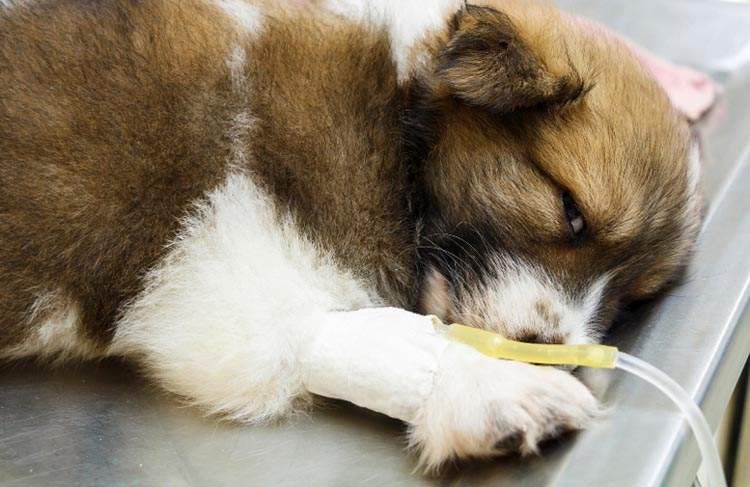
Stages of the disease
There are five stages of lymphoma development:
- Stage 1 - one or two lymph nodes (most often submandibular, inguinal or prescapular) are enlarged and sometimes sensitive to palpation; the dog may experience some loss of activity.
- Stage 2—so-called localized lymphadenopathy—involves multiple lymph nodes, usually in a single area. The animal's condition gradually deteriorates.
- Stages 3 and 4—general lymphadenopathy begins (all lymph nodes are enlarged and mutated). Most of the clinical symptoms characteristic of the disease appear at this stage.
- Stage 5 is characterized by general intoxication of the body, damage to the central nervous system and bone marrow, and results in the death of the animal within a few weeks or months.
Diagnostics
If lymphoma is suspected, a diagnosis requires multiple laboratory and imaging tests. Mandatory laboratory tests include:
- A complete blood count. With lymphoma, hemoglobin levels are typically low and white blood cell counts are elevated.
- A blood biochemistry test helps detect inflammation and determine the stage of the disease. One indicator of lymphoma development is a high blood level of the protein β-2-microglobulin.
- Cytological or histological examination of a tissue sample taken from an enlarged lymph node to check for abnormal lymphocyte cells. In some cases, the biopsy material is taken from a previously removed lymph node.
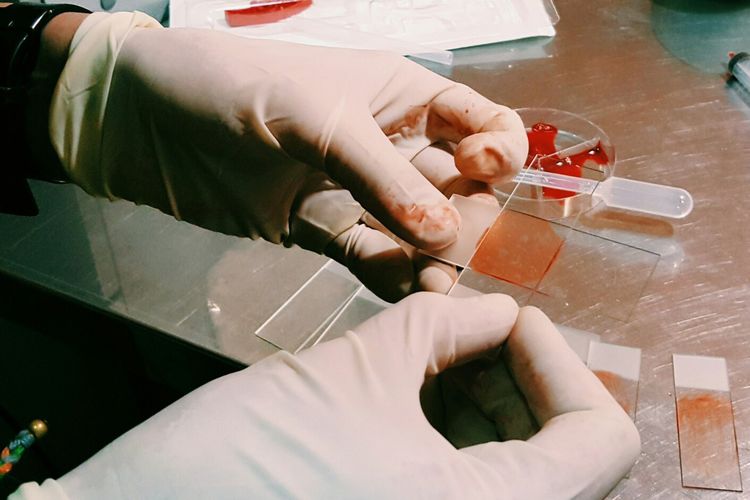
To clarify the diagnosis, an ultrasound or X-ray of the abdominal cavity, or an examination using an MRI scanner may be required.
Treatment
The primary treatment for lymphoma in dogs is chemotherapy—the administration of cytotoxic drugs that destroy cancer cells. In veterinary medicine, the following are used: Vincristine, L-asparegase, Doxorubicin, Cyclophosphamide, and Cyclophosphamide. The choice of drugs depends on the results of blood tests and biopsy. Most often, a combination of several anticancer drugs is prescribed.
Since anticancer drugs inhibit (suppress) cell division, they also damage normal tissues in the body: bone marrow, gastrointestinal tract, and other organs. Therefore, medications that counteract the side effects of cytostatics are a necessary part of treatment. Among the most effective is prednisolone, which has anti-inflammatory and immunosuppressive effects.
During chemotherapy courses (and there are usually several), it is necessary to monitor the animal's condition; often, treatment of complications from cytostatics requires the animal to stay in hospital.
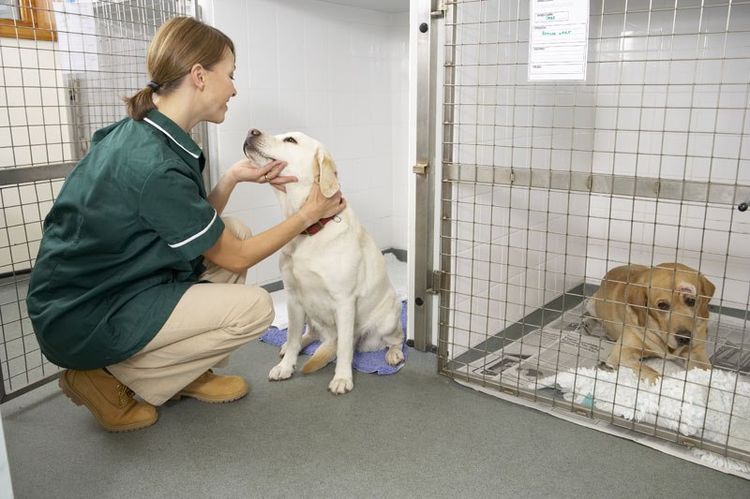
Important to know. The difficulty of treating lymphoma lies, among other things, in the fact that cancer cells can develop resistance to drugs. After a course of treatment with a certain cytostatic drug, they develop resistance to its effects, and the doctor must select other drugs that are "unfamiliar" to the tumor cells.
Forecast
A full recovery for a dog diagnosed with lymphoma is impossible. Treatment is aimed at prolonging and improving the animal's quality of life. The prognosis depends on the type. tumors, a correctly chosen treatment regimen and the individual susceptibility of the dog's body to certain antitumor drugs.
Chemotherapy often achieves prolonged remission, up to 6-8 months, when symptoms of the disease are significantly reduced, and prolongs the life of a dog with lymphoma for up to a year, and sometimes even several years. Without aggressive chemotherapy, a dog with lymphosarcoma typically does not survive more than a few months.
Read also:
- Otodectosis in dogs: symptoms and treatment
- Mastocytoma in Dogs: Symptoms and Treatment
- Hookworm in Dogs: Symptoms and Treatment


Add a comment