
Lymphoma in cats: treatment and symptoms
Lymphoma (lymphosarcoma) in cats is a cancer of lymphoid tissue and lymphocytes, primarily associated with malignant tumors. It is one of the most common forms of cancer, regardless of the pet's sex or breed. The earlier the diagnosis and treatment, the greater the chance of prolonging the pet's life.
Content
Reasons for development
Veterinarians have not yet been able to determine the exact causes of lymphoma in cats. However, they do identify a number of factors that increase the risk of developing the disease:
- Regular exposure to heavy metals or ionizing radiation.
- Unfavorable environmental conditions.
- Heredity and genetic predisposition. It is believed that the offspring of a cat subsequently diagnosed with lymphoma are more likely to develop the disease, and the location of the disease will also be similar.
- The presence of the leukemia virus in the blood, which is transmitted through blood or saliva. Its carriers are especially common among stray animals.
The impact of these factors causes changes in the lymphocyte genome, as a result of which the process of cell division is disrupted and their uncontrolled proliferation begins, leading to the formation of tumors.
Symptoms and types of the disease
In the early stages of lymphosarcoma, no outward manifestations of the disease are observed. It can only be detected through ultrasound or laboratory testing. Over time, the animal develops symptoms of deterioration in general condition, depending on the type and location of the pathology:
- Alimentary lymphoma (intestinal involvement) occurs in older animals (over 8 years old) and is accompanied by loss of appetite, weight loss, vomiting, and diarrhea. Complete intestinal obstruction often develops, requiring immediate surgical intervention.
- Mediastinal lymph node involvement (damage to the thoracic lymph nodes) is diagnosed in young pets (2-3 years old). This condition causes the lymph nodes on the chest and neck to become clearly visible, and breathing becomes labored or shallow. This is due to the development of a tumor on the thymus gland and sometimes the accumulation of fluid in the chest, which ultimately compresses the lungs. Pulmonary edema and signs of heart failure may also develop.
- Spinal lymphoma (spinal cord involvement) is typical in young and middle-aged individuals. The disease is accompanied by limb paralysis and is severe.
- Renal lymphosarcoma develops in middle-aged individuals. This condition is characterized by apathetic behavior, decreased appetite, increased urine production (polyuria), and abnormally intense thirst.
- Nasal lymphoma is diagnosed in older pets. It causes difficulty breathing, bloody nasal discharge, and swelling of the mucous membranes.
- Multiple lymph node enlargement can develop in elderly and sometimes middle-aged individuals. Symptoms vary depending on the location of the lesion. Enlargement of all lymph nodes, as well as the liver and spleen, is often observed.
Important! Regardless of the location of the lymphoma, cats often experience anemia (a drop in hemoglobin levels) and abnormal white blood cell counts. big or downwardsAcceptable symptoms include skin rash and neurological abnormalities (spasms, seizures, photophobia).
In addition to the types, there are two forms of the disease:
- Indolent – a sluggish, non-aggressive pathology with a relatively favorable prognosis, provided adequate treatment.
- Aggressive – a rapidly developing pathology with a questionable prognosis, requiring immediate treatment.
Diagnostics
A veterinarian diagnoses lymphoma based on histological examination of affected tissue samples. Clinical signs of the disease are also taken into account, and the pet undergoes a thorough examination.
- Examination of the mucous membranes and skin.
- Palpation of the lymph nodes.
- Blood test (to check for anemia, the presence of the leukemia virus, the level of leukocytes, etc.) and urine.
- X-ray/ultrasound (to examine internal lymph nodes and detect neoplasms on internal organs).
- PCR (to identify a specific pathogen).
These tests allow us to determine the extent of damage to the body, provide an approximate prognosis for the animal's future life, and select the optimal treatment regimen.
Lymphoma treatment
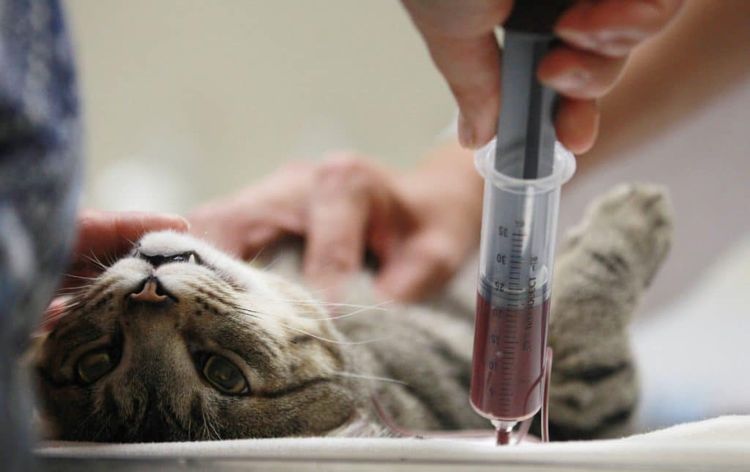
The main treatment for lymphosarcoma is chemotherapy, which involves administering cytotoxic drugs to destroy tumors. These drugs have a destructive effect not only on tumor cells but also on healthy cells in internal organs and body systems, so chemotherapy regimens and doses are determined exclusively by a veterinarian. Among the most commonly used drugs are:
- Doxorubicin;
- Chlorambucil;
- Cyclophosphamide;
- Vincristine;
- L-asparaginase (in case of leukemia);
- Prednisolone/prednisone (to relieve inflammation and suppress tumor growth).
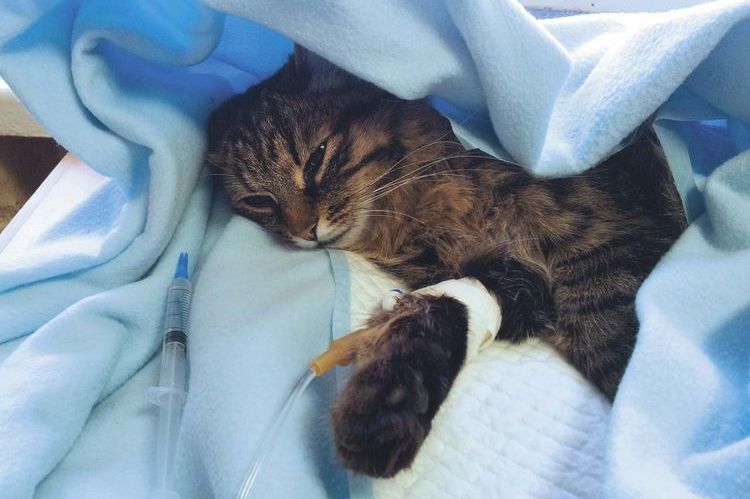
The medication is administered to the animal once a week, and the course lasts 4-6 months. If remission is achieved at the end of the first course, the veterinarian may decide to discontinue chemotherapy or extend the interval between doses to 2 weeks.
Radiation therapy is not used for lymphoma. If the tumor interferes with the animal's normal functioning, surgical removal is performed, followed by chemotherapy and restorative medications.
Life expectancy
The use of modern drugs with reduced toxicity and the high sensitivity of various types of lymphoma to chemotherapy make it possible to achieve long-term, stable remission in this oncological disease. The prognosis for the survival of cats with lymphoma depends largely on the location of the tumor and the timeliness of treatment.
Important! Without treatment or using prednisolone alone, an animal's life expectancy after a diagnosis of lymphosarcoma is 1-2 months.
In addition, the presence of the virus should be taken into account. leukemia And immunodeficiencyThe average life expectancy for lymphoma after completion of chemotherapy and if detected early is as follows:
- 65% – 12 months;
- 30% – 24 months;
- 15% — from 36 months and more.
Even achieving stable remission does not mean your pet is completely cured. Regular veterinary monitoring, at least every three months, and adherence to the prescribed diet will be necessary.
Read also:
- Sarcoptic mange in cats: symptoms and treatment
- Eosinophilic Granuloma in Cats: Symptoms and Treatment
- Leukemia in cats: symptoms and treatment


Add a comment